

Antique Church Panel
These surviving timbers and carved fragments bring solemn historic character into a room, offering genuine architectural presence through centuries of craft.
Antique Church Panel
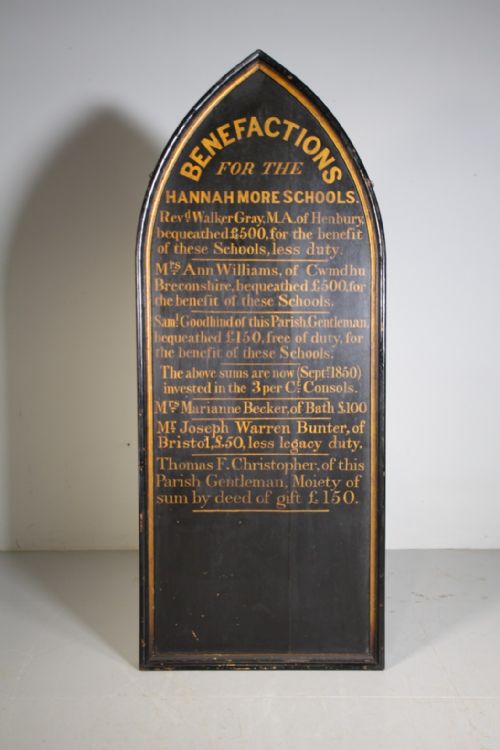
When you search for an antique church panel, you encounter fragments and fixtures salvaged from ecclesiastical buildings, ranging from heavy timber partitions to decorative tracery. The selection spans centuries of Christian craftsmanship, taking forms such as architectural oak panels, carved pine reliefs, and painted devotional boards.
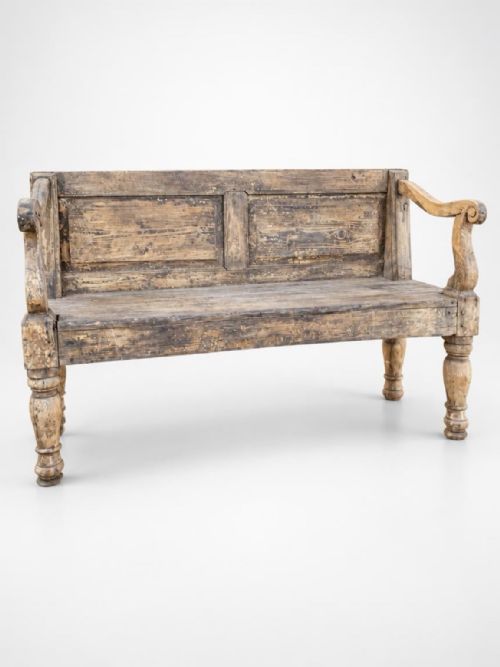
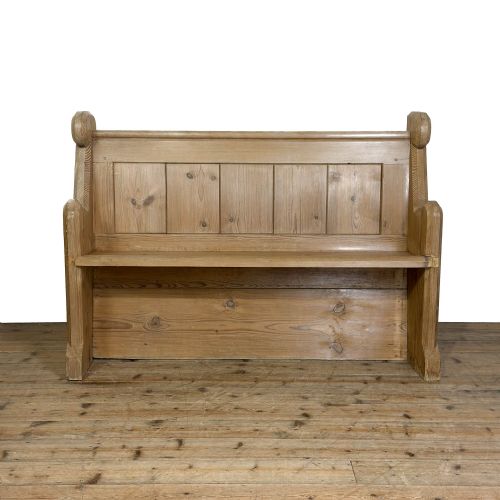
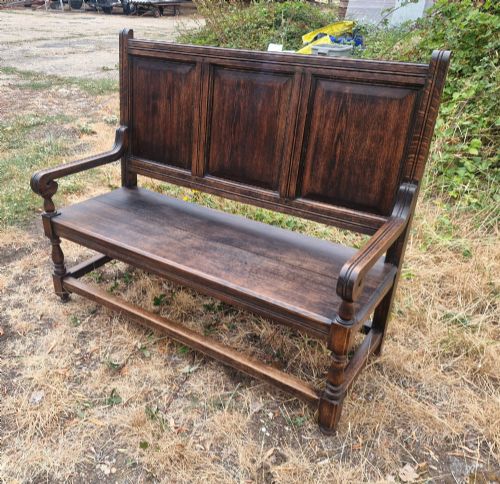
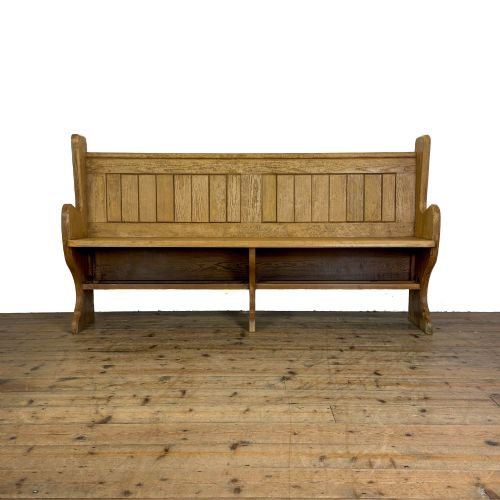
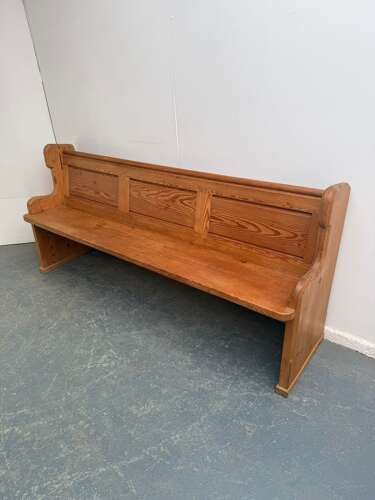
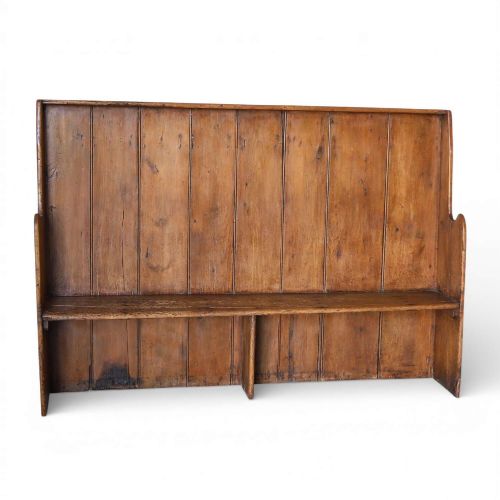
You are most likely to meet nineteenth-century pine pews, oak settles, and Gothic revival architectural elements within this collection. These items bridge domestic seating and ecclesiastical salvage, retaining the robust construction methods of chapels, churches, and monastic foundations.
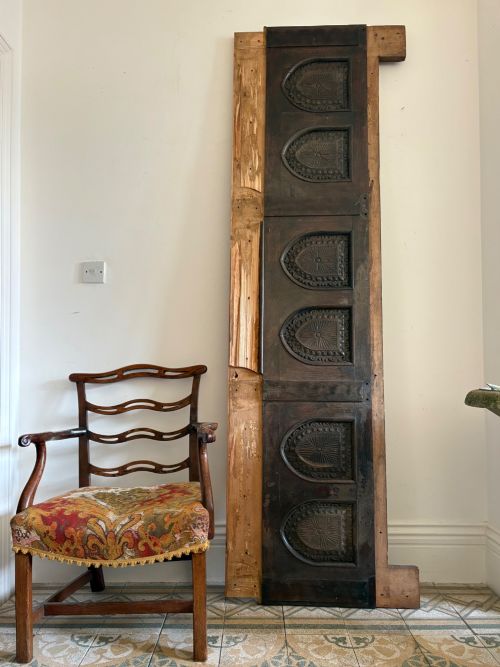
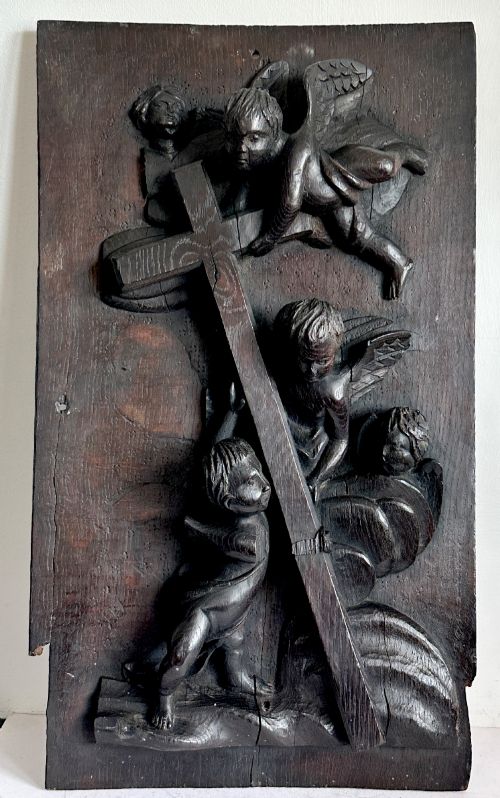
The material origins trace back through the Victorian era into earlier medieval and seventeenth-century workshops. Pieces vary from simple country pine benches to elaborate Flemish or English carved oak panels bearing traces of historic use.
Materials and construction
Carpenters and joiners relied primarily on native hardwoods and softwoods, predominantly oak and pine, selected for structural stability and carving capacity. Timber boards were joined using traditional pegged mortise and tenon joints, designed to withstand the humidity and heavy wear of religious spaces.
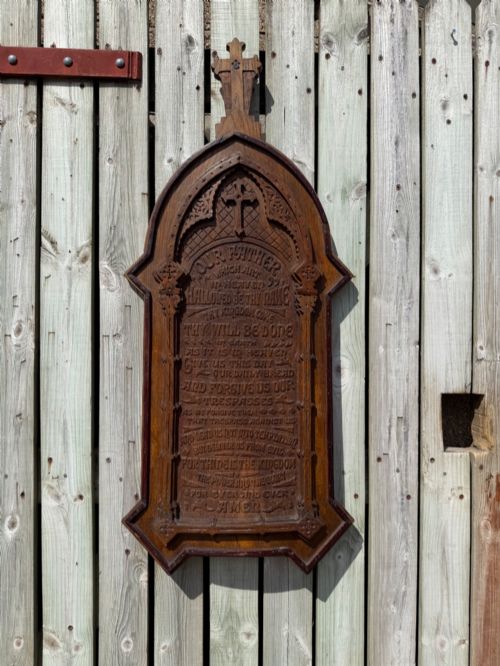
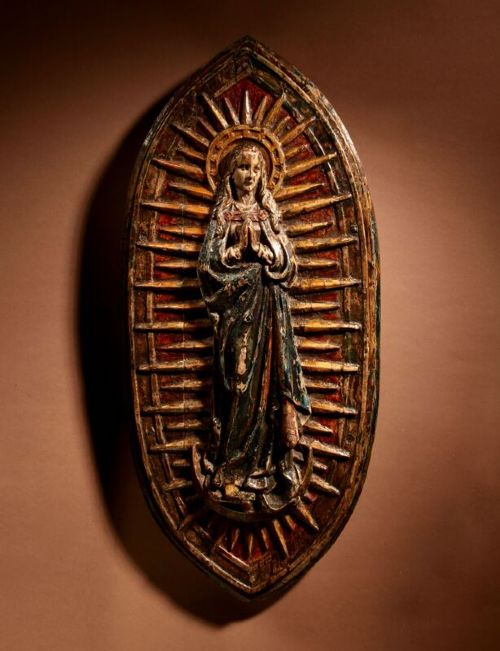
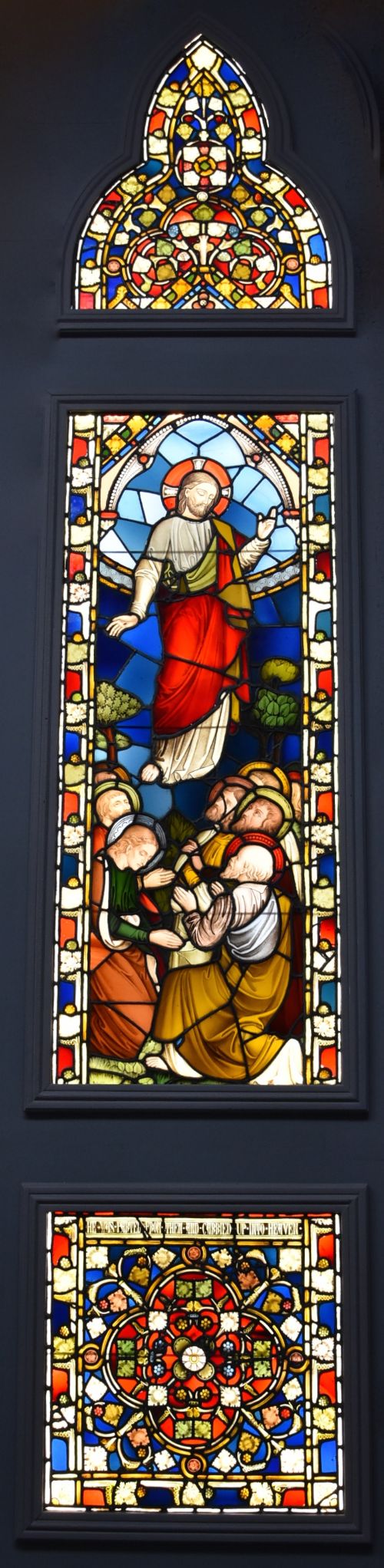
Surface treatments range from waxed patinated surfaces and honey brown finishes to original paint, gold leaf, and polychrome pigments. Decorative panels incorporate carved Gothic tracery, relief figural sculpture, and leaded glass assembled with metal came.
Antique Church Panel Retail Price Guide 2026
Typical asking prices for church panel among the pieces listed under this phrase on Sellingantiques today, from the lower quarter to the upper quarter. They describe what is for sale here now, not the wider market.
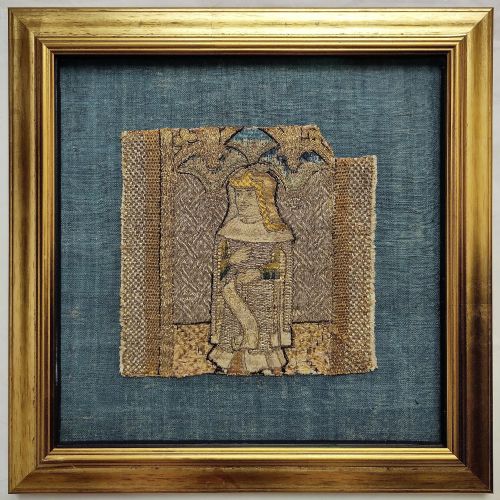
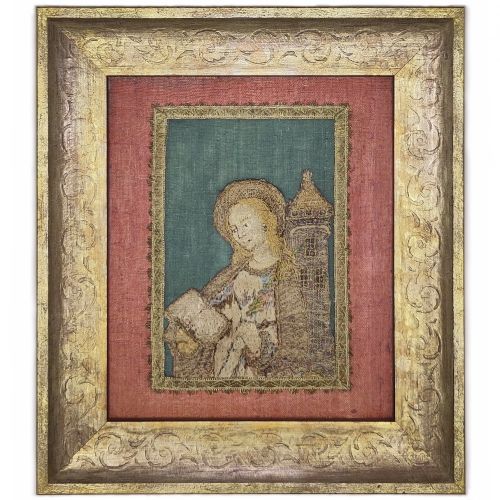
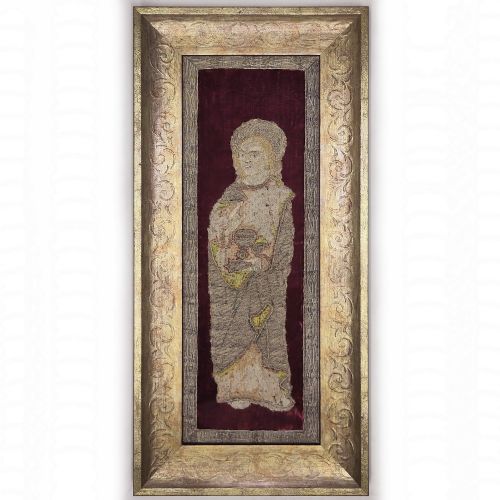
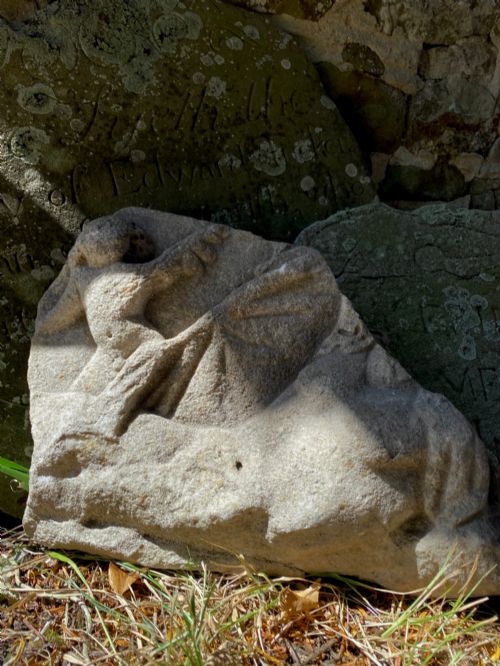
Several panels preserve the quiet gaze of medieval saints who have watched over generations of European churchgoers.
Judging quality and integrity
Quality rests in the crispness of the hand-carved detail and the original integrity of the timber. Sharp, deep relief work executed by skilled hands distinguishes superior architectural carvings from simpler vernacular carpentry.
The preservation of original surface finishes, such as early paint layers, natural patination, and undisturbed fixings, elevates a piece significantly. Alterations, heavy modern repairs, or stripped surfaces diminish the historical value of the woodwork.
The Antique Church Panel Glossary
- Tracery
- Openwork ornamentation in stone or wood, commonly found in Gothic windows and screens. It forms skeletal geometric patterns that support glass or frame architectural reliefs.
- Settle
- A wooden bench with a high back, solid arms, and often a storage box beneath the seat. They stood near fires or in church aisles to block drafts.
- Giltwood
- Wood that has been coated with gold leaf or gold paint. This technique highlighted important figures on altarpieces and religious icons.
- Polychrome
- Decorated in multiple colours. It describes medieval and later wood or stone carvings painted with pigments to render lifelike religious figures.
- Ecclesiastical
- Relating to the Christian Church or its clergy. It categorises furniture, panels, and metalwork created specifically for worship spaces.
Antique Church Panel: Frequently Asked Questions
How were church panels used originally?
These elements formed part of larger architectural schemes within houses of worship, serving as pew backs, rood screens, altar frontals, or wall partitions. They directed the congregation's focus and divided sacred spaces.
Craftsmen integrated text, tracery, and sculptural reliefs to convey biblical narratives and doctrine to parishioners who often could not read.
Can I mount an antique church panel on a wall?
Many architectural panels and reliefs suit wall mounting provided the fixings account for the substantial weight of old oak or pine. Brackets should support the lower frame securely.
Ensure the wall can bear the load and keep timber away from direct heat sources to prevent the historic wood from splitting.
How do I distinguish sixteenth-century from Victorian Gothic revival?
Sixteenth-century carvings display deep, hand-cut tool marks, denser iron-hard oak, and worn polychrome or original wax surfaces that reflect genuine medieval or Tudor working methods. The proportions and iconography often follow strict devotional traditions.
Victorian Gothic revival pieces, produced in the nineteenth century, tend to show more uniform machine-assisted preparation beneath the hand finishing, with cleaner, sharper edges and different fastening hardware.
How do I care for historic church timber?
Maintain a stable indoor humidity and keep panels away from radiators and direct sunlight, which dry out and warp old oak and pine. Dust gently with a dry, soft cloth.
Apply a microcrystalline wax sparingly if the surface appears dry, avoiding modern liquid polishes that seal and damage aged finishes.