

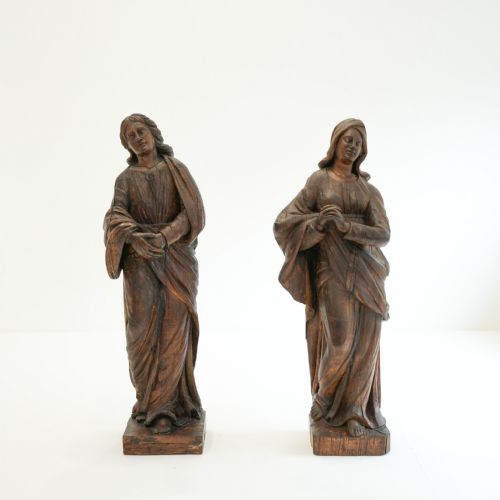


Antique Church Figure Sculpture
These antique church figure sculpture pieces bring centuries of devotion into a room, carved to command a space with solemn presence.
Antique Church Figure Sculpture
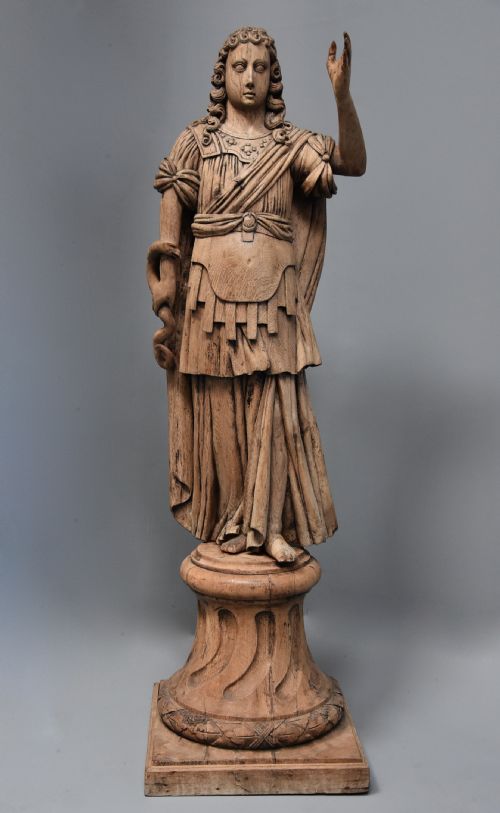
When you search for antique church figure sculpture, you encounter carved representations of saints, angels, and holy figures originating from European workshops and churches. These works span from pre-sixteenth century Gothic carvings through Baroque creations to nineteenth-century interpretations.
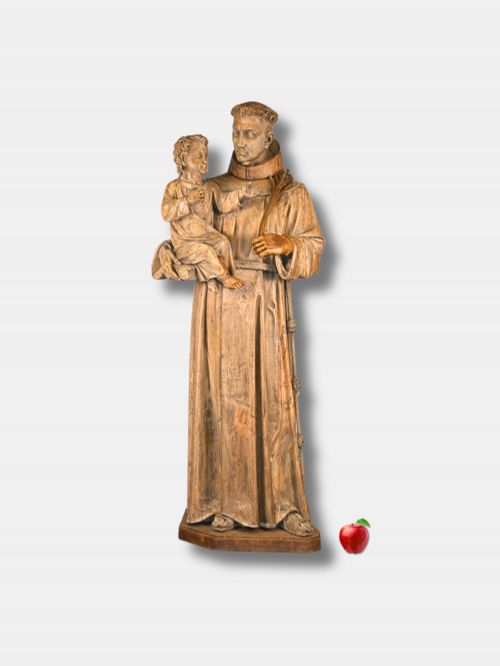
You are most likely to meet wooden figures depicting saints such as Anthony, Nicholas, or John, alongside representations of the Virgin Mary and Christ. The selection ranges from monumental life-size statues down to processional figures and architectural reliefs.
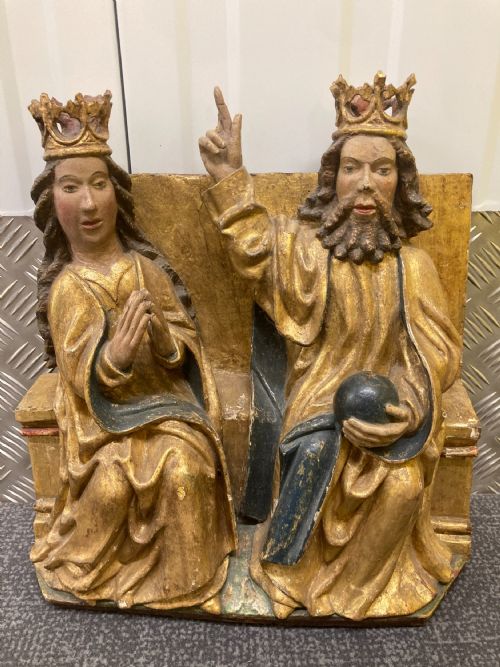
The regional origins stretch across Italy, France, Spain, and Germany, reflecting the distinct devotional art traditions of those areas. Surviving examples include solitary saints, pairs of angels, and multi-figure groups like the Pietà.
What Varies in Quality
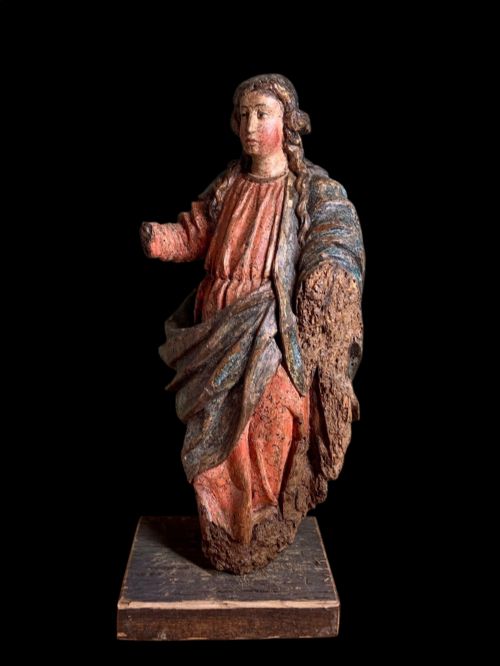
The integrity of the original surface finish determines the visual power of these sculptures. Pieces retaining untouched layers of early polychrome paint or gold leaf hold greater historical coherence than heavily stripped or later repainted examples.
Several angels on display appear slightly distracted, as though momentarily checking the acoustics of the heavenly choir.
Rouillard Angers
The Antique Church Figure Sculpture Glossary
- Polychrome
- Painted in several colours. This surface treatment brings depth and realism to carved wooden garments and faces.
- Gesso
- A plaster mixture applied to wood as a base for paint or gold leaf. It creates a smooth white ground for detailed decoration.
- Giltwood
- Wood that has been covered with a thin layer of gold leaf. This technique provides a luminous, heavenly glow to religious sculptures.
- Pieta
- A subject depicting the Virgin Mary supporting the dead body of Christ. It remains one of the most emotionally charged sculptural groups.
- Santos
- A traditional devotional figure representing a saint or divine personage. These sculptures often served in religious processions or private altars.
Antique Church Figure Sculpture: Frequently Asked Questions
Where did these church figures originate?
These sculptures came primarily from European churches, chapels, and monastic foundations. Makers in regions such as France, Italy, Germany, and Spain carved them for altarpieces, processional use, and private devotion.
Over the centuries, many pieces left their original ecclesiastical settings as churches remodeled or secularised their interiors. They found their way into private collections and specialist galleries across the continent.
How do I care for antique wood sculptures?
Keep wooden sculptures in stable environmental conditions away from direct sunlight and sudden temperature shifts. Excessive heat or dry air can cause the historic timber to split and fragile gesso to flake.
Dust the surface gently with a soft, dry brush rather than a cloth that might snag on delicate carved edges. Avoid applying modern polishes or cleaning agents to historic polychrome or gilt surfaces.
How can I tell the period of a carved figure?
Examine the tool marks, the style of the carving, and the construction of the wood base. Early Gothic and medieval pieces display heavy chisel work and rigid, solemn drapery forms that evolved into the dynamic curves of the Baroque era.
Compare the preparation layers and pigments against known period examples. The natural ageing of the timber and the wear patterns on the gesso offer further clues to true antiquity.
How were these statues used originally?
Sculptures served to instruct and inspire congregations in places of worship, often placed in elevated niches or upon elaborate altars. Some figures took part in religious processions through town streets during feast days.
Smaller statues anchored private prayer spaces within homes, where worshippers offered personal devotions. Their presence made abstract theological concepts tangible and immediate to the viewer.