



Antique Church Benches
Antique church benches bring centuries of solid timber craftsmanship and ecclesiastical history directly into domestic hallways and living spaces.
Antique Church Benches
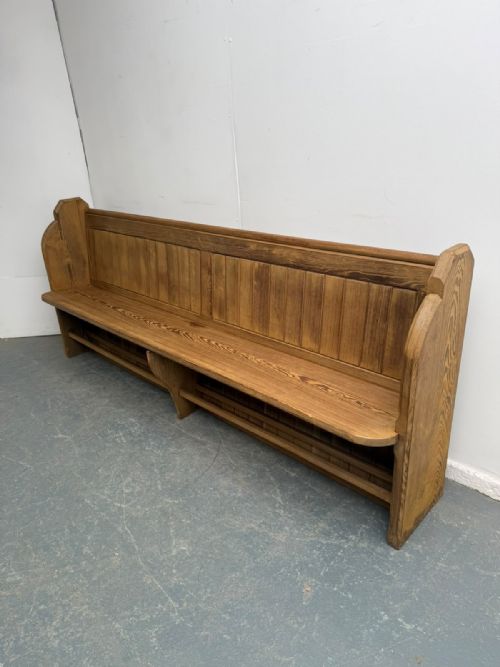
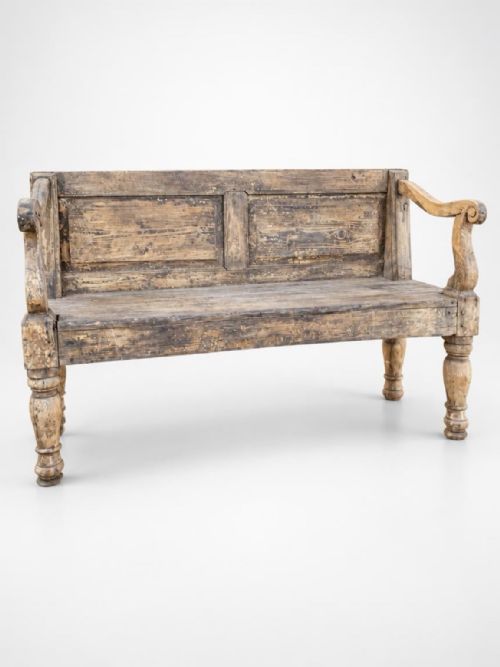
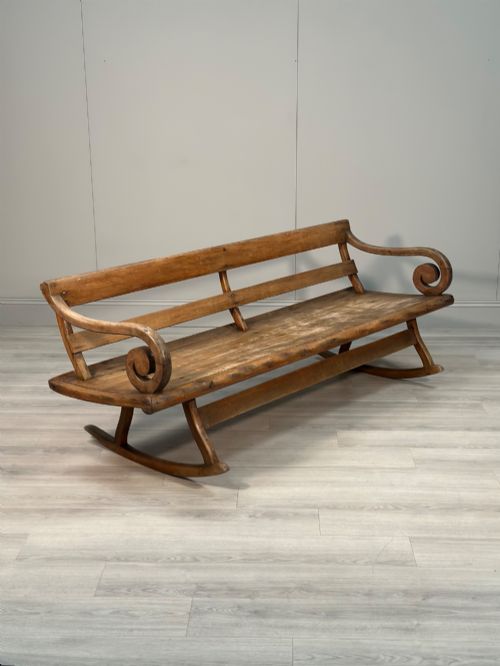
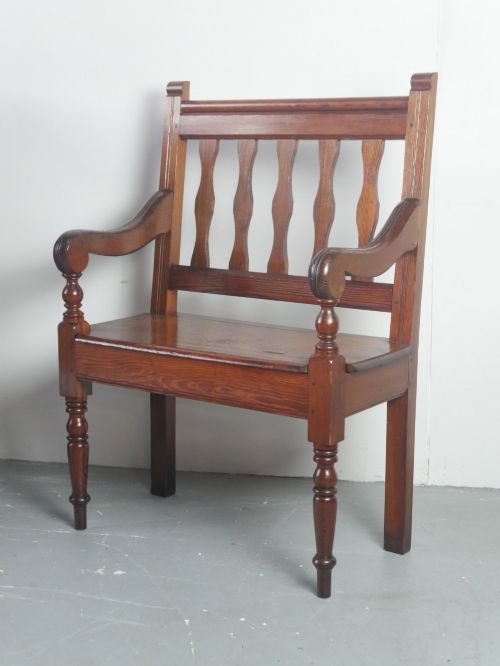
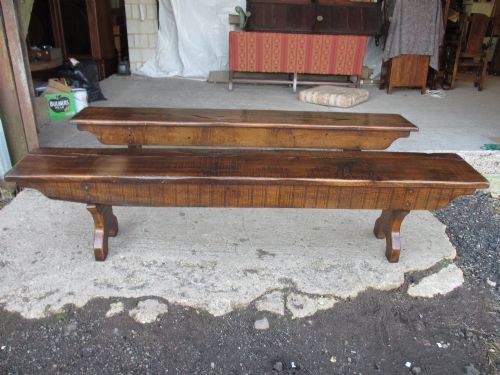
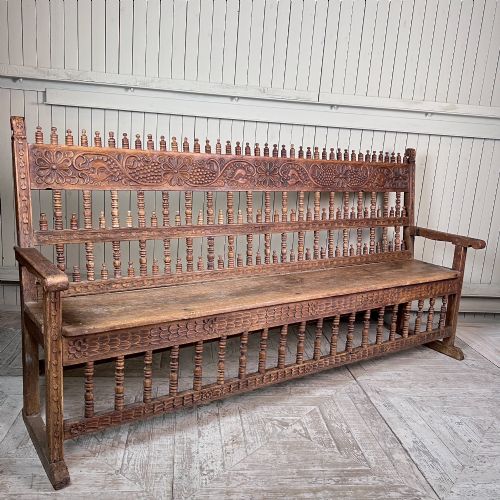
When you search for antique church benches, you encounter heavy seating salvaged from religious and secular buildings, with pine and oak dominating the selections. These pieces span from the 18th century through the Victorian era and Edwardian period, often categorised under architectural salvage or rustic country furnishings.
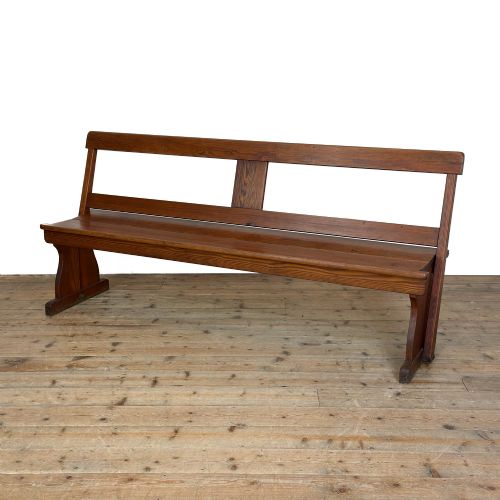
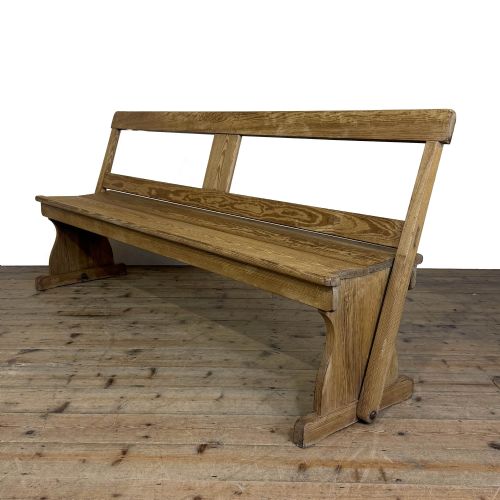
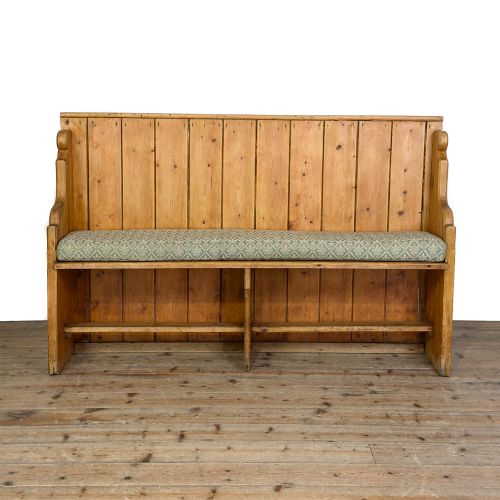
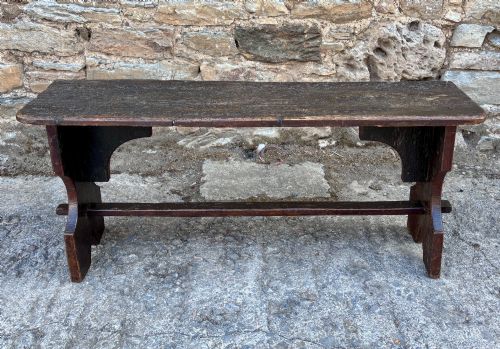
The most common forms on this page are pine and pitch pine pews alongside oak settles and chapel seating. Pieces range from long rows designed for congregations to compact single-seater pews and flip-over chapel benches.
Origins vary from English country workshops to Flemish and Spanish colonial makers, encompassing styles from Victorian Gothic and Pugin-style Arts and Crafts to rustic farmhouse.
How they were made
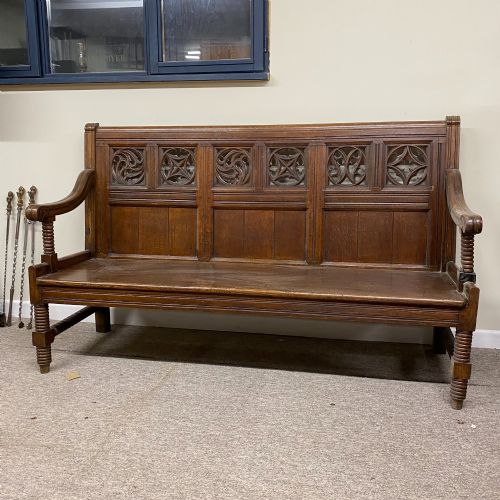
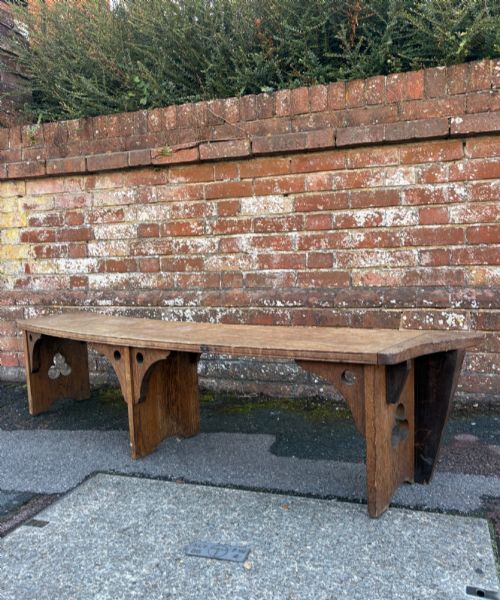
Joinery relies on solid timber construction using oak, pine, pitch pine, elm, and hardwood, frequently shaped with board seats and trestle ends. Workshops utilised traditional methods like panelled backs and carved supports to bear weight in public spaces.
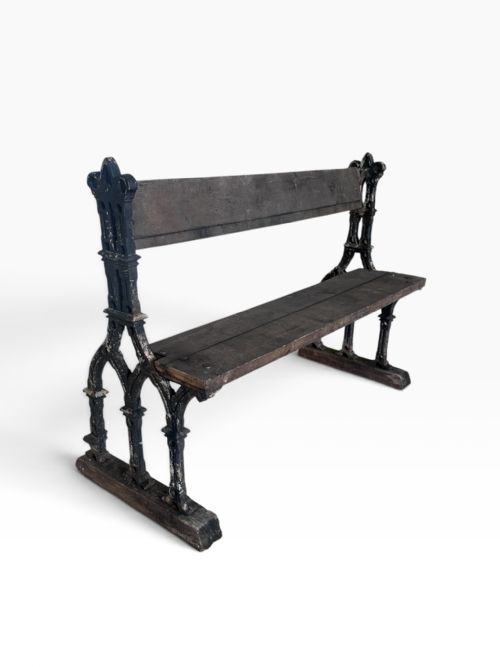
Surface treatments range from wax finishes and honey-brown patina to original paint, such as blue Hungarian coatings. Detail work includes carved poppy head finials, trefoil motifs, and occasionally cast iron or brass components.
Structural forms often incorporate architectural elements, seen in high-back settles, Gothic revival framing, and specialised pieces like organ benches and prie-dieu prayer stools.
Antique Church Benches Retail Price Guide 2026
Typical asking prices for church benches among the pieces listed under this phrase on Sellingantiques today, from the lower quarter to the upper quarter. They describe what is for sale here now, not the wider market.
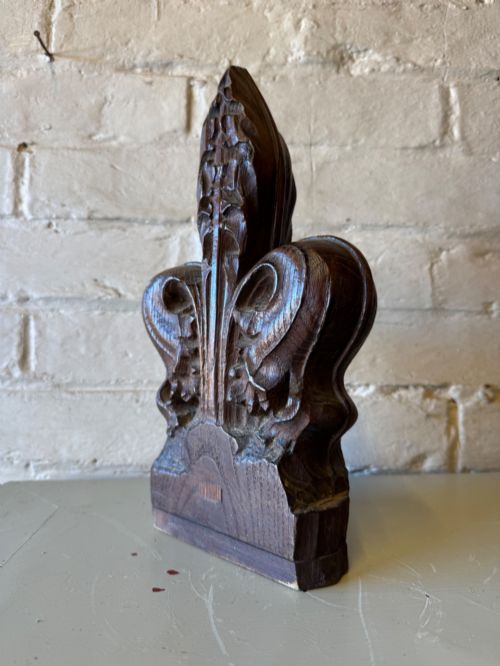
Listings span four centuries, featuring 17th-century carved oak finials alongside Edwardian hall seats and 19th-century pitch pine church pews.
What varies in quality
Quality rests in the integrity of the timber selection and the restraint of the carving, distinguishing heavy structural oak from simpler utility pine. Pieces with original board seats and untouched patinas command greater interest than heavily restored alternatives.
Proportion and execution define the upper tier, where Pugin-style Arts and Crafts or 18th-century Flemish joinery displays deliberate architectural detailing rather than plain municipal utility.
The Antique Church Benches Glossary
- Pew
- A long wooden bench with a back, traditionally fixed in churches for congregational seating. These usually feature simple ends or carved pew ends.
- Settle
- A wooden bench with a high back, solid arms, and often a storage box beneath the seat. They were placed near firesides to block drafts in older homes and pubs.
- Pitch pine
- A durable, resinous North American pine timber widely used in Victorian church pews and institutional furniture. It exhibits a distinct grain and deep amber tone when waxed.
- Poppy head
- An ornamental carved finial topping the end of a pew or bench, typically taking a stylised leaf or bud shape. This decorative feature appears on earlier ecclesiastical oak furniture.
- Prie-dieu
- A small devotional desk or prayer bench designed for kneeling while reading or praying. These often incorporate a sloped top for books and an upholstered or padded kneeler.
Antique Church Benches: Frequently Asked Questions
How do I fit a church bench in a hallway?
Measure the narrowest point of your hallway and check the depth of the bench base, as many traditional pews have high rake backs that require clearance from the wall.
Slim hall benches and shorter chapel pews work best in confined entryways without overwhelming the floor space.
Were church pews painted originally?
Most institutional pews were left in bare or waxed timber to show the natural grain of pine and oak, but some regional examples received decorative paint finishes.
Original painted surfaces, such as blue Hungarian pine, survive on specific domestic and continental variants.
How do I tell pine pews from oak pews?
Pine and pitch pine pieces display lighter yellowish or reddish grain patterns with noticeable resin streaks, typical of 19th-century church seating.
Oak examples show tighter growth rings, medullary rays, and a denser weight, characteristic of earlier 17th and 18th-century cabinetmaking.
Can I use an organ bench as a seat?
Organ benches and chapel pews serve well as functional seating at dining tables or desks, provided the seat height matches standard chair measurements.
Many retain narrow profiles and side table attachments that suit modern multipurpose rooms.