




Antique Chromolithograph Print
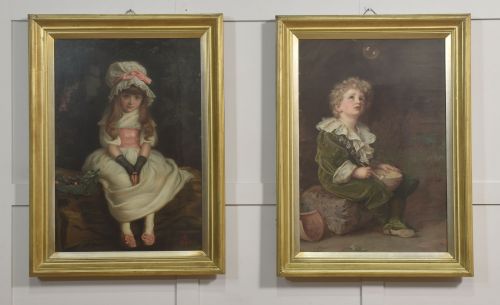
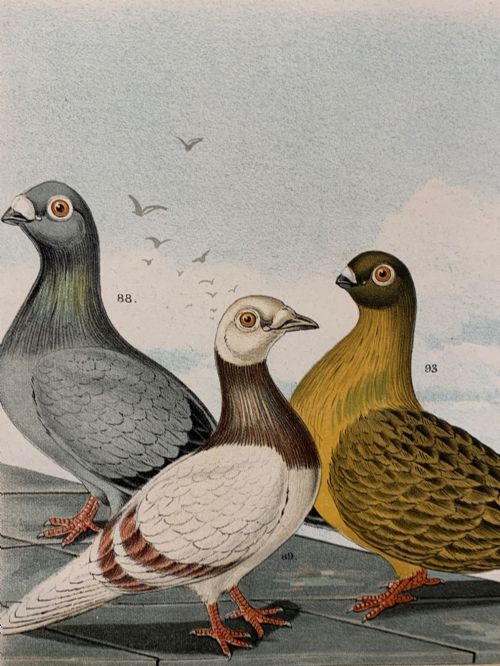
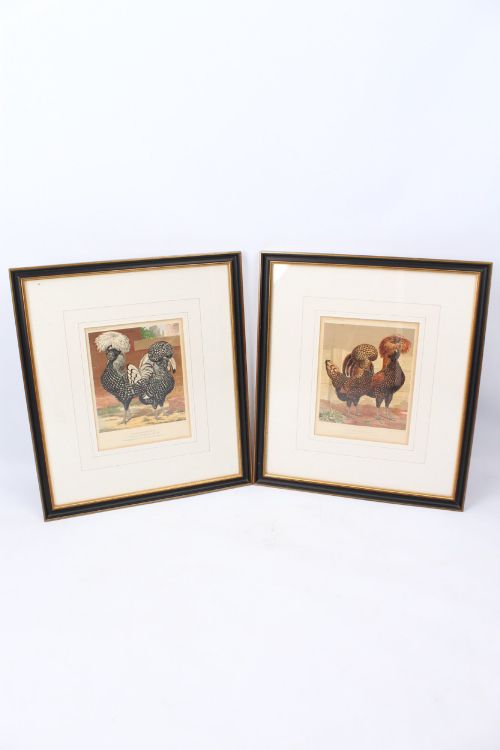
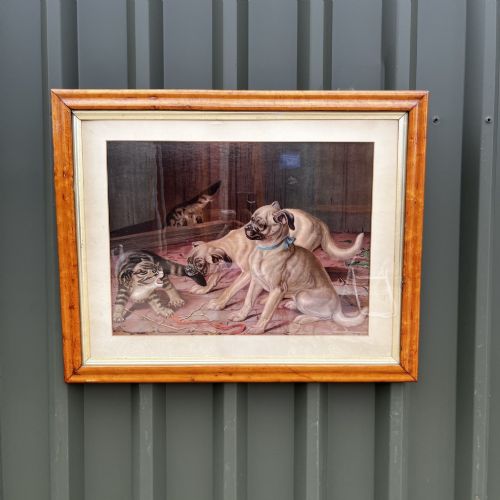
These antique chromolithograph print pieces capture rich colour and layered depth, offering collectors vibrant wall art from the Victorian and Edwardian eras.
Antique Chromolithograph Print
An antique chromolithograph print represents a multi-stone lithographic process that uses separate limestone blocks for each distinct hue to build up a vivid, painterly image. When collectors search for an antique chromolithograph print, they look for framed art, advertising plates, and periodical supplements that survive from the nineteenth and early twentieth centuries.
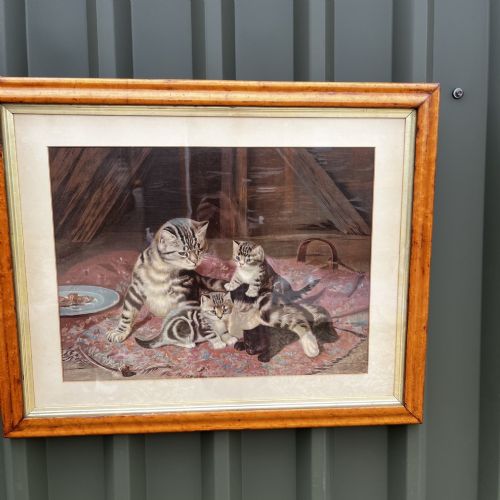
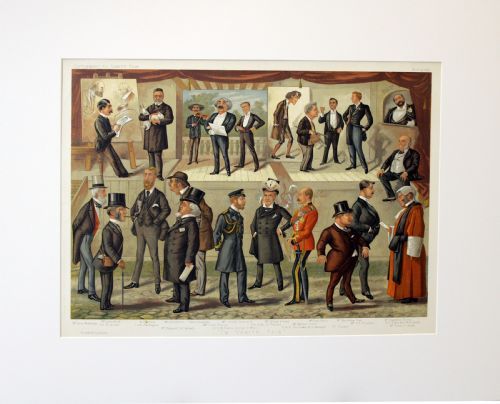
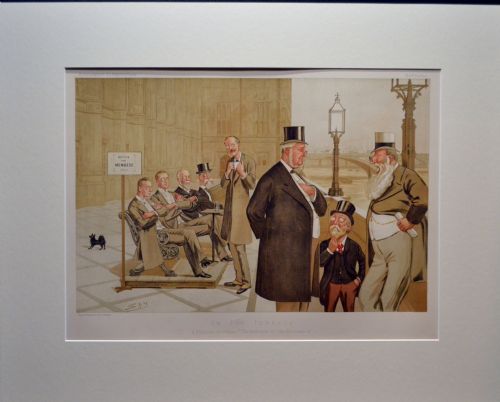
The pieces appearing on this page span the Victorian and Edwardian periods, stretching from the eighteen-eighties into the nineteen-twenties. Buyers frequently encounter framed prints depicting domestic animals, botanical subjects, and satirical portraits originally issued in publications such as Vanity Fair.
The subjects range from British sporting art and Renaissance Revival compositions to everyday animal studies and advertising materials like Pears soap annuals. These works provide a direct window into the commercial and domestic visual culture of the period through richly pigmented ink on paper.
How they were made
Printers produced these works using paper, ink, and gold leaf, often mounting the sheets on mount board and housing them behind glass within wood or gilt frames. Artisans drew images onto multiple lithographic stones, aligning each application precisely to build complex colour saturation without bleeding.
Makers layered opaque and translucent inks to mimic the texture of oil paintings and watercolours, distinguishing true chromolithography from simpler hand-tinted engravings. Certain iterations incorporate chrystoleum techniques, adding painted layers beneath convex glass to create an illusion of depth.
Listings feature works from the 1880s through the 1920s, utilising paper, ink, gold leaf, oak, and glass.
What varies in quality
The registration of the lithographic stones dictates the sharpness of the final image, separating muddy impressions from those with crisp, clean boundaries between colours. Finer examples retain their original saturation and pigment brilliance, whereas lesser items suffer from fading due to light exposure.
The integrity of the paper support and the presence of period framing elements, such as carved wood or original mount board, influence the overall character of the piece. Works designed for mass-market advertising can display varying levels of paper weight and ink density depending on the publishing house.
The Antique Chromolithograph Print Glossary
- Chromolithography
- A planographic printing technique that uses multiple limestone blocks or zinc plates to apply successive layers of coloured ink to paper. This method allowed commercial printers to reproduce oil paintings and watercolours with remarkable fidelity.
- Chrystoleum
- A Victorian method of applying a transparent print to the inside of a convex glass pane, hand-painting the back with oil colours, and sealing it with a backing board. The resulting piece creates a convincing illusion of a three-dimensional painted portrait.
- Lithograph
- An image printed from a flat stone or metal plate treated so that ink adheres only to the designated design areas. It serves as the foundational technique underlying multi-plate colour printing.
- Mount board
- A stiff cardboard backing used to support and frame works on paper while preventing direct contact with the glass. Period examples often exhibit appropriate ageing and toning consistent with late nineteenth-century materials.
- Renaissance Revival
- A nineteenth-century artistic style that borrows decorative motifs and compositional structures from fifteenth- and sixteenth-century European art. Print publishers frequently adapted these classical themes for domestic wall decoration.
Antique Chromolithograph Print: Frequently Asked Questions
How do I identify a true chromolithograph?
Examine the surface under a magnifying glass to check for a distinct pattern of overlapping coloured dots or solid ink fields rather than a modern dot matrix. True period examples display separate flat colour layers applied from individual stones.
Look closely at the edges of colour areas where tiny registration dots may appear, showing how the printer aligned each successive stone during production.
Were these prints meant for framing originally?
Many items began their existence bound into weekly periodicals, Christmas annuals, or portfolio collections rather than hanging on walls. Publications like Vanity Fair issued double-page spreads designed to be removed and displayed.
Advertising sheets and fine art plates were often sold separately or framed later by owners using contemporary wood and gilt moulding.
How should I care for antique prints?
Keep framed pieces away from direct sunlight to prevent the coloured inks from fading or the paper support from becoming brittle over time. Stable indoor humidity levels protect both the paper and the wooden frames from warping.
Avoid hanging works in damp environments such as kitchens or unheated rooms where moisture can cause foxing spots and mould growth on the paper.
What is a Spy print?
The term refers to the satirical watercolour portraits published in Vanity Fair under the signature of artist Leslie Ward, who used the pseudonym Spy. These plates captured notable political, legal, and social figures of the Victorian era.
Publishers produced them using the chromolithographic process to replicate the subtle tones of the original watercolours for an eager readership.