
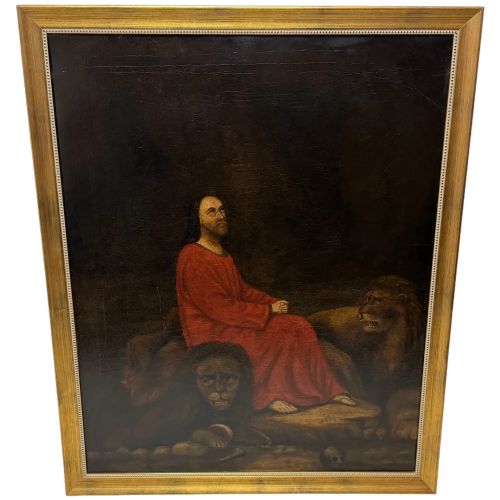


Antique Christian Portrait Painting
An antique christian portrait painting brings centuries of devotion, masterly brushwork and quiet spiritual intensity directly into a modern room.
Antique Christian Portrait Painting
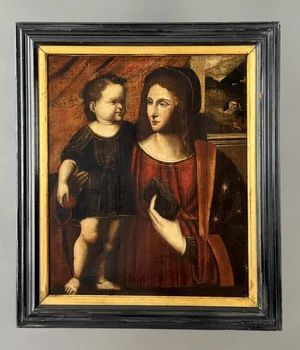
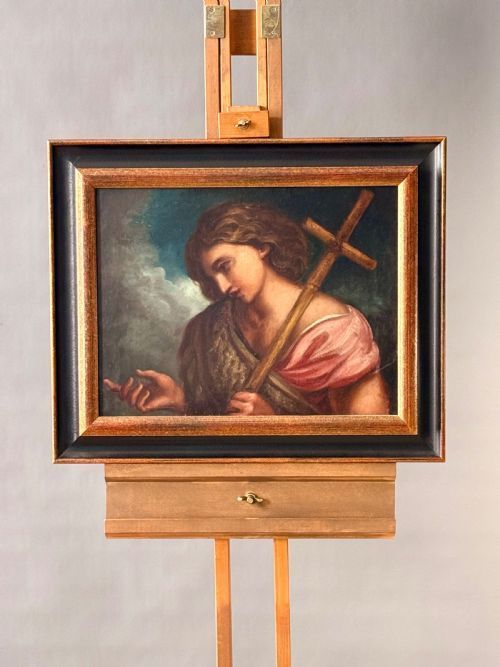
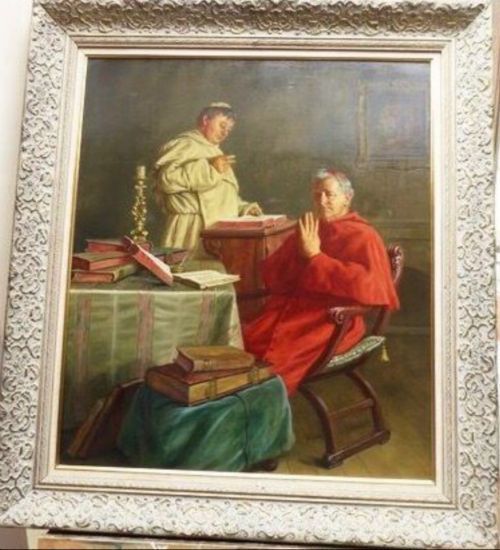
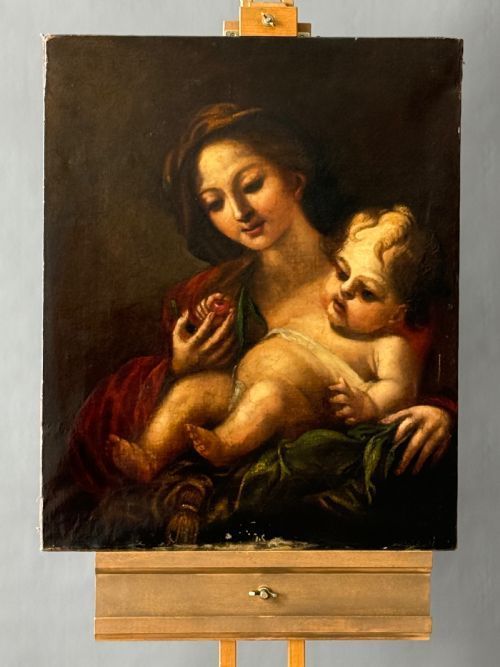
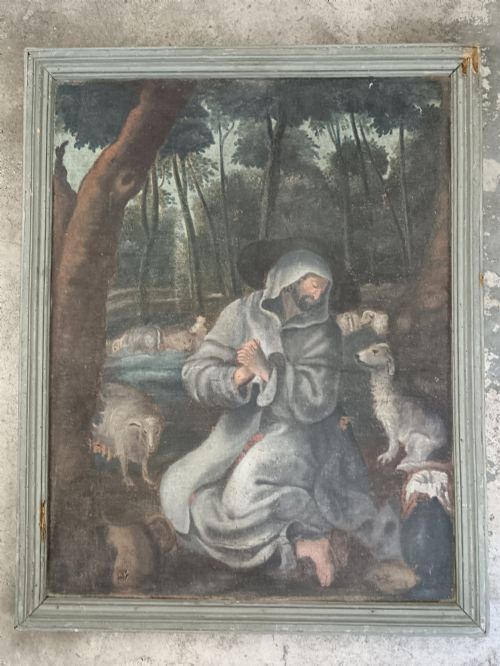
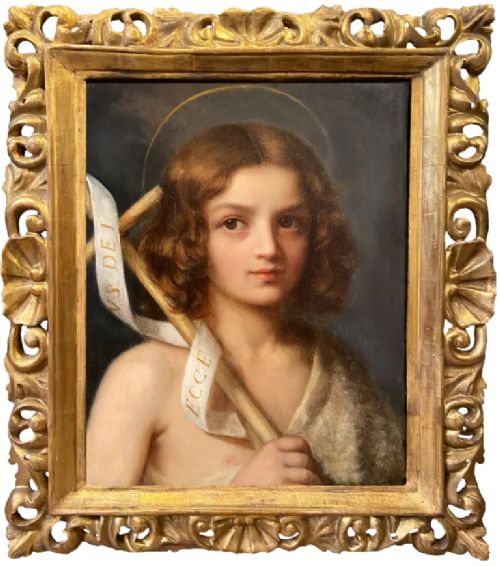
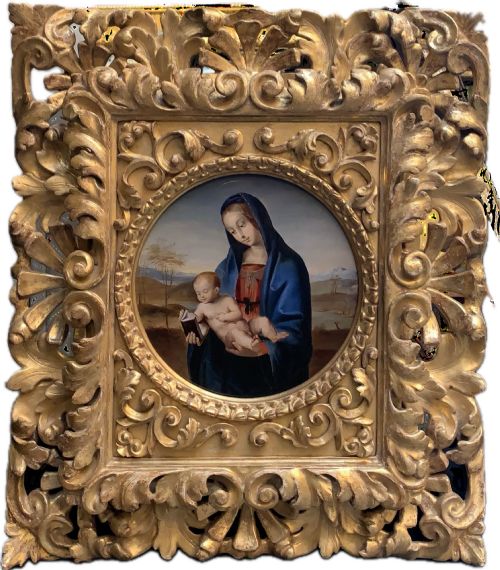
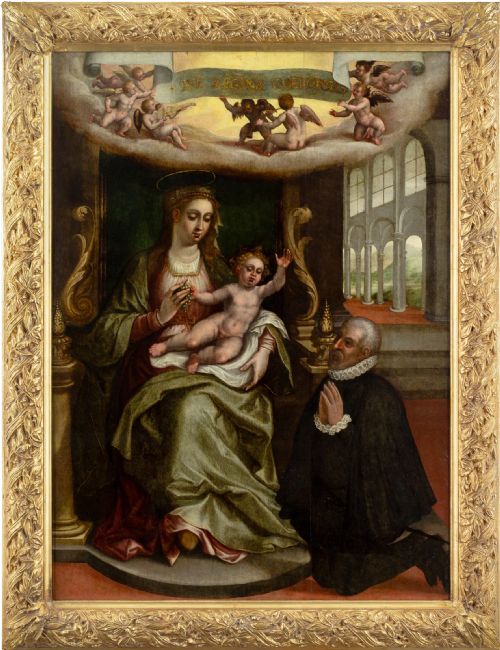
An antique christian portrait painting focuses on revered figures such as the Virgin and Child, saints, and biblical subjects rendered across the sixteenth, seventeenth, and eighteenth centuries. These works frequently arrive from Italian, Spanish, and Central European schools, capturing centuries of religious iconography through sacred portraiture. Buyers most commonly encounter oil on canvas formats, alongside panels, enamel plaques, and intimate portrait miniatures.
The selection ranges from devotional domestic works and regional interpretations to grander compositions after Renaissance masters like Raphael and Correggio. Pieces often reflect specific stylistic movements, encompassing the Italian Baroque, Renaissance Revival, and Georgian sensibilities. Whether depicting a saint with a lamb or a holy family, each piece bears the distinct hand of European studio traditions.
Materials and technique
Oil paint applied to woven canvas or wooden panel forms the primary physical foundation for these works, allowing artists to build deep shadows and luminous highlights. Grounds and binders vary by region and date, supporting layered pigments that capture the subtle drapery of garments and the tender expressions of holy figures. Giltwood and gilded wood frames frequently house these paintings, providing an ornate architectural boundary that complements the sacred subject matter.
Specialised techniques such as reverse glass painting and Limoges enamelling appear alongside traditional brushwork on canvas. Pentimenti occasionally emerge beneath the top layers of paint, revealing where artists altered compositions during the creative process. These physical traits record the workshop practices and material availability of historical European centres.
Saint John the Baptist occasionally appears accompanied by remarkably woolly lambs that look decidedly more like pampered pets than sacrificial figures.
Judging quality
The distinction between ordinary workshop output and superior execution rests upon the confidence of the drawing and the psychological depth given to the subject. Masterly handling of light and shadow creates a tangible sense of volume in drapery and flesh, whereas lesser works rely on stiff contours and flat planes. The subtlety of expression in a saintly visage elevates a composition above standard decorative production.
State of preservation and the integrity of the original surface further differentiate examples across the market. Retaining original canvas stretchers, untouched paint layers, and period frames contributes to historical authenticity. Works that maintain their early surface without heavy overpainting allow the true touch of the period painter to remain visible.
Miguel Barroso·Francesco Solimena·Christian Friedrich Zincke·Christian Lindner·Christian Eckardt·Hans Christian Jensen·Anders Christian Lunde
The Antique Christian Portrait Painting Glossary
- Pentimento
- An alteration in a painting, evidenced by traces of previous work showing through the top layer. This reveals the artist changing their mind about a composition during the painting process.
- Old Master
- A term for a European painter of skill who worked before the nineteenth century. These artists operated within formal guild and workshop systems.
- Portrait Miniature
- A small, highly detailed painting, often executed on vellum, copper, or enamel. These intimate works gained popularity for personal devotion and private remembrance.
- Reverse Glass Painting
- An art form where the image is painted directly onto the back of a piece of glass. When viewed from the front, the glossy surface enhances the depth of the colours.
Antique Christian Portrait Painting: Frequently Asked Questions
How should I clean an old canvas painting?
Surface dust can be removed gently with a very soft, dry brush, avoiding any pressure on the paint layer. Avoid using water, solvents, or household cleaners on historic oil surfaces.
Professional conservators should handle deeper cleaning or the removal of discoloured varnish to prevent damaging the fragile paint beneath.
What is the difference between an original and an after work?
An original composition originates directly from the inventive mind and hand of the artist or their immediate workshop. Works labelled as after a master represent later studies or copies created in tribute to famous pieces.
Both categories hold historical merit, though original conceptions generally reflect the direct stylistic evolution of a period.
How do I identify the period of a canvas?
Clues lie in the preparation of the canvas, the weave of the textile, and the type of stretcher frame used at the back. Chemical composition of pigments and the style of framing also offer reliable dating indicators.
Expert examination under magnification helps distinguish eighteenth-century materials from later nineteenth-century revivals.
Where were these religious paintings originally displayed?
Many devotional works hung in private chapels, domestic prayer rooms, or small parish churches across Catholic and Protestant Europe. Smaller portrait miniatures served personal, portable prayer and private reflection.
Over centuries, these pieces transitioned from active ecclesiastical settings into private domestic collections and galleries.