



Spanish Colonial Devotional Art
These pieces of spanish colonial devotional art bring centuries of religious practice into the home through carved wood and oil paint.
Spanish Colonial Devotional Art
When you search for spanish colonial devotional art, you encounter a range of items created for religious observance across distinct centuries. The selection spans paintings on canvas, carved wooden sculptures, crucifixes and home altars.
The objects originate from various periods including the seventeenth and eighteenth centuries, alongside later nineteenth and twentieth century folk art. Works like oil paintings of Mary and the Christ Child sit alongside carved santos figures and household shrines.
Spanish colonial baroque and spanish school styles dominate the works, reflecting European religious traditions adapted in the colonies. Pieces vary from monumental canvases to small devotional items designed for personal prayer.
How they were made
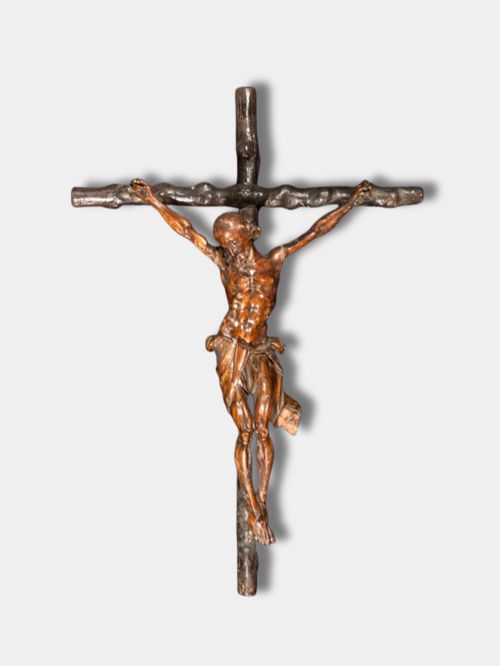
Makers utilised wood as the primary material for sculptures, crucifixes and home altars, often applying polychrome finishes to the carved surfaces. These figures required skilled carving and painting techniques to render lifelike religious subjects.
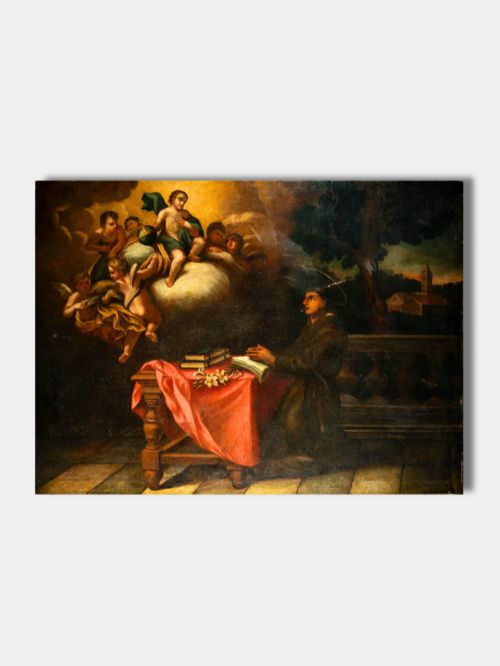
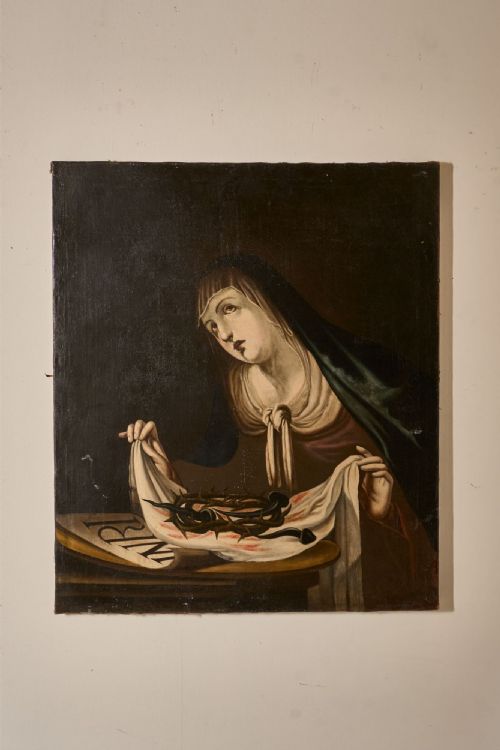
Painters used oil paint on canvas and linen supports to create devotional imagery such as depictions of saints and the Passion of Christ. These works relied on traditional European painting methods adapted within colonial workshops.
The forms span fine art oil paintings, monumental canvases, devotional sculptures, home altars and crucifixes.
What varies in quality
Quality in these works rests upon the precision of the carving and the fidelity of the painted detail. Finer sculptures display careful anatomical proportion and delicate polychrome pigment application, whereas simpler pieces show broader folk art execution.
Juan Ruiz Soriano·Gaspar de Figueroa
The Spanish Colonial Devotional Art Glossary
- Spanish Baroque
- A stylistic period characterised by dramatic theatricality, intense emotion and rich ornamentation. This aesthetic heavily influenced colonial religious art and sculpture.
- Santos Figure
- A carved wooden representation of a saint or divine figure used in home altars and religious processions. These sculptures are often polychromed.
- Home Altar
- A small domestic shrine or structure housing devotional objects for private prayer and worship. These pieces often incorporate folk art elements.
Spanish Colonial Devotional Art: Frequently Asked Questions
What is spanish colonial devotional art?
These items comprise paintings, sculptures, crucifixes and home altars created for religious worship during the colonial period. They reflect European artistic traditions intersecting with local craftsmanship.
The selection includes oil paintings on canvas and carved wooden figures spanning the seventeenth to the nineteenth centuries. Each piece served a devotional purpose in churches, convents or private homes.
How were home altars used?
Home altars provided a focal point for daily domestic prayer and religious contemplation within the household. Families gathered around these structures to honour specific saints and observe feast days.
Such pieces often housed small santos figures and served as portable or fixed shrines. They brought the devotional atmosphere of the church directly into private residential spaces.
How do I date these pieces?
Dating relies on stylistic markers, painting techniques and the treatment of materials such as wood and canvas. Seventeenth and eighteenth-century works often align with baroque aesthetics, while later pieces show folk art characteristics.
Examining the preparation layers of paintings and the tool marks on carved wood helps establish the period of creation. Comparative study with known workshop outputs further clarifies the timeline.
What are santos figures?
Santos figures are carved wooden sculptures representing Christ, the Virgin Mary or various saints. They formed a central part of religious devotion in colonial communities.
Artists carved these figures from hardwood and finished them with polychrome paint to create expressive devotional objects. They were placed in churches or housed within domestic shrines.