



Antique Chinese Wall Mirror
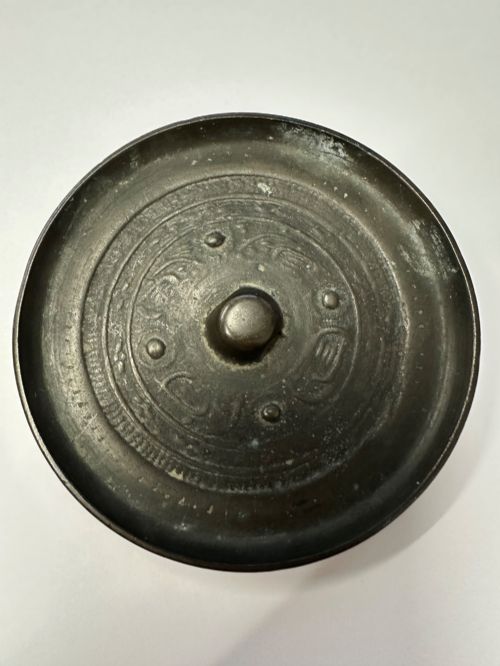
These antique chinese wall mirror pieces bring unmistakable character to a room through intricate craftsmanship and striking historical designs.
Antique Chinese Wall Mirror
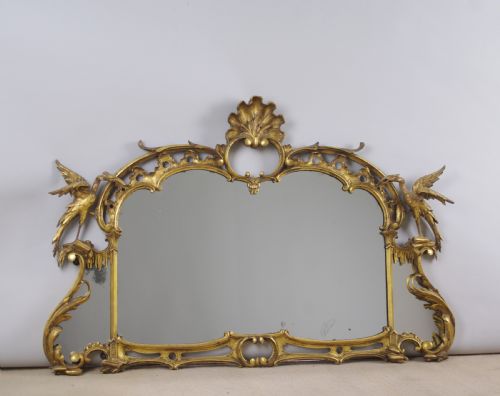
An antique chinese wall mirror combines traditional Eastern motifs with classic Western framing styles, creating a distinct focal point for any interior space. Buyers pursuing this search phrase frequently encounter pieces from the nineteenth century alongside early twentieth-century interpretations.
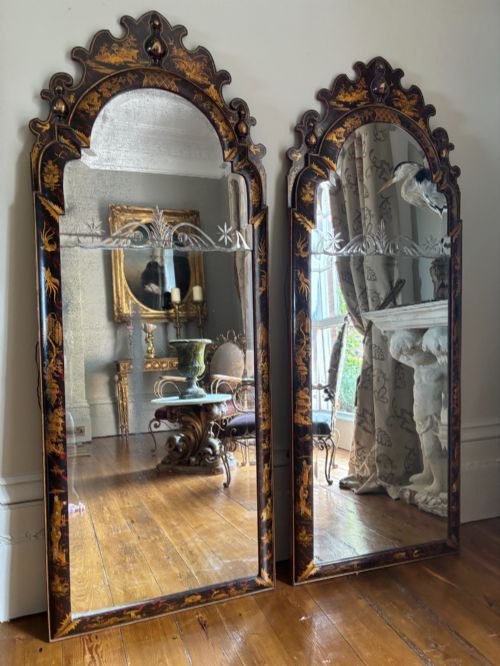
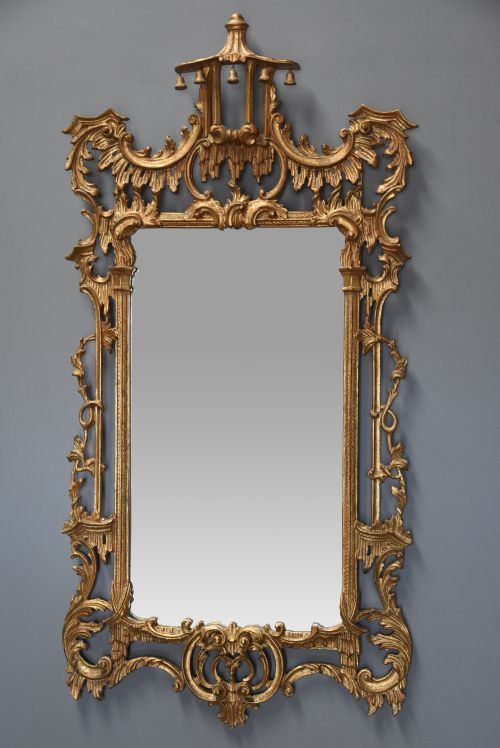
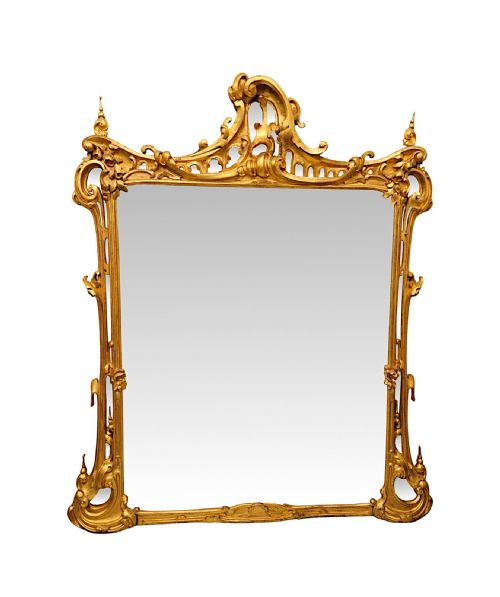
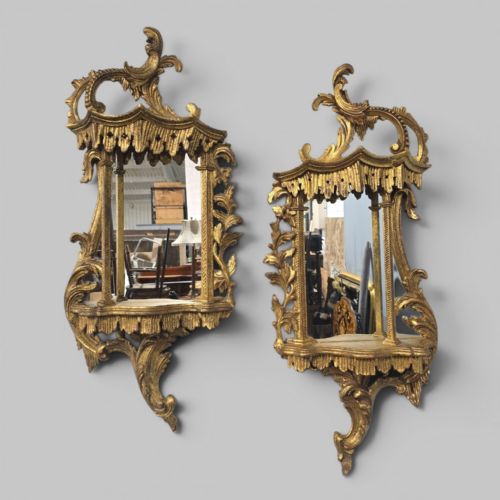
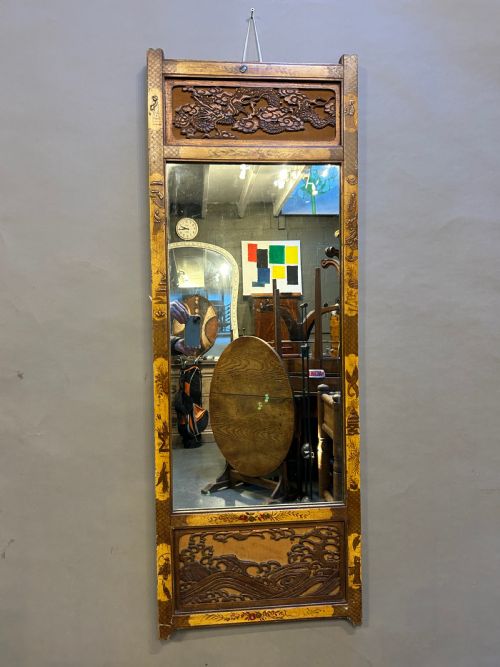
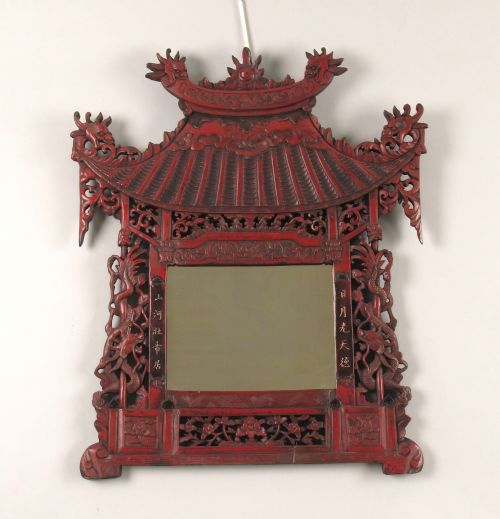
The selection ranges from elaborate giltwood carvings to painted wooden frames and red lacquer pagoda wall mirrors. Overmantel mirrors and pier mirrors appear regularly, offering larger formats suited to grander architectural settings.
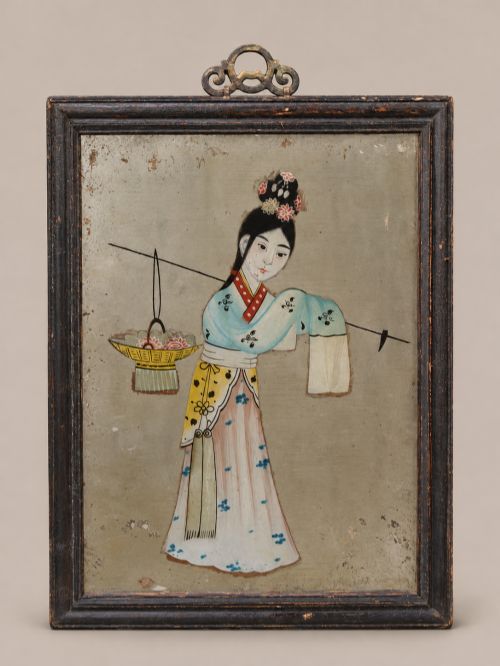
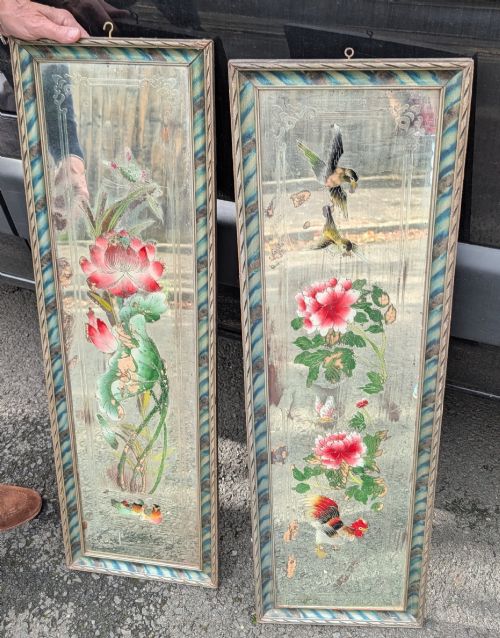
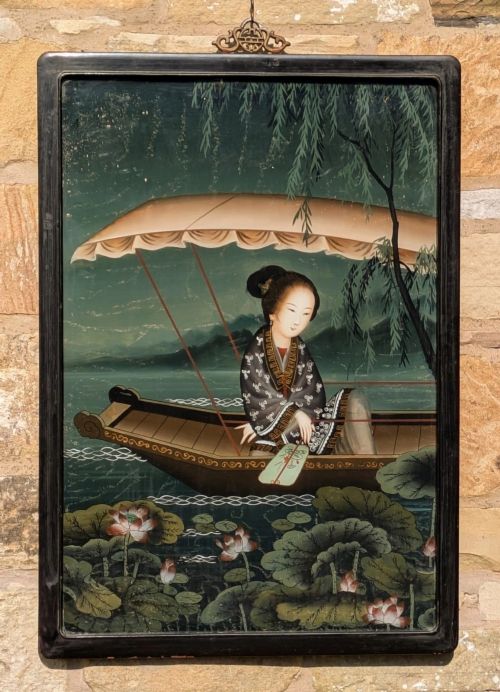
Some examples lean heavily into the Chinese Chippendale aesthetic, while others showcase reverse glass paintings or simpler oriental carved wooden frames. This variety reflects both imported craftsmanship and European adaptations spanning the Victorian and Edwardian eras.
How they were made
Makers utilised carved wood as the primary structural foundation, frequently applying giltwood, paint, or black and red lacquered finishes to achieve rich surface textures. Mirror glass was then set within these decorative frames, occasionally accompanied by detailed reverse glass paintings.
Gilding techniques provided a brilliant reflective quality to intricate frames, while specialised lacquer work introduced depth and durability. Artisans combined traditional joinery with sculptural carving to form elaborate pagodas, dragons, and floral motifs.
Antique Chinese Wall Mirror Retail Price Guide 2026
Typical asking prices for chinese wall mirror among the pieces listed under this phrase on Sellingantiques today, from the lower quarter to the upper quarter. They describe what is for sale here now, not the wider market.
Some dragons gaze out from centuries past with remarkable sternness, keeping watch over twentieth-century hallways.
What varies in quality
The refinement of the carving separates standard decorative items from exceptional examples, particularly in how sharply the wooden motifs and gilt details are defined. Heavier, more intricate structures such as large overmantel mirrors demonstrate greater joinery skill.
The preservation of original painted surfaces, lacquer, and antique mirror glass heavily influences the overall integrity of the piece. Superior examples maintain their original gilding and pictorial depth without excessive modern intervention.
The Antique Chinese Wall Mirror Glossary
- Giltwood
- Wood that has been coated with a thin layer of gold leaf or gilt paint. This technique creates a luminous surface finish popular in ornate frame construction.
- Chinoiserie
- A Western decorative style reflecting Chinese artistic influences. It often incorporates motifs like pagodas, exotic figures, and asymmetrical landscapes.
- Pier Mirror
- A tall mirror designed to hang on the wall space between windows. These pieces often match console tables and reflect additional light into a room.
- Reverse Glass Painting
- An artwork technique where the image is painted directly onto the back of a glass pane. When viewed from the front, the colours appear with heightened gloss and clarity.
- Overmantel Mirror
- A large mirror designed specifically to be hung above a fireplace mantel. These frames frequently span substantial widths to anchor the room's proportions.
Antique Chinese Wall Mirror: Frequently Asked Questions
What is the difference between Chinoiserie and Chinese Chippendale?
Chinoiserie refers broadly to European decorative arts inspired by Chinese motifs, patterns, and aesthetic themes. Chinese Chippendale represents a specific eighteenth-century revival style focusing on intricate fretwork, pagoda silhouettes, and oriental carving.
Both styles overlap frequently within nineteenth-century wall mirrors and decorative furnishings.
How should I clean antique mirror glass?
Use a soft, lint-free cloth lightly dampened with distilled water or a mild, ammonia-free cleaning solution. Avoid spraying liquid directly onto the glass to prevent moisture seeping behind the silvering or into the wooden rabbet.
Gentle wiping preserves the delicate aged patina of vintage mirror plates and prevents damage to surrounding lacquer or gilt.
Are these mirrors suitable for bathrooms?
High humidity and fluctuating temperatures can damage antique wood, lacquer, and delicate gilt finishes over time. Placing these pieces in damp environments risks warping the wood and clouding the original glass.
Dry living areas, hallways, and drawing rooms provide a much safer environment for preserving antique frames.