



Antique Chinese Pottery Vessel
These antique chinese pottery vessel examples span millennia of ceramic history, offering collectors everything from Neolithic earthenware to Qing dynasty porcelain.
Antique Chinese Pottery Vessel
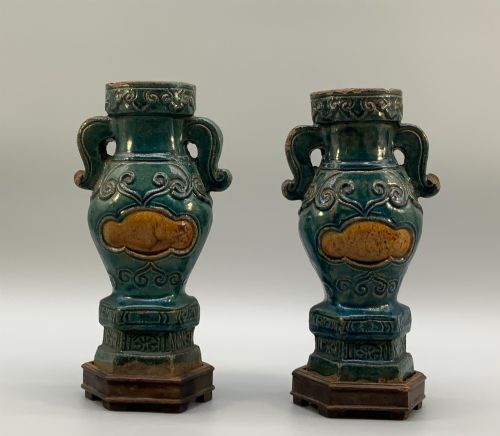
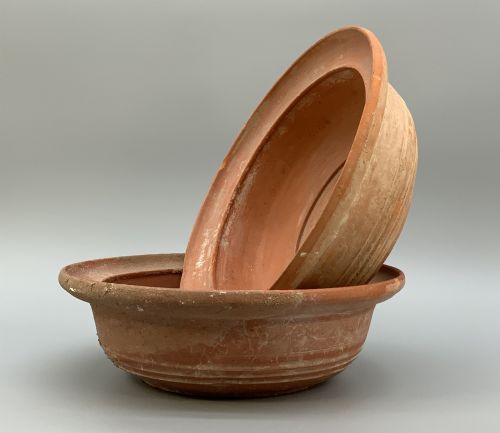
An antique chinese pottery vessel encompasses a wide array of ceramic forms created across Chinese history, from early terracotta and earthenware bowls to later porcelain vases and scholar's water pots. Buyers seeking these items will encounter pieces representing significant dynasties and cultures, including the Han, Ming, and Qing periods, alongside ancient Neolithic examples.
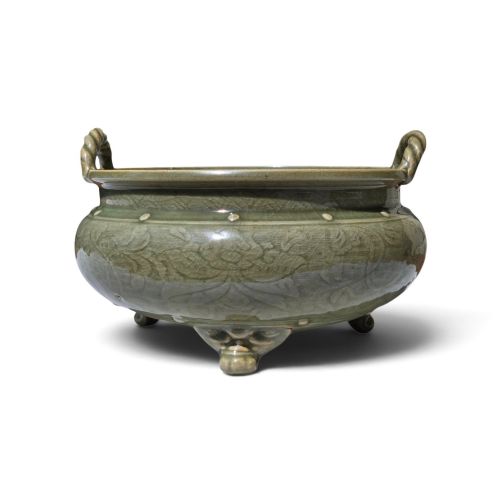
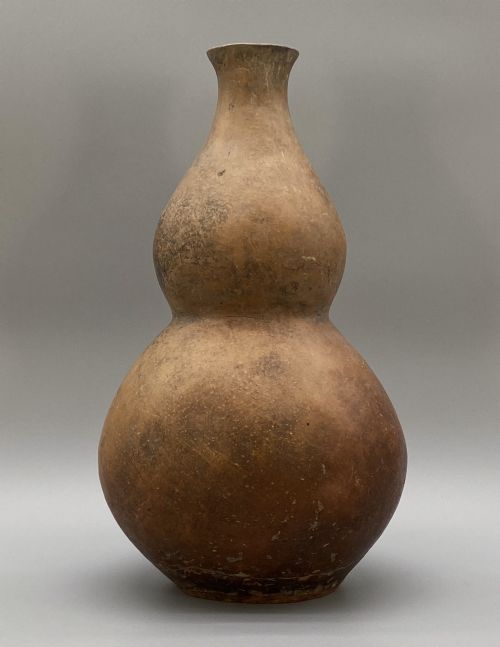
The objects serving this search range from utilitarian jars and basins to monumental tripod censers, double-gourd vases, and delicate brush washers. Stoneware, earthenware, and refined porcelain dominate the selections, each type reflecting the prevailing aesthetic and technological capabilities of its respective era.
How they were made
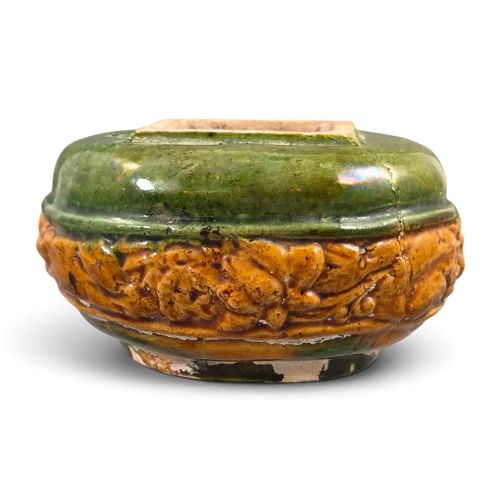
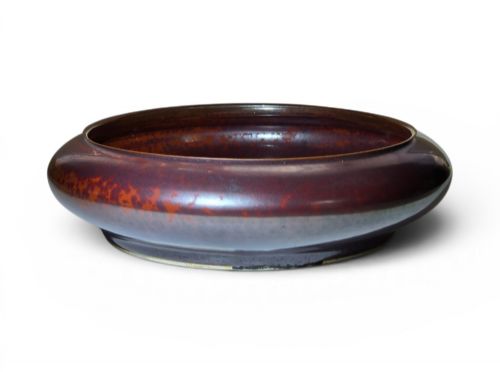
Potters utilised natural clays, terracotta, stoneware, and porcelain bodies, shaping them by hand or on the wheel before applying specialised mineral glazes such as celadon, iron rust, turquoise, and underglaze blue. Firing took place in high-temperature kilns where control over oxidation and reduction produced distinctive colour variations across the ceramic surface.
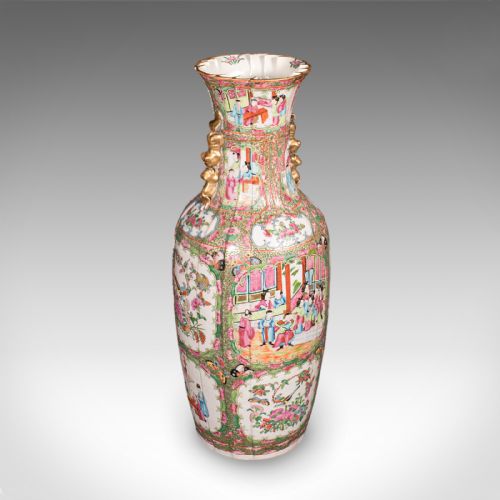
Surface decoration frequently involved incised motifs, carved details, or the application of enamel paints, including famille rose and biscuit enamels. Artisans combined these techniques to achieve smooth monochromatic finishes or intricate pictorial scenes featuring dragons, floral motifs, and figures.
Materials recorded on this page include earthenware, terracotta, stoneware, porcelain, lead glaze, enamel, and celadon.
What varies in quality
Quality in an antique chinese pottery vessel depends upon the refinement of the clay body, the evenness of the glaze application, and the clarity of any hand-painted or incised decoration. Finer pieces demonstrate superior kiln control, resulting in stable surfaces without excessive firing flaws, alongside precise potting that maintains balanced proportions in forms like double-gourd vases or Gu shaped beakers.
The artistic execution of motifs - such as incised phoenix patterns on Qingbai-glazed bowls or detailed underglaze red work - separates standard utility wares from imperial or scholar-grade creations. Superior examples exhibit deliberate, confident brushwork and sophisticated glazing techniques like tea dust or longquan celadon.
Gao Hengsheng·Joseph Holdcroft·Shiwan
The Antique Chinese Pottery Vessel Glossary
- Celadon
- A term for ceramics featuring a pale green or grey-green jade-like glaze. This finish originated in ancient kilns and gained prominence during the Song and Ming dynasties.
- Famille rose
- A palette of opaque enamel colours introduced during the Qing dynasty, dominated by pink or rose tones mixed with other hues.
- Underglaze blue
- A decoration technique where cobalt oxide is painted directly onto the clay body before transparent glaze is applied and fired at high temperature.
- Double-gourd
- A distinctive vessel form shaped like two stacked spheres resembling a gourd fruit, symbolising fortune and longevity.
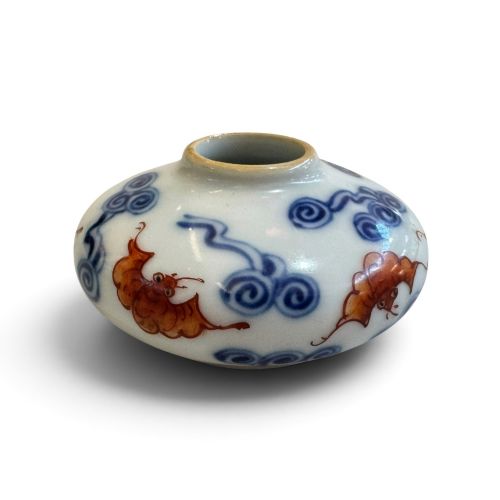
- Brush washer
- A small ceramic vessel utilised by scholars for cleaning writing brushes or holding water for ink preparation.
Antique Chinese Pottery Vessel: Frequently Asked Questions
How do I date an antique chinese pottery vessel?
Dating relies on stylistic markers, clay composition, glaze types, and any reign marks present on the base. Comparing the potting technique and decorative motifs to established dynastic standards helps determine the period.
Changes in imperial taste and kiln technology across dynasties like the Ming and Qing provide clear chronological indicators for many ceramic forms.
What is the difference between porcelain and earthenware?
Porcelain is made from refined white kaolin clay fired at extremely high temperatures, resulting in a vitrified, non-porous body that often rings when struck. Earthenware utilises coarser clay fired at lower temperatures, remaining porous unless glazed.
Earthenware pieces like Han dynasty basins represent much earlier production methods than later porcelain vases.
How were scholar's objects used?
Scholar's objects, including water pots, brush washers, and brush pots, were utilised by the literate elite for traditional Chinese calligraphy and painting. These items sat on scholar's desks alongside inkstones and brushes.
Many of these vessels feature understated glazes like Qingbai or celadon, reflecting the refined tastes of the scholar class.
What does Qingbai glaze look like?
Qingbai glaze is a pale, transparent blue-green glaze applied over a white porcelain body. It pools slightly in carved or incised recesses, creating a subtle contrast.
This glaze type appears on conical bowls and granary models, highlighting incised floral or animal motifs beneath the surface.