


Antique Chinese Paper Art
Antique chinese paper art brings delicate botanical, figural and maritime subjects into the room, captured by traditional painters for export and domestic use.
Antique Chinese Paper Art
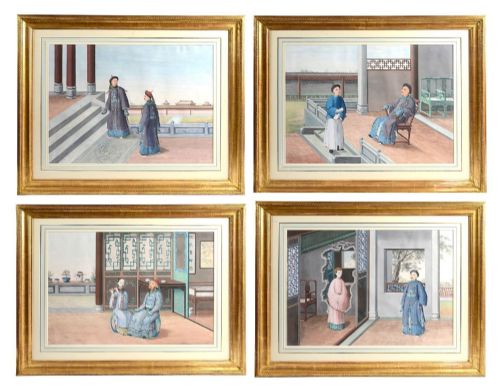
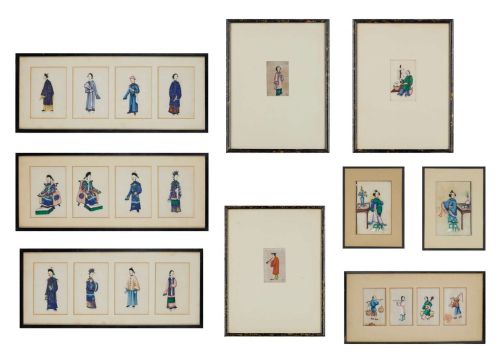
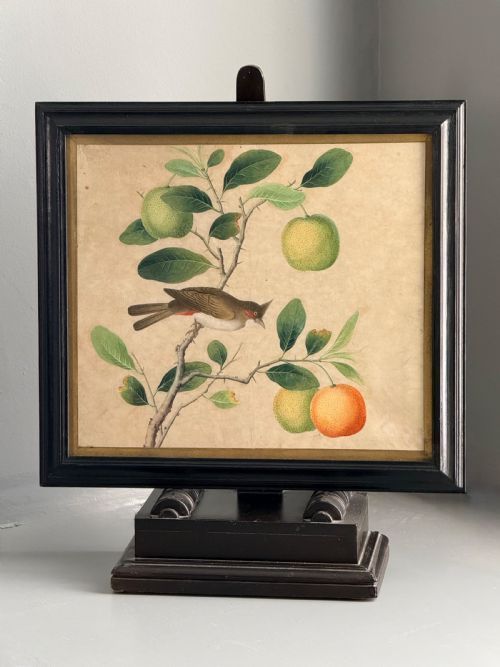
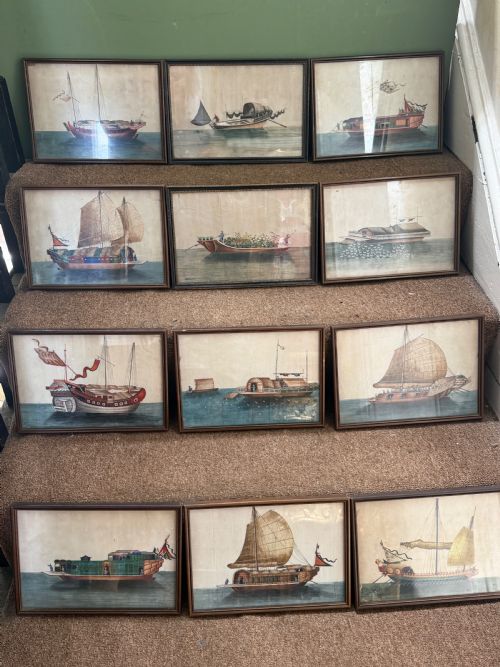
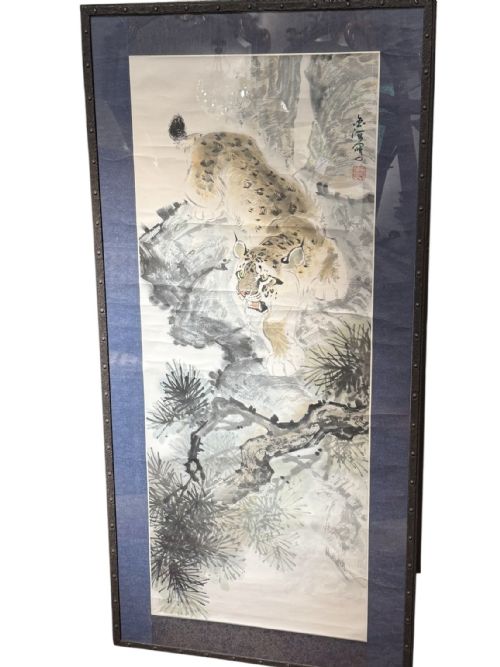
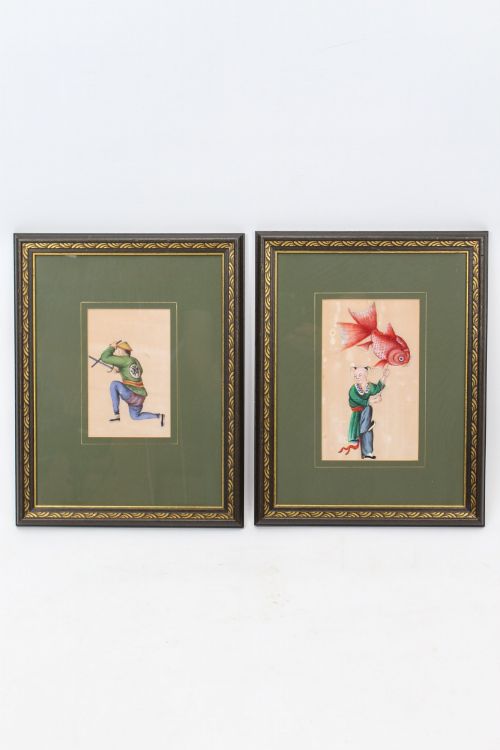
When you search for antique chinese paper art, you encounter hand-painted works executed on fragile media such as pith paper, sometimes miscalled rice paper, alongside traditional scroll paintings. These pieces capture historical scenes, junks, flora, fauna and figures.
The selections on this page span from the eighteenth century through the Edwardian period and early twentieth century. You meet sets of framed pith paintings, individual ancestor portraits, gouache works on silk and watercolour scrolls.
Chinese export styles dominate the material, reflecting the historical trade between China and Western markets. Individual watercolours and sets of varying lengths appear frequently.
How they were made
Artists painted primarily on pith paper, a spongy cellular material sliced from the stem of the Tetrapanax papyrifer plant, as well as on silk and standard paper grounds. They applied gouache and watercolour pigments using fine brushes to achieve vivid surface colour.
Inks provided the foundational lines for scroll paintings and detailed figural works. Many surviving pieces retain their original wood and glass framing, which protected the delicate painted surfaces over centuries.
Artists sometimes painted bustling harbour scenes of junks specifically to amuse homesick sailors returning from Canton.
What varies in quality
The refinement of the brushwork and the vibrancy of the pigments separate ordinary decorative examples from superior works. Pith paper absorbs colour differently than standard paper, and master painters controlled the heavy gouache without cracking the brittle ground.
Completeness of a set alters the character of the piece, as collections of twelve or twenty-one paintings maintain a narrative consistency that single leaves lack. Original framing and the stability of the paper substrate also define the grade of the piece.
The Antique Chinese Paper Art Glossary
- Pith paper
- A delicate painting medium formed from the pith of the Tetrapanax papyrifer plant rather than pressed rice fibres. It possesses a velvety texture that accepts opaque gouache brilliantly.
- Gouache
- An opaque water-based pigment used extensively in export paintings for its dense, matte finish and rich colour saturation. It allows for sharp detail on delicate grounds.
- Scroll painting
- A traditional format of painting executed on paper or silk mounted to flexible backing materials for vertical hanging or rolling. These works often depict deities, landscapes or animals.
- Chinese Export
- Art produced in China specifically for foreign markets in Europe and America during the Qing dynasty and later periods. It blends traditional Chinese motifs with Western aesthetic preferences.
Antique Chinese Paper Art: Frequently Asked Questions
How should I display pith paper art?
Keep pith paper paintings away from direct sunlight to prevent the gouache pigments from fading and the fragile cellular paper from drying out. Framing under glass protects the delicate surface from ambient moisture and physical contact.
Ensure the room maintains stable humidity levels because sudden environmental changes cause the paper ground and original wood frames to expand or contract.
What is the difference between pith paper and rice paper?
Pith paper is sliced from the spongy interior of the Tetrapanax stem, resulting in a thick, velvety surface that absorbs water-based paints with a distinct luminous quality. True rice paper is manufactured from pressed vegetable fibres and lacks this cellular structure.
Historic export paintings universally utilise pith rather than rice, despite the common Victorian misnomer that persisted among collectors.
How do I date an ancestor painting?
Dating relies on the style of the robes, the headwear depicted, the pigments utilised and the construction methods of the original wooden frame. Eighteenth-century examples display different textile patterns and facial proportions compared to late nineteenth-century pieces.
Examining the backboards, fixings and paper backing provides further clues to establish the period of creation.
Why are some paintings done on silk?
Silk served as a traditional and prestigious support for Chinese scroll paintings and fine art long before the widespread adoption of paper. It permitted smooth ink lines and subtle colour gradations favoured by scholar-painters.
Export artists also adopted silk to appeal to Western buyers seeking luxury decorative items.