

Antique Chinese Painting
When you search for an antique chinese painting, you encounter delicate works on silk, paper, and pith depicting birds, flowers, and figures from past centuries.
Antique Chinese Painting
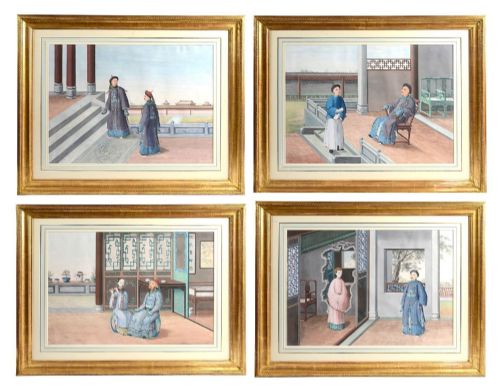
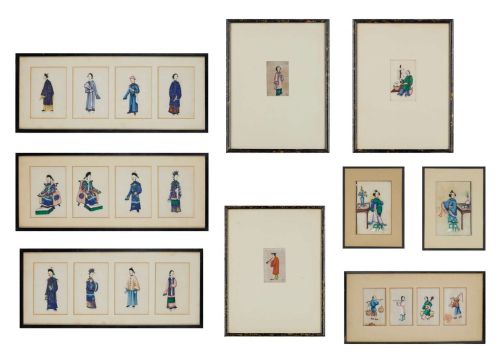
Buyers seeking an antique chinese painting typically encounter works rendered in watercolor, ink, or gouache upon traditional supports such as silk, paper, and pith. These pieces often originate from the eighteenth and nineteenth centuries, spanning periods like the Qing dynasty and later decades.
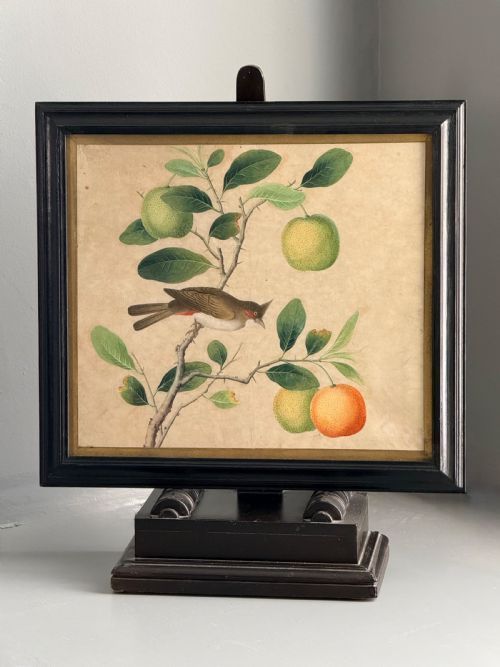
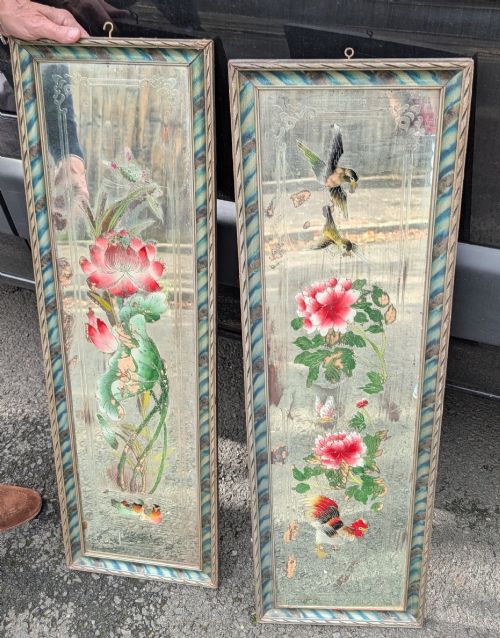
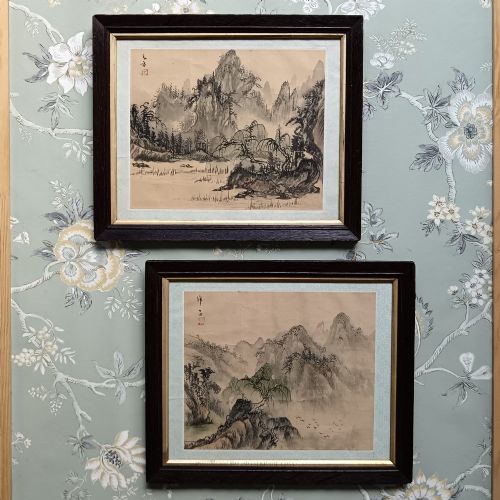
The subjects range from intimate studies of birds among branches and butterflies near blossoms to detailed figural scenes, landscapes, and ancestral scrolls. Many of these artworks were created as export items or for domestic appreciation, framed individually or preserved in original scroll formats.
Surviving examples demonstrate sustained artistry through delicate brushwork and nuanced colour palettes, whether executed by individual artists or specialised workshops. Collectors select these works to bring historical depth and traditional East Asian aesthetics into interior spaces.
Materials and technique
Makers of these works utilised organic supports, applying mineral and vegetable pigments onto woven silk, absorbent paper, or fragile pith paper cut from plant pith. Ink and watercolor applications required precise brush control, as absorbent surfaces allowed little room for correction.
Paintings on silk frequently employed mounted scrolls or rigid frames, utilising fine threads and textiles for borders. Gouache and watercolor compositions on pith paper demanded careful handling due to the delicate nature of the pith medium, which captures brilliant hues while remaining sensitive to moisture.
Pith paper paintings often harbour tiny, trapped botanical fibres that reveal the organic origin of their unusual canvas.
Factors determining quality
Quality in these works rests upon the precision of the brushwork, the expressiveness of the subject matter, and the harmony of the composition. Masterful execution appears in the fine rendering of avian feathers, botanical details, and human expressions.
Condition and preservation dictate the desirability of surviving pieces, particularly given the fragility of silk and pith. Intact pigments, minimal fading, and original mountings or frames distinguish superior examples from those compromised by heavy wear or improper restoration.
The Antique Chinese Painting Glossary
- Silk painting
- An artwork executed on woven silk fabric, valued for its smooth texture and ability to hold luminous mineral pigments.
- Shan shu
- A traditional style of landscape painting depicting mountains, rivers, and natural scenery, often accompanied by ink brushwork.
- Gouache
- An opaque water-based pigment utilised to achieve dense, saturated colour on paper and pith supports.
- Export painting
- Art produced specifically for foreign markets, frequently documenting local trades, ships, and daily scenes for Western visitors.
Antique Chinese Painting: Frequently Asked Questions
How should I display silk paintings?
Display silk works away from direct sunlight to prevent the fading of natural pigments and the degradation of delicate textile fibres. Acid-free mounting and UV-filtering glass help preserve these fragile items over time.
Maintain stable indoor humidity levels to protect both the silk support and any accompanying wooden or lacquer frames from warping or mildew.
What is pith paper?
Pith paper is derived from the pith of the Tetrapanax papyrifer shrub, sliced into thin sheets that absorb water-based colours with exceptional brilliance. Artists utilised this spongy material extensively during the nineteenth century for portable export art.
Because the material is naturally brittle and sensitive to pressure, surviving pieces require careful framing behind protective glazing.
How can I date these paintings?
Dating relies upon examining the material supports, pigment types, mounting styles, and stylistic markers associated with specific periods like the Qing dynasty. Archival clues such as signatures, seals, or accompanying collector labels also provide chronological context.
Comparing brush techniques with dated examples in museum collections helps narrow down the probable decade of creation.
Were these paintings made for export?
Many surviving works, particularly those depicting junks, trade scenes, and botanical studies on pith, were created explicitly for the Western export market. Other pieces, such as ancestral scrolls and traditional ink studies, served domestic purposes within Chinese households.
Both categories demonstrate the technical skill and commercial output of historical painting workshops.