

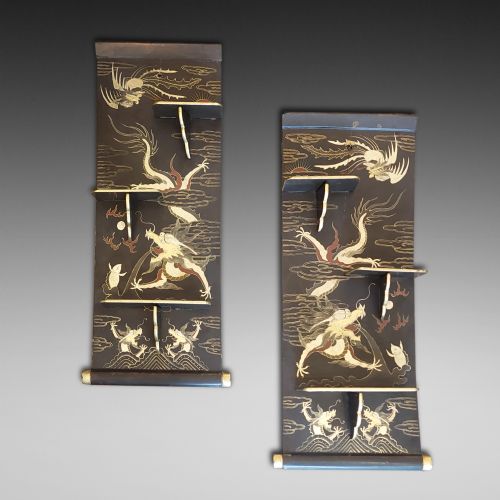
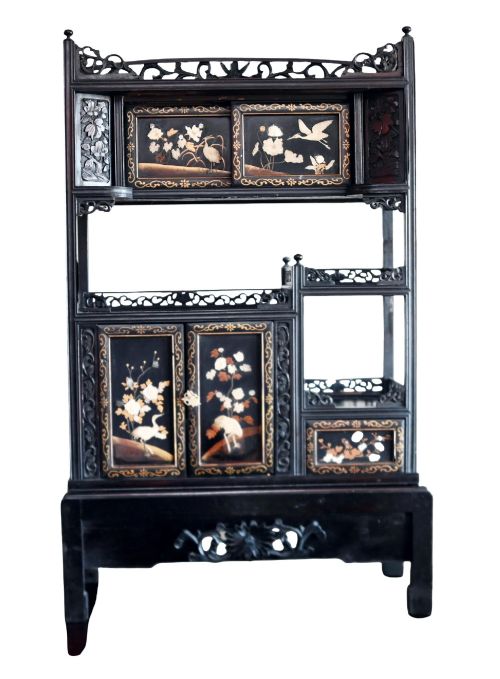
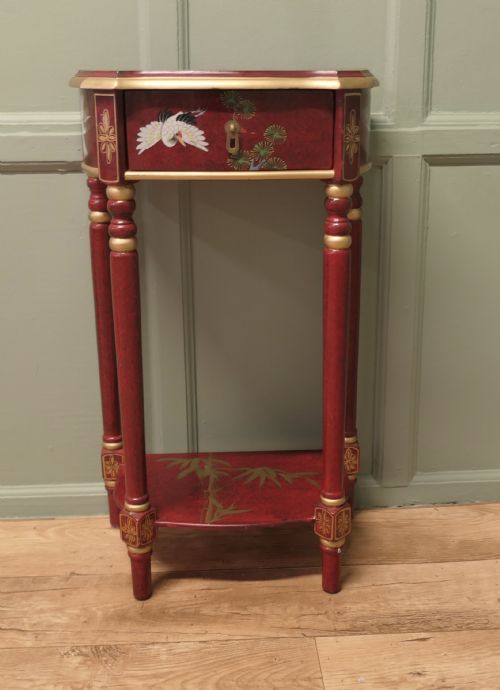
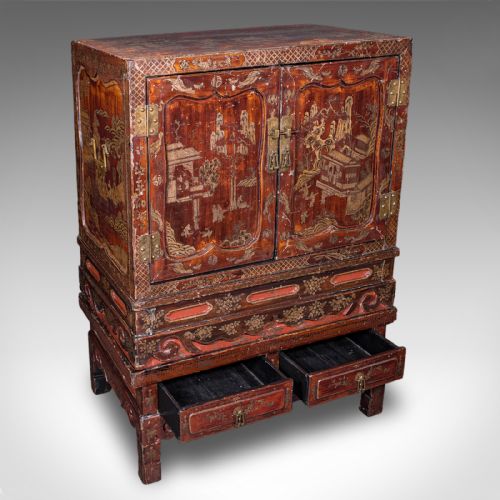



Antique Chinese Lacquer Stand
An antique chinese lacquer stand brings a rich layer of hand-applied finish and Eastern motif into a room, offering both practical surface space and distinct historical character.
Antique Chinese Lacquer Stand
When you search for an antique chinese lacquer stand, you encounter pieces designed to elevate objects, serve as small tables, or organise garments. The selection spans plant stands, pedestal tables, side tables, and specialised display furniture from various historical periods.
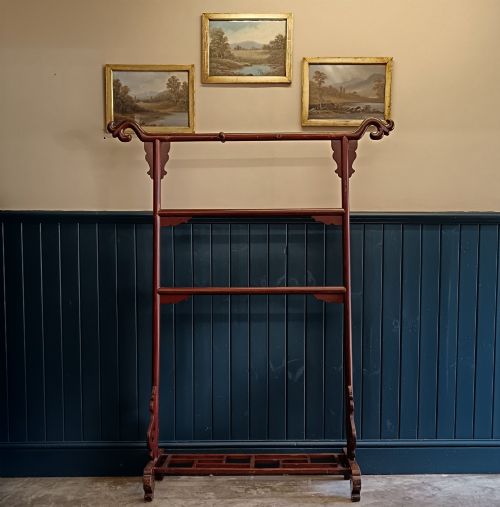
The objects appearing here stretch from the eighteenth century through the nineteenth century and into the early twentieth century. You will find forms ranging from carved wooden stands and side tables to plant pedestals and robe racks.
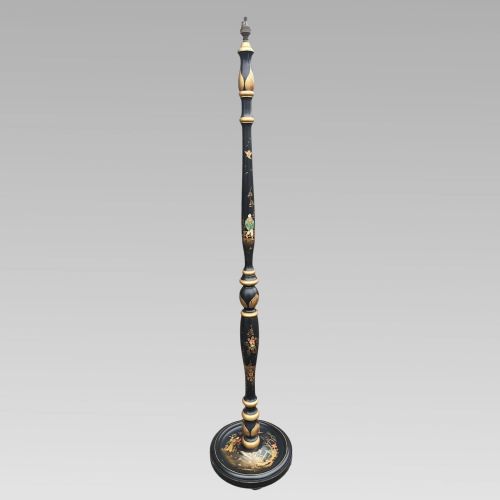
Stylistically, the pieces encompass Chinese export work, Qing Dynasty items, and later Chinoiserie interpretations created in Victorian and Edwardian Britain alongside Chinese Republic period pieces.
How these stands were constructed
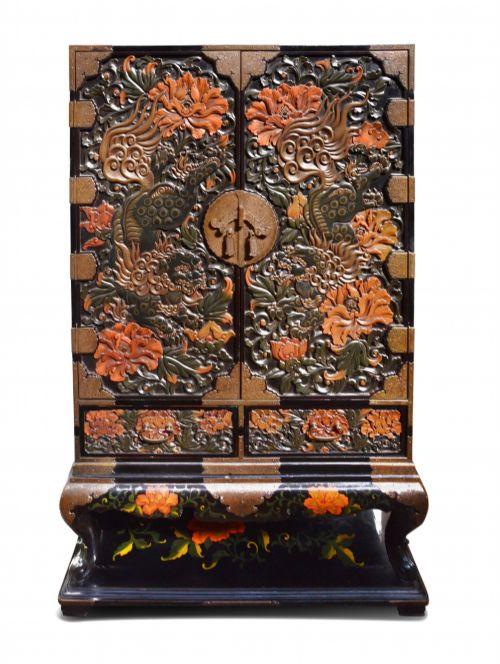
Makers built these pieces primarily from wood, applying successive coats of lacquer to create a durable and lustrous surface. Many examples incorporate intricate carving directly into the lacquered wood or utilise applied pigment to build up detailed figurative and floral scenes.
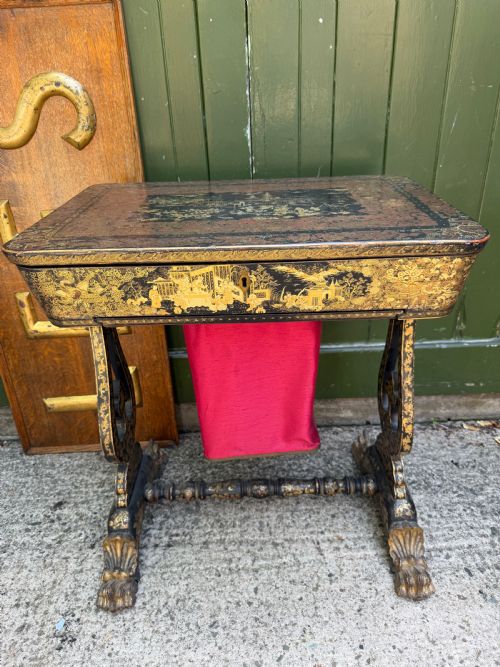
Decoration frequently involves gold leaf and gilt work, illuminating the dark lacquer grounds with metallic highlights. Certain items integrate brass hardware, hardstone mounts, or cloisonné elements to accent the wooden and lacquered structure.
Antique Chinese Lacquer Stand Retail Price Guide 2026
Typical asking prices for chinese lacquer stand among the pieces listed under this phrase on Sellingantiques today, from the lower quarter to the upper quarter. They describe what is for sale here now, not the wider market.
Among the furniture stands and cabinets, the listings include a gong on a stand and monumental temple vases reaching eighty-six inches.
What separates the finest examples
Quality rests in the depth and stability of the lacquer surface and the crispness of any carved detail. Superior pieces display meticulous application of gold leaf, pigment, and decorative motifs that remain integrated with the underlying wooden structure.
The integrity of the form, whether a delicate plant pedestal or a substantial cabinet on stand, dictates the standing of the piece. Well-preserved joinery and balanced proportions separate exceptional examples from standard utilitarian items.
The Antique Chinese Lacquer Stand Glossary
- Lacquer
- A natural resin applied in numerous thin coats to wooden objects to produce a hard, glossy, and protective finish. It forms the primary visual and structural skin of these stands.
- Chinoiserie
- European decorative style reflecting Chinese artistic influences, prevalent in furniture and design from the seventeenth century onwards. It appears in both imported goods and domestic British revivals.
- Cinnabar lacquer
- A technique involving numerous layers of red lacquer carved with intricate designs. This method produces deep relief patterns across the surface of boxes, tables, and cabinets.
- Chinese export
- Goods manufactured in China specifically for Western markets and export trade during the Qing dynasty and later periods. These pieces often blend Eastern construction with Western furniture forms.
- Gilt
- A thin layer of gold or gold-like material applied to the surface of wood or lacquer. It highlights carved details and pictorial scenes.
Antique Chinese Lacquer Stand: Frequently Asked Questions
How do I identify an 18th century stand?
Eighteenth century pieces typically display hand-mixed lacquers, deep export patination, and traditional joinery methods distinct from later mass production. The wear patterns on these older surfaces show natural ageing from centuries of use.
Examining the underlying wood species and the method of gilt application helps confirm the period. Earlier export pieces often carry specific stylistic markers associated with Qing Dynasty production.
What is the difference between export and domestic styles?
Chinese export items were made in workshops within China for international buyers, incorporating specific Western furniture requirements with traditional Asian motifs. Chinoiserie and revival pieces were often made in Britain using European forms decorated in an Asian style.
Distinguishing between the two involves looking at the construction timbers, the composition of the lacquer, and the interpretation of the decorative scenes.
Where should I place a lacquer stand?
These stands suit display duties in living rooms, hallways, or studies, functioning as plant pedestals, side tables, or support for decorative objects. Their dark finishes and gilded highlights provide contrast against lighter wall colours.
Positioning them away from direct sunlight and extreme temperature fluctuations preserves the integrity of the lacquer and prevents timber movement.
How do I care for antique lacquer?
Maintenance requires gentle dusting with a soft, dry cloth and the avoidance of chemical polishes or abrasive cleaners. Keeping the furniture in a stable environment with moderate humidity prevents the lacquer from cracking.
Protecting the surfaces from moisture and direct heat ensures the longevity of the finish and preserves the underlying gilding and pigment.