

Antique Chinese Frame
These antique chinese frame pieces unite delicate paintings, textiles and mirrors within traditional wooden surrounds for any room.
Antique Chinese Frame
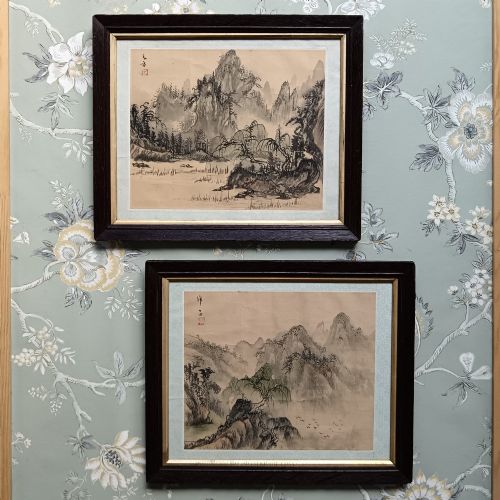
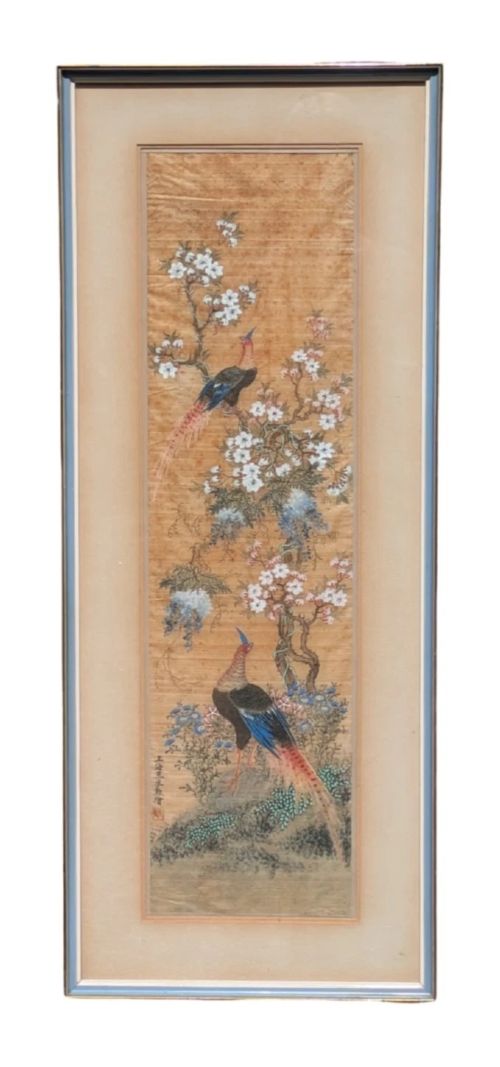
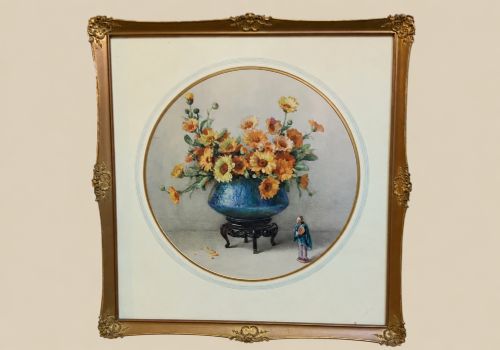
When you search for an antique chinese frame, you find an assortment of wall art, mirrors and textiles housed in period surrounds. The items on this page span the eighteenth, nineteenth and early twentieth centuries, bringing together diverse decorative objects from different workshops.
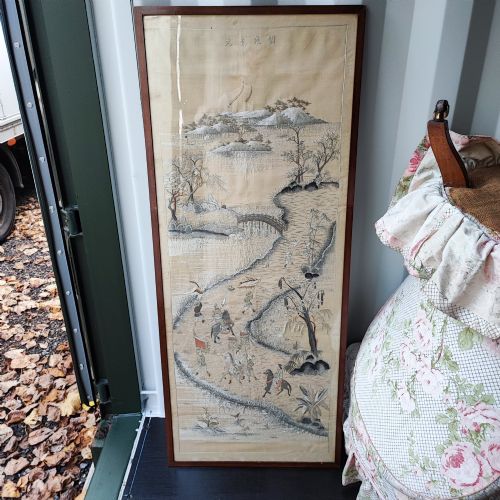
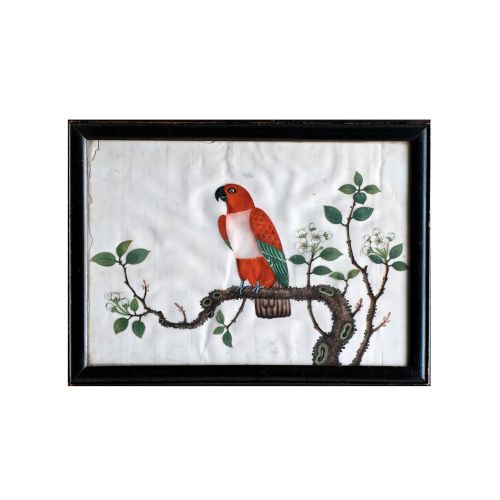
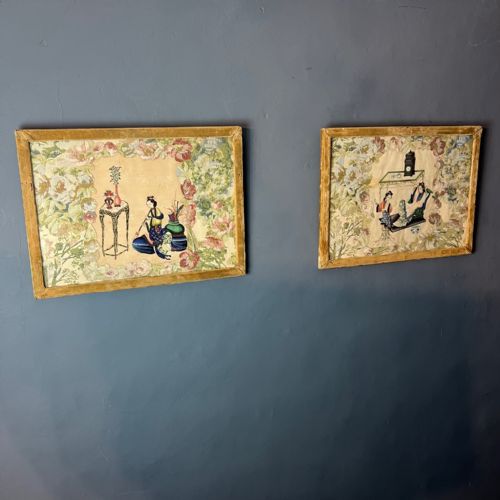
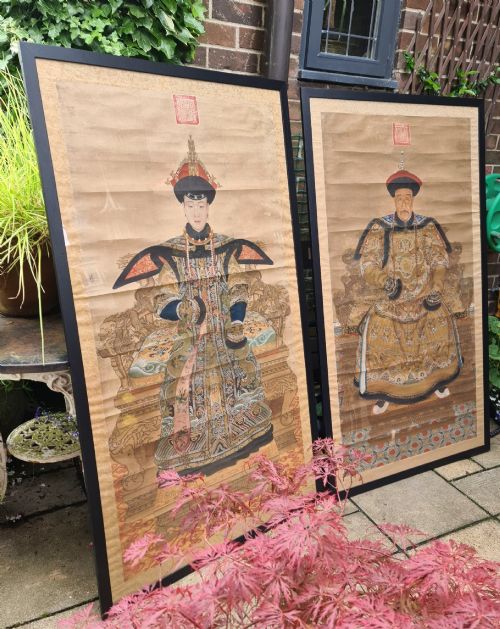
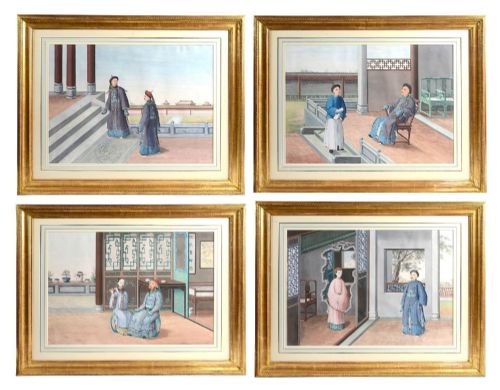
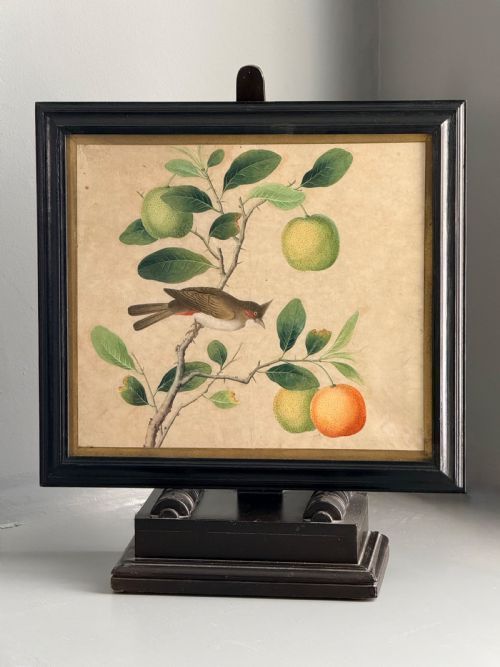
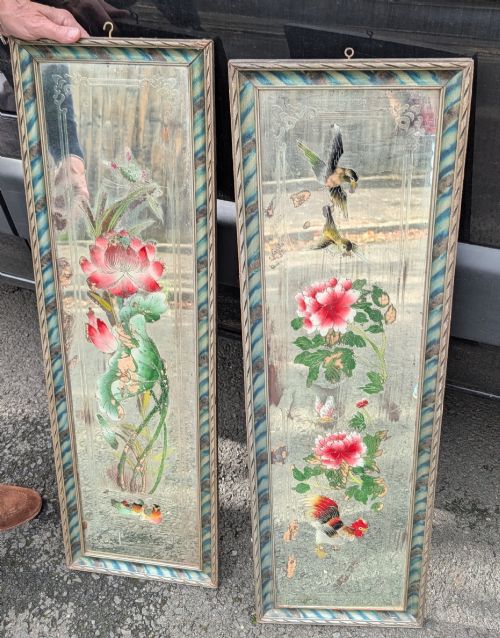
You are most likely to meet nineteenth-century works on this page, particularly gouache on pith paper, silk paintings and reverse paintings on glass. These are frequently retained in their original wooden or lacquered housings, reflecting the traditional craftsmanship of the period.
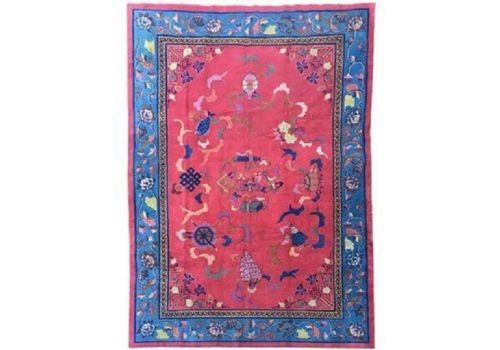
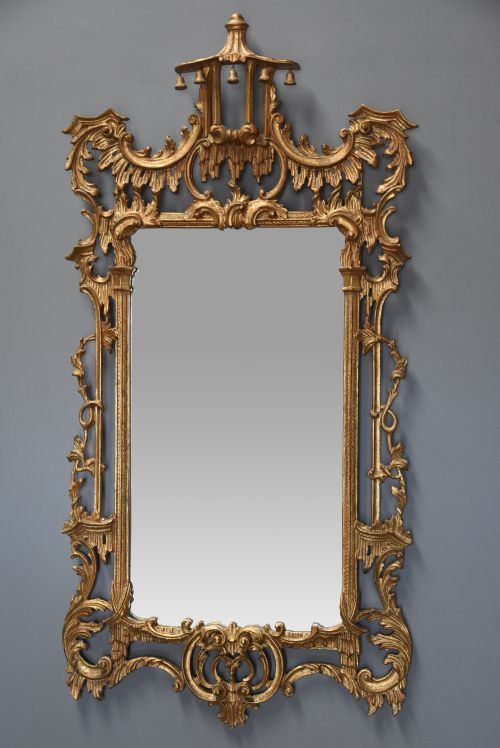
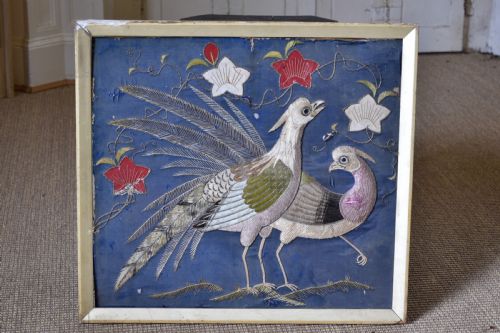
The selection also includes mirrors and embroidered panels spanning Qing dynasty and Chinese export styles. Each object displays the distinct aesthetic and material choices typical of its origin and era.
Materials and construction
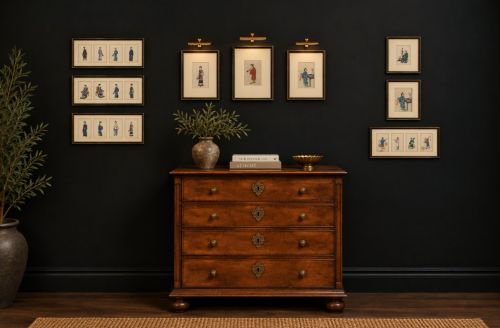
These works employ organic media including silk, pith paper and gouache, often secured behind glass within hardwood or lacquered wooden surrounds. Artisans applied pigments by hand to delicate surfaces, creating detailed depictions of figures, junks and landscapes.
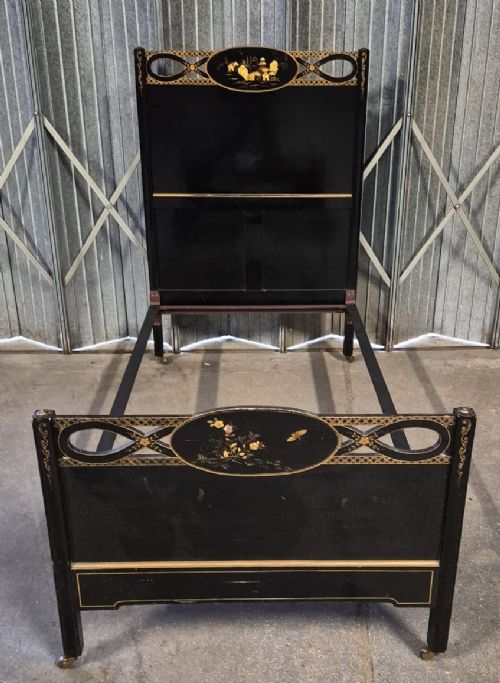
Frames and structural elements utilise traditional joinery and finishes such as red lacquer or gilt wood. The physical makeup combines fragile painted components with robust timber housings designed to protect the art within.
Antique Chinese Frame Retail Price Guide 2026
Typical asking prices for chinese frame among the pieces listed under this phrase on Sellingantiques today, from the lower quarter to the upper quarter. They describe what is for sale here now, not the wider market.
Several panels preserve the curious gaze of hand-sewn mandarin ducks and snow leopards staring across the centuries.
Evaluating craftsmanship and condition
Quality across these pieces rests on the precision of the brushwork and the preservation of the original materials. Finer examples display crisp detail in silk embroideries and gouache paintings, alongside intact lacquer or original gilding on the surrounds.
The relationship between the artwork and its housing also dictates the standard of the piece. Items retaining their original glass, backboards and framing elements command greater attention from collectors than those with later replacements.
The Antique Chinese Frame Glossary
- Pith paper
- A delicate material derived from the pith of the Tetrapanax papyrifer plant, commonly used for nineteenth-century watercolours. It has a velvety texture that absorbs gouache pigments distinctively.
- Reverse painting on glass
- A technique where artists paint directly onto the rear side of a glass panel, so the image is viewed correctly through the front. This method produces a brilliant, glossy finish.
- Rank badge
- A square embroidered patch worn by officials in imperial China to denote their status. These textiles display intricate depictions of birds or animals using fine silk threads.
- Chinoiserie
- European stylistic interpretation of Chinese artistic motifs and techniques, popular in furniture and decorative mirrors. It blends Asian themes with Western cabinet-making forms.
- Gouache
- An opaque water-based pigment used extensively in trade paintings for its vibrant colour density. It provides flat areas of rich hue on paper and silk.
Antique Chinese Frame: Frequently Asked Questions
What is pith paper art?
Pith paper paintings are delicate nineteenth-century watercolours created on a natural plant-based medium. They frequently depict figures, trades and customs for the export market.
Because the material is fragile, these works are typically preserved under glass within protective surrounds to prevent damage from handling and moisture.
How do I care for silk paintings?
Silk paintings require protection from direct sunlight and fluctuating humidity to preserve the textile fibres and pigments. Keeping them behind secure glass minimises environmental exposure.
Gentle dusting of the exterior frame is sufficient, avoiding any moisture or chemical cleaners on the delicate silk surface within.
What is a reverse glass painting?
A reverse glass painting is an artwork applied directly to the back of a glass sheet, creating a reflective and luminous surface when viewed from the front. This technique was popular for export mirrors and pictures.
The glass itself acts as the protective glaze for the pigments underneath, requiring careful handling of the edges and the original frame.
How do I date these pieces?
Dating relies on stylistic markers, material analysis and the construction methods of the housing. Nineteenth-century pieces often exhibit specific Qing dynasty motifs and traditional framing techniques.
Documentation, signatures and the specific type of paper or silk used further help narrow down the period of creation.