



Antique Chinese Centerpiece Bowl
An antique chinese centerpiece bowl commands attention on a dining table, bringing hand-painted colour and substantial weight to a room.
Antique Chinese Centerpiece Bowl
An antique chinese centerpiece bowl appears in various heavy forms, including punch bowls, jardinieres, and decorative baskets made for display or service. These items span periods from the eighteenth century through the nineteenth and twentieth centuries, reflecting diverse trade and domestic uses.
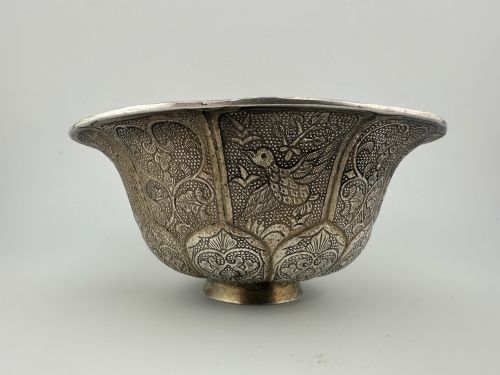
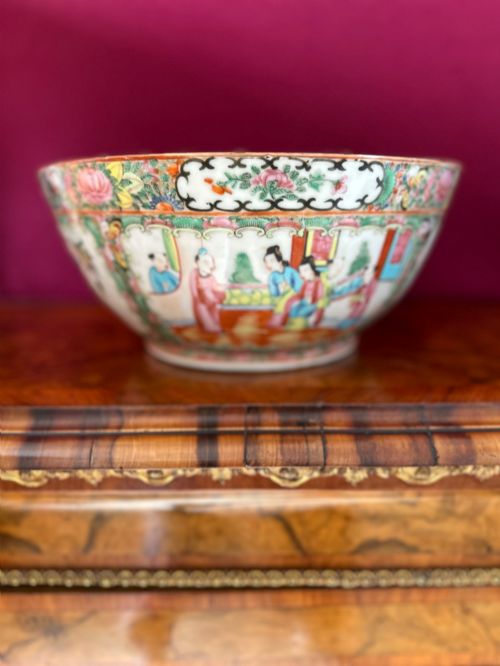
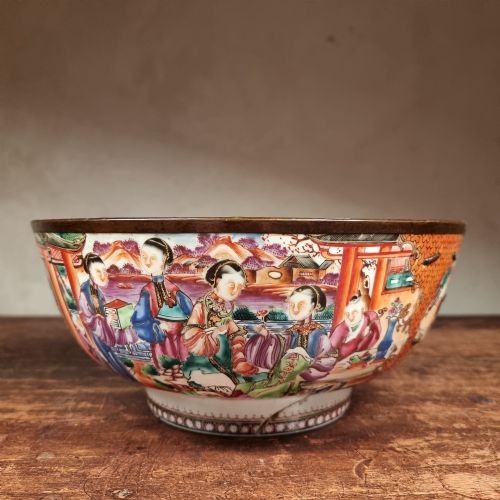
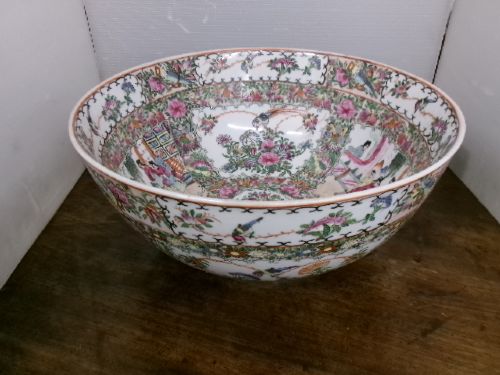
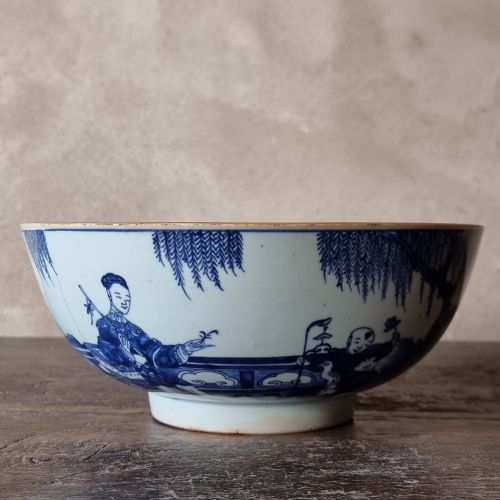
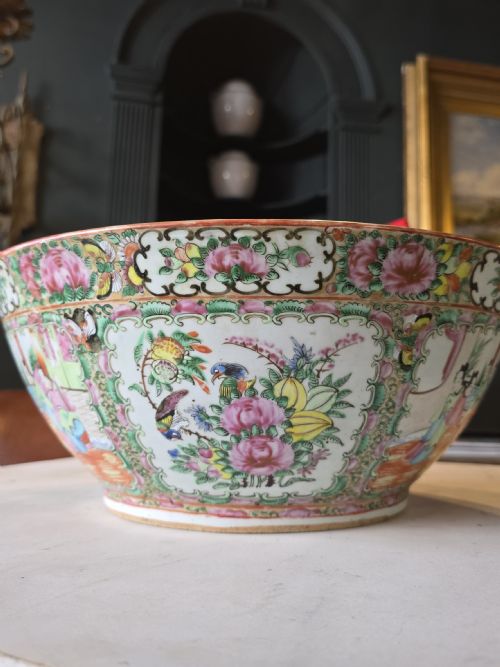
The most common examples encountered in this selection are Cantonese Famille Rose and Chinese Export porcelain bowls, often hand-painted with figural or floral motifs. Pieces range from large porcelain vessels to heavy bronze and white metal bowls dating from the Victorian era and the Qing Dynasty.
Materials and Construction
Potters and metalsmiths shaped these items using porcelain, bronze, white metal, and silver, applying enamels, gold leaf, and cobalt blue pigments by hand. Porcelain vessels rely on high-firing techniques to achieve durable bodies suitable for intricate hand-painted decoration.
Bronze and metal bowls utilise casting methods, sometimes incorporating cloisonne work or ormolu mounts to secure the heavy structure.
Antique Chinese Centerpiece Bowl Retail Price Guide 2026
Typical asking prices for chinese centerpiece bowl among the pieces listed under this phrase on Sellingantiques today, from the lower quarter to the upper quarter. They describe what is for sale here now, not the wider market.
Listings feature items spanning the eighteenth, nineteenth, and early twentieth centuries, constructed from porcelain, bronze, white metal, and silver.
Assessing Quality
Quality reveals itself in the precision of the hand-painted brushwork, the depth of the enamel colours, and the crispness of the porcelain or metal casting. Superior examples display carefully rendered motifs such as birds, florals, and figural scenes without blurring or surface wear.
The thickness and weight of the material, whether heavy bronze or fine export porcelain, contribute significantly to the tactile presence and structural integrity of the vessel.
Samson Of Paris·Wedgwood
The Antique Chinese Centerpiece Bowl Glossary
- Famille Rose
- A palette of opaque pink and rose enamel colours introduced to Chinese ceramics during the Qing Dynasty. This style is frequently found on nineteenth-century punch bowls and decorative dishes.
- Chinese Export
- Porcelain and metal objects manufactured in China specifically for Western markets. These items often blend traditional Eastern forms with motifs requested by European and American buyers.
- Jardiniere
- A large decorative pot or bowl designed to hold plants or flowers. In this selection, such pieces appear in porcelain and heavy bronze formats.
- Punch Bowl
- A wide, deep vessel originally used for mixing and serving alcoholic beverages during social gatherings. They often feature elaborate hand-painted interior and exterior scenes.
- Cloisonne
- An ancient metalwork technique where enamel is applied to compartments created by soldered wire strips. This method appears on heavy bronze vessels from the nineteenth century.
Antique Chinese Centerpiece Bowl: Frequently Asked Questions
What were antique chinese centerpiece bowls used for?
These large vessels served practical dining functions, such as holding punch or displaying fruit and floral arrangements on formal tables. Households also utilised them simply as decorative centrepieces to showcase wealth and taste.
Over time, their primary role shifted toward interior display, preserving intricate hand-painted designs for collectors and interior decorators.
How do I style a centerpiece bowl at home?
Place the bowl centrally on a large dining table, sideboard, or entrance hall surface where its scale and colour can anchor the room. Avoid overcrowding the surrounding space so the painted motifs remain visible from multiple angles.
For heavy bronze or metal examples, position them on sturdy wooden furniture that can support their substantial weight. Keep direct sunlight away from enameled porcelain to protect the pigments.
How do I distinguish eighteenth-century pieces from later periods?
Eighteenth-century porcelain bowls typically display specific potting characteristics, thinner foot rims, and distinct pigment hues associated with early export wares. Later nineteenth-century items, including Victorian and Qing Dynasty examples, often feature denser bodies and heavier enamel applications.
Comparing the style of the hand-painted figures and floral borders against dated pieces provides further clues to the correct period.