

Antique Chinese Blue Vase
An antique chinese blue vase brings centuries of kiln mastery into a room, offering deep cobalt tones and painted narratives that hold the eye.
Antique Chinese Blue Vase
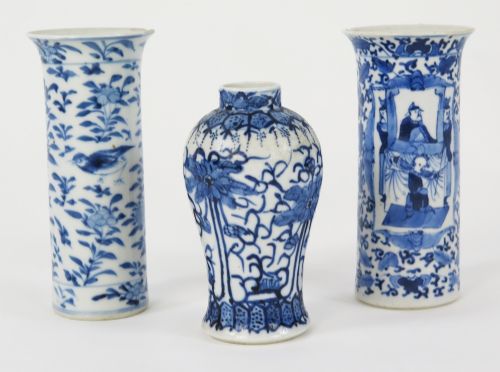
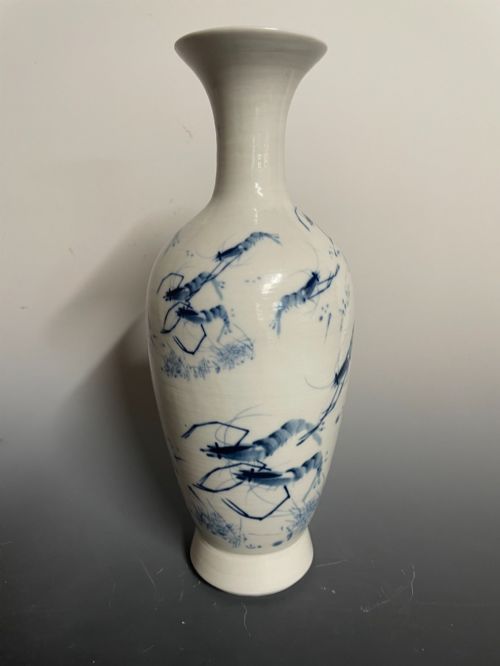
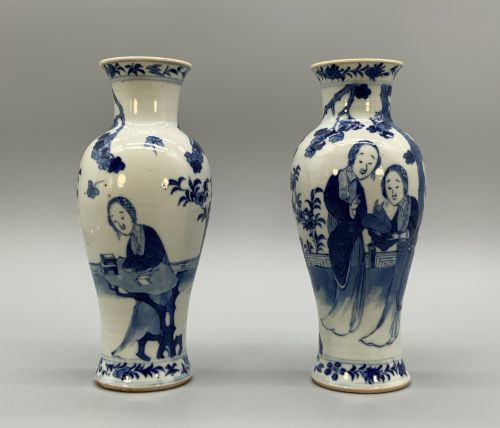
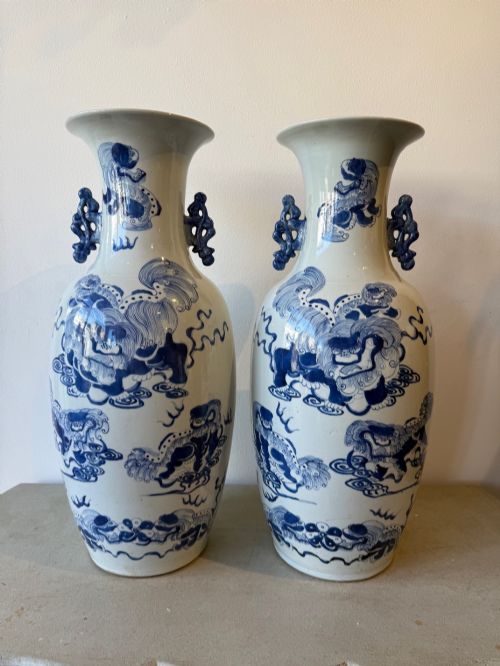
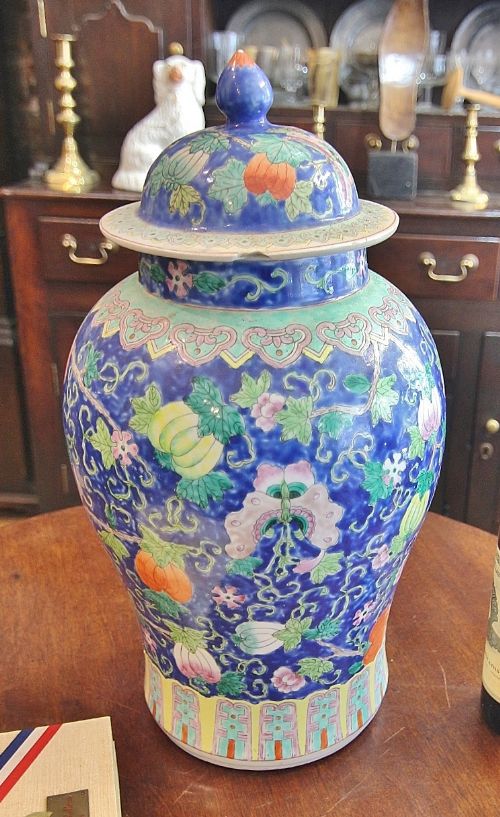
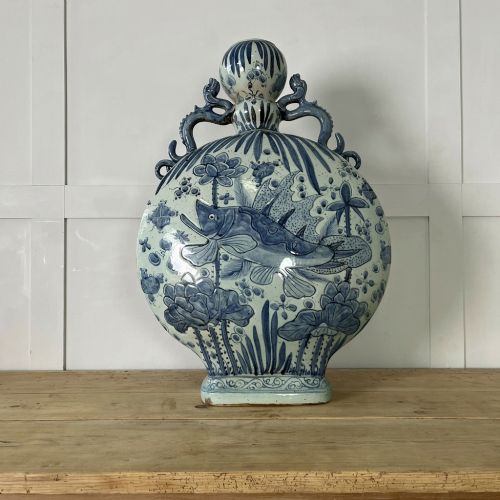
When searching for an antique chinese blue vase, collectors encounter everything from slender bottle shapes and double-gourd vessels to robust baluster jars created across the Qing dynasty and subsequent periods. Many pieces date from the nineteenth century, while others reach back through the eighteenth century and earlier reigns, reflecting enduring imperial aesthetics.
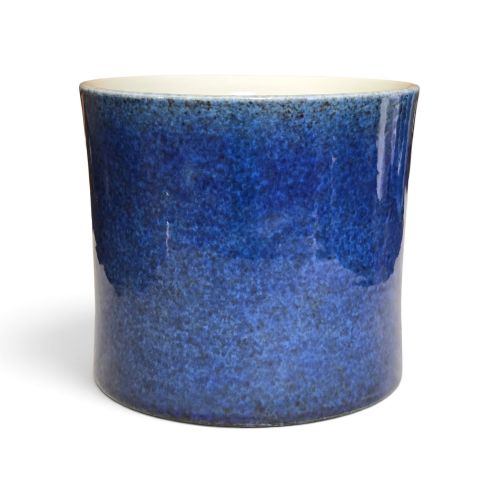
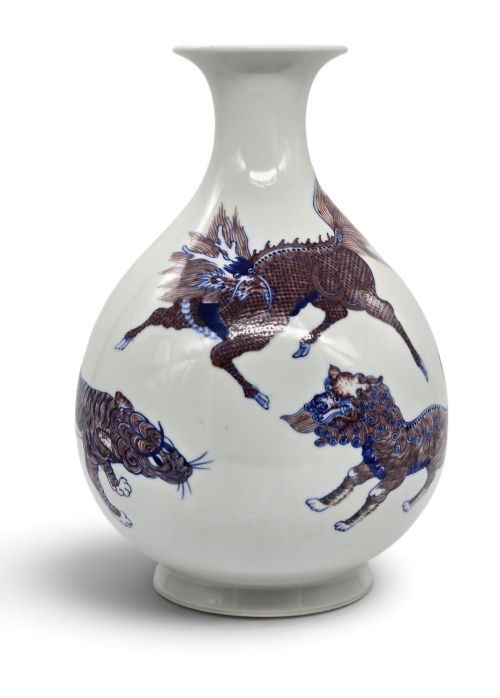
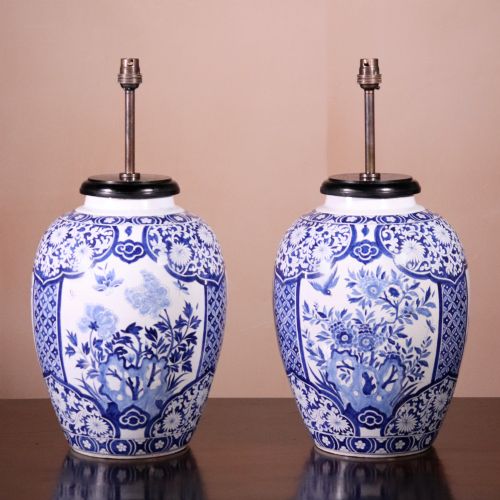
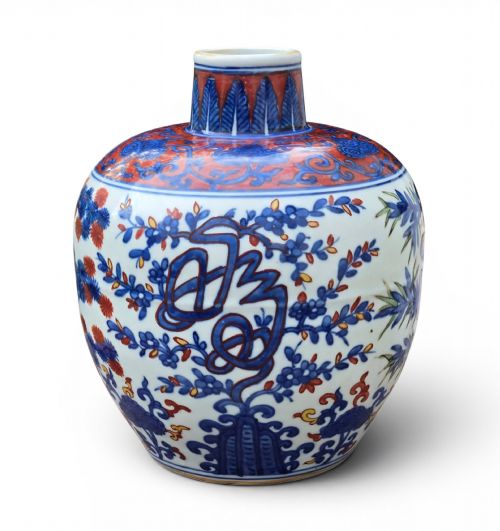
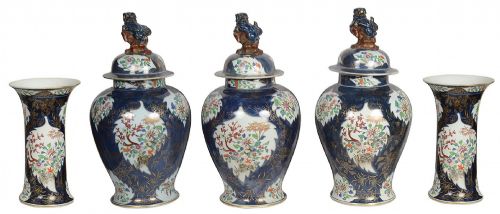
The selection ranges from classic blue and white porcelain painted with dragons, floral motifs, and figural scenes to monochrome powder-blue glazes and copper-red highlights. Alongside standard ceramic vessels, buyers frequently find converted table lamps and matching garniture sets that adapt these historic forms for modern interiors.
Materials and Techniques
Potters relied on fine white porcelain shaped by hand or wheel, then painted using cobalt blue pigments before applying a transparent glaze and firing at high temperatures. This underglaze technique ensured the cobalt design fused permanently with the ceramic body beneath the glassy surface.
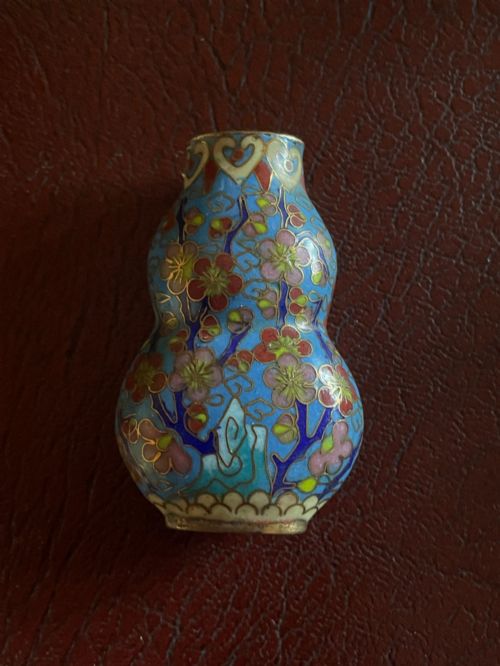
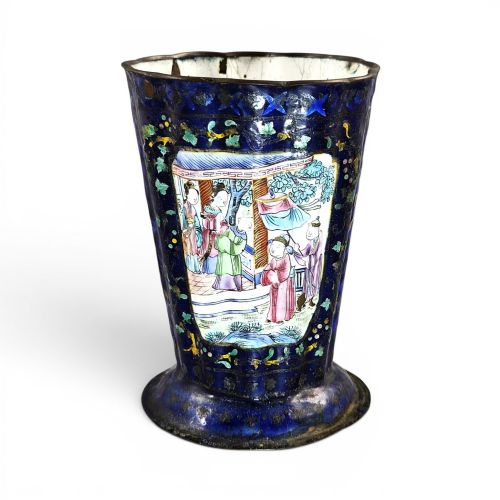
Beyond porcelain, artisans utilised bronze, brass, and copper frames for cloisonné and champlevé enamel vessels, fusing coloured glass pastes within metal wire partitions. Selected examples also integrated silk elements or were mounted with ormolu mounts during later European and domestic adaptations.
Listings feature porcelain, bronze, and enamel materials spanning the seventeenth century through the Edwardian era.
Assessing Artistic Merit
Quality rests primarily in the crispness of the cobalt painting, where fluid brushwork, distinct tonal depth, and balanced composition separate masterworks from routine production. The refinement of the porcelain body, the smoothness of the glaze, and the precision of imperial or apocryphal marks further distinguish finer specimens.
Proportion and potting weight also dictate desirability, with superior vessels displaying harmonious symmetry and a substantial yet balanced feel in the hand. The complexity of the decorative program, whether featuring intricate mythical beasts or multi-layered dragon motifs, dictates the standing of each piece.
Qianlong Mark·Jiajing Mark
The Antique Chinese Blue Vase Glossary
- Cobalt Glaze
- A blue mineral pigment applied beneath or over the ceramic glaze to create rich painted designs during high-temperature firing. This intense blue colour remains stable under extreme kiln heat.
- Meiping
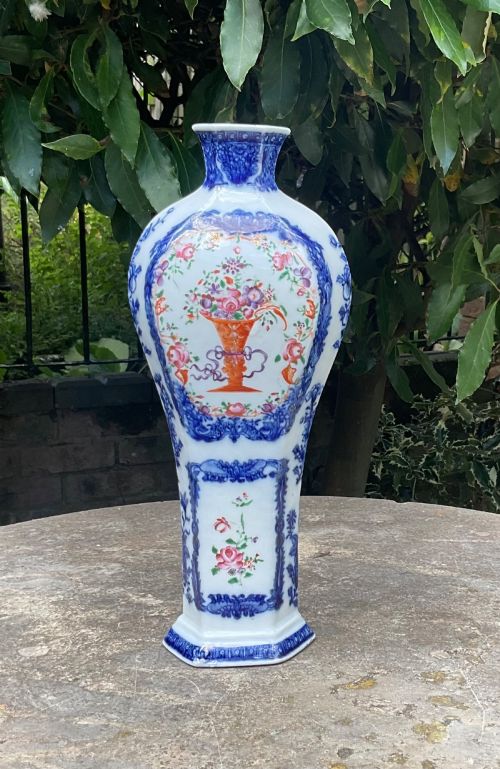
- A traditional plum vase form characterised by a narrow neck, broad shoulders, and a tapering base designed originally for flowering plum branches. These vessels are prized for their graceful silhouette.
- Cloisonne
- A metalwork technique where enamel pastes are packed into raised wire cells on a bronze or copper base before firing and polishing. This method produces vibrant decorative patterns across the vessel surface.
- Double-Gourd
- A vase shape formed by two joined bulbous sections resembling a traditional gourd fruit, symbolising fortune and longevity. Potters frequently render this auspicious form in monochrome or blue and white porcelain.
- Underglaze
- Pigment applied directly to the raw ceramic body before the application of a clear glaze and the final kiln firing. This protects the painted decoration from wear over centuries of handling.
Antique Chinese Blue Vase: Frequently Asked Questions
How do I date an antique chinese blue vase?
Dating relies on combining stylistic evidence, potting characteristics, and any reign marks found on the base. Cobalt tones and painting styles often shift perceptibly between seventeenth-century output and later nineteenth-century revivals.
Expert examination of the foot rim and glaze texture provides further clues to the period of manufacture. Comparing the piece against documented archival examples helps confirm its exact era.
Were these vases made for export or domestic use?
Kilns produced vessels for both domestic imperial courts and international trade markets, resulting in diverse decorative themes. Export pieces frequently incorporated shapes and motifs tailored to European tastes.
Domestic wares often adhered strictly to traditional scholarly or imperial iconography. Both categories demonstrate exceptional technical skill from the same skilled workshops.
How should I display a porcelain vase at home?
Place vases on sturdy, level surfaces away from direct sunlight and high footfall areas to protect the ceramic body. Ensuring adequate clearance prevents accidental knocks against delicate handles or flaring rims.
Many collectors use wooden stands to elevate taller vessels and enhance their proportions. Proper placement highlights the painted cobalt details without cluttering the surrounding space.
What is the difference between a jar and a vase?
Vases generally feature narrower necks designed to hold single stems or display painted vertical narratives. Jars typically possess wider mouths and often include fitted lids for storage or ritual use.
Ovid jars and baluster shapes offer broader shoulders compared to slender bottle vases. Both forms share the same cobalt painting techniques and high-temperature glazing traditions.