





Antique Chinese Bench Seat
An antique chinese bench seat brings centuries of regional craft directly into a room, offering practical seating shaped by Qing Dynasty workshops and provincial traditions.
Antique Chinese Bench Seat
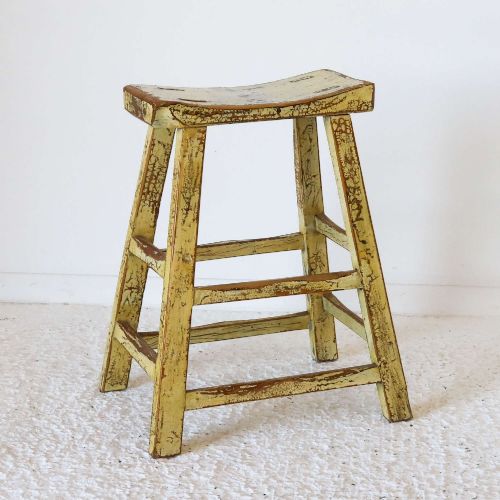
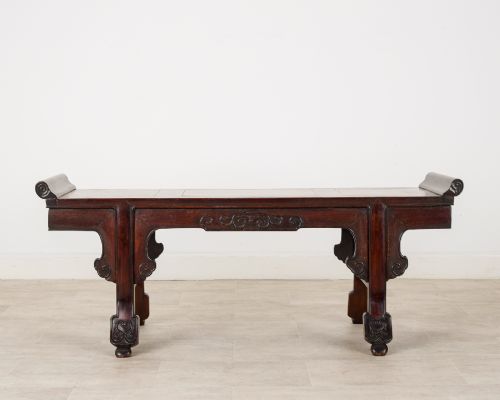
An antique chinese bench seat encompasses varied forms from long hall benches and window seats to compact stools and low seating suites. The pieces span the nineteenth century through the early twentieth century, showing both rustic provincial utility and elaborate palace craftsmanship.
Buyers will frequently encounter carved hardwood hall benches and smaller elm or rosewood window seats originating from the Qing Dynasty and later republican periods. These survivors serve equally well as low coffee tables or functional entrance seating in modern homes.
Regional styles range from restrained rustic Chinese examples to highly decorative Chinese Export pieces inlaid with mother of pearl or finished in cinnabar lacquer. Each form reflects the specific domestic needs of historical Chinese households.
Materials and construction methods
Joinery relies upon dense native timbers including elm, rosewood, blonde wood, and heavily figured hardwoods such as huali and huanghuali. Cabinetmakers utilised precise mortise and tenon joints to build rigid frames capable of lasting centuries without metal fixings.
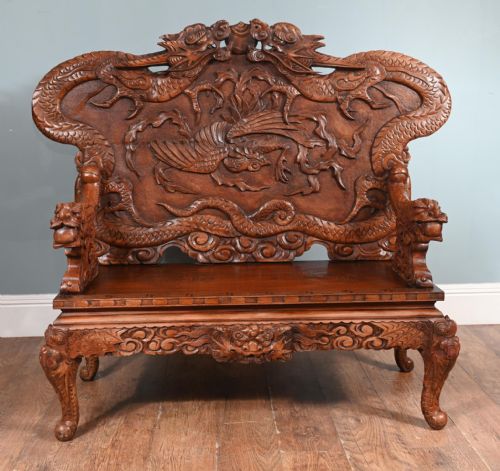
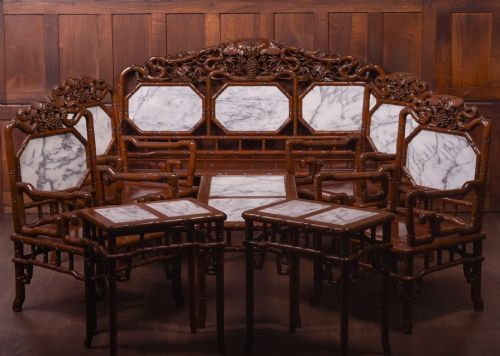
Surface decoration involves detailed hand carving depicting dragons, alongside applied lacquer finishes and delicate mother of pearl inlay work. Certain pieces feature inset marble panels within the hardwood frames to provide a cool seating surface.
Antique Chinese Bench Seat Retail Price Guide 2026
Typical asking prices for chinese bench seat among the pieces listed under this phrase on Sellingantiques today, from the lower quarter to the upper quarter. They describe what is for sale here now, not the wider market.
Listings feature timbers including elm, rosewood, blonde wood, and marble across nineteenth and early twentieth century dates.
Distinguishing quality across pieces
The degree of sculptural depth in the woodcarving separates standard provincial output from pieces made for high status interiors or export markets. Crisp detailing on dragon motifs and figures indicates superior handwork by skilled carvers.
Material selection dictates much of the standing of a piece, with dense rosewood and prized huanghuali commanding greater appreciation than common elm or mixed softwoods. Original surface patination and intact lacquer layers further elevate the integrity of a bench.
The Antique Chinese Bench Seat Glossary
- Qing Dynasty
- The final imperial dynasty of China, lasting from sixteen forty-four to nineteen twelve. Pieces from this era often display formal carved motifs and traditional joinery.
- Huali
- A fragrant tropical hardwood prized for its rich grain and durability in fine Chinese furniture. It forms the primary structure of many high-status seating pieces.
- Cinnabar Lacquer
- A technique involving multiple layers of coloured tree sap carved into intricate low-relief designs. This finish appears on decorative surfaces and specialised altar benches.
- Chinese Export
- Furniture produced in China specifically for Western markets during the nineteenth and early twentieth centuries. These items often combine traditional forms with cosmopolitan decorative elements.
- Mother of Pearl
- Iridescent shell material inlaid into wooden channels to create shimmering geometric or floral patterns. It provides a striking contrast against dark polished hardwood.
Antique Chinese Bench Seat: Frequently Asked Questions
Where should I place a bench seat?
These benches fit naturally in narrow hallways, narrow entryways, or positioned beneath low windows as dedicated window seats.
Their substantial timber frames also allow them to function effectively as low coffee tables in living spaces.
How do I care for polished hardwood?
Maintain the timber by keeping the surface away from direct heat sources and sudden humidity shifts.
Apply a neutral wax polish sparingly to nourish the grain without dulling the natural patina.
Are these benches comfortable for sitting?
Most historical examples feature firm wooden platforms designed for upright posture rather than deep lounging.
Adding a slim custom cushion can easily soften the seat for everyday domestic use.
How can I date a Chinese bench?
Dating relies upon examining the timber species, tool marks, and stylistic indicators associated with the Qing Dynasty or republican eras.
Wear patterns on the footrests and the stability of the traditional joinery also offer clues to age.