




Antique Chinese Area Rug
An antique chinese area rug brings historic texture to a room, offering centuries of regional weaving traditions through distinctive roomsize carpets and small seating mats.
Antique Chinese Area Rug
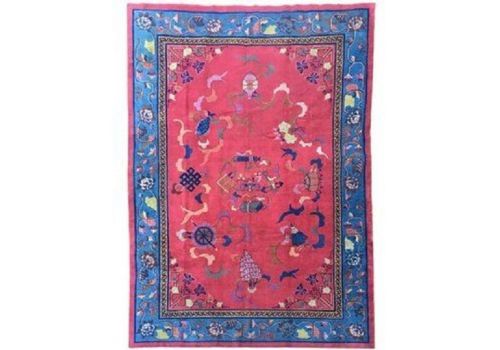
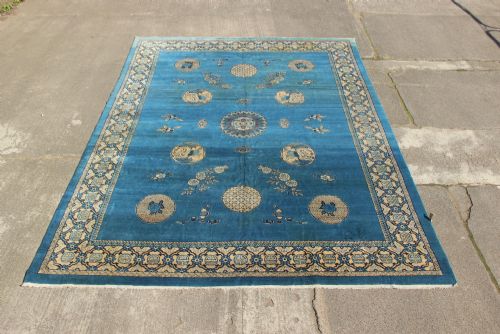
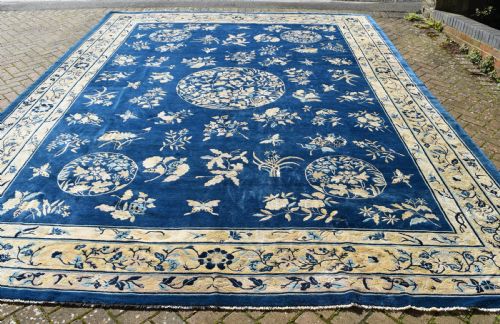
When you search for an antique chinese area rug, you encounter floor coverings spanning the Qing Dynasty and the Art Deco period. These pieces originate from traditions such as Peking, Ningxia, Pao Tao, and Khotan.
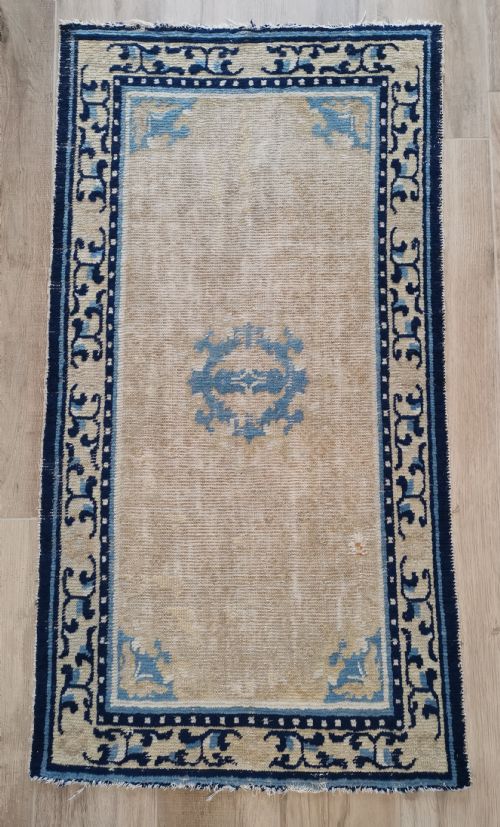
The selections available here range from compact seating mats to large roomsize carpets. You are most likely to meet pieces produced around nineteen-twenty, alongside older examples dating back to eighteen-fifty and nineteen-hundred.
How they were made
Weavers constructed these carpets using wool pile knotted onto cotton foundations. This pairing provided the structural stability necessary for large roomsize formats and smaller mats alike.
Production methods reflect the regional heritage of Chinese carpet weaving across different periods. Artisans utilised traditional hand-knotting techniques to achieve the varied pile densities seen in Peking and Ningxia pieces.
Even a humble seating mat from nineteen-twenty retains enough wool pile to cushion a Qing Dynasty tea ceremony.
What varies in quality
Distinctions in quality emerge through the fineness of the weave and the clarity of regional design execution. Pieces from established weaving centres demonstrate superior structural integrity in the cotton foundations.
The preservation of the wool pile across roomsize formats dictates the visual impact of the rug. Greater density in the knotting allows the historic motifs to retain their definition over time.
The Antique Chinese Area Rug Glossary
- Ningxia
- A regional style of carpet originating from north-central China. These pieces often function as roomsize floor coverings or smaller seating mats.
- Peking
- A distinct classification of Chinese carpet known for roomsize formats produced around the turn of the twentieth century. These examples display traditional aesthetic elements.
- Qing Dynasty
- The imperial period spanning several centuries up to nineteen-twelve. Pieces originating from this era reflect historical dynastic design traditions.
- Khotan
- A weaving tradition associated with East Turkestan aesthetics. These carpets share stylistic links with broader Central Asian textile production.
Antique Chinese Area Rug: Frequently Asked Questions
Where were these rugs made?
These textiles originate from specific weaving regions and centres across China and East Turkestan. Production locations include Peking, Ningxia, Pao Tao, and Khotan.
Each region developed distinct regional characteristics in design and format, ranging from large roomsize carpets to small square seating mats.
How do I date an antique rug?
Dating relies on stylistic shifts between the Qing Dynasty and the subsequent Art Deco period. Pieces from the mid-nineteenth century exhibit different design layouts compared to those produced around nineteen-twenty.
Examination of the materials, particularly the wool and cotton foundations, helps confirm the era of production alongside stylistic markers.
What sizes are available?
The available formats range widely from compact seating mats measuring around one metre to large roomsize carpets exceeding four metres in length. This variety accommodates different architectural spaces.
Smaller rugs suit intimate areas, while roomsize formats function as primary floor coverings in larger reception spaces.
How should I care for a wool rug?
Wool and cotton textiles require gentle maintenance to preserve the historic pile. Regular light vacuuming without a rotating brush prevents dust accumulation within the knotting.
Professional cleaning tailored to antique Oriental carpets ensures the natural fibres retain their condition over decades of domestic use.