


Vintage Chinese Wool Rug
A vintage chinese wool rug brings centuries of woven heritage into a modern room, offering dense pile and striking regional motifs.
Vintage Chinese Wool Rug
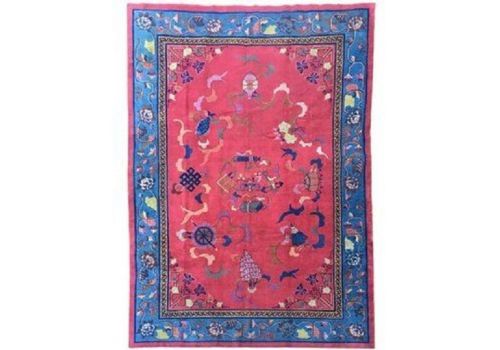
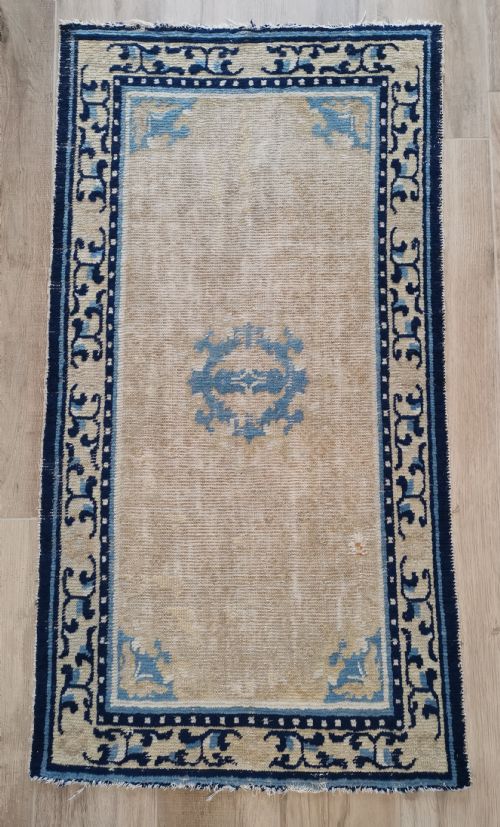
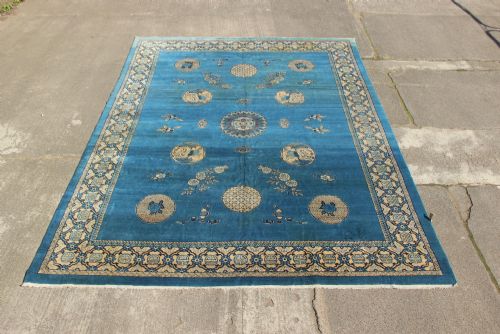
When searching for a vintage chinese wool rug, buyers find floor coverings spanning the Qing Dynasty, Peking, Ningxia, Pao Tao, and Art Deco periods. These textiles range from small scatter sizes to large room-size carpets.
The most common examples on this page date from around nineteen twenty, encompassing both traditional regional weaving and twentieth-century geometric designs. Buyers encounter rugs originating from historic centres such as Khotan and Peking.
Each piece reflects distinct regional aesthetics, moving from formal imperial symbolism to stylized modern compositions. The survival of these floor coverings demonstrates the enduring utility of traditional workshop production.
How they were made
Makers utilised natural wool for the thick, plush pile that defines these floor coverings, offering both warmth and durability underfoot. Cotton served as the structural foundation, forming the warp and weft threads that support the knotted surface.
Weavers knotted the wool pile onto sturdy cotton foundations by hand, securing the structure through traditional regional techniques. The density of the wool pile directly influences the crispness of the woven patterns and the longevity of the carpet.
Listings feature wool and cotton materials across pieces dated from eighteen fifty to nineteen twenty.
What varies in quality
The sophistication of the design and the density of the wool pile set the finer examples apart from standard production. Superior execution shows in the precision of the woven motifs and the integrity of the cotton foundation.
Condition and original proportions dictate the standing of a piece within its period. Examples that retain their original dimensions and even pile wear represent the higher tier of surviving textiles.
The Vintage Chinese Wool Rug Glossary
- Pile
- The upright loops or cut ends of wool yarn that form the usable surface of the rug. This soft layer provides comfort and conceals the structural foundation beneath.
- Warp
- The stationary vertical threads stretched on the loom that form the skeleton of the carpet. Cotton is commonly used for these longitudinal strands.
- Weft
- The horizontal threads passed alternately over and under the warp threads to bind the knots in place. This technique secures the structural integrity of the weave.
- Ningxia
- A northern region known for producing distinctive floor coverings with restrained classical ornamentation. These pieces often feature muted palettes and traditional symbolic roundels.
- Pao Tao
- A production centre in Inner Mongolia famous for heavy wool carpets with embossed motifs. The designs typically display strong Buddhist and imperial symbolism.
Vintage Chinese Wool Rug: Frequently Asked Questions
How do I clean a wool carpet?
Regular gentle vacuuming without a beater bar removes loose grit from the wool pile before it settles into the cotton foundation. Professional specialist cleaning remains essential for addressing deeper soil without damaging the natural fibres.
Excessive moisture causes shrinkage and weakens the wool and cotton materials over time. Promptly blotting spills with a dry white cloth prevents permanent staining.
Are these carpets suitable for heavy traffic?
Wool possesses natural resilience, allowing the pile to spring back after enduring regular footsteps in busy areas. Placing a quality underlay beneath the rug reduces friction against the floor and prevents slipping.
Rotating the piece periodically ensures even wear across the surface over the years. This simple habit preserves both the wool pile and the structural integrity of the edges.
How do I date an older carpet?
Examining the wool type, knot density, and dye palette helps establish the approximate period of manufacture. Stylistic shifts, such as the transition from imperial Qing motifs to geometric Art Deco designs, provide clear chronological markers.
Structural details in the cotton foundation and selvage finishes further assist in narrowing the era. Comparing specific regional characteristics against known examples confirms the historical context.
How do I prevent moth damage?
Moths target natural wool fibres in undisturbed, dark environments, making regular inspection beneath furniture crucial. Keeping the wool clean and ensuring adequate airflow discourages insect infestation.
Vacuuming beneath the rug on a routine basis removes dust and deters pests from settling in the pile. Natural deterrents can provide additional protection for valuable textile pieces.