




Antique China Teapot
An antique china teapot brings the weight of centuries to the morning table, offering tactile pleasure and timeless ceramic artistry.
Antique China Teapot
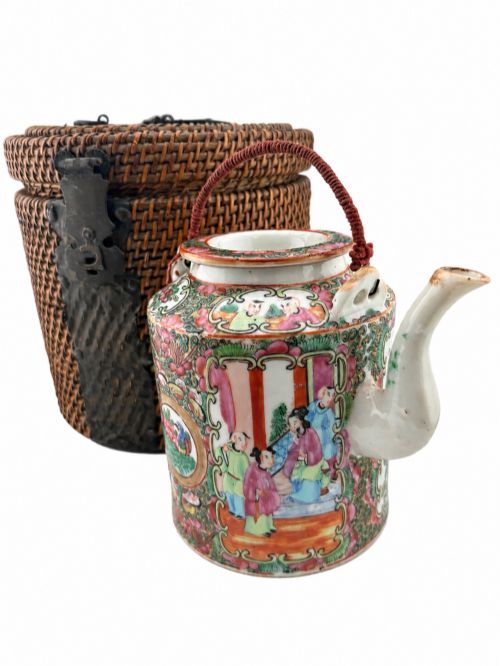
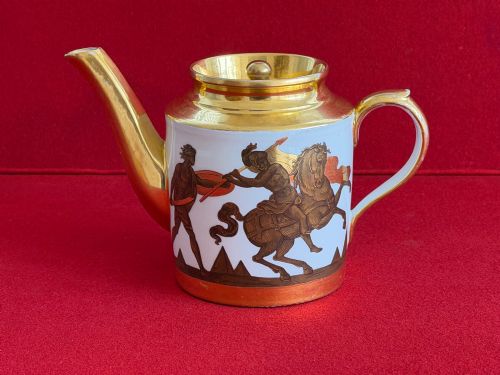
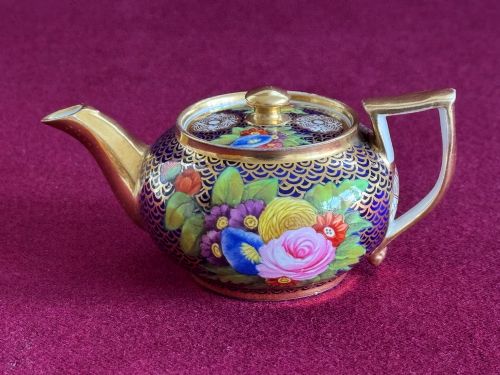
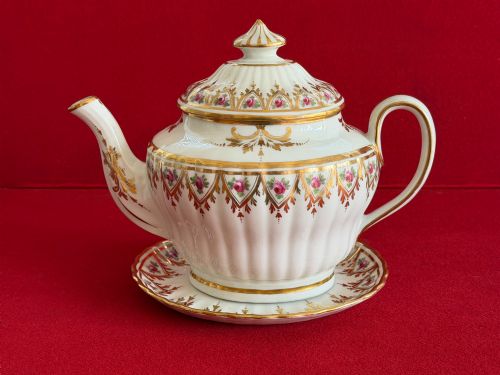
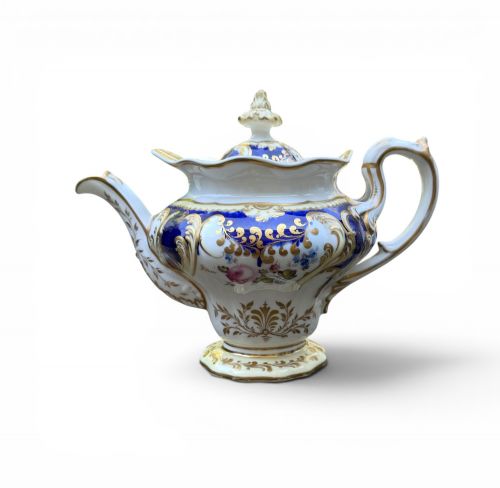
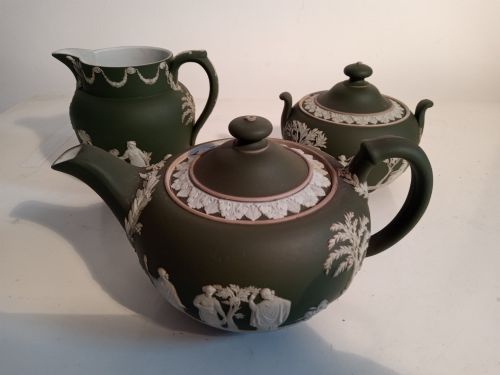
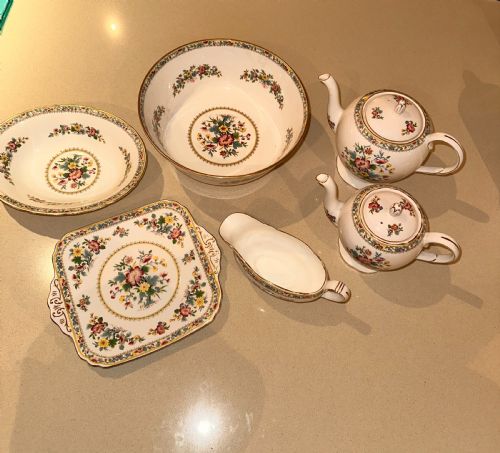
Every antique china teapot carries the material history of eighteenth and nineteenth-century ceramic production, spanning Georgian porcelain to Victorian ironstone. Buyers searching for an antique china teapot encounter pieces ranging from bachelor teasets and miniature solitaire sets to robust ironstone vessels decorated with transfer print or hand-painted motifs.
The selections on this page feature domestic English potteries alongside Chinese export wares, encompassing forms such as the traditional oval shape, child's tea services, and larger breakfast sets. Makers from Worcester, Derby, Spode, and Mason's dominate the offerings, showing how regional British manufactories adapted oriental shapes and cobalt blue pigments.
Dating ranges from the mid-eighteenth century through the Edwardian era, capturing shifts from delicate porcelain bodies to durable ironstone and bone china. Whether looking at a Regency toy teapot or a Victorian blue and white vessel, each item reflects the domestic rituals of tea drinking across successive periods.
Materials and construction methods
Potters built these vessels using porcelain, bone china, and ironstone, shaping the clay by hand or moulding it into traditional profiles before firing at high temperatures. The body material dictates the weight and translucency of the piece, with bone china offering a finer wall than heavy-duty ironstone.
Decoration relied on hand-painting, flow blue transfer printing, and the application of gold leaf and gilding to accentuate moulded Rococo scrolls or Chinoiserie scenes. Glazes were applied over the fired body to seal the ceramic and provide a glossy finish that protected the painted pigments underneath.
Antique China Teapot Retail Price Guide 2026
Typical asking prices for china teapot among the pieces listed under this phrase on Sellingantiques today, from the lower quarter to the upper quarter. They describe what is for sale here now, not the wider market.
Listings feature porcelain, bone china, ironstone, and ceramic materials spanning the eighteenth, nineteenth, and early twentieth centuries.
Judging quality and execution
Quality rests in the crispness of the moulded relief and the precision of the hand-painted or transfer-printed decoration across the surface. Superior examples display clean alignment in patterns such as red scale or fence and motifs, whereas simpler commercial pieces show hurried brushwork or minor pooling in the glaze.
The refinement of the ceramic body itself separates standard utilitarian vessels from cabinet pieces, with early porcelain bodies offering thin, translucent walls and delicate handles. Maker attribution and pattern numbering also elevate a piece, linking domestic wares to documented factory output from Derby, Worcester, or Spode.
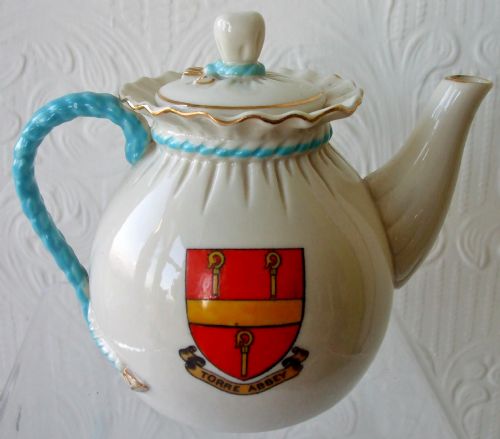
Royal Crown Derby·Mintons·Spode·Wedgwood·Royal Davenport·W.H. Goss
The Antique China Teapot Glossary
- Ironstone
- A patented ceramic body developed to be durable and heavy, combining earthenware qualities with the strength of porcelain.
- Flow Blue
- A nineteenth-century transfer printing technique where cobalt blue bled slightly into the surrounding white glaze during firing, creating a misty effect.
- Chinoiserie
- European artistic styles reflecting Chinese motifs and landscapes, popular on eighteenth-century porcelain vessels.
- Solitaire
- A small tea service designed for one person, typically comprising a teapot, cup, and saucer.
- Gilding
- The application of gold leaf or gold paint to highlight rims, handles, and decorative borders on ceramic surfaces.
Antique China Teapot: Frequently Asked Questions
How do I date an old teapot?
Dating relies on identifying the material, such as early soft-paste porcelain versus later ironstone, and cross-referencing factory marks stamped or painted on the base. Stylistic clues like Georgian Chinoiserie motifs or Victorian Rococo scrolls also point to specific decades of production.
Examining the glaze consistency and any pattern numbers helps narrow the timeline further. Comparing the form against documented pieces from makers like Spode or Derby confirms the manufacturing period.
Can I use an antique teapot for daily tea?
Many sturdy ironstone and bone china teapots remain structurally sound for brewing tea, provided they are handled with care and washed by hand. Fine porcelain or pieces with delicate gilding are better suited for display.
Sudden temperature changes can crack aged ceramic bodies, so warming the pot gently with warm water before adding boiling water is essential. Inspecting the interior for historic hairline cracks ensures the vessel holds liquid safely.
What is a bachelor teaset?
A bachelor teaset is a compact, multi-piece service designed for a single person, usually containing a small teapot, a cup, and a saucer combined in a single stacked unit. These pieces were popular in the nineteenth century for private use in bedchambers or studies.
Their smaller scale makes them distinct from full-sized breakfast sets intended for families or guests. Collectors prize them for their charming proportions and the technical skill required to miniature standard service forms.
What is flow blue china?
Flow blue is a type of transfer-printed earthenware where the cobalt blue pigment intentionally blurred into the white glaze during the kiln firing. This created a soft, atmospheric aesthetic inspired by imported Chinese porcelain.
Developed in the nineteenth century, it became a staple of Victorian table service production. The extent of the bleed varies between pieces, giving each item a distinct visual texture.