
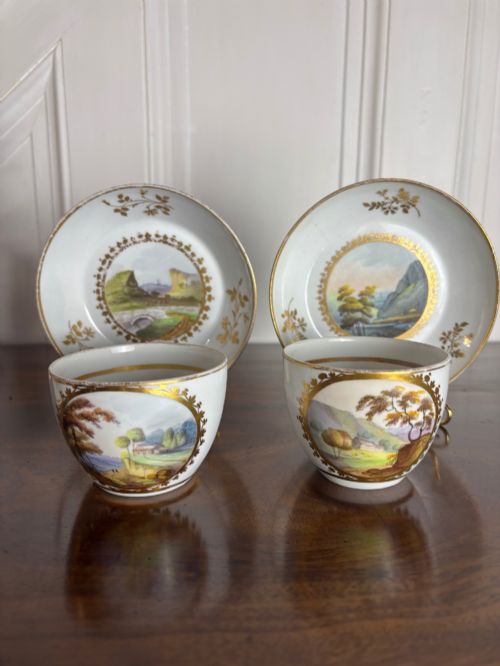


Antique China Teacups Saucers
These antique china teacups saucers span the eighteenth century to the twentieth, offering fragile ceramic history for daily service or cabinet display.
Antique China Teacups Saucers
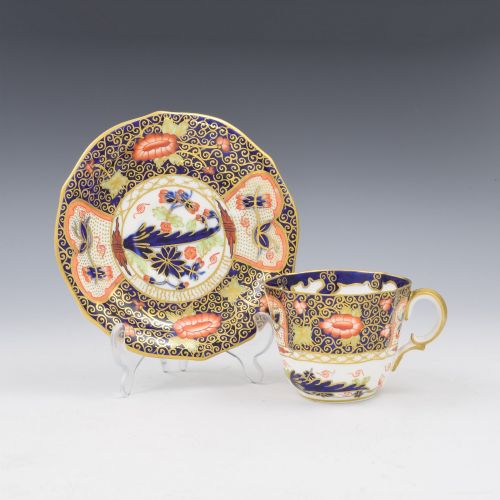
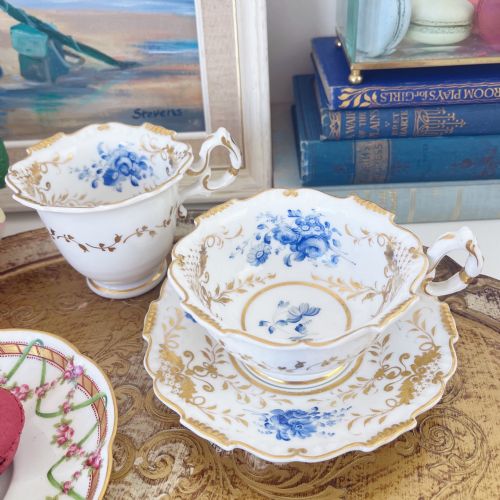
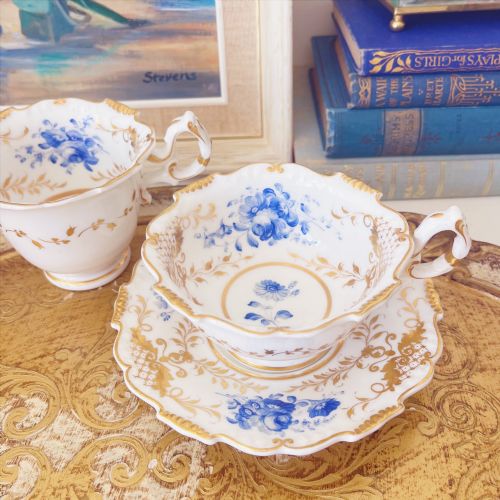
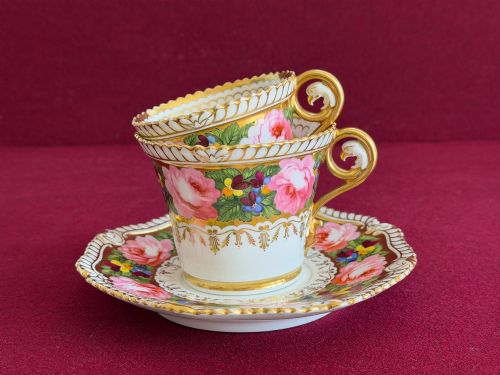
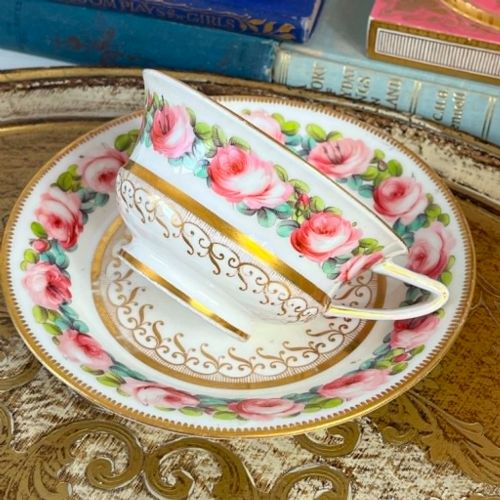
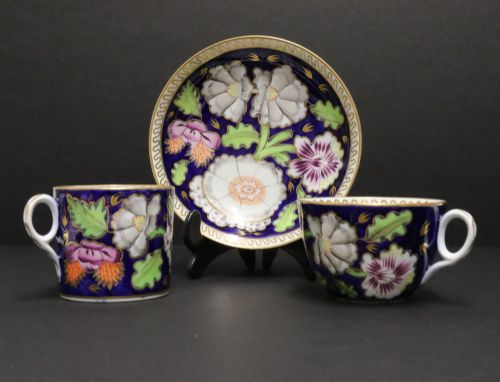
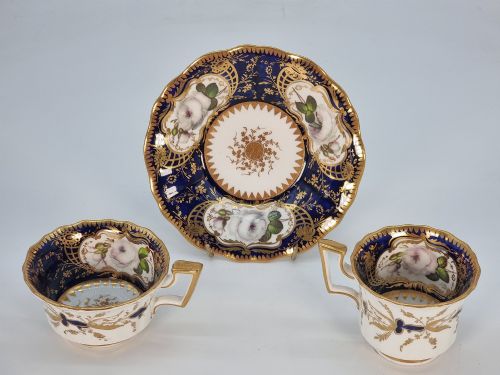
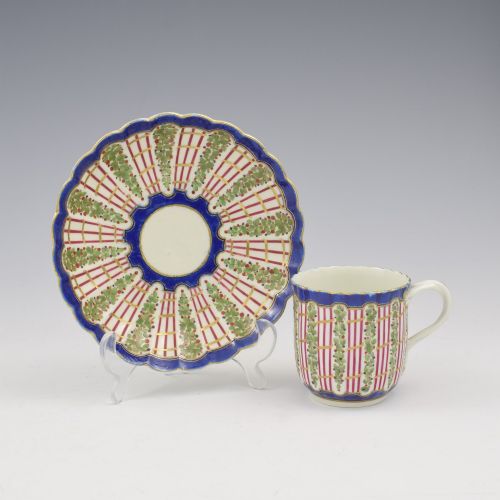
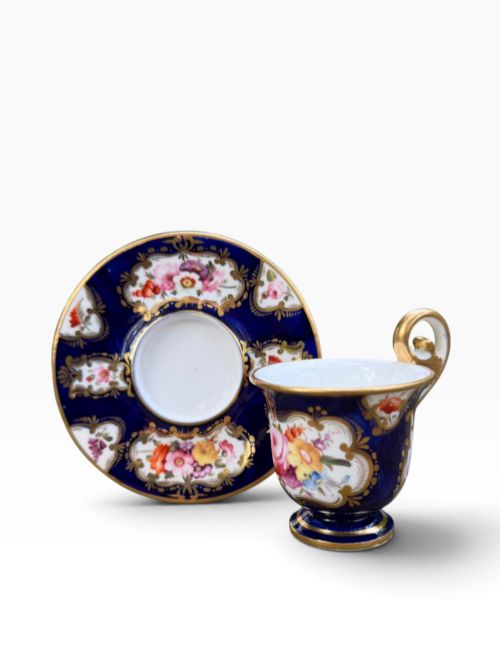
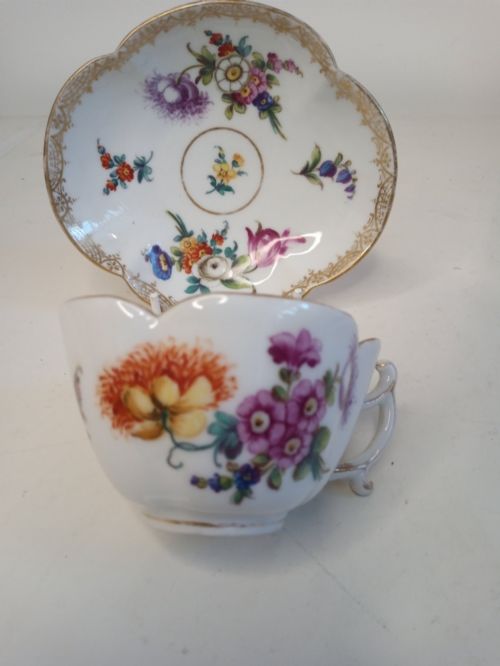
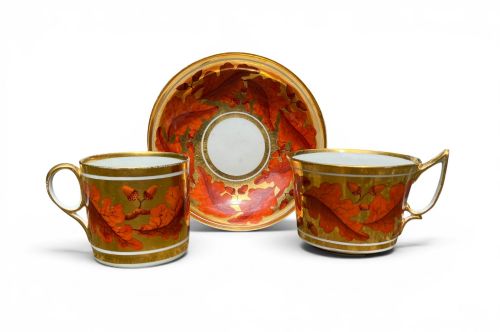
When you search for antique china teacups saucers, you encounter porcelain vessels spanning the eighteenth, nineteenth, and early twentieth centuries, originating from English potteries and Chinese export houses. The selection ranges from single tea bowls and saucers to extensive afternoon tea services.
The pieces appearing most frequently on this page are English porcelain duos, trios, and cabinet sets from the Georgian and Regency periods. Makers such as Worcester, Coalport, and Davenport dominate these listings, alongside Chinese export wares from the Qing Dynasty.
Forms adapt to shifting social habits, moving from handleless tea bowls meant for green tea to footed teacups, coffee cups, and larger breakfast sets. Buyers select these items for cabinet display, historical collection, or service during afternoon tea.
How they were made
Potters built these vessels using soft-paste porcelain, hard-paste porcelain, and later bone china, shaped upon potters' wheels or pressed into moulds. Early pieces often relied on soft-paste bodies that required lower kiln temperatures.
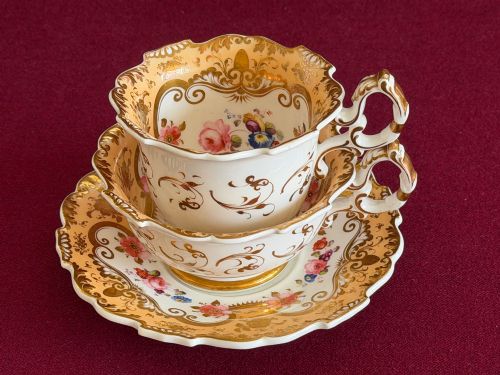
Decoration combined hand-painting with enamel colours, underglaze blue, and applied gold leaf or gilding. Skilled hands painted landscapes, birds, and floral sprays directly onto the glazed surface before secondary firing.
Listings feature English porcelain and Chinese export pieces spanning the eighteenth century through the 1930s.
What varies in quality
The distinction between standard production and top-tier pieces rests on the precision of the hand-painting and the complexity of the pattern. Cabinet pieces by prominent factories feature intricate polychrome scenes and heavily gilt borders.
Material preparation and kiln control determine the integrity of the white body and the vibrancy of the enamels. Finer examples display translucent porcelain walls and well-preserved gilding without rubbing.
Royal Crown Derby·H and R Daniel·Chamberlain Worcester·Flight Barr and Barr·Royal Worcester·Royal Albert
The Antique China Teacups Saucers Glossary
- Bone china
- A type of porcelain containing bone ash, developed in England to increase strength and whiteness.
- Cabinet trio
- A matching set comprising a teacup, coffee cup, and saucer intended primarily for display rather than active use.
- Soft-paste porcelain
- An artificial ceramic body fired at lower temperatures than true porcelain, common in eighteenth-century English factories.
- Tea bowl
- A handleless drinking vessel derived from Chinese prototypes, used before handled teacups became standard in Europe.
- Gilding
- The application of gold leaf or powdered gold to ceramic surfaces for decorative accent.
Antique China Teacups Saucers: Frequently Asked Questions
How do I date an antique teacup?
Dating relies on factory marks stamped or painted underneath, alongside the stylistic clues of the handle shape and floral motifs. Eighteenth-century pieces typically lack standard registration numbers, requiring comparison with known factory patterns.
Changes in porcelain body composition, such as the adoption of bone china in the early nineteenth century, provide further chronological markers for English ceramics.
Can I use these teacups for hot tea?
Most eighteenth and nineteenth-century porcelain can handle hot water, though older soft-paste bodies demand careful handling to avoid thermal shock. Hand washing prevents the degradation of delicate overglaze enamels and gold leaf.
Display pieces with extensive gilding or delicate cabinet status are better preserved by avoiding daily culinary use.
What is the difference between a trio and a duo?
A duo consists of a teacup and a matching saucer, forming the standard pair for service. A trio includes an additional matching coffee cup or a side plate.
Trios gained popularity during the Georgian and Regency periods when service often accommodated both tea and coffee selections.
How should I display antique cups and saucers?
Displaying these ceramics safely involves enclosed cabinets with stable shelving protected from direct sunlight. Plate stands support saucers vertically while cups rest securely beside them.
Maintaining stable humidity and temperature protects both the ceramic body and any historic gilding from environmental stress.