


White Bone China Teacup
A white bone china teacup brings refined Regency and Victorian craftsmanship directly to the table.
White Bone China Teacup
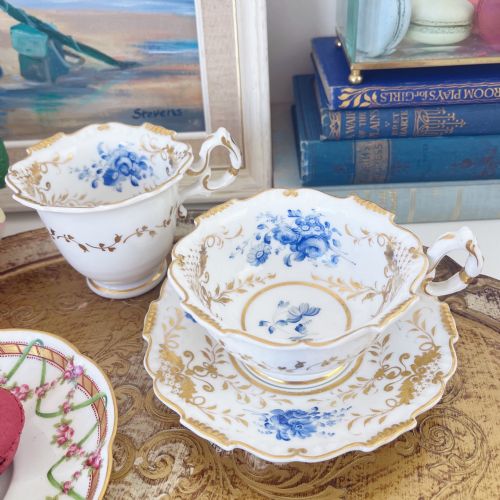
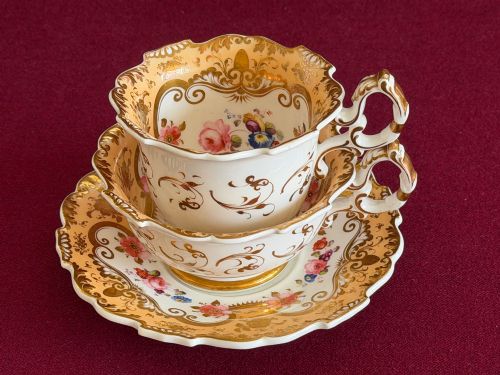
A white bone china teacup represents the finest achievements in English ceramic history, ranging from Georgian trios to Art Deco sets. When exploring these listings, collectors frequently encounter Regency teacups and saucers alongside later Victorian and 1930s tea services.
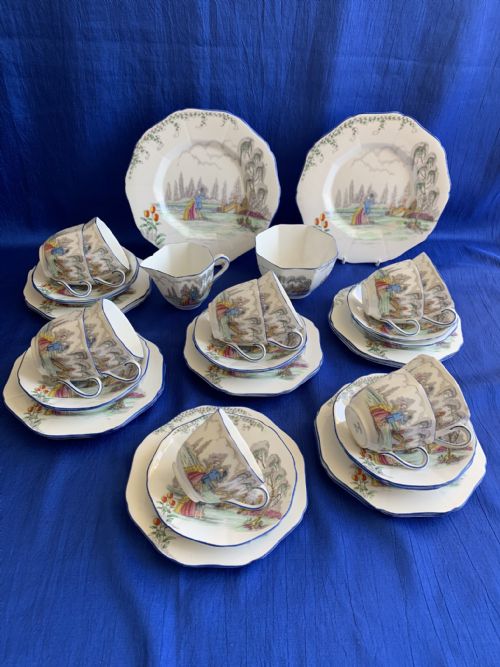
The objects take various forms including individual duos, trios with matching coffee cups, and complete twenty-piece tea services. Pieces span the eighteenth, nineteenth, and twentieth centuries, reflecting changing domestic habits across generations.
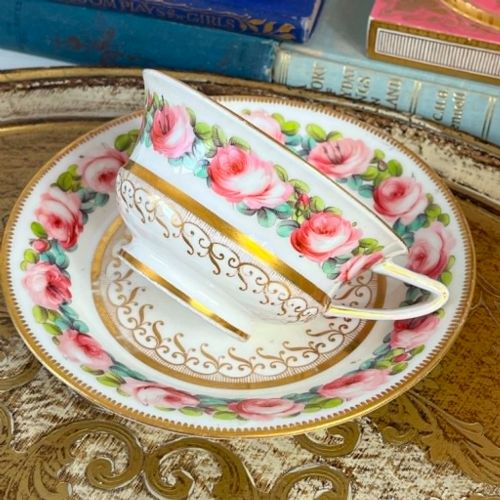
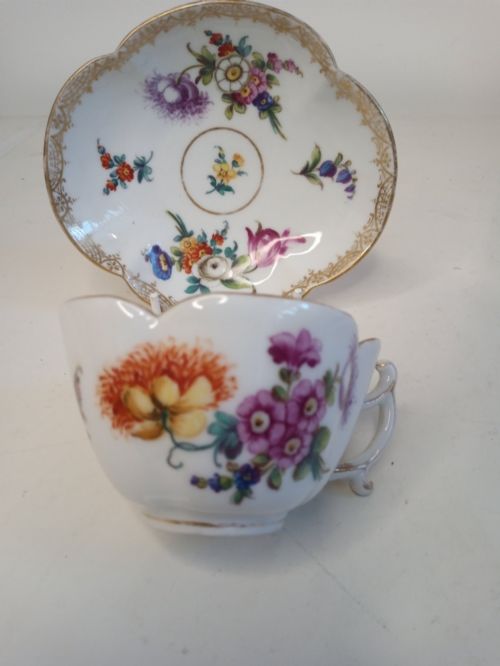
Makers utilised diverse decorative approaches, from handpainted botanical scenes to transfer-printed patterns. The resulting items offer a tangible connection to historical British manufacturing traditions.
Assessing quality and craftsmanship
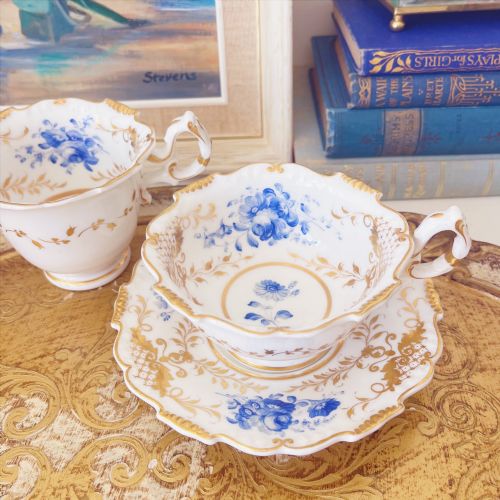
Quality rests primarily in the fineness of the potting and the precision of the handpainting. Superior examples display exceptionally thin, translucent walls paired with crisp, well-defined handles.
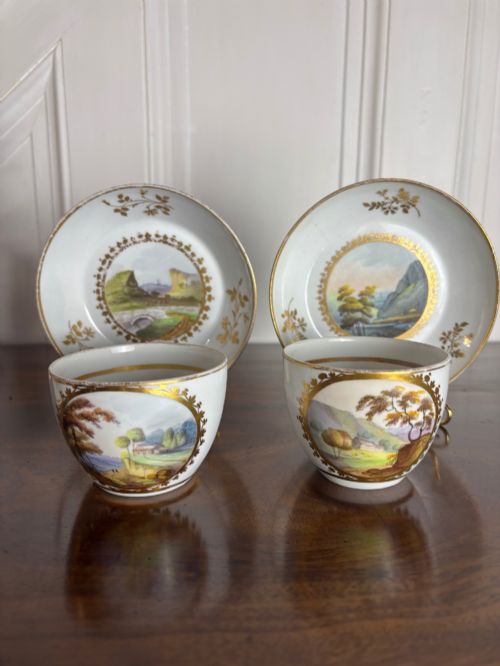
The complexity and preservation of the enamel work and gilding differentiate standard wares from exceptional pieces. Intricate handpainted landscapes or botanical studies executed by skilled decorators elevate a teacup's artistic merit.
Completeness within a matched trio, duo, or larger tea service also influences desirability. Uniformity across multiple cups and saucers demonstrates careful original manufacturing.
Pattern names from the era include such charming historical titles as 'Crazy Cow', 'Bengal Tiger', and 'Bat Wing'.
H & R Daniel·Davenport·Minton·Coalport·Flight Barr & Barr·Shelley·Royal Albert Crown China·Yates·Wileman Foley Shelley·Sutherland·Gladstone potteries
The White Bone China Teacup Glossary
- Bone China
- A type of soft-paste porcelain incorporating bone ash, known for its high strength, chip resistance, and translucent quality. This material forms the bright white foundation for intricate enamel decoration.
- Trio
- A matched set consisting of a teacup, a saucer, and a matching side or tea plate. Trios became popular during the nineteenth century for serving light meals alongside hot beverages.
- Gilding
- The application of gold leaf or gold paint to ceramic surfaces, typically accentuating rims, handles, and borders. High-quality gilding remains bright and well-adhered after centuries of use.
- Enamel
- Opaque or translucent coloured glass fused to the ceramic body during decorative firing. Enamels provide the vibrant reds, blues, and greens seen in handpainted floral and landscape motifs.
- Duos
- A pairing of a single teacup and its corresponding saucer without an additional plate. These form the core component of many antique tea services.
White Bone China Teacup: Frequently Asked Questions
How do I identify a Georgian teacup?
Georgian teacups typically feature handpainted decoration, delicate ear-shaped handles, and thinner potting without maker marks, reflecting early nineteenth-century production methods.
They often appear as duos or trios accompanied by deep saucers designed to hold the cup securely during use.
Were these teacups meant for daily use?
Historical bone china teacups served prosperous households during formal tea drinking rituals rather than rugged everyday tasks.
The delicate nature of the thin ceramic walls meant they required careful handling by their owners.
What is the difference between a duo and a trio?
A duo consists strictly of a teacup and its matching saucer. A trio includes the cup and saucer along with a corresponding tea plate.
Trios became particularly favored for nineteenth-century afternoon tea gatherings where small cakes or sandwiches accompanied the drink.