

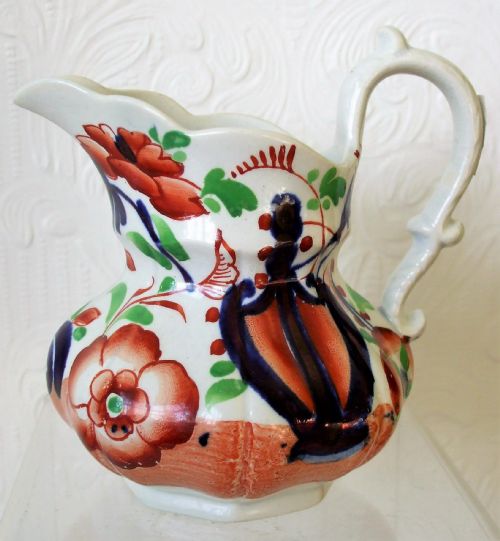


Antique China Pitcher
When you handle an antique china pitcher, you hold centuries of domestic utility transformed by glaze, ironstone, and porcelain into cabinet pieces.
Antique China Pitcher
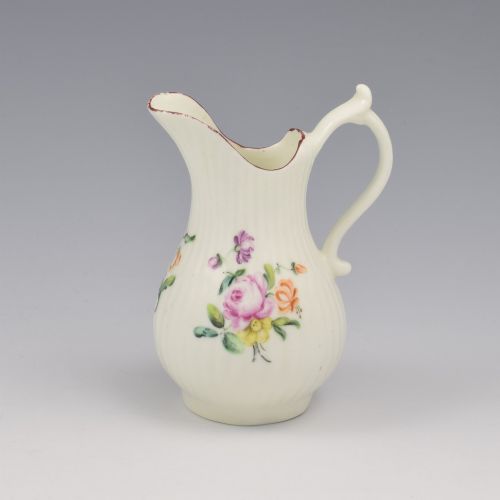
An antique china pitcher represents vessels used for serving cream, milk, wine, or water across the eighteenth and nineteenth centuries. When searching for this phrase, you encounter forms ranging from small sparrow beak creamers to large ironstone basin sets.
The material spans porcelain, earthenware, and heavy ironstone china rather than modern ceramics. These pieces bridge formal dining table service and everyday domestic utility.
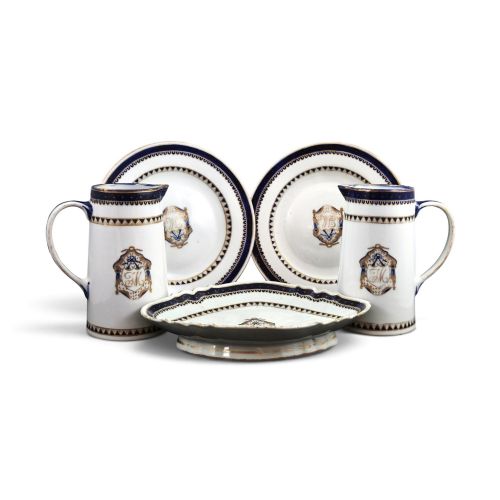
Victorian and Georgian examples dominate the selection, often carrying floral patterns, hand-painted botanical motifs, or Chinese export designs.
How they were made
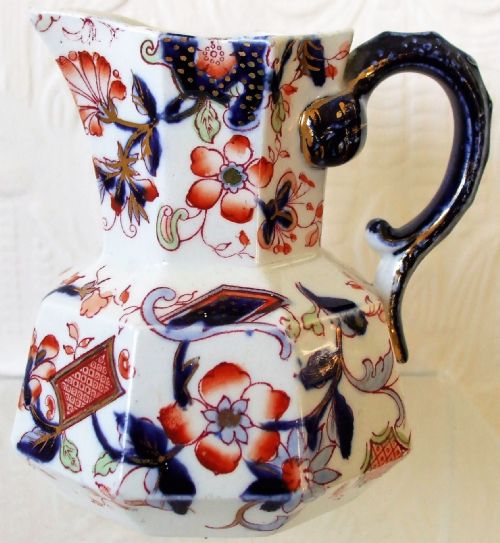
Potters shaped these pitchers using clay bodies like porcelain, earthenware, and ironstone, sometimes employing moulded forms such as fluted baluster or elephant foot profiles. Handles, including clip handles or serpent-shaped hydra handles, were applied separately before firing.
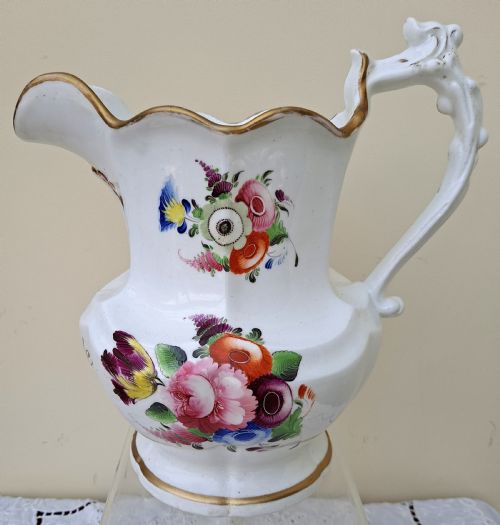
Decoration relied on hand-painting, transfer printing, lusterware applications, and gilding with gold leaf. Glazes sealed the ceramic body, providing a smooth finish that preserved delicate pigments over generations.
Some nineteenth-century potters modelled their heavy pitchers on the shape of an elephant's foot.
What varies in quality
Quality rests in the crispness of the moulding and the execution of the hand-painted or transfer-printed decoration. Finer pieces show precise brushwork on botanical or figurative motifs rather than hurried application.
The weight and density of the ceramic body, particularly in ironstone and porcelain pieces, distinguish standard utilitarian wares from superior cabinet specimens. Preservation of surface gilding and enamel colours also marks the upper tier of surviving examples.
Mason's Ironstone·Royal Worcester·Livesley Powell & Co·Keeling & Co·Doulton Burslem
The Antique China Pitcher Glossary
- Ironstone
- A heavy, durable type of earthenware patented in the nineteenth century. It offered a robust alternative to porcelain while maintaining a refined white surface.
- Ewer
- A large pitcher with a flared spout and an ornate handle, historically used for pouring water or wine. Many Victorian examples formed part of a matching jug and basin set.
- Hydra jug
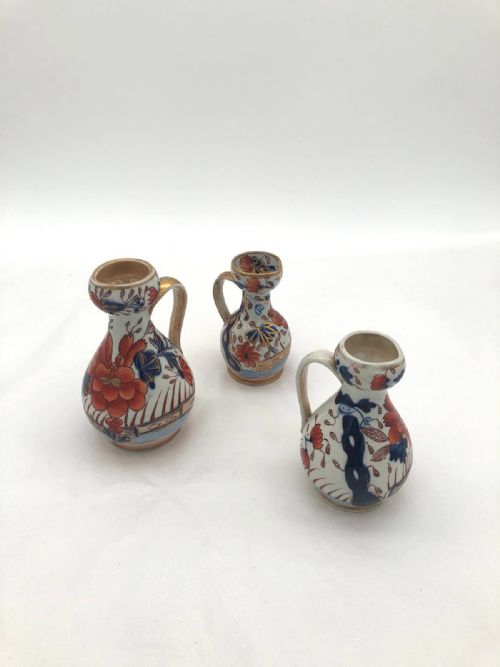
- A pitcher featuring a serpent-shaped handle attached to a flared neck and rounded body. This classical revival form appeared frequently in English factories during the Georgian and Victorian periods.
- Sparrow beak jug
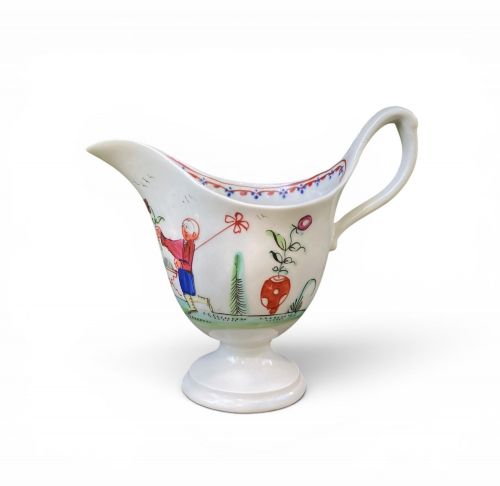
- A small eighteenth-century cream jug characterised by a pinched lip resembling a bird's beak. These early vessels typically served tea tables.
- Gaudy Welsh
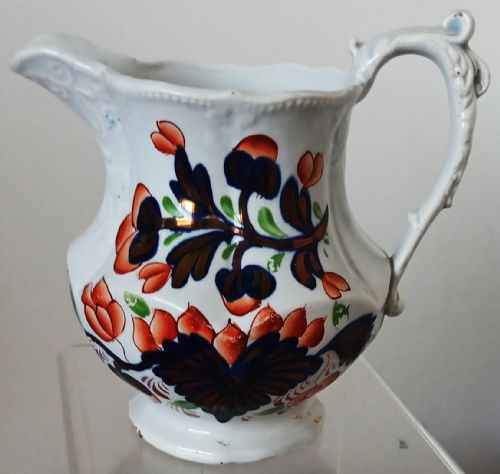
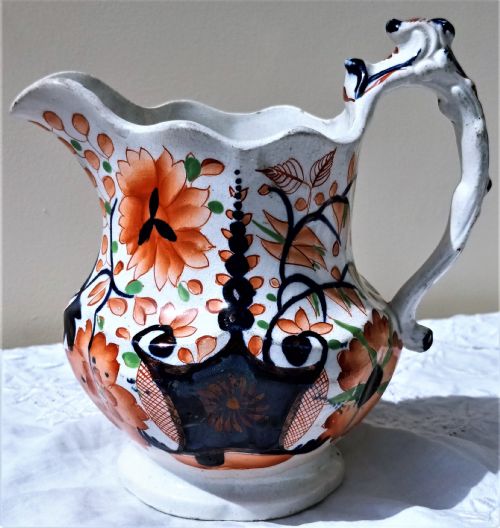
- A style of brightly coloured pottery featuring cobalt blue, copper lustre, and iron red pigments. It gained popularity in nineteenth-century domestic settings for its vibrant patterns.
Antique China Pitcher: Frequently Asked Questions
What is an ironstone pitcher?
An ironstone pitcher is a dense, heavy ceramic vessel designed for durability during daily household use.
These pieces often feature moulded details like octagonal bodies or elephant foot patterns, covered in a bright white glaze.
How do I date a china pitcher?
Dating relies on identifying the factory mark stamped or painted on the base, alongside stylistic clues like shape and palette.
Georgian pieces tend to show refined porcelain bodies with sparrow beak spouts, while Victorian items often display heavier ironstone or transfer-printed patterns.
Were these pitchers used for tea or water?
The intended liquid depended entirely on the scale of the vessel. Small sparrow beak or cream jugs served milk at the tea table, whereas large ewer and basin sets handled washing.
Medium pitchers accommodated wine or water during formal dining.
What is a hydra handle?
A hydra handle is a sculptural, curved handle shaped like a classical serpent or mythological beast.
English potteries frequently applied this distinct element to porcelain and ironstone pitchers during the eighteenth and nineteenth centuries.