




Antique China Compote
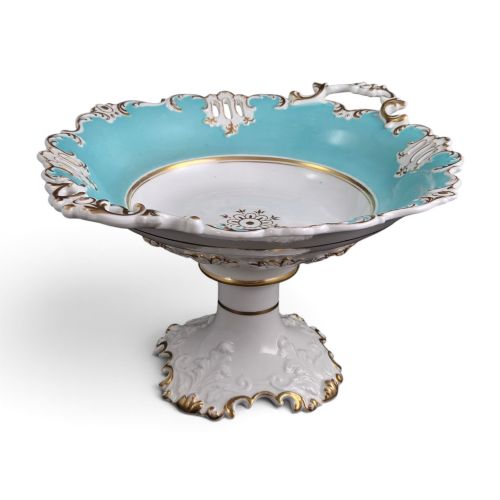
These antique china compote pieces are raised presentation bowls designed for fruit and sweetmeats, offering a striking centrepiece for a traditional table.
Antique China Compote
An antique china compote is a raised pedestal bowl designed to display fruit or sweetmeats on the dining table, combining practical service with decorative presence. These pieces emerge primarily from the nineteenth century, encompassing Georgian origins and later Victorian interpretations.
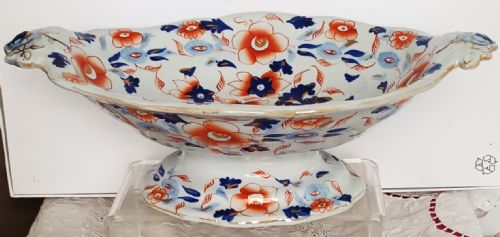
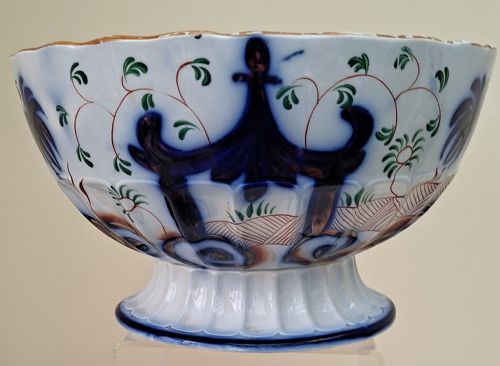
The most frequent examples on this page are footed bowls and tazzas rendered in ironstone or porcelain. You will regularly encounter transfer-printed and hand-painted patterns reflecting Chinoiserie and Japan taste influences.
Forms extend from single pedestals to part dessert services and sets of lattice bowls. Makers such as Minton, Coalport, Mason's, Swansea, and Royal Worcester dominate the material record.
Materials and construction
Potters shaped these vessels using durable ironstone and refined porcelain or bone china, building robust footed bases to elevate the bowl above the table surface. Ironstone provided a sturdy body for heavy use, while porcelain allowed for delicate, thinly potted tazzas.
Decoration relied on hand-painted enamel colours, transfer-printing in rich patterns like Pagoda and Mandarin, and applied gold leaf or gilt highlights. Glaze seals the ceramic body, protecting the underlying polychrome decoration on dessert services and pedestal bowls.
Antique China Compote Retail Price Guide 2026
Typical asking prices for china compote among the pieces listed under this phrase on Sellingantiques today, from the lower quarter to the upper quarter. They describe what is for sale here now, not the wider market.
Nineteenth-century diners loved artificial pagodas so much they happily ate fruit out of tiny ceramic ones.
Distinguishing quality
Quality rests upon the crispness of the moulding and the precision of the hand-painted enamels, where skilled brushwork elevates a simple ironstone body into a refined work of art. Finer pieces display crisp gilding and sophisticated depth in Chinoiserie motifs rather than flat, mechanical transfer lines.
The reputation of the pottery and the complexity of the form dictate the standing of a compote within its period. Elaborate Rococo Revival moulding and documented factory marks from makers like Minton or Coalport signal superior workshop execution.
Minton·Coalport·Swansea·Royal Worcester
The Antique China Compote Glossary
- Compote
- A raised bowl on a pedestal stem used historically for serving fruit or preserves at the end of a meal.
- Tazza
- A shallow saucer-like dish or bowl set upon a foot or pedestal, frequently used interchangeably with compote in nineteenth-century dining.
- Ironstone
- A patented heavy earthenware developed in the nineteenth century that mimics porcelain for durability and strength.
- Chinoiserie
- European artistic styles reflecting Chinese motifs, popular in Georgian and Victorian ceramic decoration.
- Gilt
- A thin layer of gold applied to the ceramic surface to highlight rims, handles, and moulded details.
Antique China Compote: Frequently Asked Questions
What is an antique china compote used for?
These elevated vessels were traditionally placed in the centre of the dining table to hold fresh fruit, nuts, or sweetmeats during the dessert course of a formal meal.
Today, they serve equally well as decorative centrepieces on sideboards or as standalone display items that highlight nineteenth-century ceramic artistry.
How do I date an antique compote?
Dating relies on examining the ceramic body, glaze characteristics, and the style of decoration, such as Regency or Rococo Revival moulding. Factory marks stamped or painted on the underside provide the most reliable indicator of age and origin.
Comparing the pattern name and border style against known production periods of makers like Minton or Coalport narrows the manufacturing decade.
Can I use my compote for serving food?
While these pieces were originally functional tableware, nineteenth-century ironstone and porcelain can contain historical glazes that warrant careful handling. Modern hand washing with mild soap protects the enamel colours and delicate gilding from damage.
Avoiding abrasive scrubbers and dishwashers preserves the integrity of antique porcelain and ironstone surfaces for display and occasional use.