




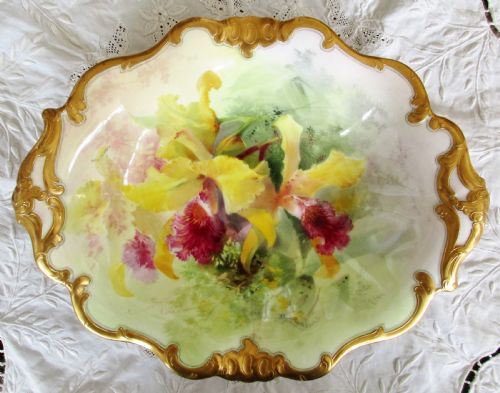
Antique China Bowl
When you search for an antique china bowl, you uncover centuries of ceramic artistry spanning English porcelain, Japanese Imari, and Chinese export wares.
Antique China Bowl
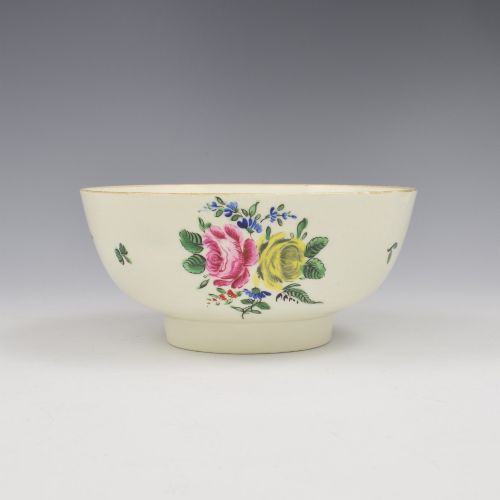
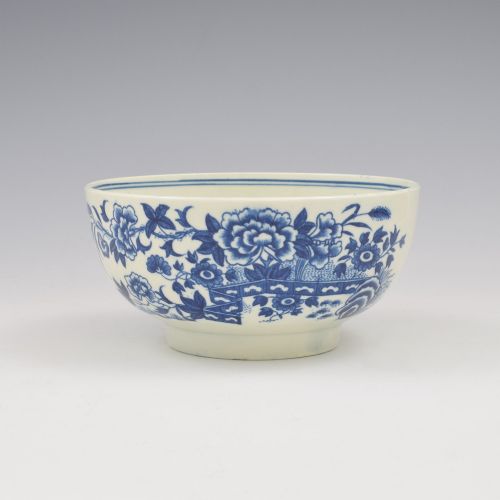
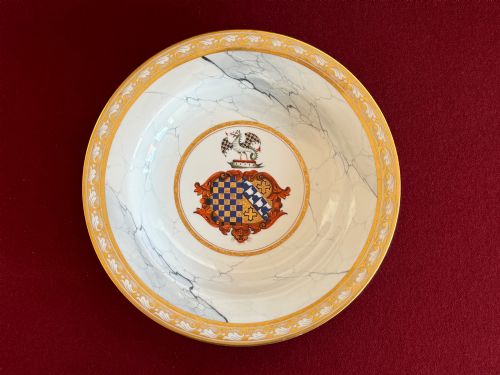
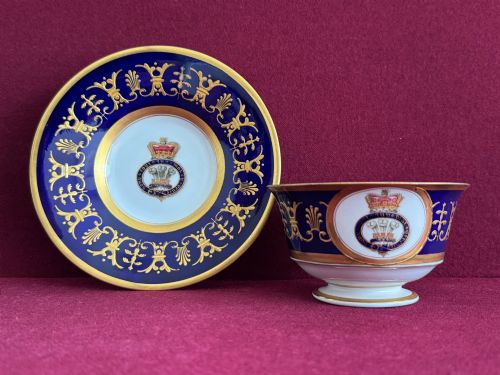
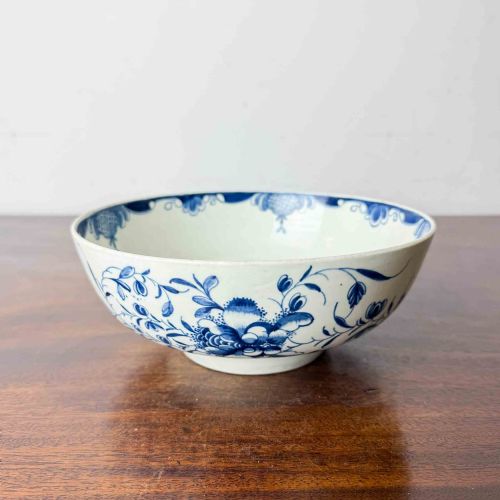
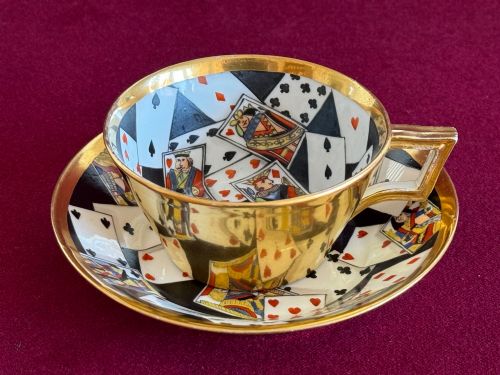
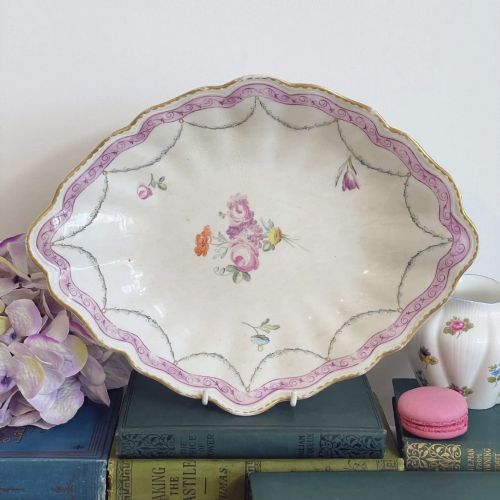
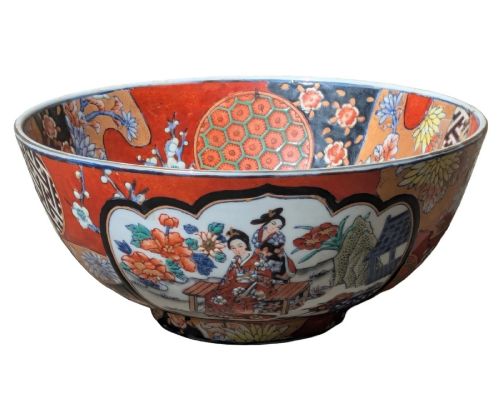
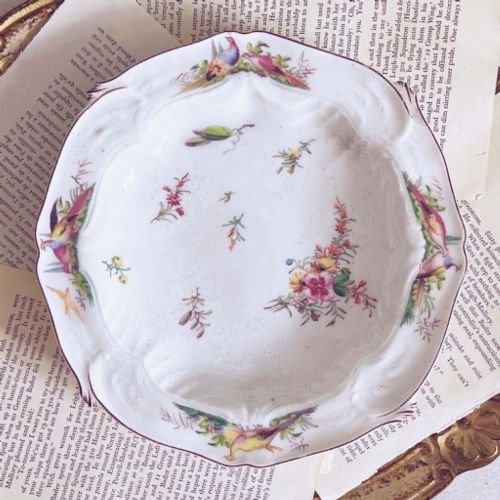
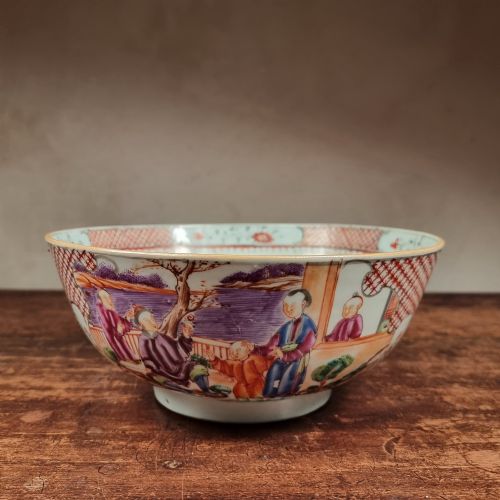
An antique china bowl encompasses a wide range of vessels from functional slop bowls and tea bowls to large decorative centrepieces. When you search for an antique china bowl on this page, you encounter pieces originating from eighteenth-century English factories, Victorian households, and Asian export kilns.
Makers ranged from prominent English potteries like Derby, Chelsea, and Spode to Chinese provincial kilns and Japanese workshops. Each piece offers a tangible link to historical dining and interior decoration.
Materials and manufacturing methods
Potters utilised fine porcelain, bone china, and heavy-bodied ironstone to form these vessels, applying glaze and enamel to seal and colour the body. Many pieces incorporate hand-painted polychrome decoration, transfer printing, and applied gold leaf or gilt highlights.
Firing techniques evolved from early eighteenth-century hard-paste and soft-paste porcelain recipes to nineteenth-century ironstone formulations designed for durability. Artisans combined cobalt blue underglaze painting with overglaze enamels to achieve rich pictorial scenes and geometric borders.
Antique China Bowl Retail Price Guide 2026
Typical asking prices for china bowl among the pieces listed under this phrase on Sellingantiques today, from the lower quarter to the upper quarter. They describe what is for sale here now, not the wider market.
Georgian tea drinkers apparently generated enough waste leaves to justify dedicated slop bowls on every respectable afternoon table.
Distinctions in quality and execution
The distinction between standard commercial output and superior ceramic art rests upon the precision of the hand-painting and the clarity of the glaze. Finer vessels display crisp enamel work, controlled gilding, and balanced proportions without distortion from the kiln.
Early porcelain bodies from periods such as the eighteenth century exhibit a distinct translucency and depth in the glaze compared to later mass-produced ironstone. Superior examples maintain crisp detail in moulded elements and vibrant, unfaded polychrome palettes.
Dr Wall Worcester·Barr and Barr·Royal Crown Derby·Mason's Ironstone·Wedgwood·Mintons
The Antique China Bowl Glossary
- Slop bowl
- A large bowl used during tea service to discard spent tea leaves and dregs. It sits alongside the teapot and sugar basin in a complete set.
- Ironstone
- A dense, durable type of earthenware patented in the nineteenth century. It resists chipping and served as a robust alternative to fine porcelain for everyday dining.
- Imari
- A style of Japanese porcelain decorated in underglaze blue, iron red, and gold, which heavily influenced European factories. English potteries frequently produced their own versions of this vibrant aesthetic.
- Soft-paste porcelain
- An artificial porcelain composition fired at lower temperatures than hard-paste porcelain. It produces a warm, creamy glaze texture common in early English factories.
- Chinoiserie
- European artistic interpretation of Chinese and East Asian decorative motifs. It appears frequently on eighteenth- and nineteenth-century ceramics.
Antique China Bowl: Frequently Asked Questions
How do I identify an eighteenth-century bowl?
Eighteenth-century bowls often feature soft-paste porcelain bodies with characteristic glaze pooling and hand-painted underglaze blue or polychrome enamels. Examining the foot rim and weight helps distinguish these early pieces from later Victorian reproductions.
Makers' marks, when present, provide further chronological clues, though many early pieces relied on painter numerals or imitation Oriental symbols rather than factory stamps.
What is the difference between porcelain and ironstone?
Porcelain is a vitrified ceramic fired at high temperatures, resulting in a fine, translucent body that rings when struck gently. Ironstone is a heavier, opaque earthenware developed in the nineteenth century for increased durability during heavy domestic use.
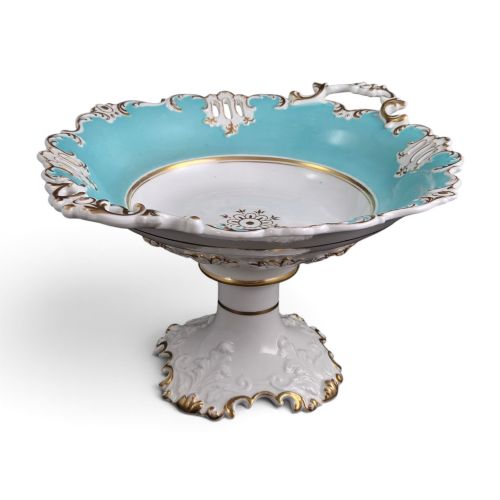
While porcelain prioritised refined aesthetics and thin walls for teawares, ironstone suited large tureens, footed comports, and robust dinner services.
How should I clean my antique bowl?
Antique ceramic vessels require gentle hand washing in lukewarm water with mild detergent. Avoid abrasive sponges, harsh chemical cleaners, and dishwashers, which can damage delicate overglaze enamels and antique gilding.
Dry the piece immediately with a soft, lint-free cloth to prevent water spots on vulnerable glazes or unglazed foot rims.
Can I use antique bowls for serving food?
Most antique bowls can safely hold dry foods or fruit, but acidic or greasy items may stain aged glazes and unglazed areas. Fine eighteenth-century porcelain and pieces with delicate overglaze enamel or gold leaf are best reserved for display.
Ironstone and sturdier Victorian pieces handle light daily service better, though thermal shock from boiling liquids should still be avoided.