





Antique Child Drawing
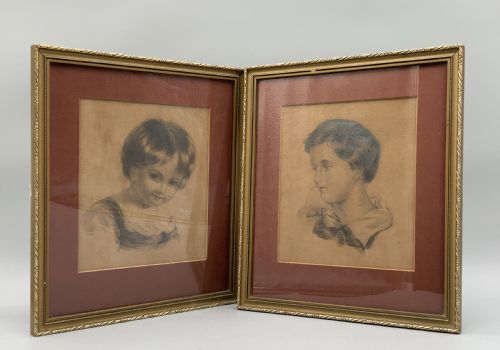
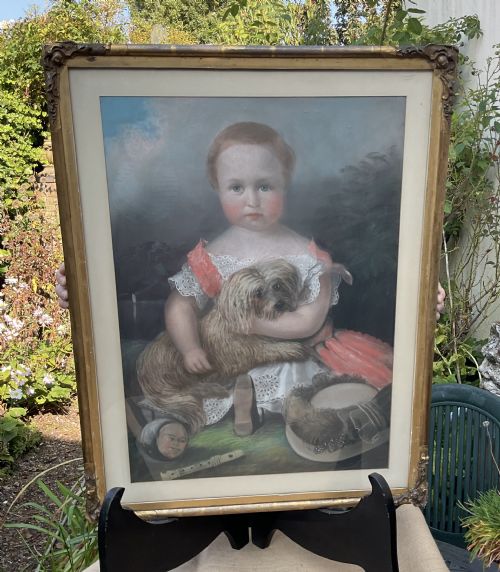
An antique child drawing captures youth through graphite, pastel, and pencil on paper, offering an intimate glimpse into past centuries.
Antique Child Drawing
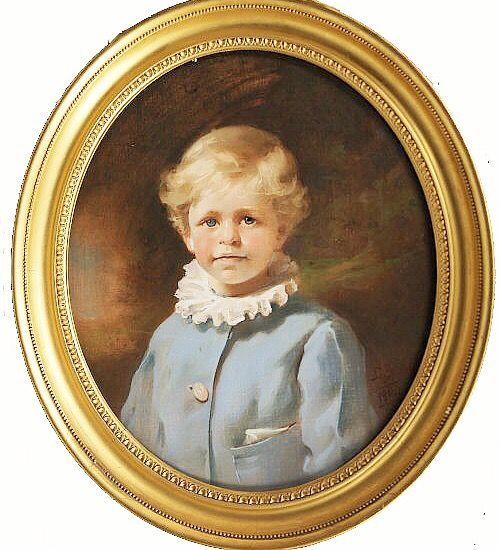
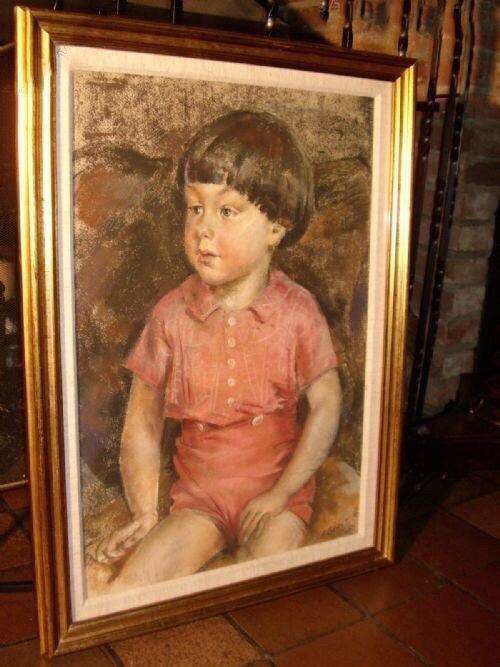
When you search for an antique child drawing, you encounter works spanning the Georgian, Regency, and Victorian periods, alongside later 20th-century examples. The selection includes framed portraits, wall art, and sketches depicting young subjects, often rendered by skilled artists.
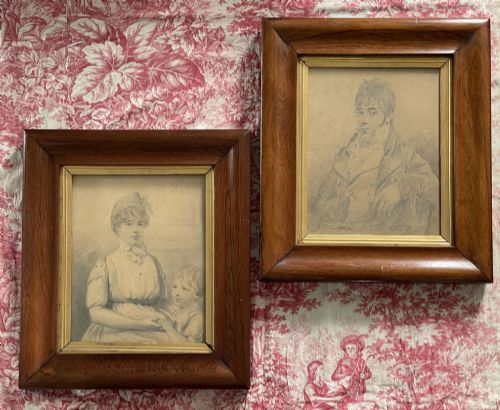
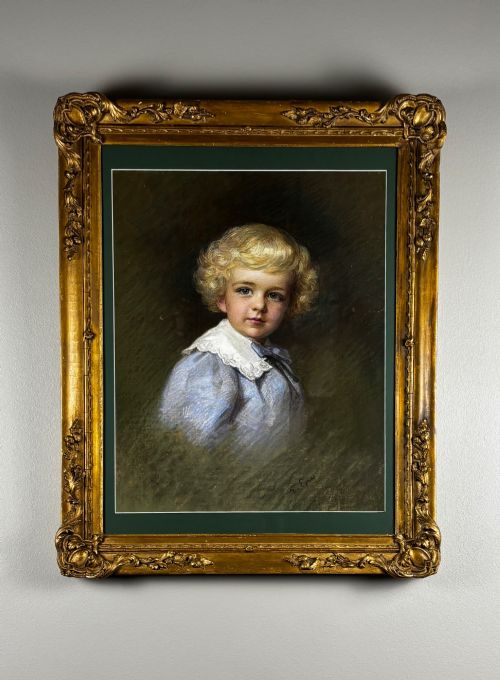
You are most likely to meet pastel portraits and delicate pencil drawings housed in period frames, such as gilded wood or giltwood surrounds. These works range from intimate studies of motherhood and babies to formal depictions of young boys and girls.
The materials and origins vary considerably, touching upon British and French schools. Pieces stretch from the 18th century through the Edwardian era and into Art Deco and 19th-century modern styles.
Assessing quality and execution
The distinction between standard works and exceptional pieces lies in the precision of the draughtsmanship and the expressive capture of the subject. Skilled handling of pastel or graphite brings a lifelike depth to the young faces.
Condition of the paper and the integrity of the original framing elements influence the desirability of the piece. Attribution to named artists or recognised circles elevates the historical importance of the artwork.
Antique Child Drawing Retail Price Guide 2026
Typical asking prices for child drawing among the pieces listed under this phrase on Sellingantiques today, from the lower quarter to the upper quarter. They describe what is for sale here now, not the wider market.
A three-month-old infant named Robert Spearman Swinburne was immortalised at the mature age of three years in an ink and watercolour portrait.
Emily Eyres·Leon Sprinck·J.A. Grant·Arthur Pond·Baden Powell·Henry Edridge·Richard Cosway·Pietro Da Cortona
The Antique Child Drawing Glossary
- Pastel
- A dry medium consisting of powdered pigment and a binder, frequently utilised for portraits. It yields soft colours and velvety textures.
- Graphite
- A form of carbon used for drawing, capable of producing fine lines and subtle tonal gradations. It is common in Regency sketches.
- Giltwood
- Wood carved and covered with a thin layer of gold leaf. This material frequently frames Victorian and Georgian portraits.
- Naive art
- Artwork created by an artist without formal training, characterised by a direct and unpretentious perspective. Such pieces often display charming stylistic quirks.
- Gouache
- An opaque watercolour medium containing a white pigment filler. It creates dense, flat areas of colour alongside pastel work.
Antique Child Drawing: Frequently Asked Questions
How do I date an antique child drawing?
Dating relies heavily on costume, hair styling, and the framing materials used in the piece. Inscriptions on the reverse or stylistic indicators matching Georgian, Regency, or Victorian eras also provide clear chronological markers.
Paper quality and mounting techniques further help establish the period of creation without needing signature verification.
Were these drawings meant for public display?
Most portrait drawings of children were commissioned by families to record youth and lineage for private domestic display. They hung in drawing rooms and family chambers rather than public galleries.
Over time, many transitioned into the broader art market as collectible historical artefacts.
What is the difference between pastel and pencil works?
Pencil and graphite drawings rely on precise line work and monochrome tonal shading to define the subject. Pastel works introduce soft, blended colour pigments that create painterly effects on paper or canvas.
Both mediums required careful protection behind glass to prevent smudging and environmental damage.
How should I care for framed drawings on paper?
Works on paper demand stable indoor humidity and protection from direct sunlight to prevent fading of pastels and inks. Acid-free backing materials within the frame preserve the paper over decades.
Displaying pieces away from heat sources ensures the wood frames and underlying mediums remain stable.