
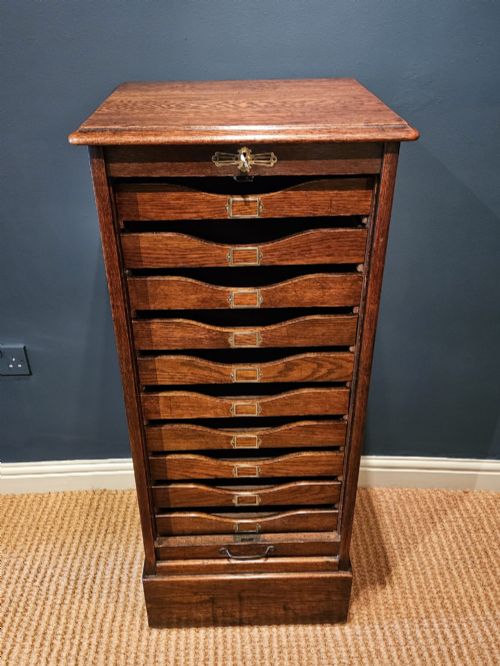


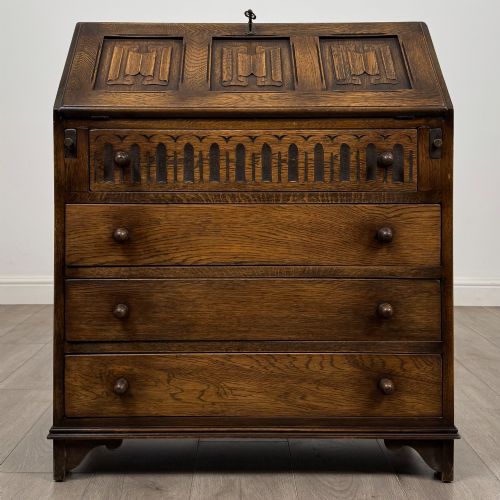
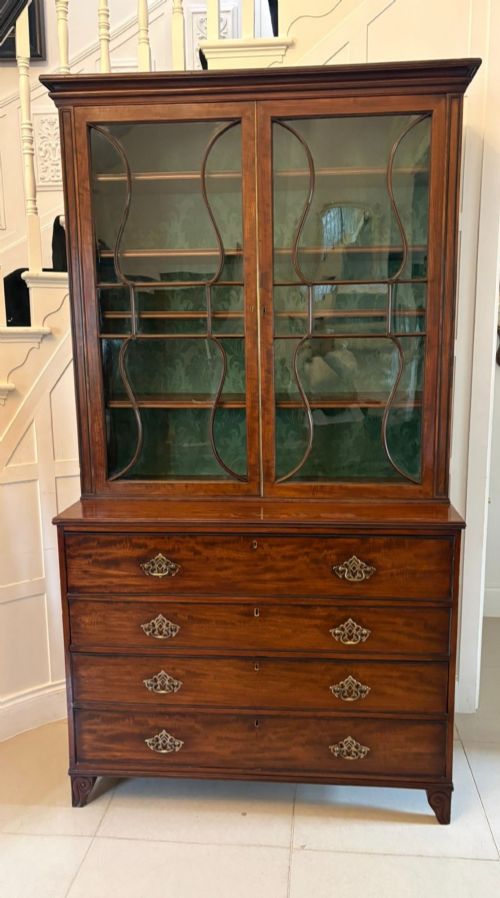

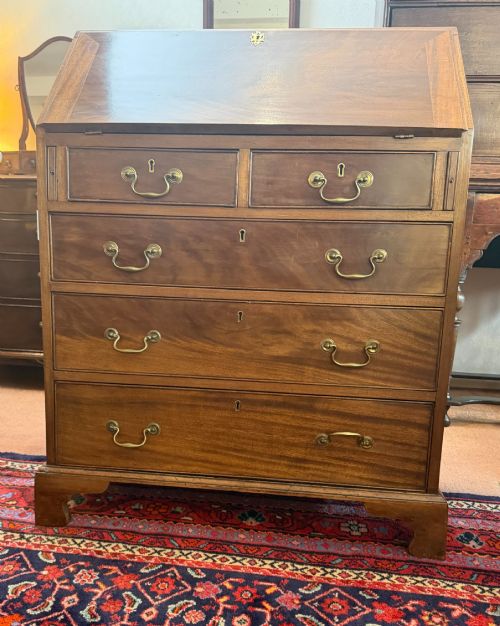
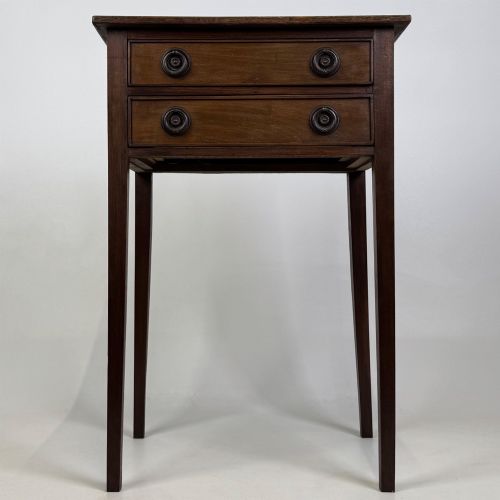
Antique Chest with Desk
An antique chest with desk combines practical storage with a dedicated writing surface, bringing centuries of craftsmanship directly into your study.
Antique Chest with Desk
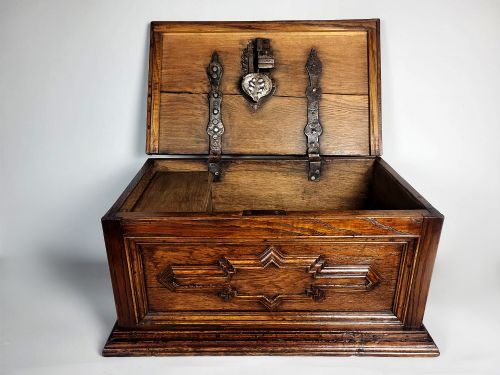
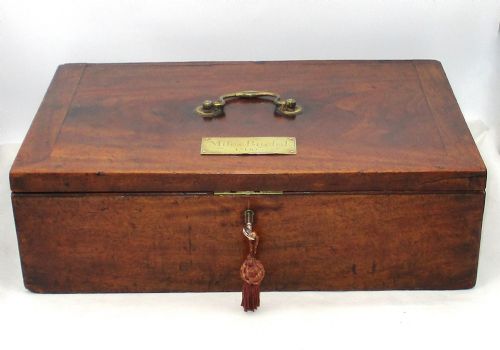
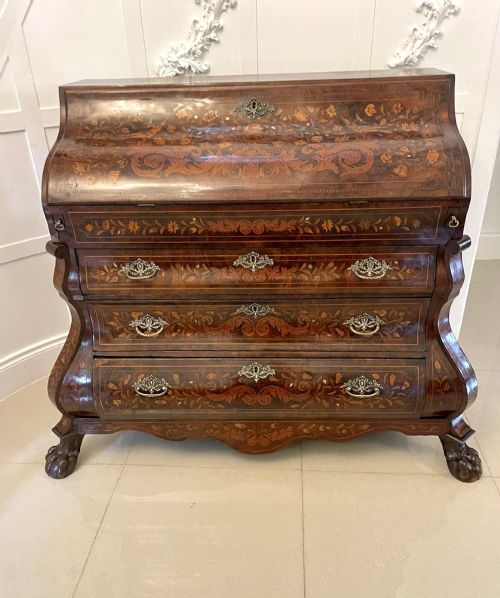
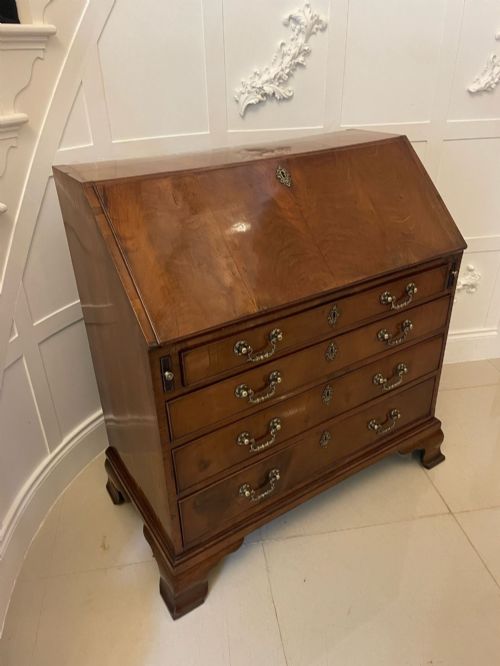
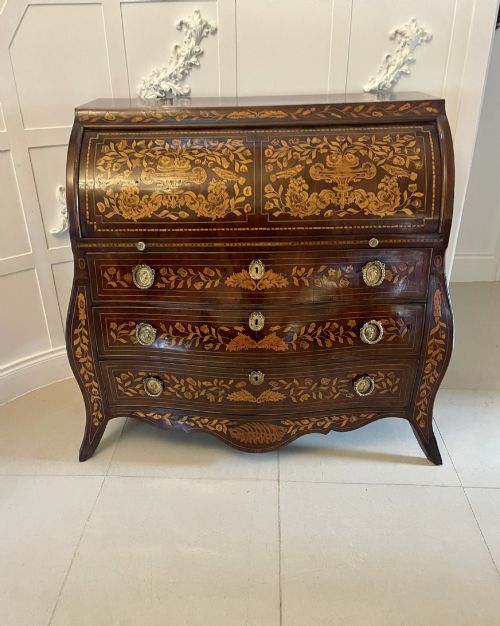
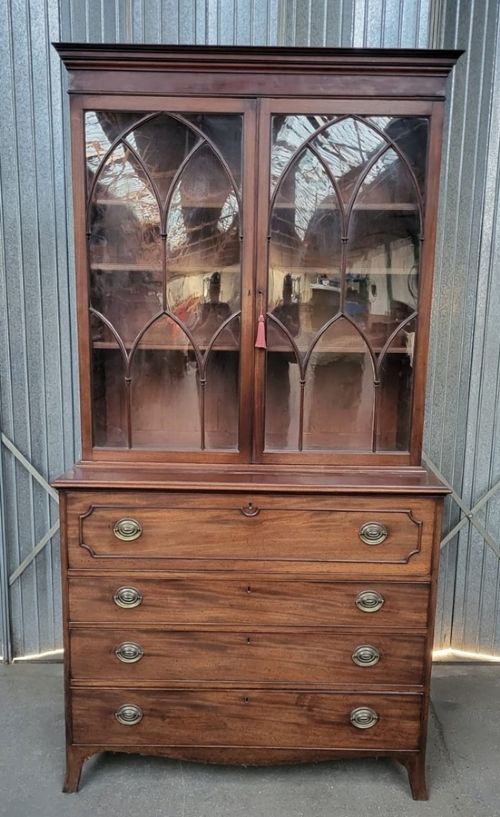
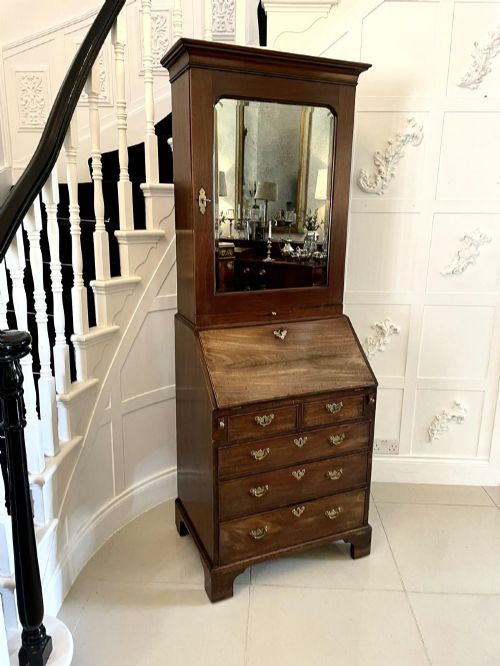
When you search for an antique chest with desk, you examine dual-purpose forms that conceal a writing space within a traditional storage carcass. These hybrid pieces range from formal walnut and mahogany bureaux to fitted gentleman's dressing chests equipped with sliding surfaces.
You are most likely to encounter Georgian and Victorian iterations on this page, spanning centuries of British domestic design. The forms vary from drop-front writing desks to Wellington chests featuring locking mechanisms that secure internal compartments.
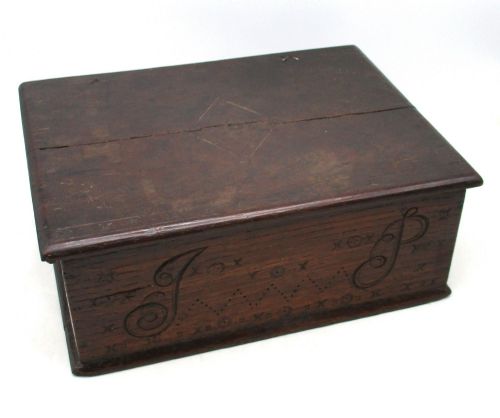
The tradition encompasses oak, walnut, and mahogany examples created for writing, grooming, and correspondence. Each piece reflects the shifting domestic requirements of past centuries, housing letters, ledgers, and personal effects.
Materials and construction methods
Cabinet makers utilised dense hardwoods such as mahogany, oak, and walnut, often applying figured veneers to exterior surfaces. These timbers provide structural stability for folding writing flaps and heavy drawer loads.
Listings feature walnut, mahogany, and oak pieces spanning the 17th through the 20th centuries, incorporating brass hardware and leather writing surfaces.
Distinctions in quality and execution
The division between standard examples and superior pieces rests on the selection of timber veneers and the intricacy of internal pigeonholes. Highly figured walnut or flame mahogany indicates a higher grade of material selected by the cabinet maker.
Original hardware, including brass handles and complex steel locks, elevates a piece significantly beyond examples with modern replacements. The precision of dovetailing and the retention of original polish demonstrate the maker's original skill.
The Antique Chest with Desk Glossary
- Bureau
- A desk with a sloping hinged lid that covers compartments for papers. This form often sits atop a chest of drawers.
- Secretaire
- A piece of furniture containing a drawer or compartment that pulls out for writing. It frequently disguises itself as a standard chest of drawers until opened.
- Veneer
- A thin layer of superior wood applied to a base of common timber. Cabinet makers utilise figured walnut and mahogany to create decorative exterior patterns.
- Dovetail
- A joint formed by interlocking wedge-shaped fingers. This traditional method secures drawer corners with exceptional strength.
- Fall front
- A hinged panel that drops down to form a horizontal writing surface. It conceals internal stationery drawers when closed.
Antique Chest with Desk: Frequently Asked Questions
What is a bureau?
A bureau is a desk featuring a hinged sloping lid that opens to reveal internal compartments and pigeonholes for writing.
In many examples, this writing section sits directly above a standard chest of drawers, combining storage with a workspace.
How do I use a secretaire?
A secretaire incorporates a pull-out drawer designed to function as a writing desk while maintaining the external appearance of a chest.
You pull the disguised drawer forward and lower the front flap to access the leather-lined writing surface and internal stationery drawers.
Are these desks suitable for daily work?
These pieces accommodate modern writing tasks and laptop use, provided you verify the internal depth and height of the open writing flap.
Careful placement and proper chair selection ensure comfortable daily use while protecting antique leather writing surfaces from damage.
How do I identify the period?
Period identification relies on observing timber choices, construction techniques, handle styles, and overall proportions across the piece.
Georgian pieces often display rich mahogany or walnut with hand-cut dovetails, whereas Victorian examples introduce different locking mechanisms and denser polishes.