



Antique Chest Top Mirror
An antique chest top mirror sits comfortably upon dressing furniture, offering a practical glass surface for daily grooming while completing the silhouette of period bedroom pieces.
Antique Chest Top Mirror
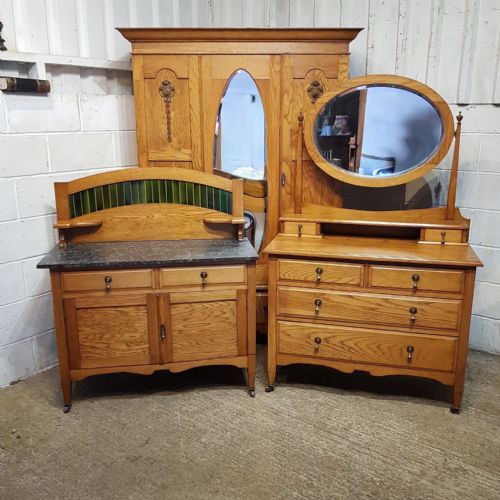
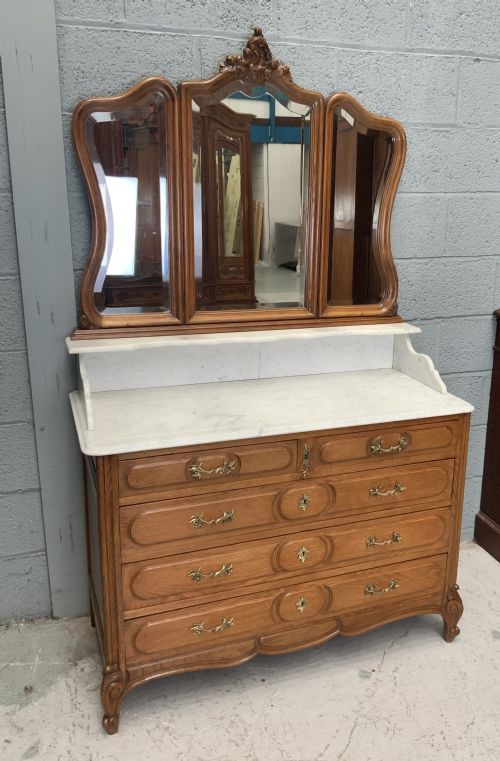
When you search for an antique chest top mirror, you encounter pieces designed to mount upon or rest atop dressing chests, washstands, and dressing tables. These mirrors provide the vertical reflective element for a bedroom setup, integrating directly with surface furniture.
The versions you are most likely to meet on this page span the Victorian and Edwardian eras, alongside pieces influenced by Georgian forms and Arts and Crafts principles. They appear in woods such as mahogany, oak, and walnut, frequently accompanying larger bedroom furniture suites.
Makers integrated these glass panels into dressing stands and mirrored back chests of drawers, often incorporating swivelling frames to adjust the angle of reflection. Such pieces serve as both standalone tabletop items and integrated components of larger furniture groupings.
How they were made
Cabinet makers utilised dense hardwoods including mahogany, oak, and walnut to construct the sturdy frames and support brackets required to hold heavy glass plates secure. Carpenters shaped these timbers using traditional joinery methods, sometimes employing marquetry inlay or carved detailing to ornament the surrounding wood.
Brass fittings and hardware frequently secure the swinging mirror frames to their side supports, allowing smooth adjustment without straining the timber joints. Glass panels were bevelled and set into rebated frames, backed by protective wooden panels to prevent damage.
What varies in quality
The calibre of timber selection and depth of cabinet work separate standard examples from finer pieces, particularly in the crispness of carved mouldings and the precision of joint construction. Superior specimens employ well-figured mahogany or walnut with harmonious grain patterns across both the mirror frame and the supporting base.
The condition and original weight of the glass plate also influence the overall standard, alongside the durability of the brass pivot screws and mounting brackets. Finer examples maintain original silvering on the glass and retain matching timber patination throughout the support structure.
The Antique Chest Top Mirror Glossary
- Cheval mirror
- A full-length mirror hung in a frame that allows it to tilt, though smaller table top versions sit directly on furniture surfaces.
- Marquetry
- Decorative inlay work where thin slices of wood veneer are fitted together to form geometric or floral patterns on the surface.
- Bevel
- An edge ground and polished to an angle along the perimeter of the glass plate, catching the light and adding a refined finish.
- Washstand
- A piece of bedroom furniture designed to hold a basin and jug, frequently featuring a marble top and a mirrored back.
Antique Chest Top Mirror: Frequently Asked Questions
How do I secure a chest top mirror?
Most chest top mirrors rest on dedicated mounting arms attached to the back of a dressing chest or washstand, secured by threaded brass screws.
Ensure the weight is balanced evenly across the surface of the chest to prevent tipping or strain on the backboards.
Were these mirrors sold separately from chests?
Makers produced these mirrors both as integrated components of dressing furniture and as matching additions purchased to sit upon existing chests of drawers.
Over time, separate pieces often became permanently paired with specific chests based on wood type and proportion.
What woods match an Edwardian mirror?
Edwardian mirrors commonly appear in mahogany, walnut, and satinwood, often featuring light marquetry or inlaid banding.
When pairing a mirror with an older chest, look for matching grain patterns and similar warm finishes to maintain visual harmony.
How do I clean an antique mirror glass?
Wipe the glass gently with a soft cloth and a mild, ammonia-free cleaning solution applied to the cloth rather than sprayed directly onto the surface.
Take care to avoid letting moisture seep beneath the wooden frame edges where the original silvering may be delicate.