



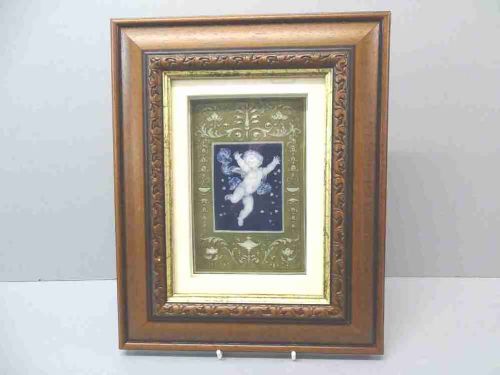


Antique Cherub Wall Plaques
These antique cherub wall plaques bring expressive, sculptural character to a room through carved timber, glazed ceramic, and plaster reliefs.
Antique Cherub Wall Plaques
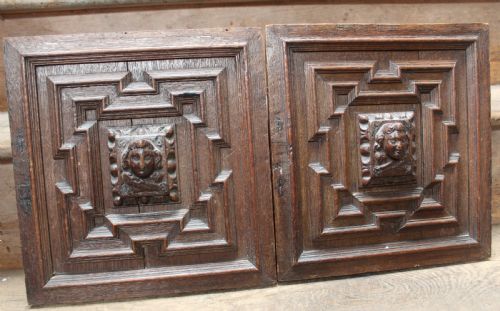
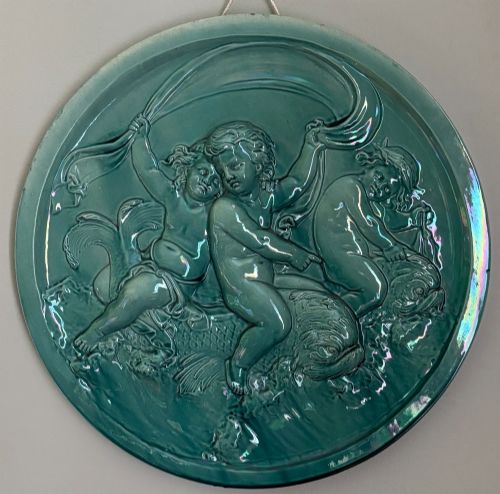
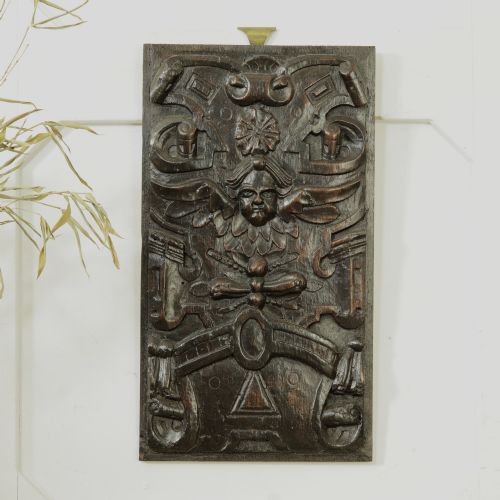
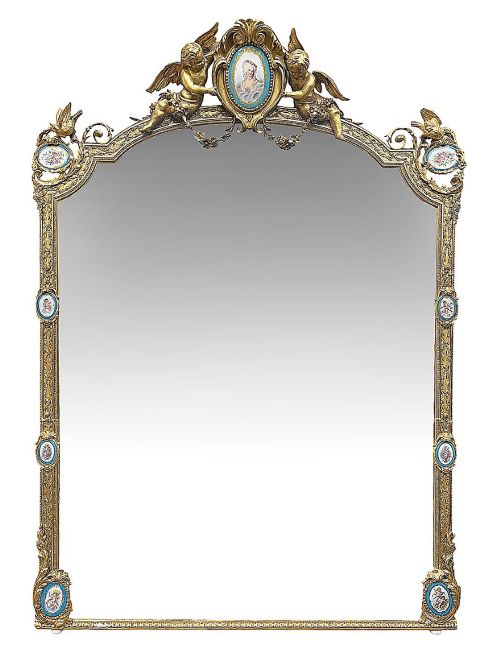
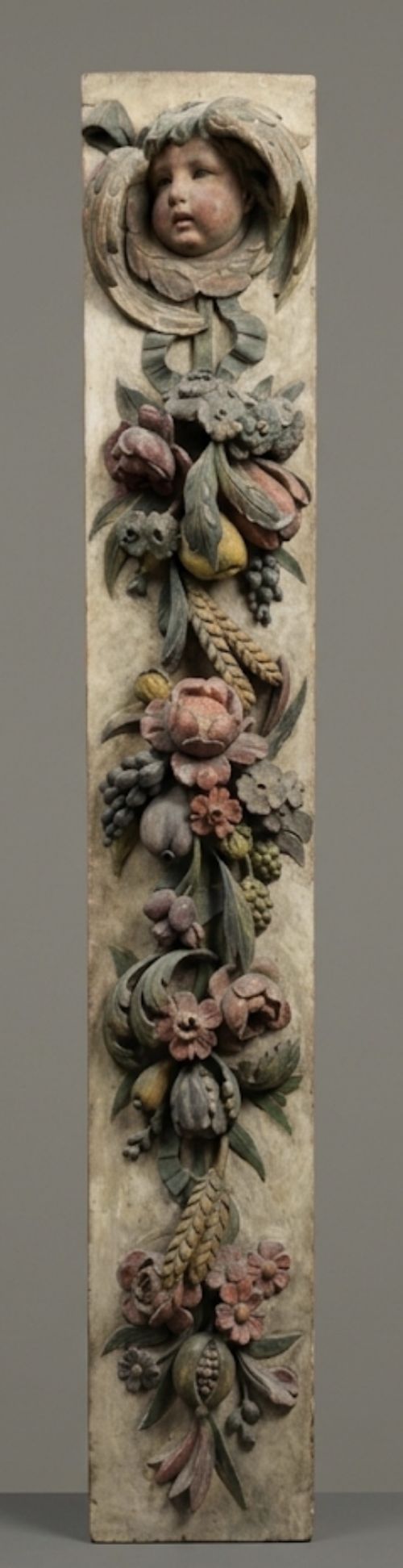
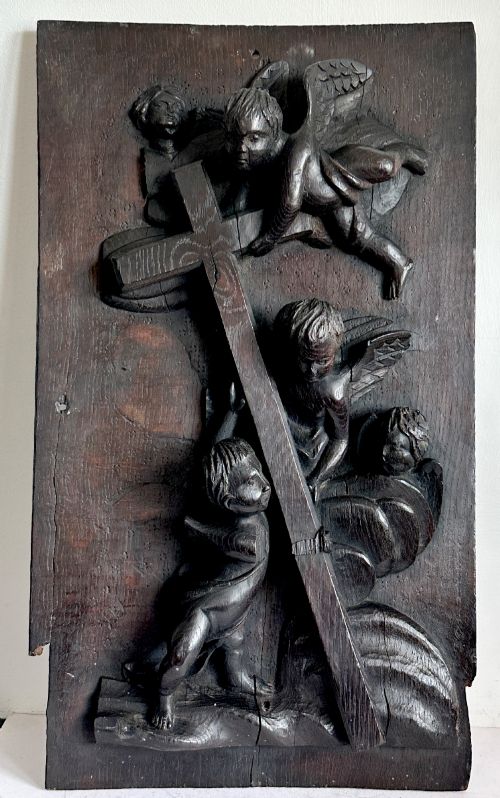
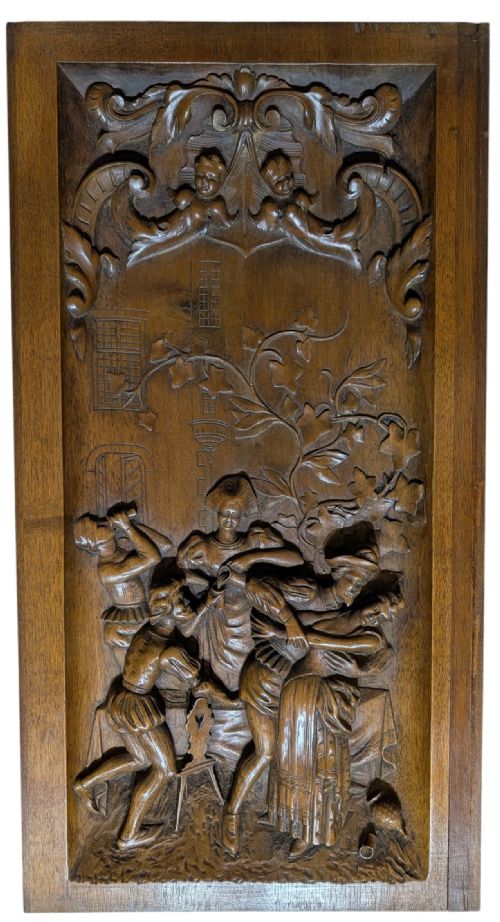
When you search for antique cherub wall plaques, you encounter architectural reliefs, timber panels, and ceramic pieces produced across several centuries. The selection spans carved oak representations from the seventeenth and eighteenth centuries alongside later Edwardian plaster friezes and earthenware plaques.
The forms range from single winged heads to dynamic figural groupings in high relief. These works often originate as architectural salvage or devotional items adapted for interior display.
How they were made
Carvers shaped the timber panels directly from solid woods such as oak using gouges and chisels to achieve deep relief. Plaster and ceramic examples utilised moulds, sometimes enhanced with polychrome pigments, gilding, or specialised surface treatments like pate sur pate.
Makers integrated natural materials, applying gesso layers to prepare surfaces for metallic leaf or paint. Joinery and backing boards varied according to the period and whether the piece served an architectural function.
Antique Cherub Wall Plaques Retail Price Guide 2026
Typical asking prices for cherub wall plaques among the pieces listed under this phrase on Sellingantiques today, from the lower quarter to the upper quarter. They describe what is for sale here now, not the wider market.
Periods represented span from the seventeenth century through the Edwardian era.
What varies in quality
The definition and depth of the carving determine the visual strength of wooden and ceramic plaques. Crisp undercut details demonstrate superior skill compared to softer, worn surfaces.
Original surface finishes, including period polychrome or gilding, elevate the integrity of a piece. Later interventions or heavy overpainting alter the original aesthetic balance.
Clement Messier·Reginald Robert Tomlinson·Birks·Minton
The Antique Cherub Wall Plaques Glossary
- Relief
- Sculpture technique where figures project from a background plane. High relief places figures nearly detached from the surface.
- Polychrome
- Decorated in multiple colours. This term describes painted wooden or ceramic surfaces.
- Gesso
- A plaster mixture applied to wood surfaces as a base for gilding or painting. It provides a smooth ground for finer detail work.
- Putto
- A figure of a small chubby male child, often winged, found frequently in Renaissance and Baroque art. These motifs form the core subject of cherub plaques.
Antique Cherub Wall Plaques: Frequently Asked Questions
How do I hang heavy timber plaques?
Timber and slate plaques require secure wall anchors suited to the weight of the specific piece. Utilise brackets or concealed fixings that support the panel without stressing the historic wood.
Ensure the mounting hardware engages directly with wall studs or utilises appropriate masonry fixings.
Are these plaques purely decorative?
Many surviving examples originated as architectural salvage, friezes, or devotional panels rather than items made exclusively for wall display. Their migration into domestic interiors reflects a long tradition of repurposing architectural fragments.
Devotional plaques served religious functions in homes or chapels before entering the collector market.
How should I clean wooden reliefs?
Dust wooden carvings gently with a dry, soft brush to remove accumulation from recessed areas. Avoid liquid cleaners or polishes that can soften old timber or damage delicate gesso layers.
Maintain stable indoor humidity to prevent the historic wood from splitting or warping over time.
How do I distinguish oak periods?
Seventeenth-century oak panels typically display deeper, hand-carved acanthus leaves and robust joinery associated with Baroque or Jacobean styles. Later eighteenth-century pieces often introduce softer contours and different regional carving techniques.
Tool marks and the patina of the timber offer clues to the manufacturing era.