



Antique Cherub Decor
Antique cherub decor brings winged putti and mythical figures into domestic spaces through cast bronze, carved oak, and sterling silver.
Antique Cherub Decor
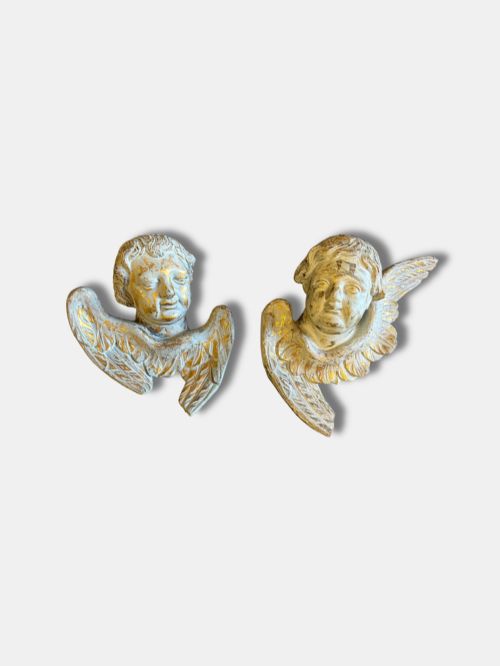
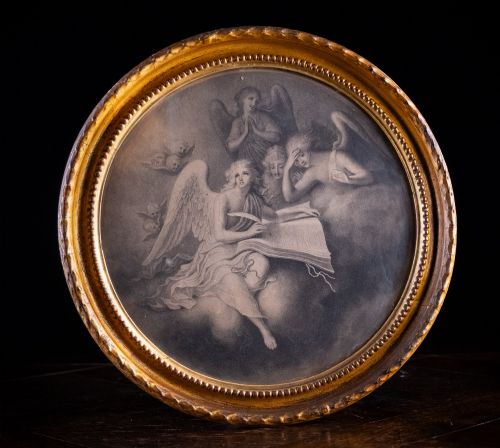
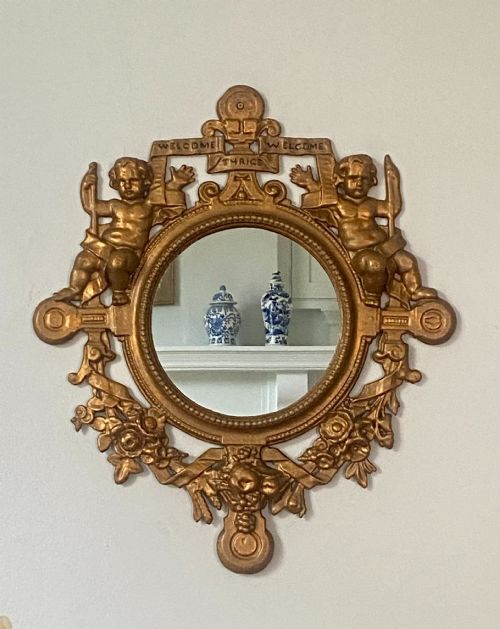
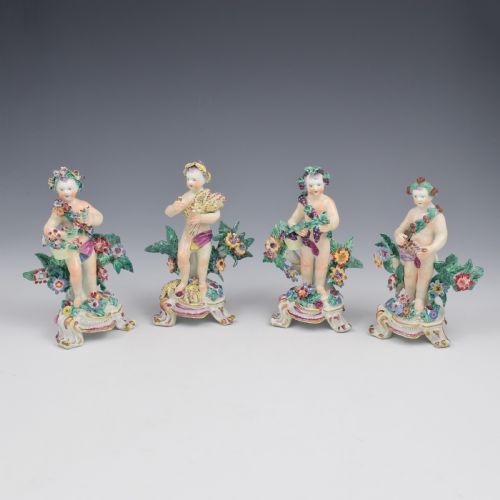
Antique cherub decor encompasses sculptural and functional objects featuring winged putti, angels, and mythological figures. These pieces range from dining table place card holders and fruit bowls to architectural wall corbels, fireplace accessories, and oil paintings.
The selection on this page spans several centuries, touching upon the seventeenth, eighteenth, nineteenth, and early twentieth periods. Buyers encounter items created under various artistic movements, including the French Rococo, Victorian Neoclassical, and Edwardian styles.
The most frequently met items utilise materials such as patinated bronze, sterling silver, plaster, and carved oak. Whether functioning as architectural salvage or domestic table centrepieces, these items reflect enduring classical motifs.
How antique cherub decor was made
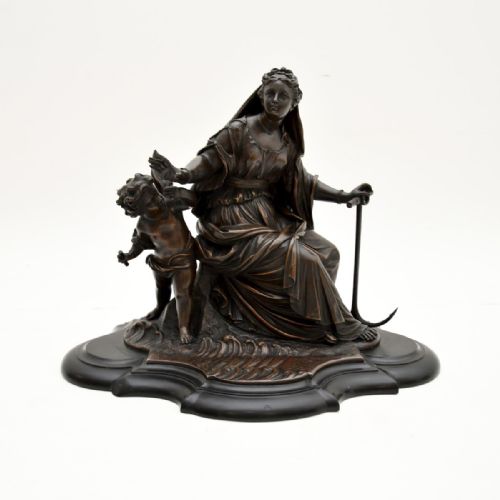
Metal objects rely on traditional casting techniques, utilising patinated bronze, gilt bronze, and sterling silver. Artisans shaped these metals into complex forms like decorative pitchers, chenets, and menu holders.
Wood and plaster items demonstrate detailed carving and moulding methods. Craftsmen worked with oak panels, plaster cast wall friezes, and architectural decorations to achieve high relief and intricate surface detail.
Painted works utilise oil on canvas, capturing figurative scenes through traditional brushwork. Relief plaques employ materials like leathermaché and ceramic compositions to render figures in three-dimensional form.
Antique Cherub Decor Retail Price Guide 2026
Typical asking prices for cherub decor among the pieces listed under this phrase on Sellingantiques today, from the lower quarter to the upper quarter. They describe what is for sale here now, not the wider market.
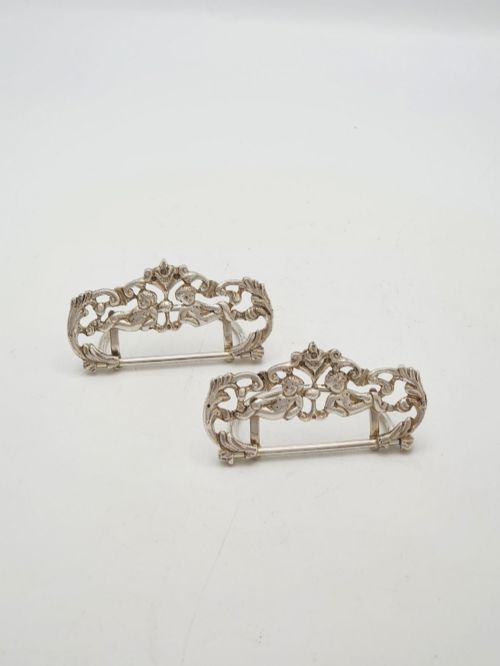
Angels occasionally moonlight as table concierge, holding up your dinner seating arrangements in solid silver.
What varies in quality in antique cherub decor
Material composition and surface finish contribute significantly to a piece's integrity. Genuine patination, well-preserved gilding, and careful silver fabrication distinguish superior items from coarser productions.
Jean Baptiste Isabey·Clodion·Reginald Robert Tomlinson
The Antique Cherub Decor Glossary
- Putto
- A plump, naked child figure, frequently winged, seen in classical and Renaissance art. These figures form the primary subject matter for much of the decor.
- Chenet
- An alternative term for a firedog, used in pairs to support logs in an open fireplace. They often incorporate decorative metal figures on the front.
- Corbel
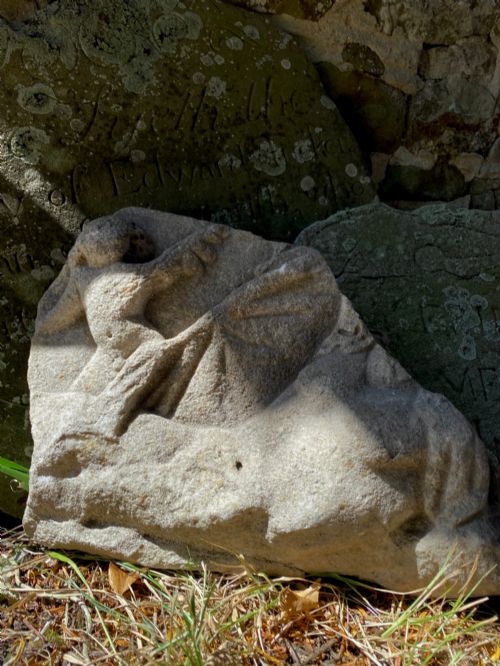
- A structural piece of stone, wood, or metal projecting from a wall to carry a weight. In decorative contexts, they take sculptural forms like angels or putti.
- Patinated bronze
- Bronze that has developed a thin, controlled surface layer through age or chemical treatment. This finish enhances the definition of sculptural details.
- Place card holder
- A small desk or table accessory designed to hold a name card at a dinner setting. Sterling silver examples often incorporate cherub motifs.
Antique Cherub Decor: Frequently Asked Questions
What is a putto?
A putto is a small, winged infant figure derived from classical art and frequently utilised in European sculpture and painting. These figures are often conflated with cherubs or cupids.
In decorative items, they appear across table accessories, wall brackets, and architectural panels from various centuries.
How were bronze cherub items finished?
Bronze objects were commonly cast and then treated to achieve either a patinated surface or an application of gold leaf. This finishing process protects the metal while accentuating sculptural contours.
French pieces from the nineteenth century frequently employ a combination of gilt and patinated bronze for visual contrast.
Where were wall corbels used?
Architectural corbels were built into interior walls to support heavier structural elements like mantelpieces or beams. Decorative versions also served purely aesthetic purposes in domestic rooms.
Carved wooden or plaster examples bring classical figurative elements directly into architectural spaces.
How do I care for silver place card holders?
Sterling silver items require gentle cleaning with a soft cloth to maintain their lustre without abrading the detailed relief work. Avoid harsh chemical dips that strip away desirable natural ageing.
Store them in dry conditions away from direct sunlight to preserve the metal.