




Antique Cherrywood Drawers
These antique cherrywood drawers bring a warm, dense timber and practical storage to a room, showing regional French and English cabinet-making traditions.
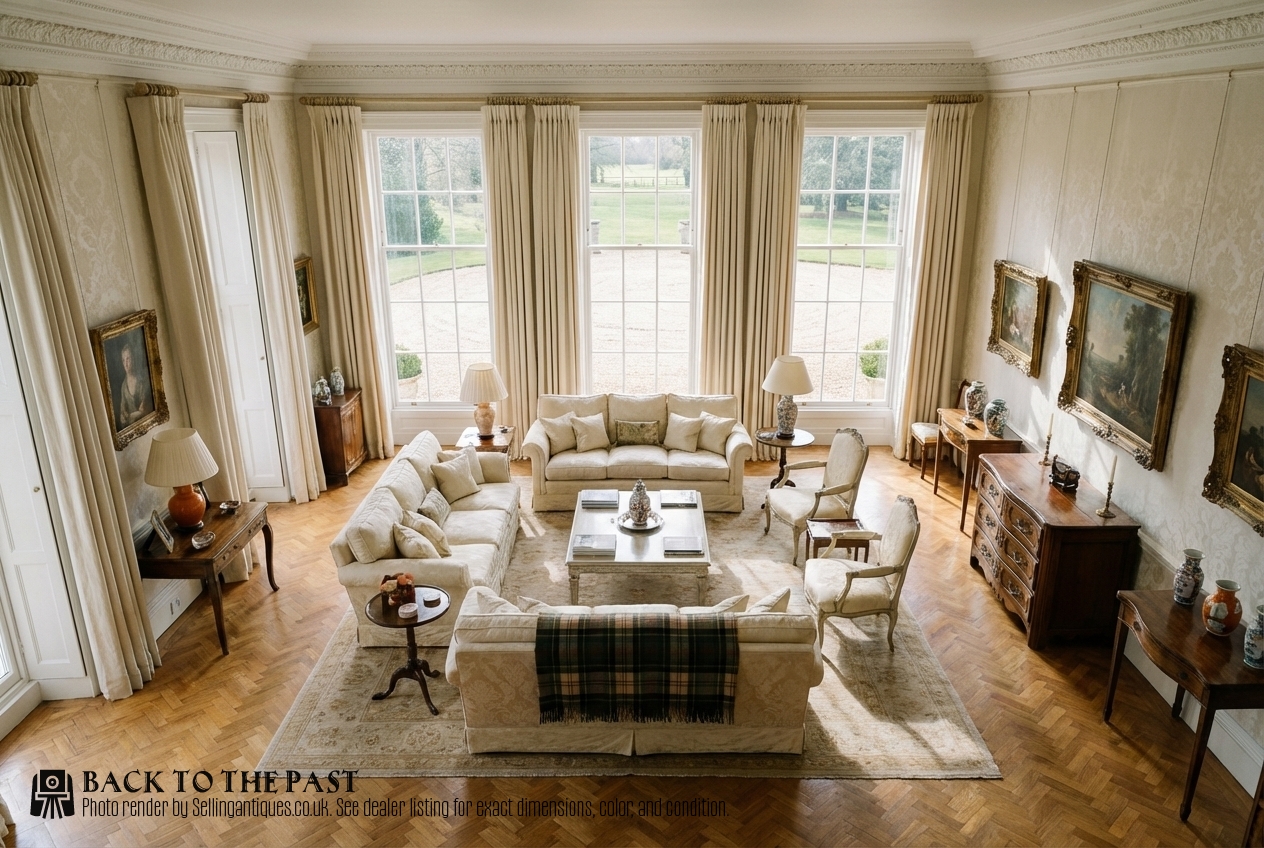
Antique Cherrywood Drawers
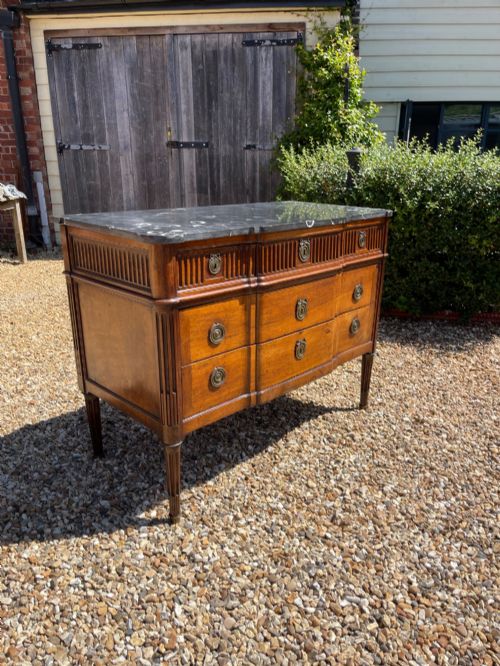
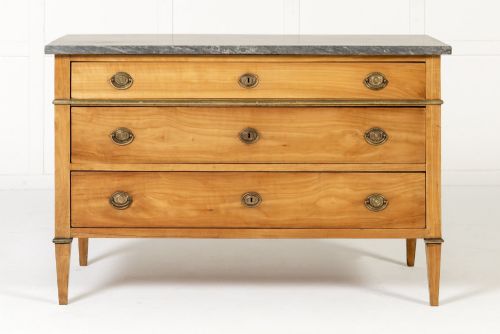
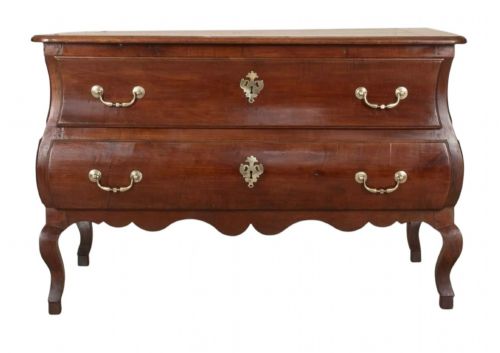
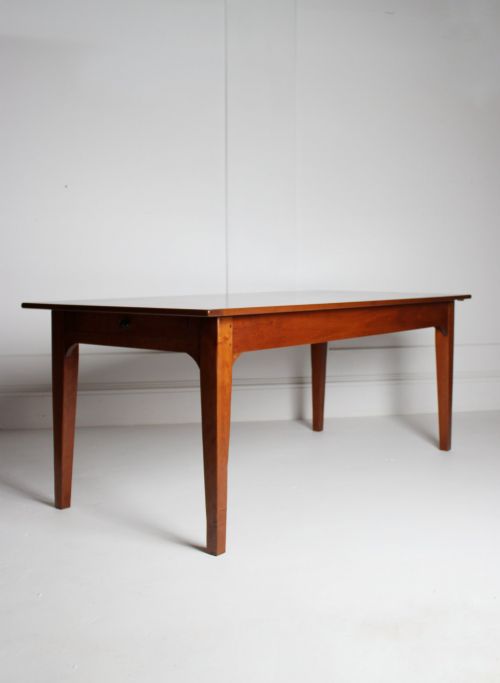
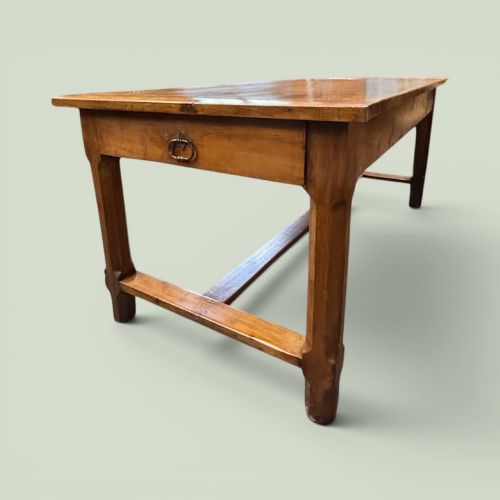
When you search for antique cherrywood drawers, you encounter a selection spanning the eighteenth and nineteenth centuries, dominated by provincial French commodes and lowboys. These pieces range from formal Georgian lowboys with cabriole legs to rustic farmhouse tables and servers fitted with working drawers.
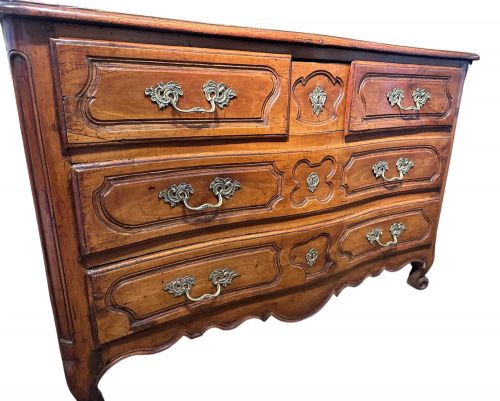
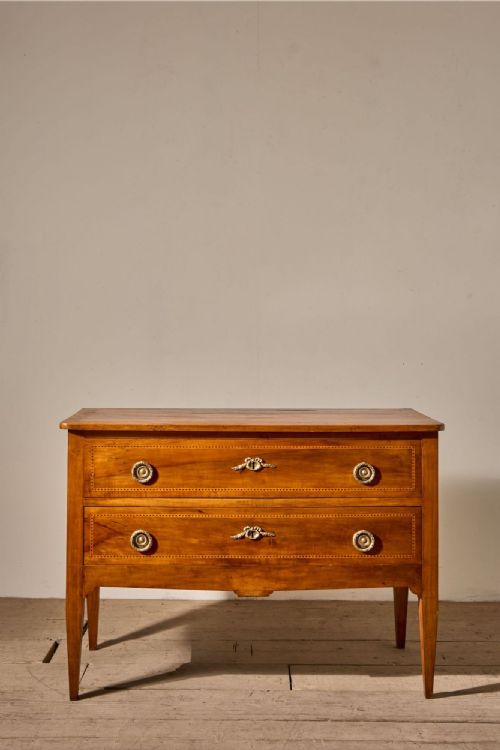
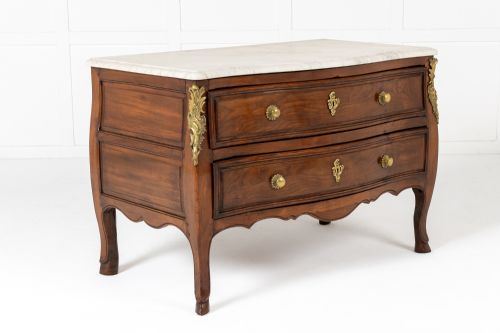
The commodes form the bulk of the selection, particularly eighteenth-century examples featuring serpentine fronts and generous proportions. Alongside these, buyers find occasional nineteenth-century chests, servers, and console tables incorporating integrated drawers into their designs.
Originating largely from regional French workshops and English domestic settings, these items reflect the practical domestic requirements of their periods. The timber itself ages gracefully, developing a deep reddish-brown patina that distinguishes it from walnut or oak.
How they were made
Cabinet-makers constructed these pieces using solid cherrywood, frequently paired with fruitwood or walnut for secondary framing and drawer linings. Brass hardware, including handles and escutcheons, provided functional and decorative accents against the warm timber.
Joinery techniques relied on traditional hand-cut dovetails for drawer construction and pegged mortise and tenon frames. Surfaces were typically finished with hand-applied wax or oil to nourish the wood and enhance its natural grain.
Object types include commodes, lowboys, dining tables, console tables, and serving tables in styles ranging from Georgian to French Provincial.
What varies in quality
The standard of execution in provincial cabinetry depends heavily on the crispness of the mouldings and the symmetry of the timber grain selected for the drawer fronts. Superior pieces exhibit careful book-matching or cohesive grain direction across the facade.
Structural integrity and the retention of original brass mounts heavily influence the overall standard. Pieces that retain their original drawer runners and unwarped timber panels demonstrate better initial construction and subsequent care.
The Antique Cherrywood Drawers Glossary
- Commode
- A low chest of drawers, often featuring decorative serpentine or bombe fronts originating from French provincial traditions. These pieces served primarily as bedside or principal bedroom storage.
- Lowboy
- A small seventeenth or eighteenth-century dressing table or side table with one or more drawers and cabriole legs. They were frequently constructed in English workshops using native fruitwoods.
- Serpentine
- A furniture front shape characterised by a undulating line with a convex centre flanked by concave curves. This contour requires skilled hand-carving from solid timber.
- Directoire
- A transitional style bridging Louis XVI and Empire periods, noted for neoclassical restraint and clean lines. Furniture from this era focuses on architectural simplicity rather than excessive ornamentation.
- Cabriole
- A furniture leg that curves out and then tapers in, traditionally mimicking animal legs. This form appears frequently on eighteenth-century provincial tables and lowboys.
Antique Cherrywood Drawers: Frequently Asked Questions
How do I care for antique cherrywood?
Maintain the timber by applying a microcrystalline wax periodically and keeping the furniture away from direct heat sources and strong sunlight.
Avoid using modern silicone polishes, as these build up and dull the natural patina developed over centuries of handling.
Are these pieces French or English?
The selection includes both regional French provincial pieces, such as commodes and farmhouse tables, and English examples like George II lowboys.
French pieces often feature softer serpentine lines and fruitwood secondary timbers, while English pieces tend towards rectilinear proportions.
How can I date an eighteenth-century commode?
Examine the drawer construction for hand-cut dovetails, irregular hand-planed timber boards on the back and interior, and the fit of the framing.
Tool marks and the type of secondary wood used inside the drawers also provide reliable indicators of the manufacturing period.
What is fruitwood used for?
Fruitwood, including cherry and pear, served as a local alternative to imported hardwoods for regional cabinet-makers.
Its fine grain and dense cellular structure allowed craftsmen to carve crisp details and achieve a smooth finish.