


Antique Charcoal Sketch Artwork
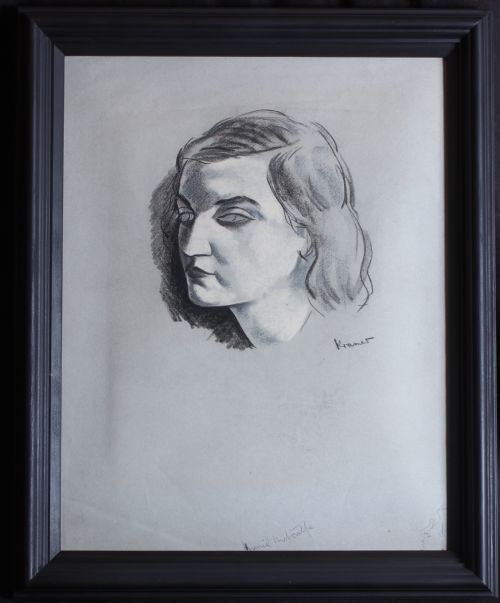
These antique charcoal sketch artwork pieces capture immediate gesture and expression through monochrome draughtsmanship, offering direct access to the artist's hand.
Antique Charcoal Sketch Artwork
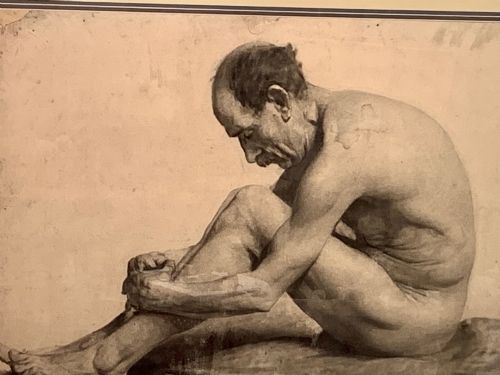
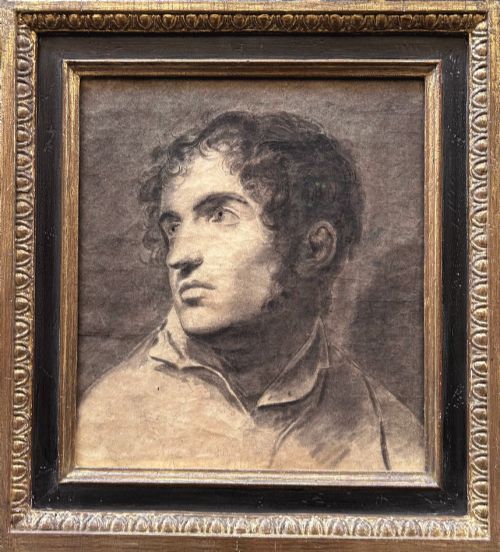
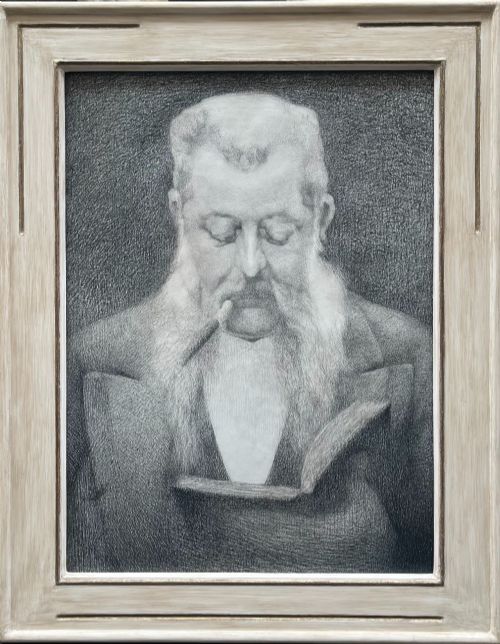
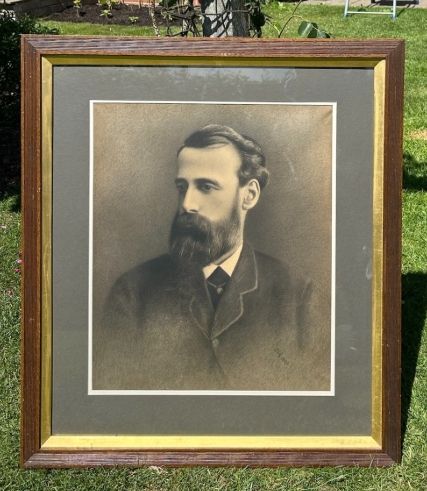
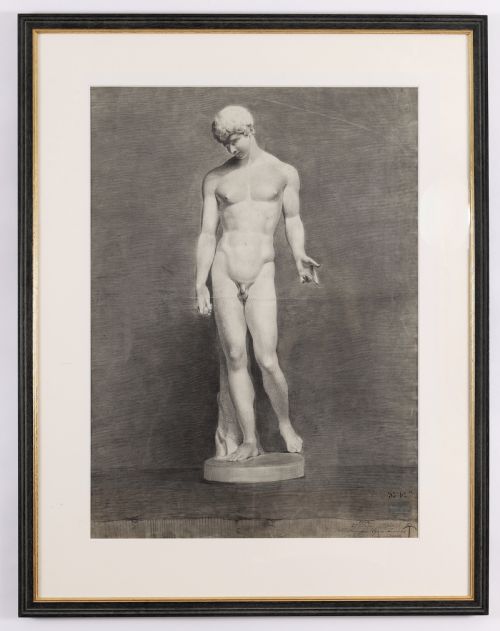
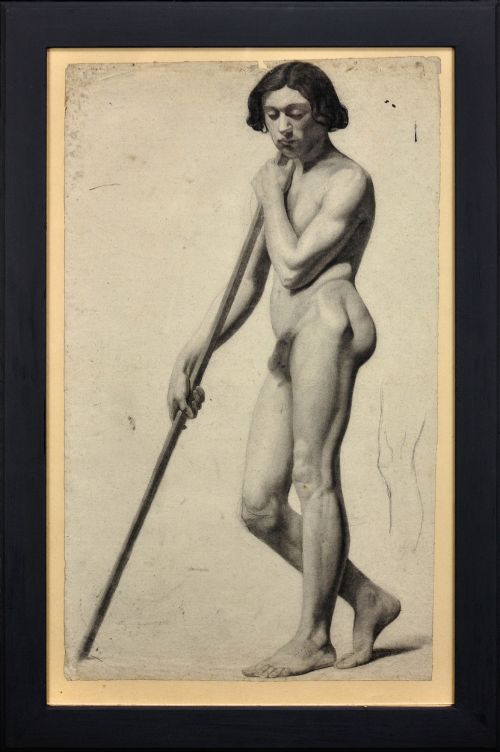
The most common examples on this page are nineteenth-century portraits and life studies executed in charcoal, chalk, and graphite. Many retain their original frames, including carved Florentine and giltwood moulding.
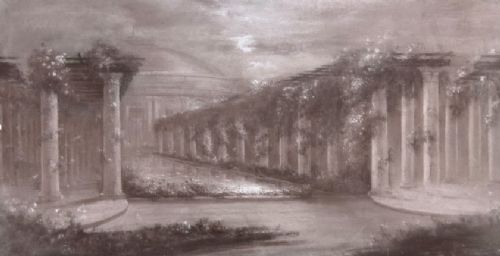
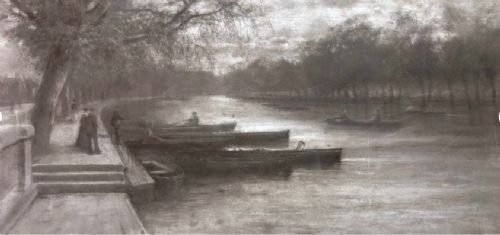
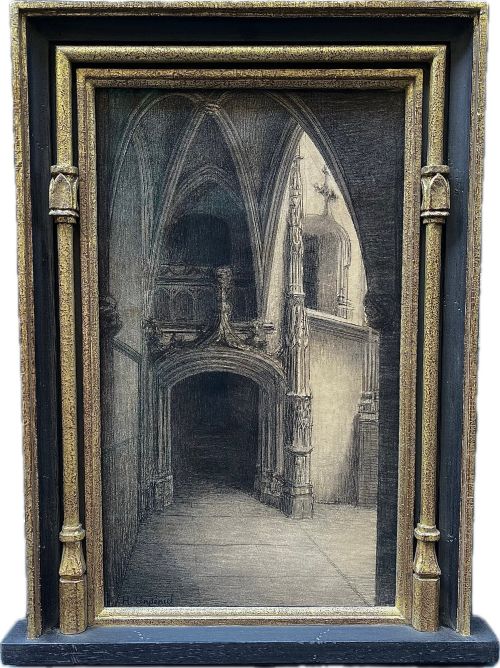
Pieces range from intimate sketches to large-scale gallery studies by named artists and regional schools. Subjects encompass classical figures, architectural studies, and atmospheric landscapes.
How they were made
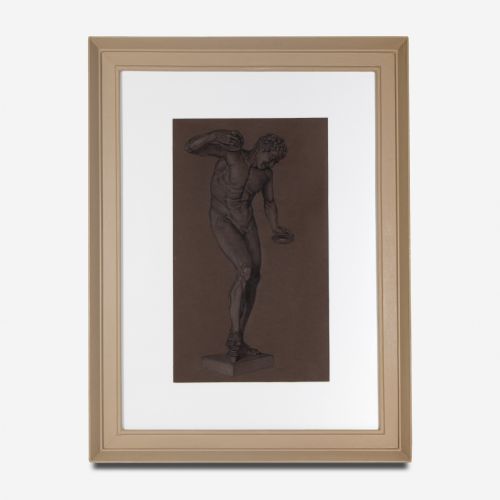
Artists utilise compressed or vine charcoal sticks combined with chalk and graphite to build tone and line upon paper and toned paper. These materials allow for rapid gesture and deep shadow alongside precise highlights.
Works are frequently housed behind glass within wooden frames, protecting the delicate carbon and pigment particles from atmospheric disturbance. Mounts and backing boards often reflect the period of creation or subsequent framing traditions.
Several gentlemen captured in these nineteenth-century sketches maintain remarkably stern expressions despite sitting still for hours on end.
What varies in quality
Quality rests upon the sureness of the draughtsmanship and the expressive power captured in the primary lines. An accomplished academic study demonstrates anatomical precision and tonal balance without overworking the paper surface.
The integrity of the paper support and the preservation of the delicate medium determine the overall standard. Original framing and documented provenance from specific European schools elevate the significance of individual works.
Henri Charles Angéniol·Leopold Halvoet·Demetrios Galanis·J D Fergusson·Winifred Eugene Ballard·John Hoppner·John Macallan Swan·Theobald Chartran·John Seymour Lucas
The Antique Charcoal Sketch Artwork Glossary
- Charcoal
- A dry drawing medium made from carbonised wood used to produce deep black lines and broad tonal sweeps. It permits both sharp definition and soft smudged shadows.
- Academic Realism
- A style of painting and drawing produced under the influence of European academies of art. It emphasises rigorous adherence to classical standards and anatomical accuracy.
- Life Study
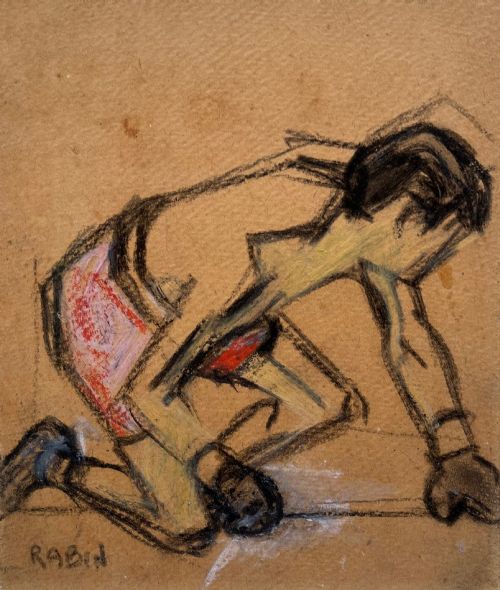
- A drawing executed directly from a live human model to practice anatomy and gesture. These works form a core component of traditional art training.
- Toned Paper
- Paper manufactured or prepared with a neutral grey, brown, or tan hue. This provides a mid-tone baseline so the artist can add dark charcoal and white chalk highlights simultaneously.
- Giltwood
- Wood carved and coated with a thin layer of gold leaf or gilt gesso. It appears frequently on antique picture frames from the nineteenth century.
Antique Charcoal Sketch Artwork: Frequently Asked Questions
How should I hang antique charcoal drawings?
Keep drawings away from direct sunlight and high humidity to protect the paper and the fragile charcoal medium.
Use UV-filtering glass and professional framing to ensure the artwork remains stable on the wall.
What is an academic life study?
An academic life study is a detailed drawing of the human form created during formal art training. Artists spent hours recording muscle structure and lighting under strict school guidelines.
These pieces reveal the rigorous draughtsmanship expected in nineteenth-century art institutions.
Are these drawings original or reproductions?
The listings consist of original hand-drawn works on paper rather than printed reproductions. Each piece shows the physical texture of charcoal, chalk, or graphite on the sheet.
Examination under magnification reveals the individual strokes and pressure of the artist's hand.
How do I identify the period of a drawing?
Dating relies on stylistic markers, framing methods, and the type of paper stock used. Signatures, dates inscribed on the sheet, and historical subject matter also help establish the era.
Comparative study with documented works by the same school or artist narrows the timeline.