



Antique Champagne Bottle Stand
An antique champagne bottle stand brings exceptional table presence to a dining room, combining polished wood and gleaming metal for practical service.
Antique Champagne Bottle Stand
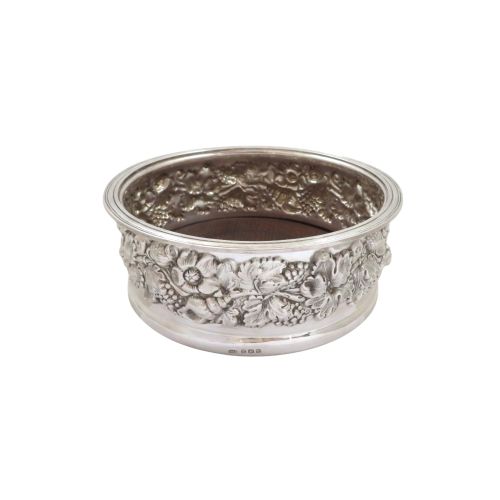
An antique champagne bottle stand encompasses wine coolers, bottle coasters, and cradles designed to hold and serve bottles at the table. These items emerge from periods such as the Georgian, Victorian, and Edwardian eras, reflecting the formal dining habits of their times.
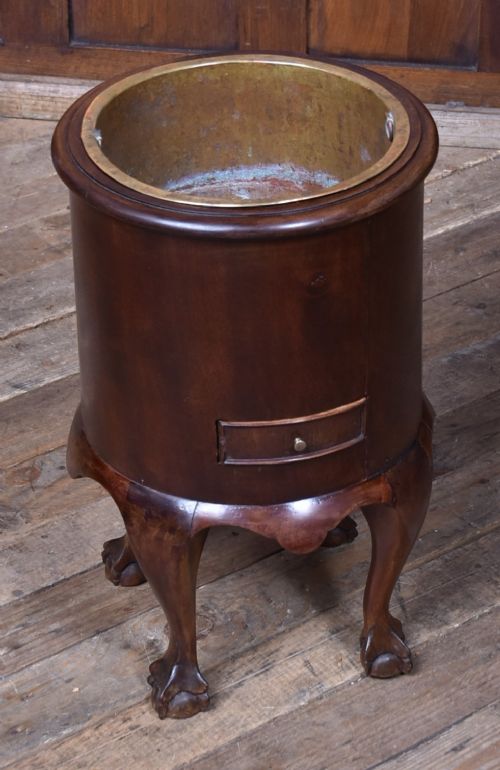
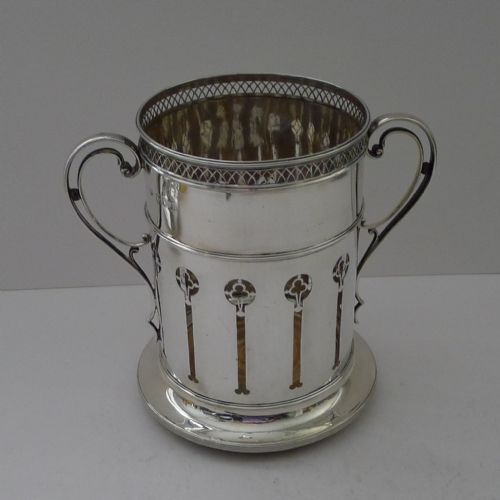
Buyers frequently encounter mahogany and silver plated examples among the available selections. The forms range from oval brass bound wooden buckets to single and double bottle holders in sterling silver.
The assortment includes Georgian oval coolers alongside later Edwardian and Victorian accessories. Each version serves the dual purpose of protecting the table surface and presenting the bottle correctly.
How they were made
Cabinetmakers constructed the wooden forms from solid mahogany, frequently shaping them into ovals and rounds with traditional joinery. Cooperage techniques appear on bucket styles, where metal bands secure the timber staves.
Early twentieth-century dining required specialised equipment, ensuring cork pullers frequently travelled alongside the champagne bottle stands.
What varies in quality
The refinement of the timber and the weight of the metal distinguish superior examples from simpler utilitarian pieces. Finely figured mahogany grain and substantial silver plate thickness indicate higher craftsmanship.
Detailing in the mounts and handles separates standard production from exceptional work. Crispness in cast brass elements and well-executed joinery elevate the overall presence of the stand.
Christofle
The Antique Champagne Bottle Stand Glossary
- Wine Cooler
- A vessel designed to hold bottles alongside ice or water during a meal. These pieces are often larger than standard coasters and feature sturdy handles.
- Bottle Coaster
- A small circular or oval tray fitted with a base to rest a single bottle on the dining table. They frequently incorporate baize or felt underneath to protect polished wood surfaces.
- Silver Plate
- A thin layer of silver bonded to a base metal such as copper or Britannia metal. This technique offered the visual appeal of solid silver at a lower cost.
- Brass Bound
- A construction method where metal hoops encircle a wooden body to provide structural strength and decorative contrast. This technique is common on mahogany wine buckets.
- Magnum
- A larger bottle size, typically holding double the volume of a standard wine bottle. Stands designated for this size possess wider diameters to accommodate the extra girth.
Antique Champagne Bottle Stand: Frequently Asked Questions
What is an antique champagne bottle stand used for?
These stands hold wine and champagne bottles securely on the dining table or sideboard during a meal. They protect polished wood surfaces from drips and condensation while presenting the bottle neatly.
Larger versions accommodate ice to keep beverages chilled throughout the service. Smaller coasters allow bottles to be passed easily around the table between guests.
How do I care for wooden bottle stands?
Wood surfaces require occasional treatment with suitable wax to nourish the grain and maintain the polish. Moisture should be wiped away promptly to prevent water marks on the antique finish.
Avoid placing damp bottles directly onto unprotected timber for extended periods. Using liners or ensuring the metal or glass inserts are intact protects the historic wood.
How do I polish silver plated stands?
Silver plated items benefit from regular, gentle cleaning with a specialist silver cloth to remove tarnishing. Abrasive polishes should be avoided to preserve the thin layer of plating over the base metal.
Keeping the pieces dry and storing them away from direct sunlight prevents rapid re-tarnishing. Gentle handling ensures that decorative rims and mounts remain undamaged.
How can I tell a Georgian stand from a Victorian one?
Georgian pieces often display restrained classical lines, utilising solid mahogany with simple brass banding or delicate handles. The proportions reflect the formal dining customs of the eighteenth century.
Victorian items frequently exhibit heavier ornamentation, incorporating eclectic styling and more elaborate silver plating techniques. The expansion of industrial manufacturing during the Victorian era introduced a wider variety of mixed metals and finishes.