


Antique Chalice Cup
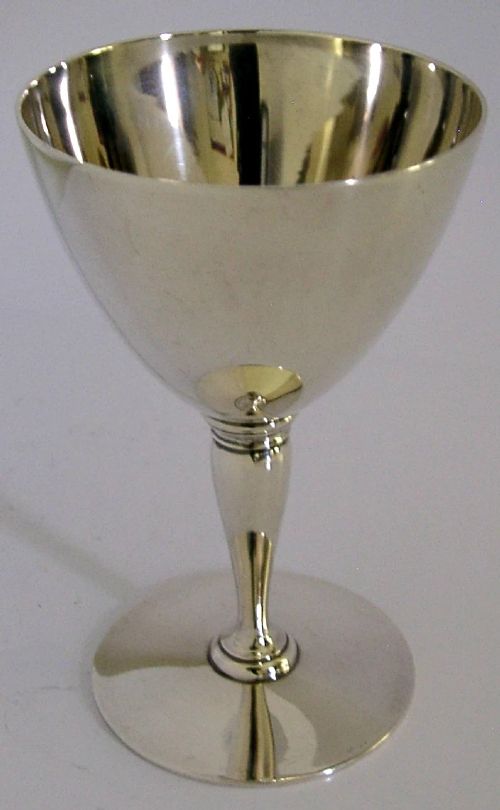
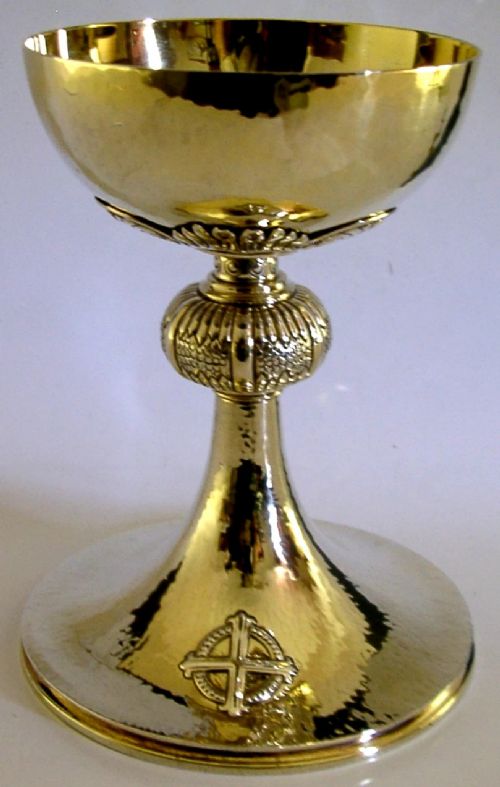
An antique chalice cup bridges sacred ritual and secular display, offering substantial metalwork or turned timber shaped to hold wine or mark achievement.
Antique Chalice Cup
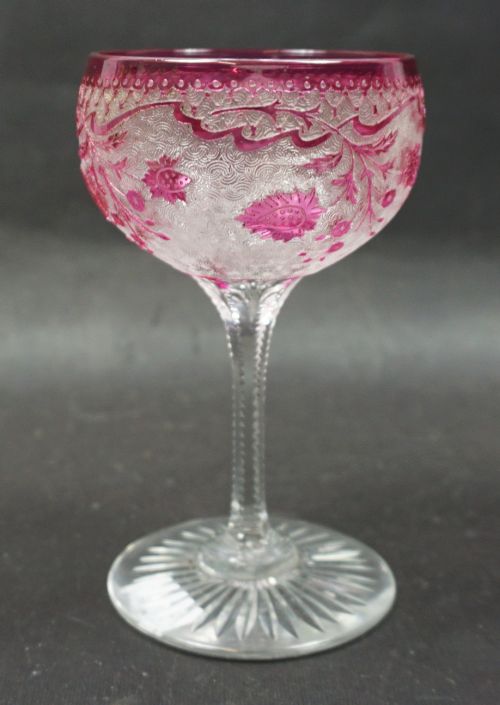
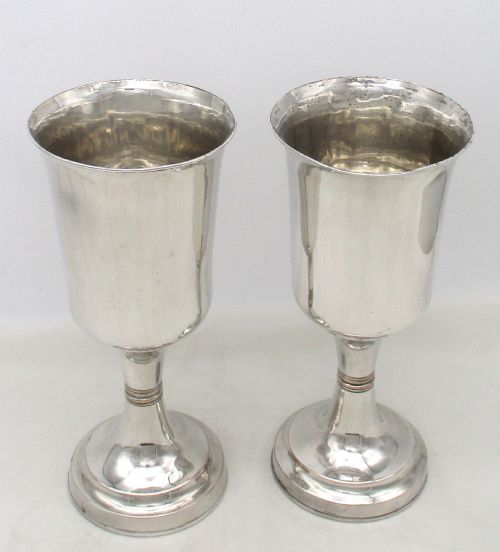
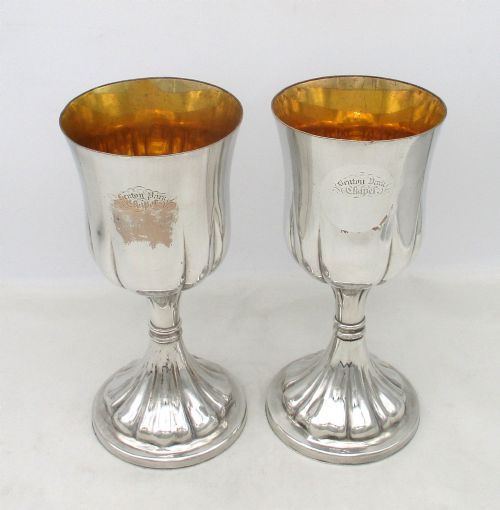
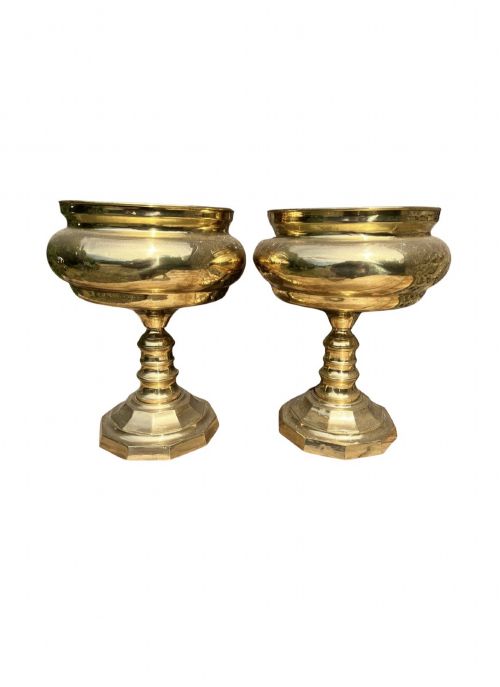
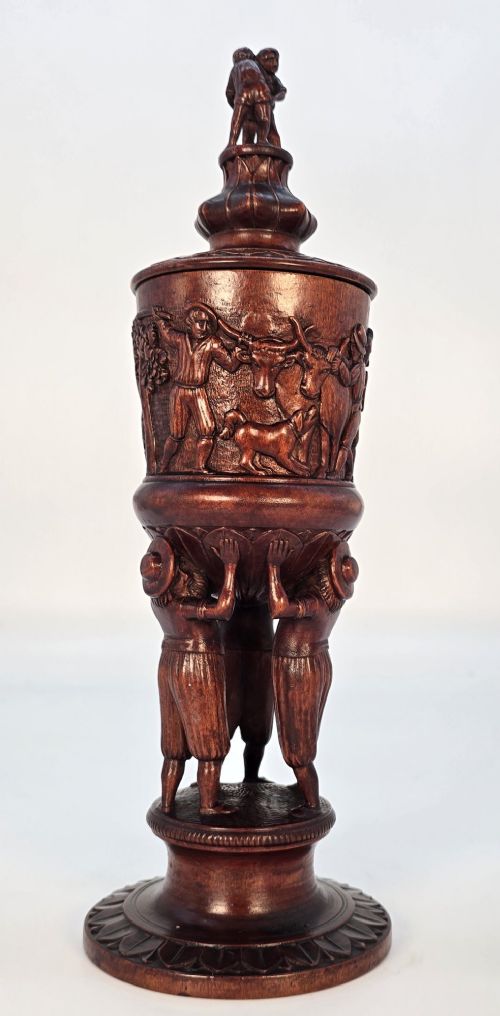
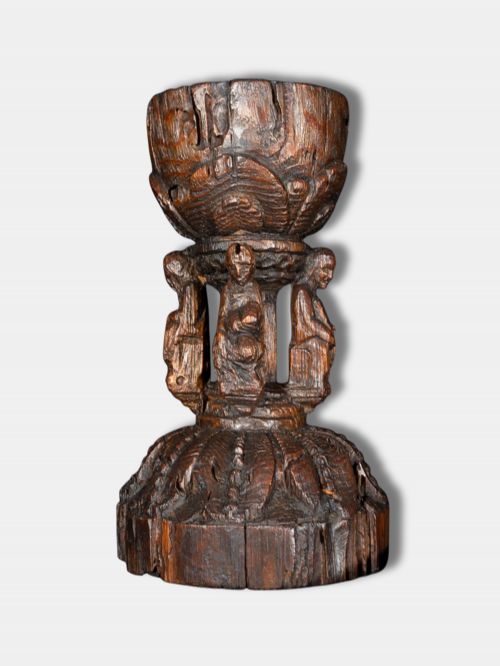
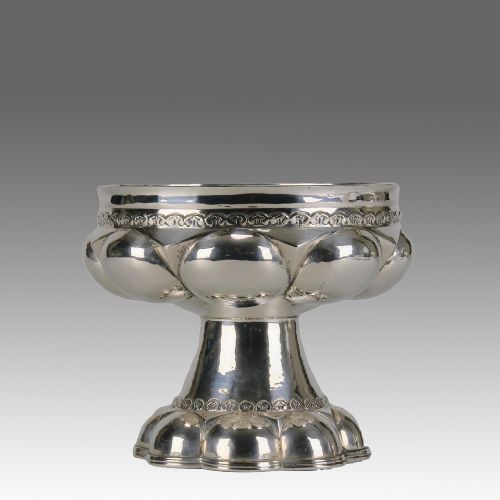
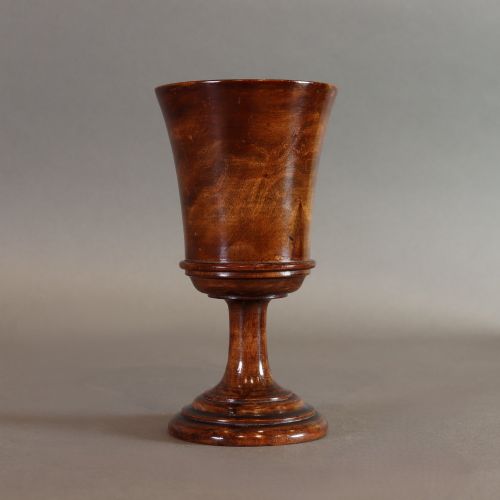
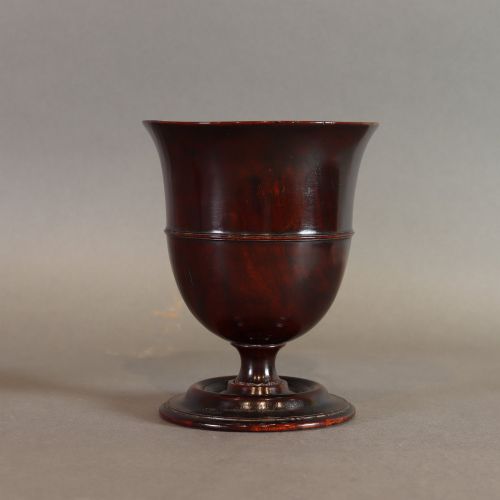
When searching for an antique chalice cup, buyers encounter diverse forms ranging from ecclesiastical communion vessels in Old Sheffield plate to secular sterling silver trophies, decorative wooden treen goblets, and export silver drinking vessels. The nineteenth century yields a high proportion of plated church chalices, Victorian parcel-gilt presentation cups, and turned fruitwood specimens.
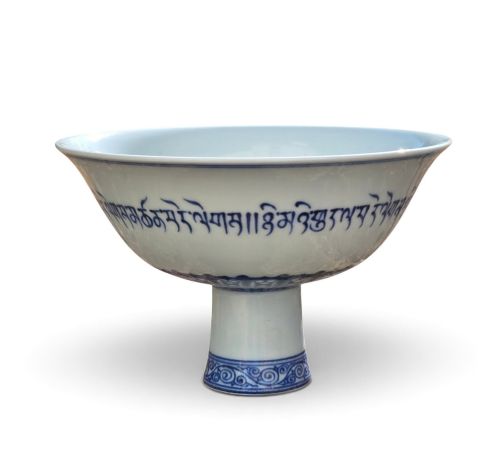
Geographic origins span English silversmith workshops, Irish pewterers, Swiss woodcarvers, and Chinese export specialists. Form follows function across these origins, dividing liturgical vessels with knopped stems from secular loving cups, wager cups, and commemorative stemware.
Materials and Technique
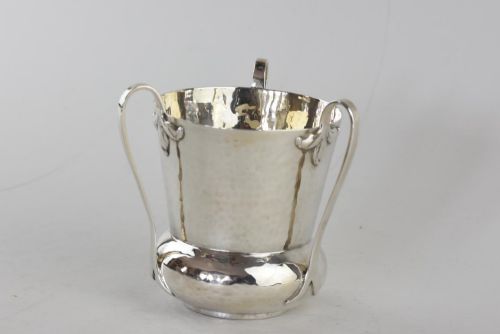
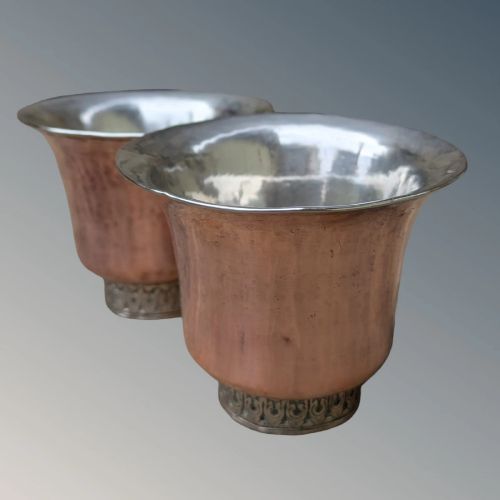
Makers utilised sterling silver, Old Sheffield plate, pewter, copper, and brass alongside dense hardwoods like walnut, lignum vitae, and fruitwood. Metal objects rely on hammering, casting, spinning, and silver-plating over copper cores, often incorporating parcel-gilt interiors and chased or engraved surface decoration.
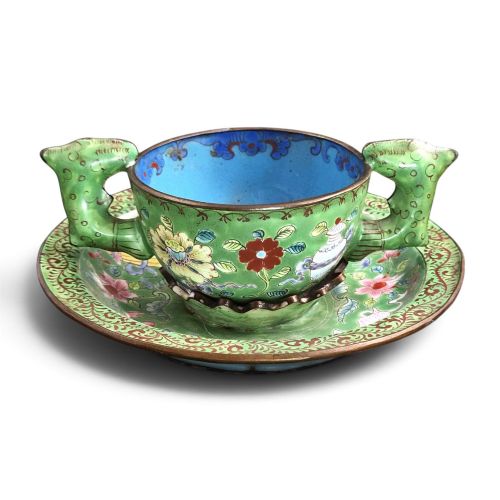
Wooden examples demonstrate precision lathe-turning and hand-carving techniques, seen in Swiss lidded chalices and English pedestal specimens. Arts and Crafts items showcase visible hammer marks from manual raising, while Chinese export pieces employ detailed filigree and repoussé work.
Antique Chalice Cup Retail Price Guide 2026
Typical asking prices for chalice cup among the pieces listed under this phrase on Sellingantiques today, from the lower quarter to the upper quarter. They describe what is for sale here now, not the wider market.
Listings feature items spanning from the sixteenth century to the mid-twentieth century, constructed in materials from sterling silver to carved oak and treen.
Assessing Standard
The distinction between ordinary production and superior craftsmanship rests on the weight of the metal, the crispness of chased or engraved ornament, and the integrity of the joins where stem meets bowl and foot. Heavy gauge sterling silver maintains its structural rigidity and retains sharp detail, whereas thin plating reveals wear down to the base metal over decades of handling.
Proportion and balance dictate aesthetic success, ensuring the stem diameter supports the capacity of the bowl without visual heaviness. In treen vessels, the quality depends upon the grain selection of the timber and the precision of the turning without distortion.
Lambert and Co·Tiffany and Co·Nathan and Hayes·George Unite·Wang Hing and Co·Royal Doulton
The Antique Chalice Cup Glossary
- Treen
- Small handmade wooden objects produced before the mass era. This category includes turned drinking goblets and lidded cups fashioned from fruitwood or lignum vitae.
- Old Sheffield Plate
- A composite material formed by fusing a sheet of silver to a copper ingot. This technique was widely utilised for church chalices and loving cups before electroplating.
- Parcel-Gilt
- Silverware that is partially gilded with gold on specific areas, such as the interior bowl. This method protected the metal from acidic wine.
- Knoop
- A decorative swelling or knob on the stem of a chalice or goblet. It provided a secure grip for the hand during liturgical elevation.
- Repoussé
- Metalworking technique where the design is hammered into relief from the reverse side. It appears frequently on trophy cups and decorative vessels.
Antique Chalice Cup: Frequently Asked Questions
What is an antique chalice cup used for?
These vessels served sacred communion rites, civic toasts, and competitive sporting triumphs across centuries. Secular versions marked weddings, coronations, and corporate milestones.
Domestic examples also functioned as display pieces on sideboards, reflecting the social status and wealth of the household through precious materials and heraldic engraving.
How do I clean antique silver chalices?
Gentle washing with warm water and mild soap removes dust and organic residue from historical metalwork. Avoid abrasive commercial dips that strip away patination and age.
Soft cotton cloths preserve the subtle details of hand-chased ornamentation without scratching the surface of sterling silver or plated items.
How do I distinguish silver plate from sterling?
Sterling silver objects bear official hallmarks indicating metal purity, maker identity, and assay office location. Plated items rely on copper or base metal cores that occasionally show reddish undertones where the outer coating wears thin.
Weight provides another indicator, as solid silver objects feel denser and more substantial in the hand than plated counterparts of identical dimensions.