
Antique Chair Project
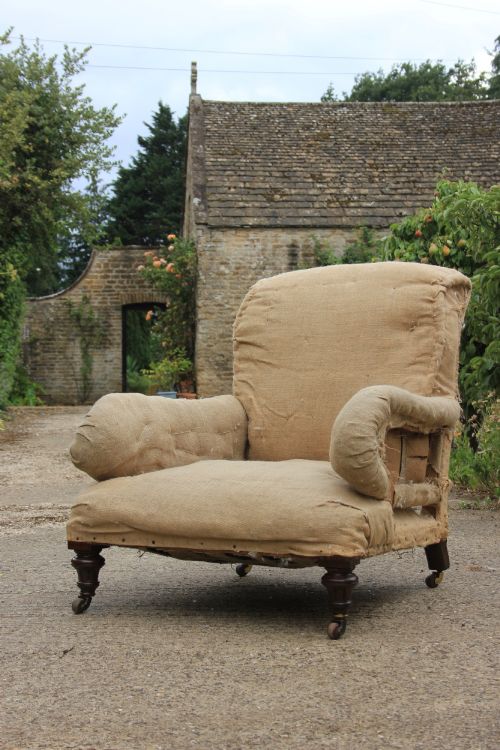
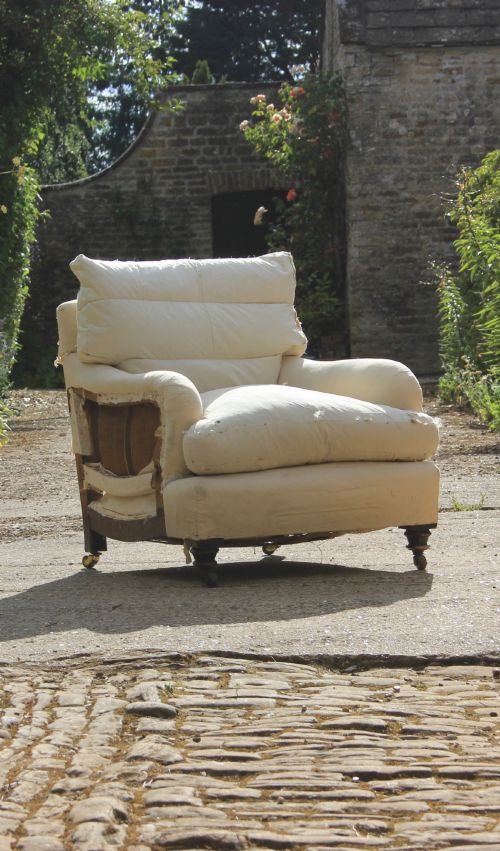
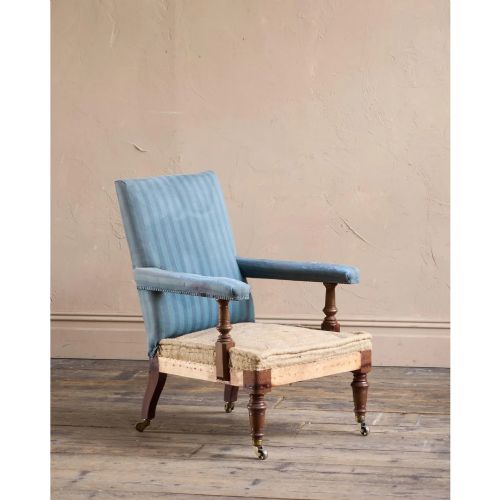
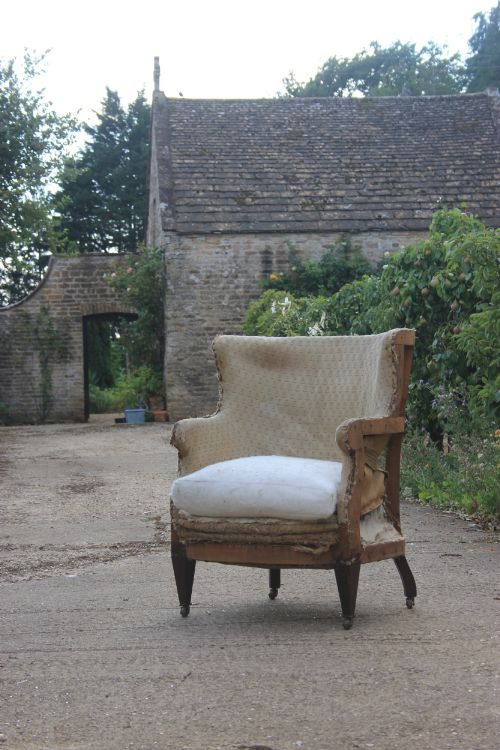
An antique chair project brings unworked frames back to life, offering armchairs, nursing chairs and daybeds ready for fresh textile treatment.

Antique Chair Project
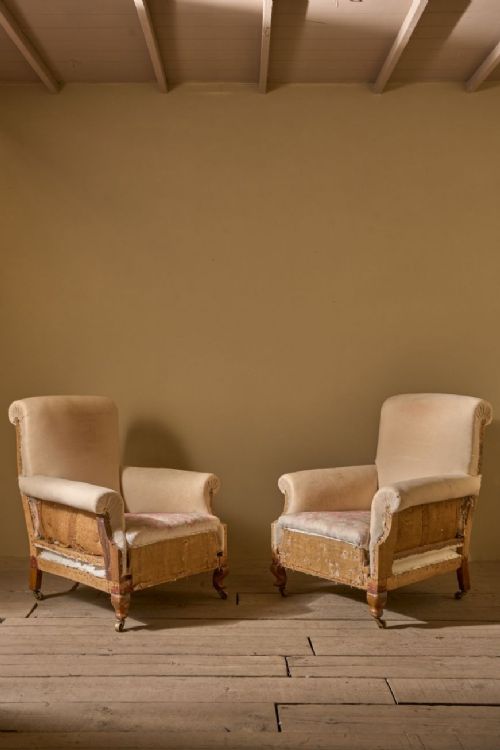
An antique chair project comprises unrecovered or structurally bare seating frames originating from periods such as the 18th century, Regency, Victorian, and Edwardian eras. Buyers search this phrase to find unholstered or part-restored armchairs, wing chairs, nursing chairs, and daybeds that await personalised textile choices.
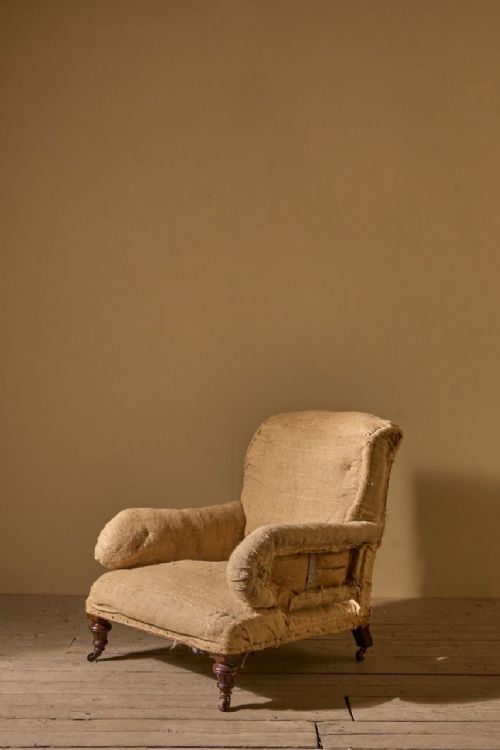
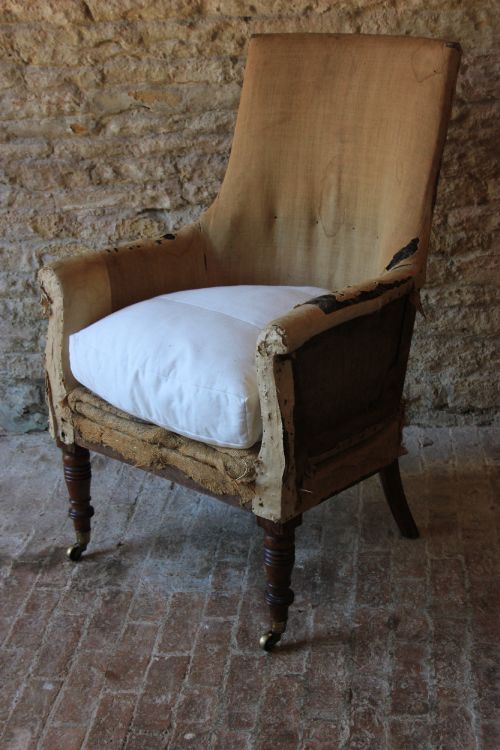
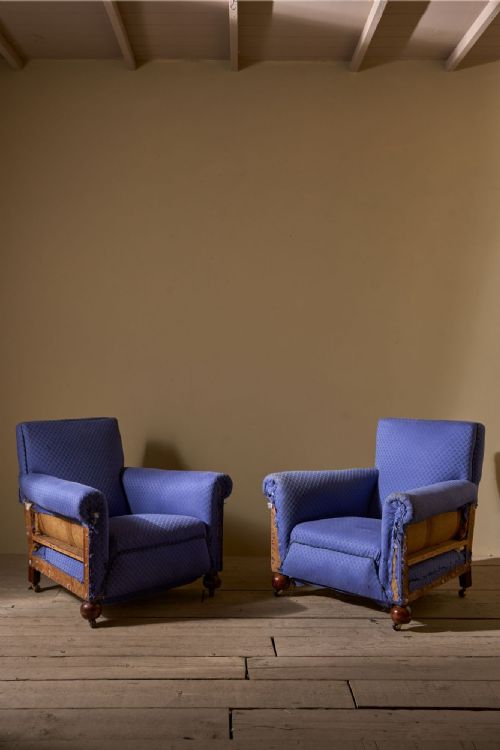
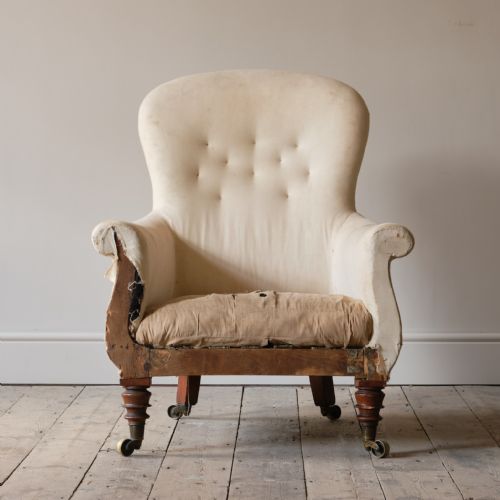
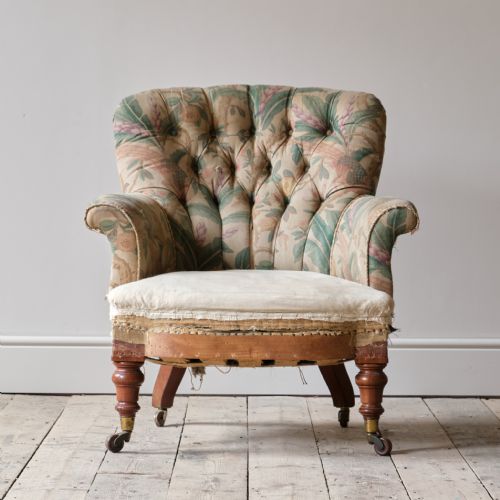
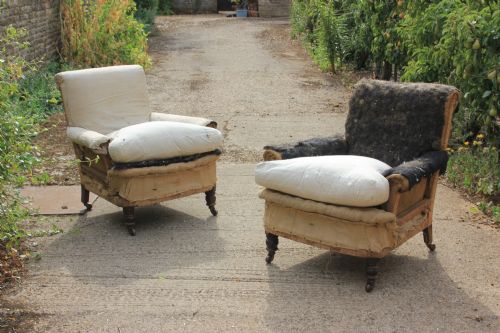
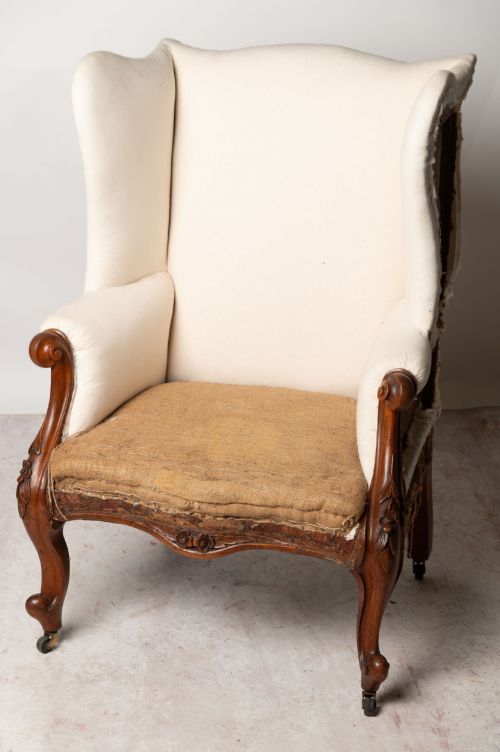
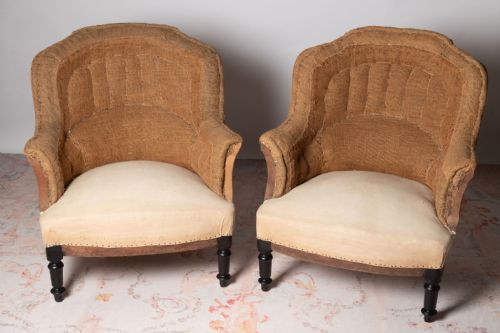
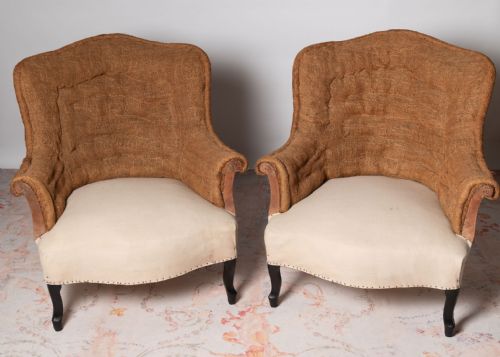
The selections on this page heavily feature large country house armchairs, Howard style models, and French seating in need of reupholstery or complete restoration. Frames arrive stripped back to calico, hessian, or bare wood, exposing the core construction before final finishing.
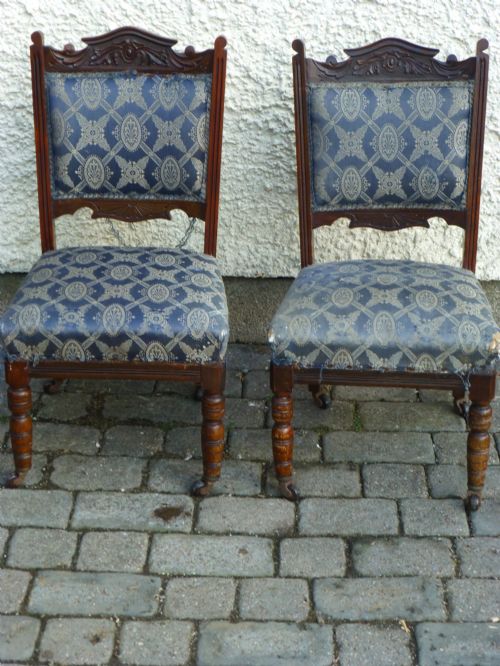
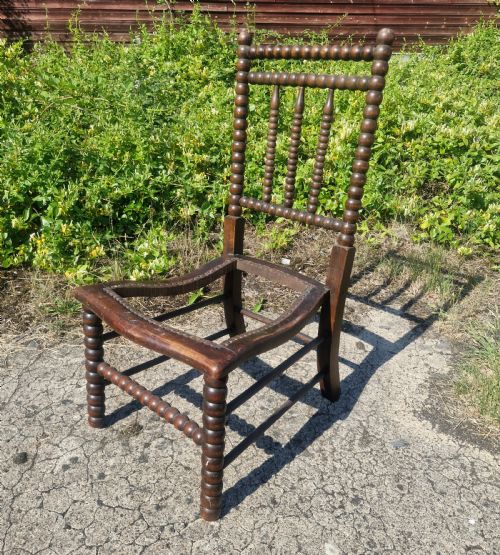
Beyond standard armchairs, the forms span slipper chairs, barrel backs, chaise longues, and dining chairs constructed from mahogany and walnut. Each piece offers a specific silhouette from its respective era, ready for a bespoke covering.
Materials and construction methods
Frames are principally constructed from dense hardwoods like mahogany and walnut, providing a sturdy architectural skeleton designed to endure centuries of use. Traditional joinery underpins these structures, ensuring the wood remains sound while internal stuffing compartments wait for renewal.
Traditional upholstery builds up comfort through layered stuffing materials including horsehair, secured beneath rougher textiles like hessian and calico before a final decorative fabric layer is applied. Exposed timber frames often feature carved details, bobbin turnings, or polished mahogany and walnut surfaces.
Recorded materials span brass, hessian, mahogany, calico, walnut, fabric, wood, and horsehair.
Evaluating frame quality and integrity
Quality rests entirely in the original timber frame, its structural joinery, and the integrity of the underlying springs or webbing rather than the current condition of the fabric. Superior examples exhibit substantial proportions, balanced lines, and robust hardwood construction without major alterations.
The distinction between ordinary and exceptional frames lies in the subtlety of the carving, the weight of the timber, and authentic maker attribution where stamps or signatures survive on the wood.
SF CULLEN·Morison and Co·Gillows·Howard And Sons·Holland & Sons·Hindley & Sons
The Antique Chair Project Glossary
- Calico
- A plain-woven cotton fabric used as an intermediate tight cover over the stuffing before the final decorative textile is fitted. This layer holds the internal padding securely in place.
- Hessian
- A coarse woven fabric, typically made from jute fibres, utilised for webbing and as a durable base support beneath horsehair stuffing. It provides fundamental structural tension for upholstered seats.
- Horsehair
- A traditional stuffing material gathered from the manes and tails of horses, prized for its natural springiness and durability. It packs densely to create resilient cushioning inside traditional chairs.
- Reupholstery
- The comprehensive process of stripping away decayed textiles and internal padding down to the bare frame, then rebuilding the seat using traditional or modern materials.
- Wingback
- An armchair featuring protective side panels attached to the armrests, originally designed to shield the sitter from draughts. These high-backed seats are prominent among earlier seating styles.
Antique Chair Project: Frequently Asked Questions
What does to calico stage mean?
A chair in calico has been stripped, repaired, and fitted with a plain cotton base cover over fresh internal stuffing. This intermediate stage allows a buyer to inspect the restored shape before selecting the final decorative exterior fabric.
Working from this stage saves considerable time and labour while leaving the final aesthetic choice completely open to personal taste.
Can I use modern fabrics?
Modern textiles pair exceptionally well with antique frames, provided the chosen fabric suits the weight and scale of the specific armchair or daybed. Contemporary wools, velvets, and linens introduce fresh visual contrast while respecting traditional silhouettes.
It remains essential to ensure any chosen top fabric meets current fire safety regulations for domestic upholstered furniture.
How do I identify a Howard style chair?
Howard style armchairs are characterised by deep, generous seating proportions, low rolled arms, and typically sit on low turned walnut legs fitted with brass castors. They were produced by renowned makers and distinct imitators alike, valued for exceptional lounging comfort.
Examining the underlying webbing, casters, and frame construction helps confirm the lineage of these comfortable country house seats.
Are frame repairs difficult to manage?
Most structural timber repairs on mahogany and walnut frames can be handled by a skilled restorer before upholstery begins. Securing loose joints and treating minor surface wear ensures the antique skeleton remains robust for decades of future use.
Upholsterers frequently collaborate with cabinet makers to resolve any underlying woodwork issues prior to applying new webbing and horsehair stuffing.