

Antique Chain with T Bar
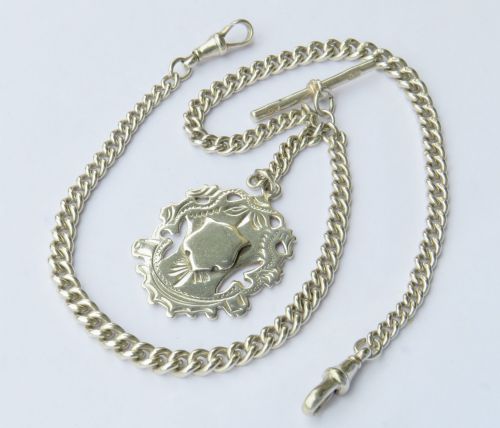
An antique chain with t bar is a functional piece of jewellery designed to secure a pocket watch, now worn as a distinctive bracelet or necklace.
Antique Chain with T Bar
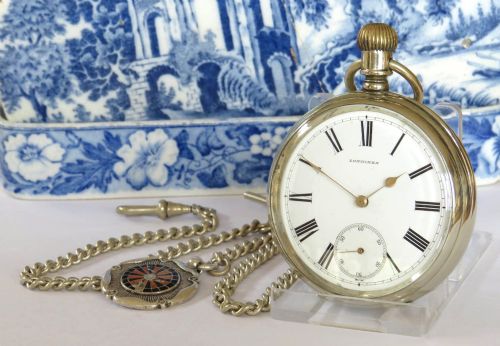
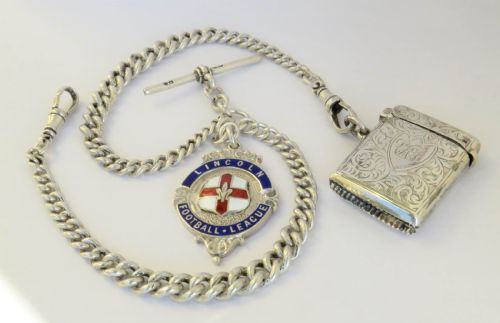
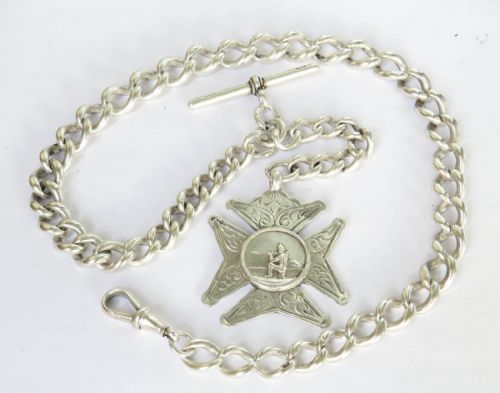
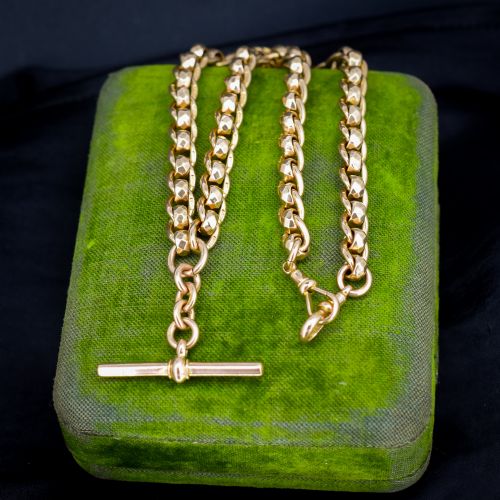
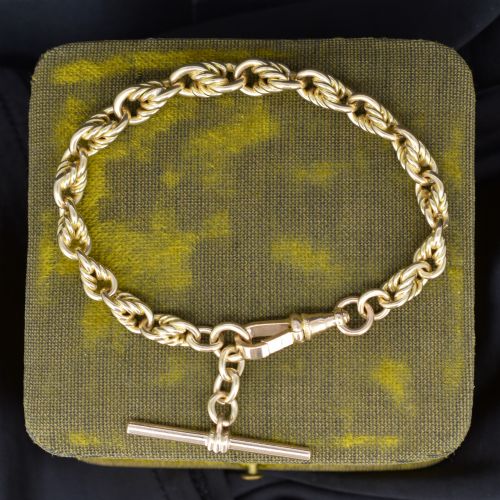
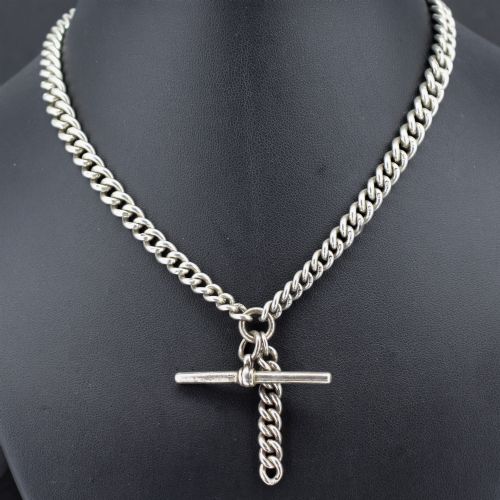
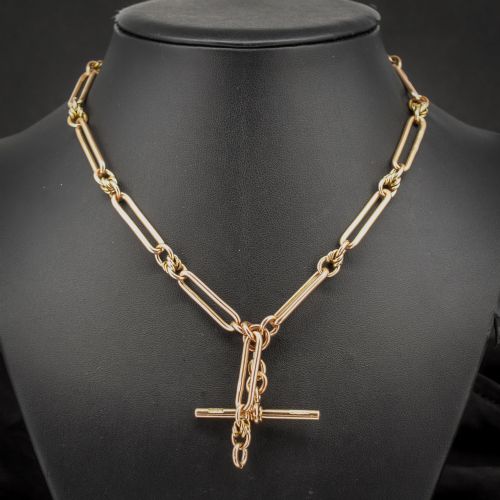
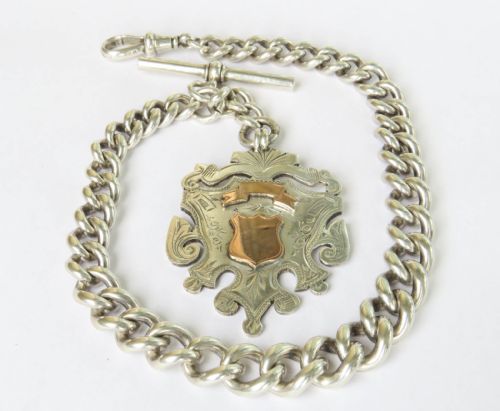
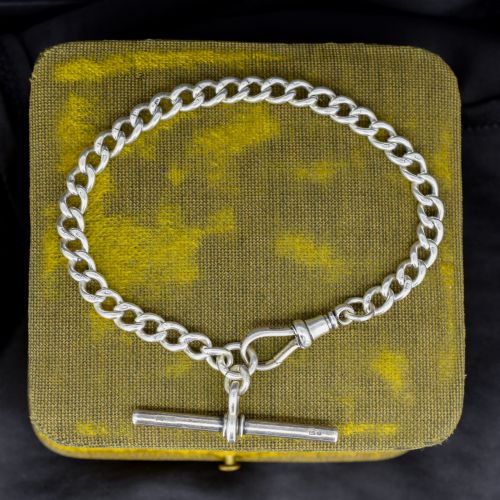
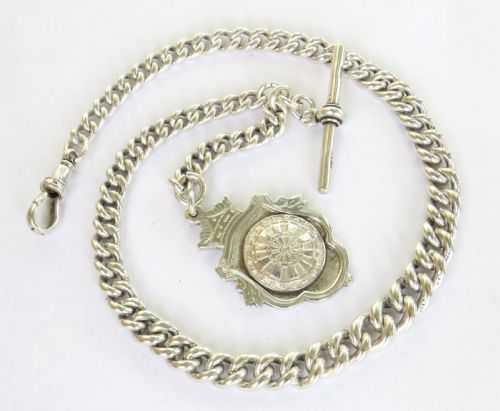
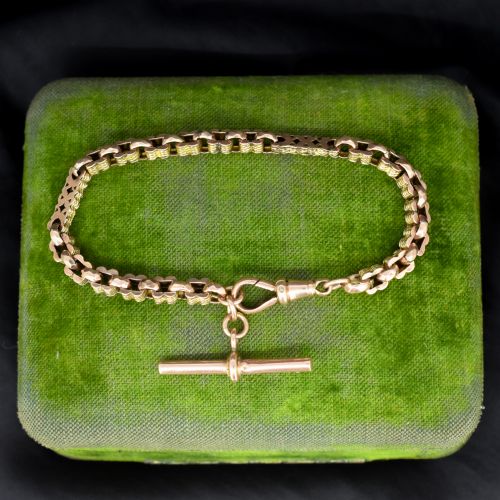
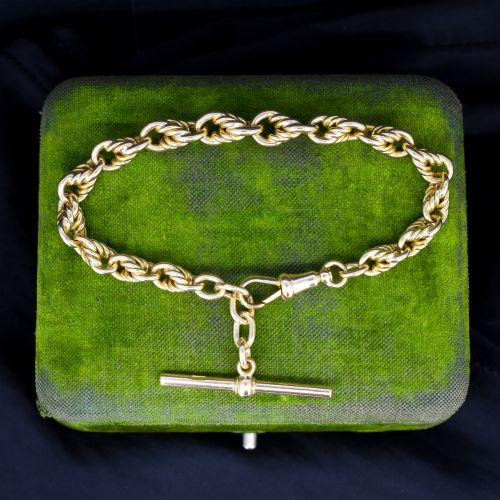
When you search for an antique chain with t bar, you encounter items originating from the nineteenth century, the Victorian and Edwardian eras, through to the nineteen-twenties and nineteen-thirties. These links were originally worn across a waistcoat to anchor a pocket watch, utilising the crossbar to secure the item through a buttonhole while a dog clip fastened to the timepiece.
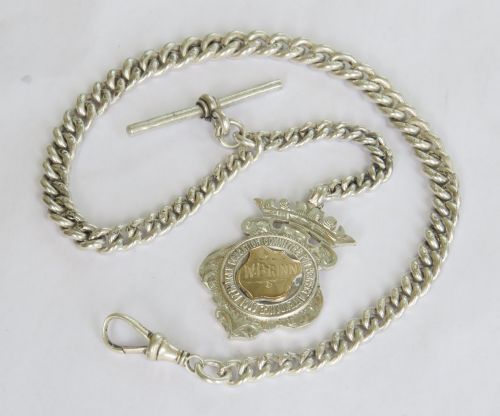
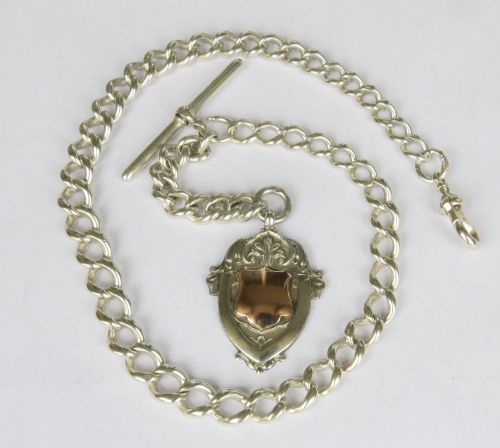
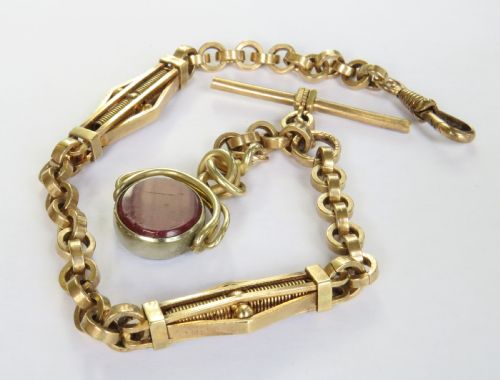
The pieces seen on this page primarily take the form of pocket watch chains, Albert chains, and bracelets or necklaces adapted from these functional origins. You will frequently find curb links, trombone links, love knot links, and tubular bars fashioned in lengths suited for the wrist or neck.
Materials span sterling silver, silver, and rolled gold alongside 9ct gold and 9ct rose gold, often accompanied by enamel, glass, or nickel components. Some iterations include attached elements such as dog clips, bolt rings, keys, and bloodstone swivel fobs.
Materials and construction
These items were constructed predominantly from sterling silver, silver, rolled gold, 9ct gold, and 9ct rose gold, utilising precious metals capable of withstanding daily wear. Links were individually formed, soldered, and assembled by hand or early mechanical methods to create flexible chains of varying weight and design.
Secondary materials such as enamel, glass, and nickel appear in specific components, whilst functional additions like dog clips, swivel fobs, and the signature T-bars were cast or forged separately before being integrated into the main structure.
Antique Chain with T Bar Retail Price Guide 2026
Typical asking prices for chain with t bar among the pieces listed under this phrase on Sellingantiques today, from the lower quarter to the upper quarter. They describe what is for sale here now, not the wider market.
Factors of quality
The overall weight and substantial feel of the gold or silver distinguish the finer examples, with heavier pieces commanding greater presence. Complexity of link design, such as intricate trombone or love knot formations, also separates standard items from more elaborate creations.
The presence of fully functioning original components, including dog clips, swivel fobs, and secure T-bars, elevates the integrity of the piece. Consistency in metal purity across all links and matching hallmarks further define the superior specimens in this category.
The Antique Chain with T Bar Glossary
- T-bar
- A short transverse metal bar attached to the centre of a watch chain, historically used to secure the chain through a waistcoat buttonhole.
- Albert chain
- A type of watch chain named after Prince Albert, designed to attach a pocket watch to a garment.
- Dog clip
- A spring-loaded snap hook used on watch chains to fasten securely to a pocket watch or fob.
- Trombone link
- A specific link style characterised by alternating long rectangular links and small circular rings, common in watch chains.
- Swivel fob
- A small ornamental pendant attached to a swivel connector, often featuring hardstones like bloodstone.
Antique Chain with T Bar: Frequently Asked Questions
How do I wear a t bar chain today?
These chains can be wrapped around the wrist as a multi-strand bracelet or fastened around the neck as a short necklace. The T-bar and dog clips are left to drape as decorative elements.
Many pieces feature lengths suitable for direct conversion into modern jewellery items without requiring alteration by a jeweller.
What is an Albert chain?
An Albert chain is a specific style of pocket watch chain that includes a T-bar at one end and a dog clip at the other. They were traditionally worn across the front of a waistcoat.
Double Albert chains feature two distinct strands meeting at a central drop where a fob or pendant hangs.
How can I date my chain?
Dating relies heavily on hallmarks stamped onto the metal links, which indicate the assay office, metal purity, and year of manufacture. Stylistic variations in link patterns, such as the Victorian curb link or Edwardian trombone link, also provide chronological clues.
Associated pocket watches or fobs marked with specific years offer additional context for the period of assembly.
What metals were commonly used?
The pieces utilise sterling silver, silver, rolled gold, 9ct gold, and 9ct rose gold as primary construction materials. Nickel and glass appear less frequently in specific components or associated pocket watches.
Gold and silver items often bear stamps denoting their exact metallic composition and origin.