

Antique Chain Pendant
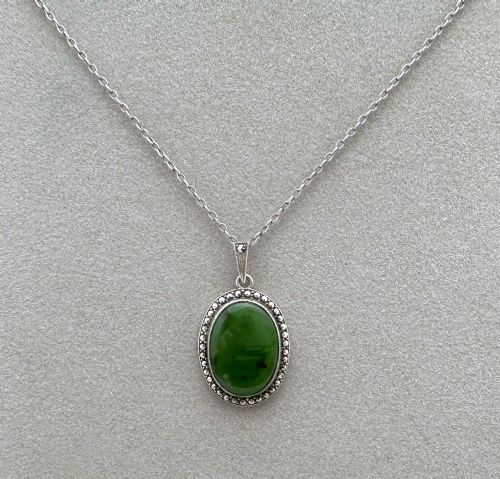
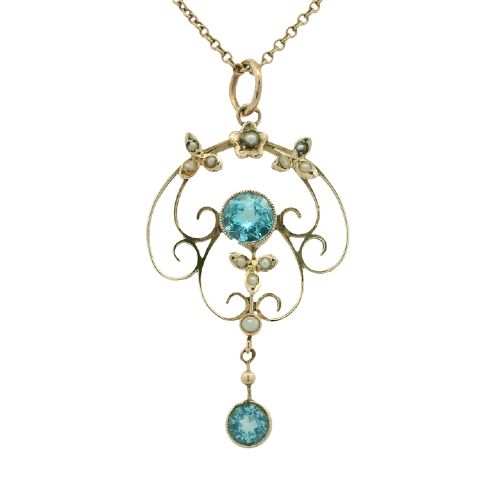
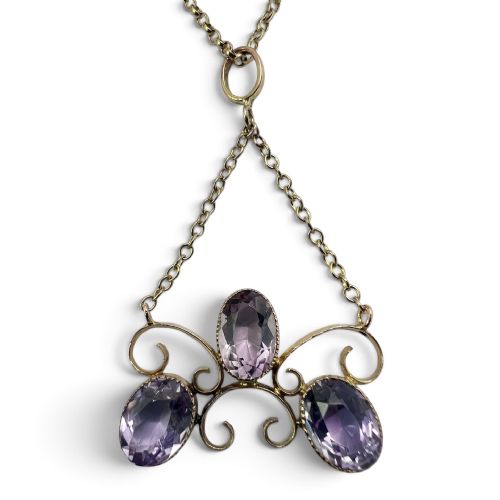
An antique chain pendant brings together refined metalwork and suspended jewels from the Victorian, Edwardian, and Art Deco eras.
Antique Chain Pendant
When you search for an antique chain pendant, you encounter pieces spanning from the nineteenth century into the twentieth century, combining linked neckchains with suspended drops, lockets, and gem-set ornaments. The selection on this page relies heavily on Edwardian and Victorian designs, alongside Art Nouveau and Art Deco creations.
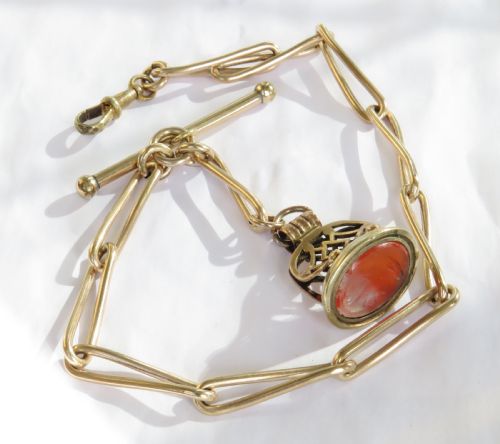
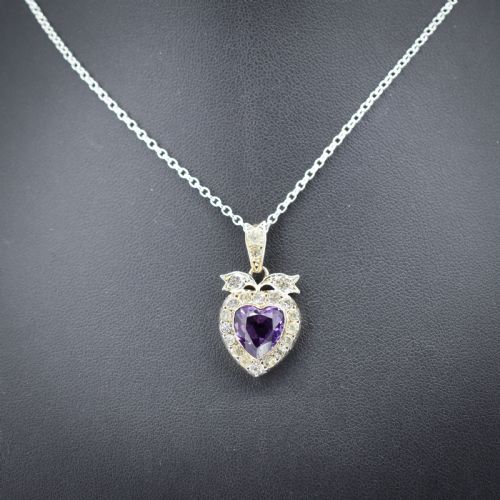
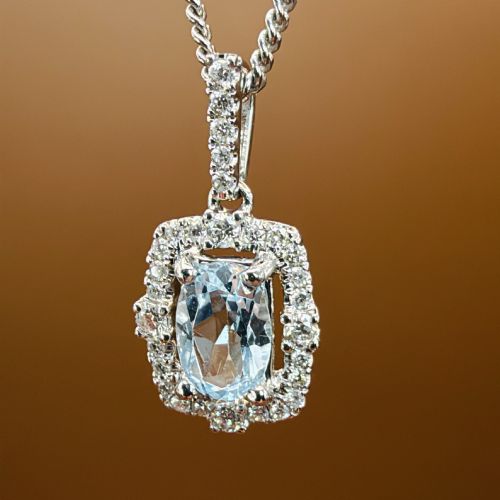
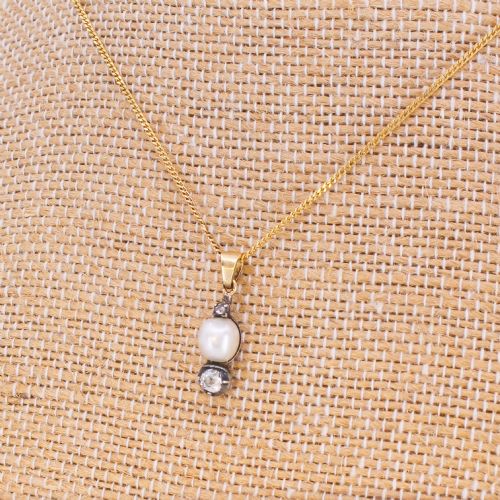
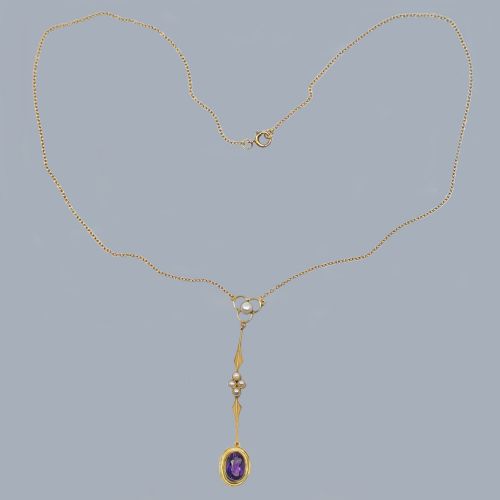
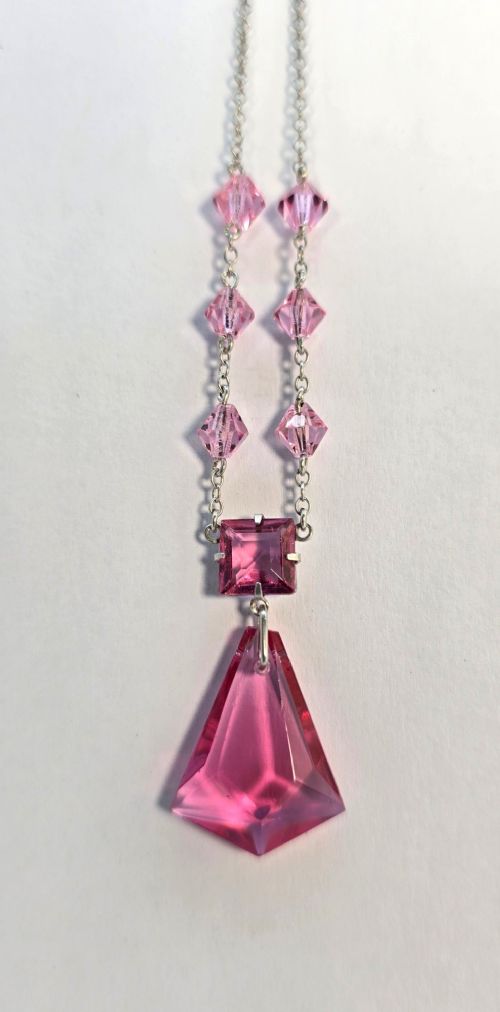
You find both delicate gold and silver necklaces holding pearls, diamonds, and coloured stones, as well as heavier watch chains and albert chains adapted for neckwear. These pieces range from simple silver curb links to elaborate gemstone drops set with amethyst, peridot, and garnet.
How they were made
Goldsmiths and silversmiths utilised sterling silver, 9ct gold, 15ct gold, and platinum to forge links by hand or machine, incorporating dog clips, T-bars, and spring rings into the construction. Stones such as old-cut diamonds, paste, turquoise, and seed pearls were then mounted using claw, bezel, or flush settings.
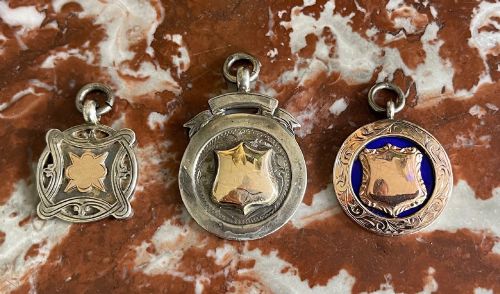
Enamelling and hand-engraving added surface detail, particularly during the Victorian and Edwardian periods, while articulated joints allowed drops and pendants to move fluidly against the wearer.
Materials recur in silver, 9ct gold, 15ct gold, platinum, and brass, often set with pearls, diamonds, amethysts, and paste.
What varies in quality
The standard of an antique chain pendant depends upon the integrity of the metal links, the precision of the stone cutting, and the originality of the components. Uniformity in curb or trombone links and secure settings for pearls and diamonds separate superior examples from more routine items.
Makers' marks, clear hallmarks for sterling silver or specific gold carat weights, and the survival of original clasps or boxes elevate the standing of a piece within its period.
Charles Horner
The Antique Chain Pendant Glossary
- Albert chain
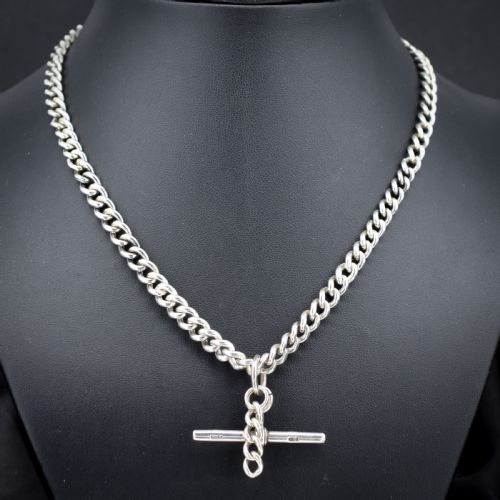
- A heavy watch chain designed to be worn across a waistcoat or secured to a pocket, frequently converted into a necklace in modern times.
- T-bar
- A transverse bar attached to the centre of a watch chain, originally used to secure the chain through a buttonhole.
- Dog clip
- A spring-loaded swivel clasp commonly found on nineteenth-century watch chains and chatelaines.
- Paste
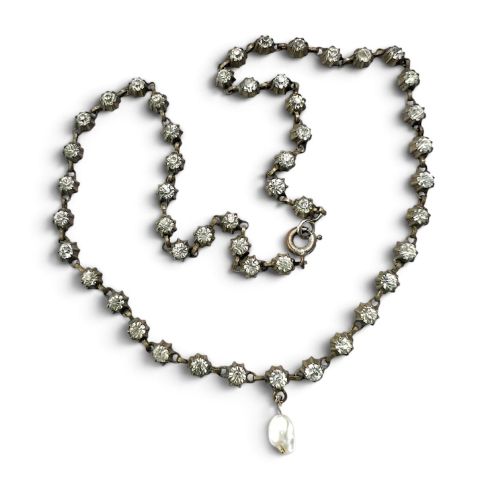
- Hand-cut lead glass used to imitate gemstones in historical jewellery, prized for its brilliance and period craftsmanship.
- Plafonnier
- A ceiling-mounted bowl light of glass or crystal, sharing the decorative motifs of domestic interiors from the early twentieth century.
Antique Chain Pendant: Frequently Asked Questions
How do I wear an antique chain pendant?
These pieces integrate easily into modern wardrobes, whether worn singly as a focal point or layered with shorter chains. The presence of original dog clips and spring rings makes fastening straightforward.
Heavier albert chains can be doubled or worn with the T-bar acting as a decorative drop at the front. Pairing delicate Edwardian drop pendants with simple evening wear highlights the detail of the metalwork.
Were all these chains originally necklaces?
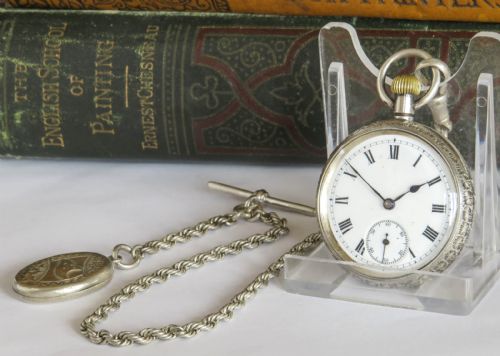
Many items listed under this search were originally utility pieces rather than jewellery. Watch chains, albert chains, and pocket watch fobs were manufactured for gentlemen's timepieces.
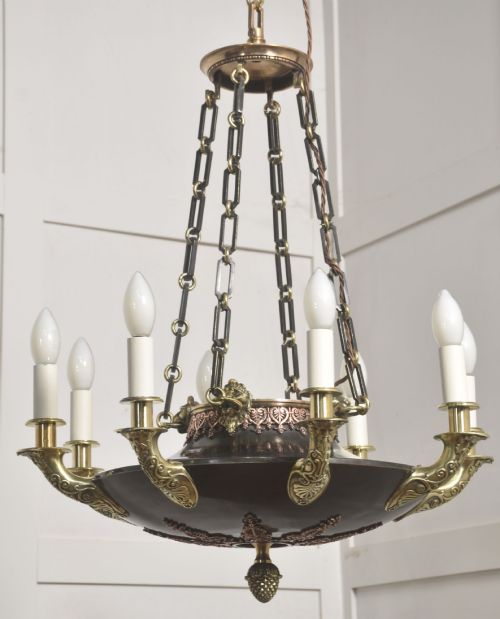
Over time, these robust silver and gold chains have been repurposed as necklaces due to their craftsmanship and weight. Pendant lights and ceiling fixtures also appear in the wider category but serve an entirely different domestic function.
How can I tell a Victorian chain from an Edwardian one?
Victorian pieces tend to be heavier, employing robust gold or silver links, serpent motifs, and rich-hued stones like garnets and citrines. The designs often reflect sentimental or mourning themes.
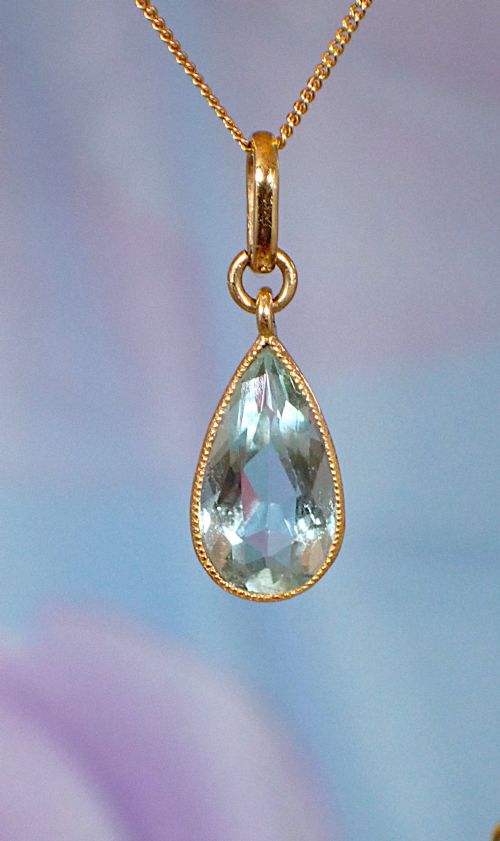
Edwardian jewellery shifts towards lighter filigree work, platinum, seed pearls, and pastel gems such as aquamarine and peridot, inspired by Garland style lightness and Art Nouveau curves.
What is an albert chain?
An albert chain is a substantial chain designed during the nineteenth century to secure a pocket watch to a garment. They feature uniform links, such as curb or trombone patterns, ending in dog clips.
These chains were named after Prince Albert and represent some of the most durable metalwork from the period. Their substantial weight makes them popular choices for conversion into contemporary necklaces.