

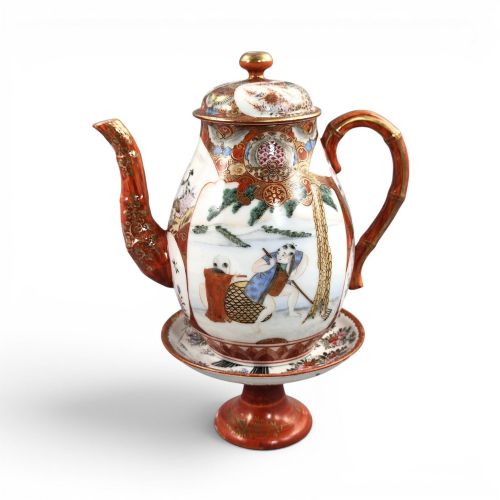


Antique Ceramic Teaware
Antique ceramic teaware gathers eighteenth-century soft-paste porcelain pots and nineteenth-century bone china cups that bring tactile history directly to the morning table.
Antique Ceramic Teaware
Antique ceramic teaware spans domestic vessels designed for preparing and serving hot beverages, notably teapots, coffee cans, sugar bowls, and matched cups with saucers. The selection encountered here relies heavily upon eighteenth-century English factories and nineteenth-century continental or Asian workshops.
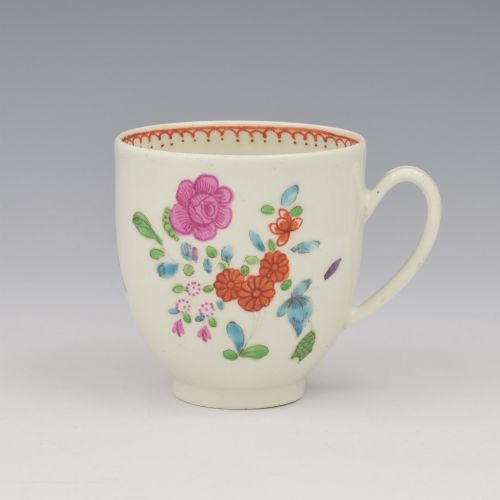
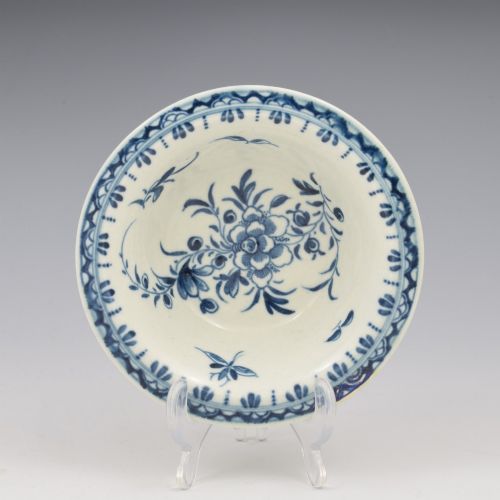
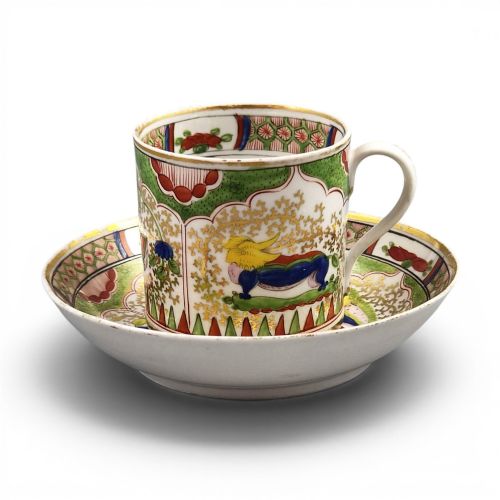
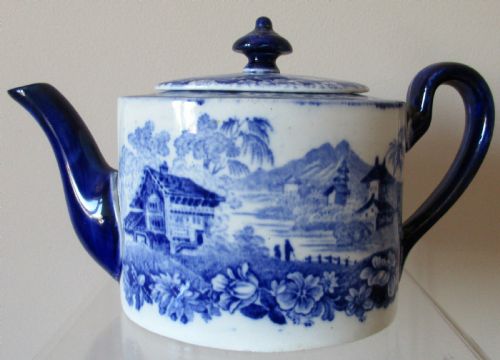
Forms shift from fluted tea bowls and globular teapots of the Georgian period to more robust Victorian transfer-printed items and twentieth-century tea sets. Buyers frequently encounter specialised shapes such as solitaire teapots and coffee cups decorated with hand-painted polychrome motifs or blue and white transfer prints.
Materials and production methods
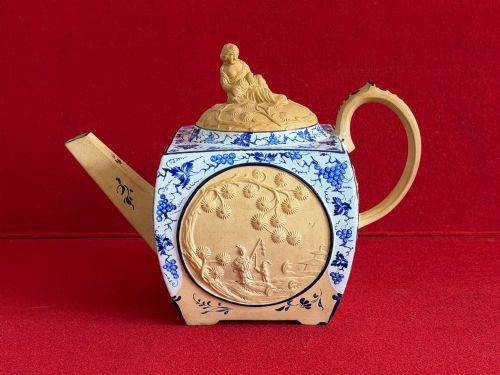
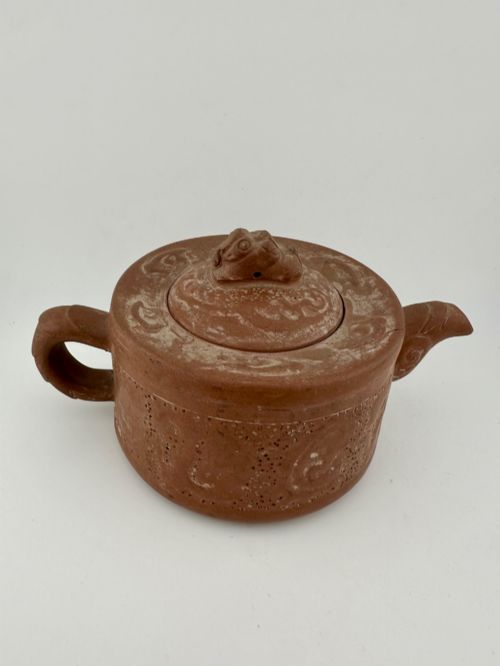
Potters utilised soft-paste porcelain, bone china, and specialised clays like caneware or Yixing zisha, shaping them on wheels or pressing them into moulds. Glazes were applied before secondary low-temperature firings if enamel colours or gold leaf gilding required fixation.
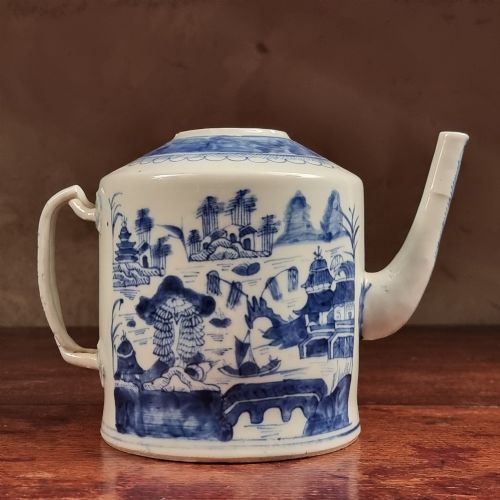
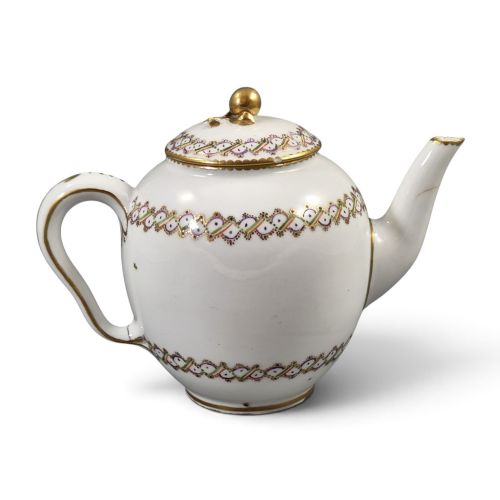
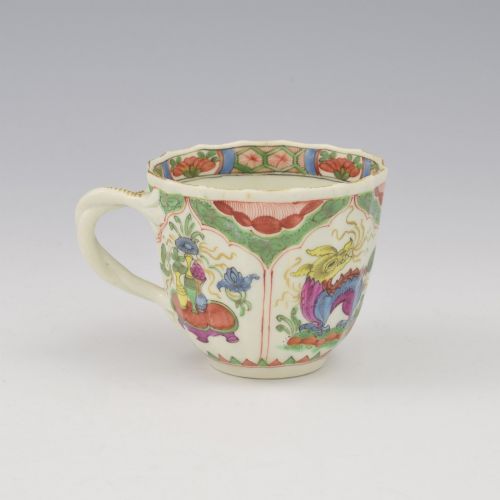
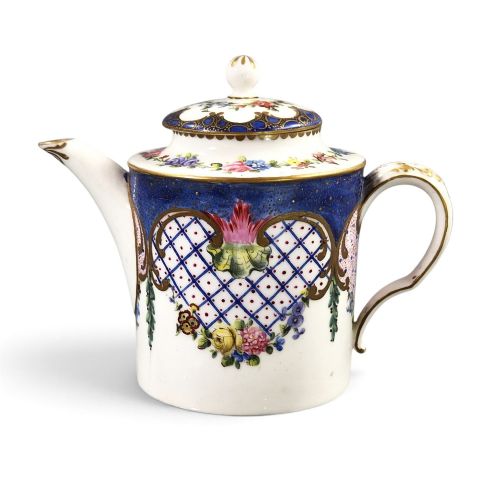
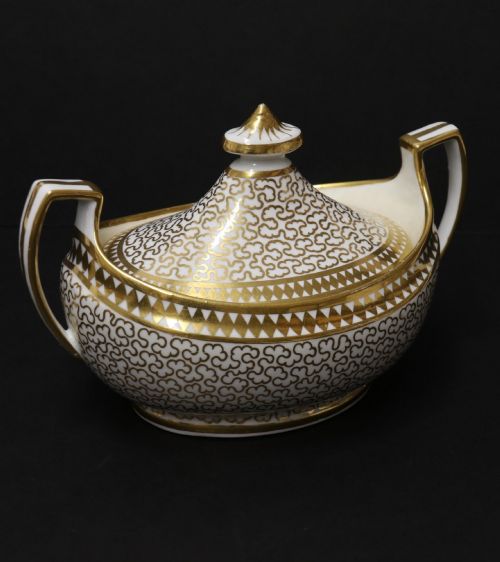
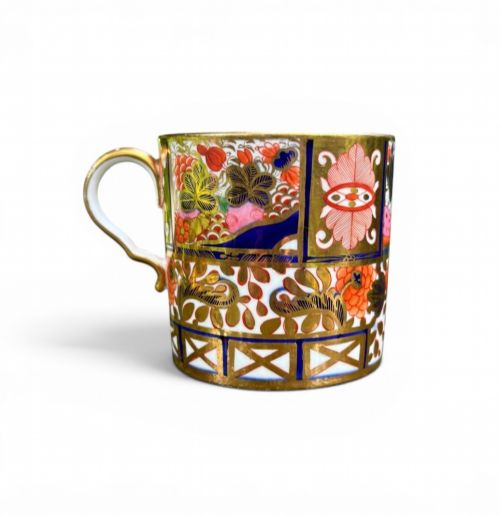
Decoration combined hand-painting in polychrome enamels with underglaze blue painting and transfer printing. Details such as toad finials, floral knops, and gilt borders demonstrate the high level of manual skill involved in domestic ceramic manufacture.
Antique Ceramic Teaware Retail Price Guide 2026
Typical asking prices for ceramic teaware among the pieces listed under this phrase on Sellingantiques today, from the lower quarter to the upper quarter. They describe what is for sale here now, not the wider market.
Some nineteenth-century breakfast sets recorded here carry whimsical factory pattern titles like "Crazy Cow" and "Bengal Tiger."
Distinctions in quality
Excellence rests in the crispness of the moulding, the purity of the porcelain body, and the precision of the hand-painted or transfer-printed decoration. Pieces displaying finely controlled polychrome enamel work or intricate gilding show superior workshop standards compared to routine production.
The sophistication of the glaze and the preservation of delicate surface details, such as fluting and applied botanical or figurative motifs, determine the standing of an individual vessel within its period.
Spode·Royal Sèvres·Chamberlains Worcester·Mintons·Moscow Factory·Royal Worcester
The Antique Ceramic Teaware Glossary
- Soft-paste porcelain
- A glassy ceramic composition fired at lower temperatures than hard-paste porcelain, often showing a warm, creamy body beneath the glaze. It was widely developed by eighteenth-century English factories.
- Bone china
- A durable porcelain incorporating bone ash into the paste, producing a bright white surface that accepts enamels and gilding cleanly. Nineteenth-century makers utilised it extensively for cups and saucers.
- Caneware
- A fine stoneware body possessing a warm buff or tan colour resembling bamboo or pastry. Spode and other English manufacturers employed it for textured teapots.
- Sucrier
- A covered vessel designed specifically for holding loose sugar at the tea table. These often mirror the decorative scheme of contemporaneous teapots and cups.
- Coffee can
- A straight-sided cylindrical cup without a handle, intended for serving strong coffee in the eighteenth and nineteenth centuries. They frequently share patterns with matching saucers.
Antique Ceramic Teaware: Frequently Asked Questions
What is soft-paste porcelain?
Soft-paste porcelain is an artificial ceramic body composed of white clay and glass frit, fired at lower temperatures than true hard-paste porcelain. This formula yields a slightly softer body and a distinctive glossy glaze.
Collectors prize eighteenth-century soft-paste teaware for its warm translucency and the way it absorbs hand-painted enamel colours during decoration.
How do I identify a coffee can?
A coffee can is a small, straight-sided cylindrical cup without a handle, manufactured primarily during the Georgian and Regency periods. They were turned thin on the wheel to hold heat for strong coffee.
They usually appear alongside matched saucers in tea and coffee services from the late eighteenth and early nineteenth centuries.
What is a solitaire teapot?
A solitaire teapot is a miniature vessel designed to brew a single portion of tea for one person. These compact pots formed part of intimate morning sets during the nineteenth century.
They feature the same decorative motifs, such as blue and white transfer prints, as standard domestic teapots but on a reduced scale.
How should I care for antique teaware?
Antique ceramic teaware requires gentle hand washing in warm water using mild soap, avoiding dishwashers and harsh scrubbing brushes. Sudden temperature changes should be prevented to protect the fragile glaze and body.
Displaying or storing pieces away from direct sunlight preserves the stability of enamel colours and gold leaf gilding over time.