





Antique Ceramic Fish
These antique ceramic fish span nineteenth-century majolica sardine boxes and Japanese porcelain vases, offering vibrant marine forms for the collector.
Antique Ceramic Fish
When searching for antique ceramic fish, a buyer encounters a diverse group of objects ranging from functional tableware to large decorative planters.
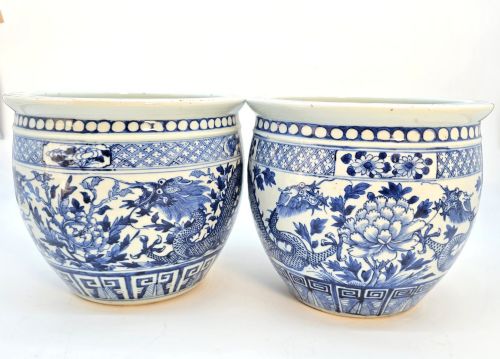
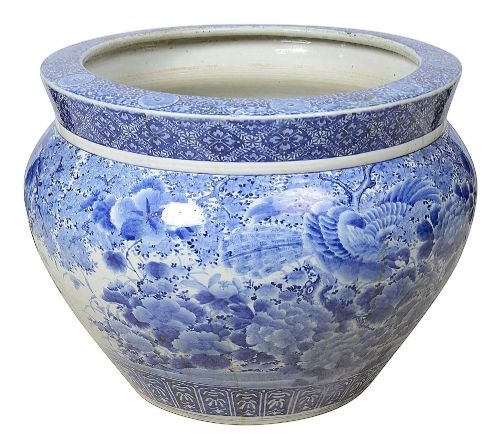
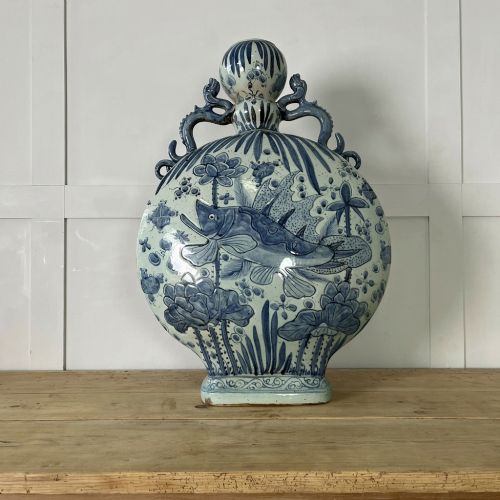
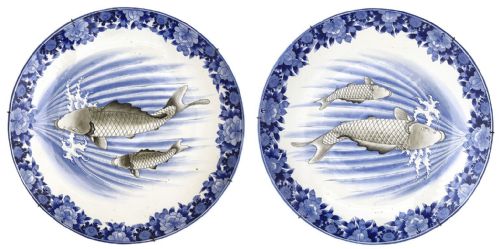
The most common examples on this page are nineteenth-century Japanese blue and white porcelain jardinières and Chinese fish bowls decorated with aquatic motifs.
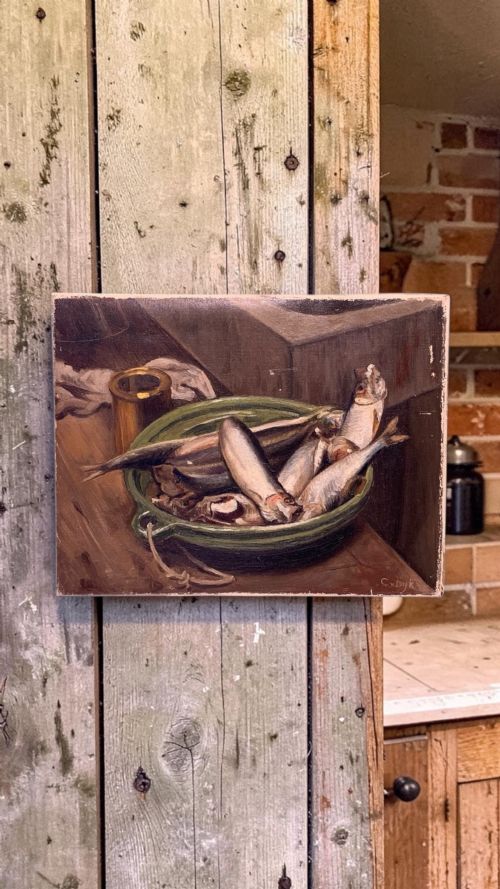
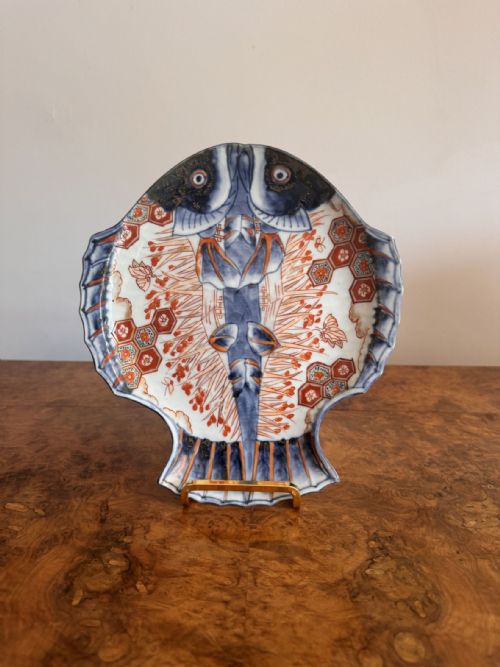
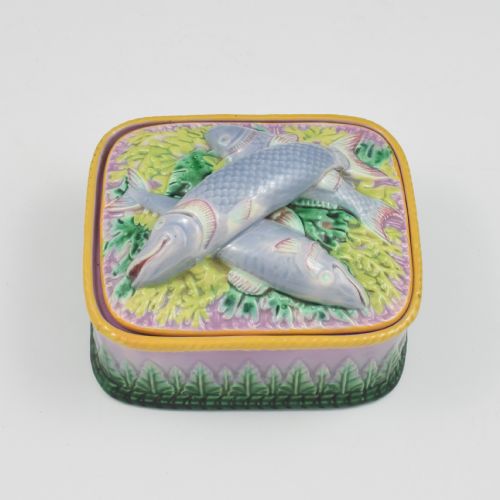
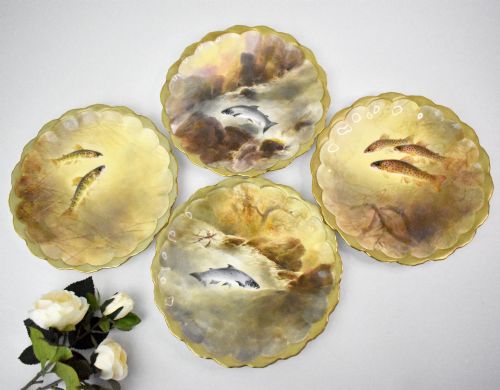
Other frequent forms include majolica sardine boxes from English potteries, hand-painted plates from royal factories, and sculptural groups from the Art Deco period.
How They Were Made
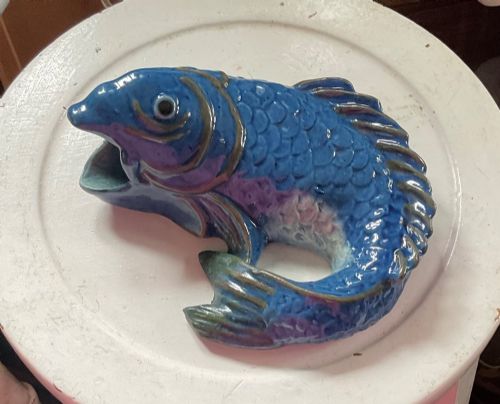
Potters shaped these pieces using earthenware, stoneware, and porcelain bodies, frequently applying cobalt underglaze or rich coloured enamel paints.
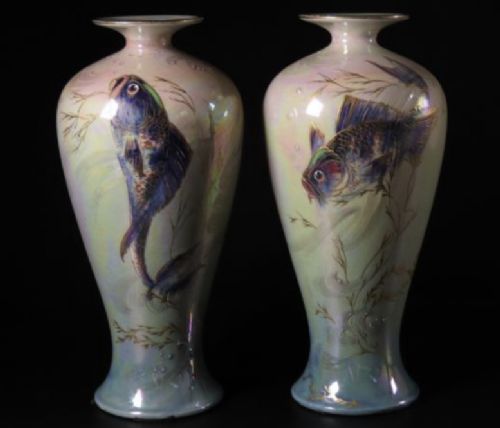
Techniques span from traditional hand-thrown vessels and moulded majolica earthenware to intricate lustre applications and detailed brushwork by named artists.
Materials represented include delicate porcelain, robust ironstone, stoneware from Southeast Asian kilns, and rich coloured enamel glazes.
What Varies in Quality
Quality rests upon the crispness of the moulded relief, the depth of the glaze, and the precision of the hand-painted aquatic details.
Superior pieces display careful firing without distortion, harmonious colour palettes, and distinct artist or factory marks preserved beneath the glaze.
George Jones·Walter Slater·Joseph Birbeck Senior·Guido Cacciapuoti·Thomas Forester And Sons·Royal Doulton·Royal Crown Derby·Royal Copenhagen
The Antique Ceramic Fish Glossary
- Jardiniere
- A large ceramic pot or bowl designed to hold growing plants. These often feature fish and lotus designs suited to water themes.
- Majolica
- A type of colourful lead-glazed earthenware popular during the Victorian era. It frequently takes naturalistic forms such as fish and sea life.
- Celadon
- A pale green jade-like glaze applied to stoneware and porcelain. This traditional finish often decorates early Chinese twin fish dishes.
Antique Ceramic Fish: Frequently Asked Questions
How were ceramic fish boxes used?
Victorian majolica sardine boxes served dining tables for serving preserved fish directly to guests. They sat on matching ceramic trays with fitted lids to keep provisions fresh.
Today, collectors display these lidded vessels on sideboards or use them as decorative lidded containers in living spaces.
What is a fish bowl or jardiniere?
Large ceramic fish bowls and jardinieres acted as indoor planters for ferns and palms or housed live goldfish in grand rooms. Their heavy porcelain or earthenware walls supported substantial water volume.
In modern interiors, they function well as floor-standing plant holders or sculptural centrepieces.
How do I identify Japanese Meiji period pieces?
Japanese Meiji period ceramics often exhibit distinct blue and white motifs, Imari palettes, or koi fish designs created between eighteen sixty-eight and nineteen twelve. Many pieces carry maker or kiln marks on the base.
Examining the glaze consistency and iron-spur marks helps distinguish these nineteenth-century items from later reproductions.
Can I use antique fish plates for dining?
While these decorative plates and platters were originally made for culinary use, antique porcelain and earthenware require careful handling. Historic glazes can be sensitive to modern detergents and cutlery scratching.
Most collectors prefer to exhibit cabinet plates on stands or hang wall pockets securely rather than risk daily wear.