




Antique Ceramic Display Bowl
An antique ceramic display bowl brings centuries of global kiln artistry directly to a room, offering both decorative presence and historical depth.
Antique Ceramic Display Bowl
An antique ceramic display bowl encompasses a wide array of decorative vessels, plates, and dishes created for visual appreciation across multiple centuries. Buyers searching for an antique ceramic display bowl will encounter pieces ranging from early earthenware and buffware to delicate porcelain, originating from European potteries and Asian kilns alike.
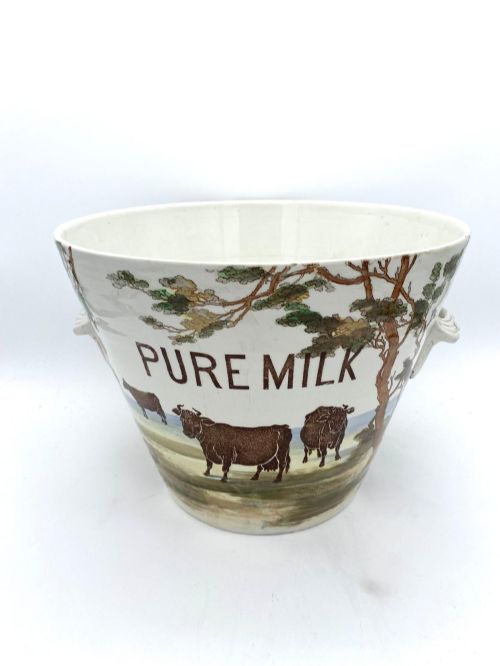
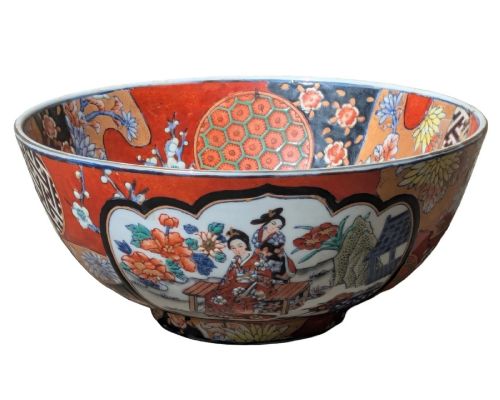
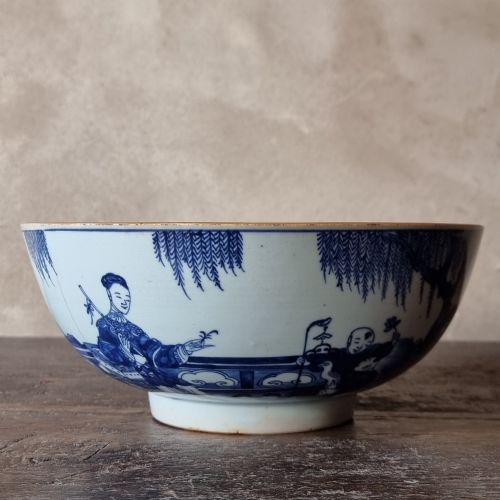
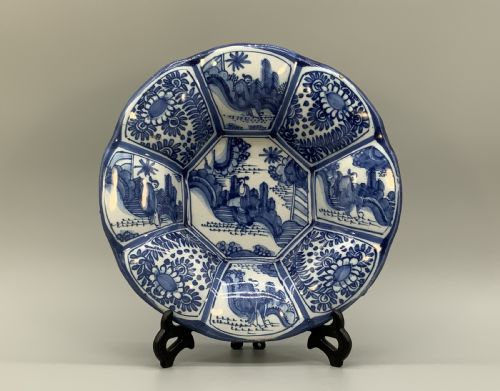
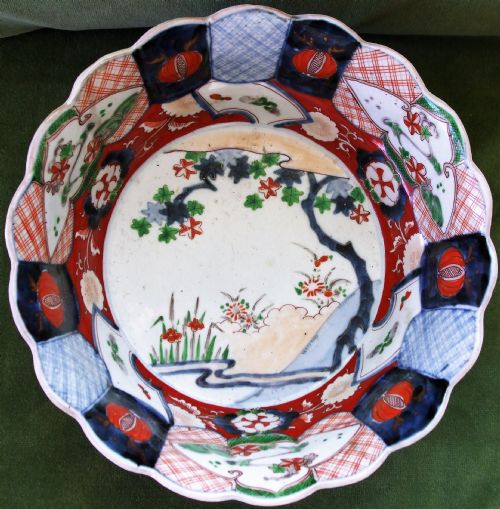
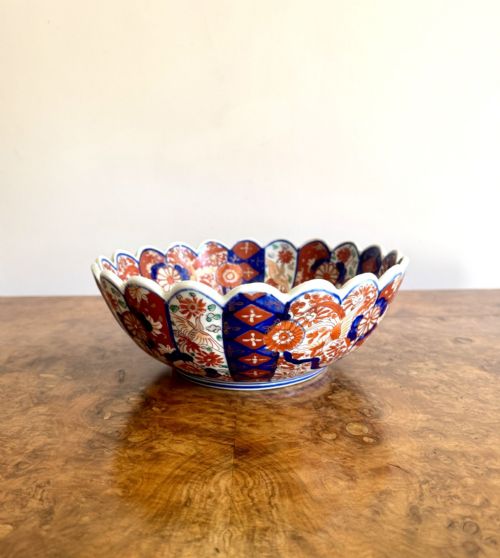
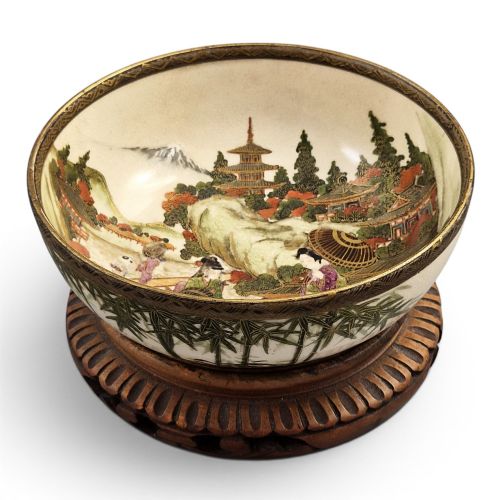
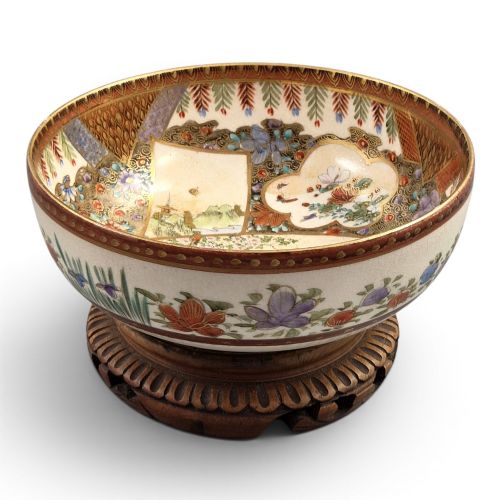
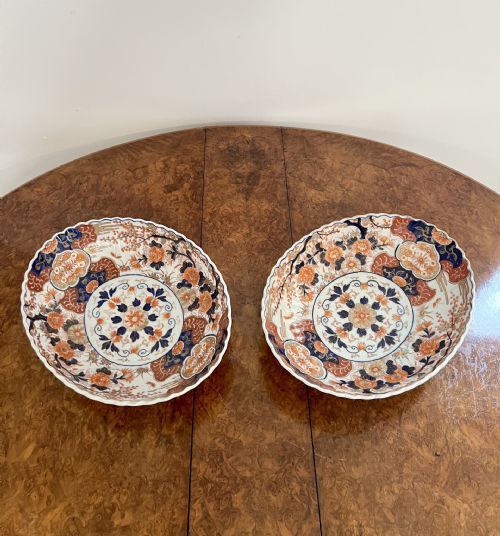
The selection on this page leans heavily towards Japanese Imari and Satsuma wares from the Meiji and Showa periods, alongside Chinese punch bowls and porcelain vessels. These forms frequently feature scalloped edges, intricate cobalt or gilt decoration, and varied geometric or pictorial motifs suited for prominent placement on cabinets or stands.
How they were made
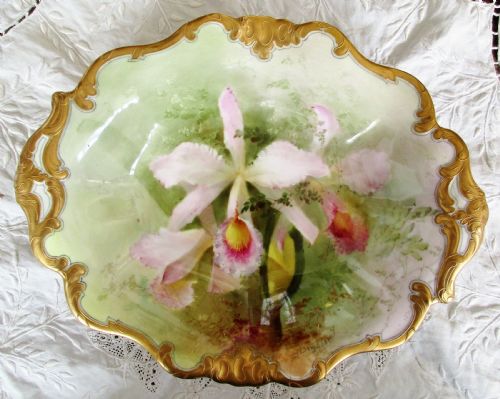
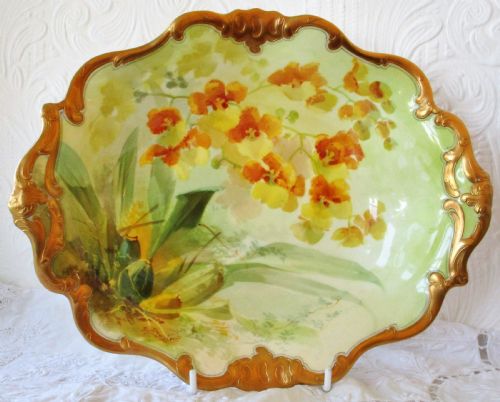
Potters shaped these vessels from earthenware, creamware, and porcelain before applying mineral glazes, cobalt designs, and enamel pigments. Many pieces received meticulous additions of gold leaf and intricate gilding to highlight painted scenes of flora, fauna, and historical battles.
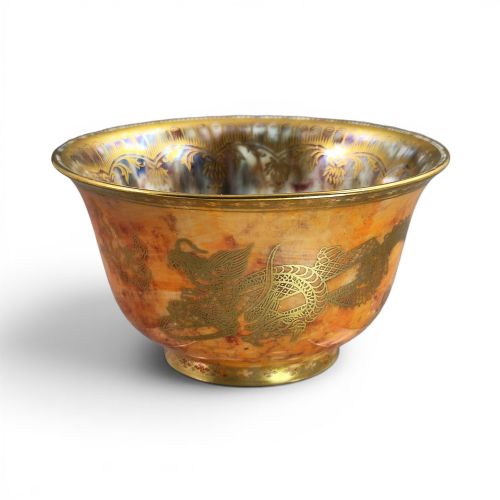
Techniques varied from high-fired porcelain production in Chinese and Japanese kilns to specialised lustre applications and earthenware throwing in European and early Middle Eastern potteries. Artisans utilised underglaze painting and overglaze enamel work to achieve lasting vibrancy across centuries.
Materials recorded across the inventory range from earthenware, creamware, and buffware to fine porcelain embellished with enamel and gold leaf.
What varies in quality
The distinction between standard domestic wares and superior cabinet pieces rests in the precision of the brushwork, the depth of the glaze, and the intricacy of the painted motifs. Master painters executed detailed figures, botanical studies, and complex border patterns with controlled lines that elevate an ordinary vessel into a work of art.
Preservation of the original surface, including the intactness of delicate gold leaf and overglaze enamels, defines the standing of a piece. Superior examples exhibit well-balanced forms, clear signatures from notable makers or potteries, and harmonious integration of colour without excessive wear.
Royal Doulton·Wedgwood·Kinkozan·Coalport·Worcester
The Antique Ceramic Display Bowl Glossary
- Imari
- A style of Japanese porcelain featuring a distinct palette of underglaze blue, iron red, and gold, named after the port from which the wares were exported.
- Satsuma
- Earthenware pottery originating from the Satsuma province in Japan, characterised by a crackle-glaze finish and detailed polychrome enamel painting heightened with gold.
- Famille Rose
- A palette of Chinese porcelain decoration introduced in the Qing dynasty, dominated by opaque pink enamel derived from colloidal gold.
- Lustre
- A type of ceramic glaze that imparts a metallic sheen through the reduction of metallic oxides during firing, utilised notably by Wedgwood and earlier medieval potters.
- Cabinet Dish
- A decorative ceramic plate or shallow bowl produced primarily for display within a cabinet or on a wall rather than for practical table use.
Antique Ceramic Display Bowl: Frequently Asked Questions
How do I display an antique bowl safely?
Secure the vessel on a sturdy cabinet shelf or mount it using a specialised display stand that supports the base evenly. Avoid placing delicate porcelain or earthenware in direct sunlight to protect enamel pigments and gold leaf from fading over time.
Ensure the display location experiences minimal foot traffic or vibration to prevent accidental knocks. For larger or heavier centre bowls, confirm that the supporting surface can bear the weight without tilting.
What is the difference between Imari and Satsuma?
Imari wares are hard-paste porcelains typically decorated with deep cobalt blue, iron red, and gilt, presenting a crisp and resonant body. They originate largely from the Arita region and focus on stylized floral and geometric compositions.
Satsuma pieces are earthenware ceramics characterised by a cream-coloured, crackled glaze and dense, pictorial overglaze enamel painting. They often depict elaborate figural scenes, historical battles, and natural motifs enhanced with raised gold work.
How do I identify the period of a bowl?
Examine the materials, glaze characteristics, and painting style to establish a baseline era, cross-referencing motifs with documented historical periods such as the Meiji era or the 18th century. Stylistic markers like Kraak designs or Famille Rose palettes offer strong clues to the decade or century of production.
Look for maker marks, signatures, or backstamps stamped or painted on the base. While some earlier pieces remain unmarked, identifiable factory marks provide precise manufacturing windows.
Can I use these antique bowls for food?
Most antique ceramic display bowls are intended strictly for decorative exhibition rather than culinary use. Historic glazes and overglaze enamels can contain materials that are unsuited for modern food contact, and the porous nature of older earthenware or damaged porcelain can harbour bacteria.
Displaying these items protects their fragile surfaces, historical patinas, and delicate gilt details from scratching or chemical degradation. Enjoy them as visual works of art rather than functional tableware.