

Antique Ceramic Cherubs
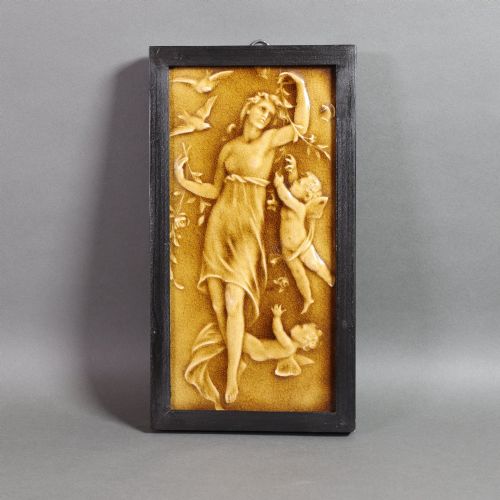
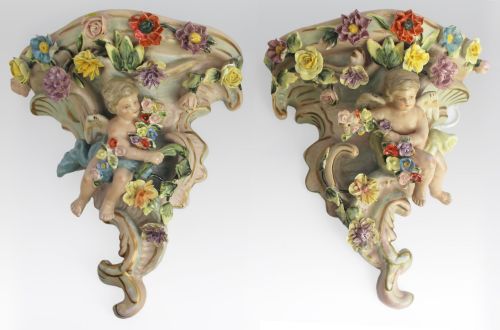
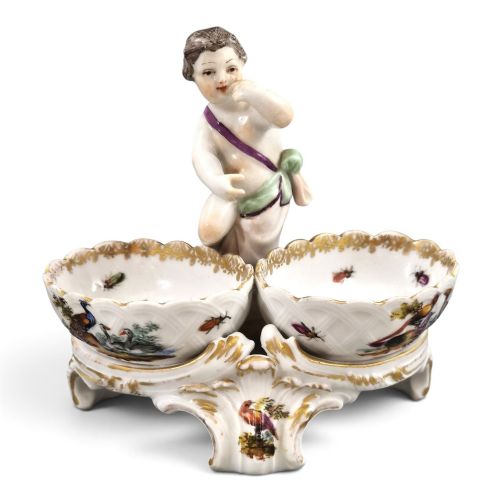
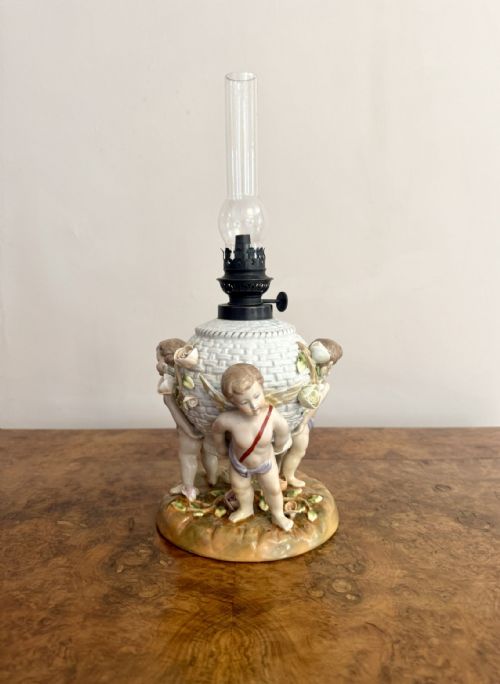
Antique ceramic cherubs bring winged putti into domestic spaces through figures, wall plaques, and table centrepieces.
Antique Ceramic Cherubs
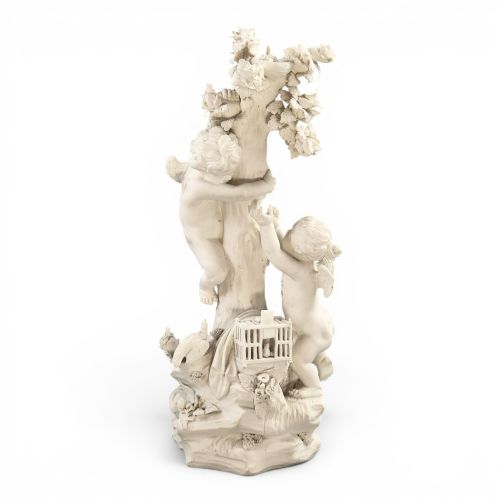
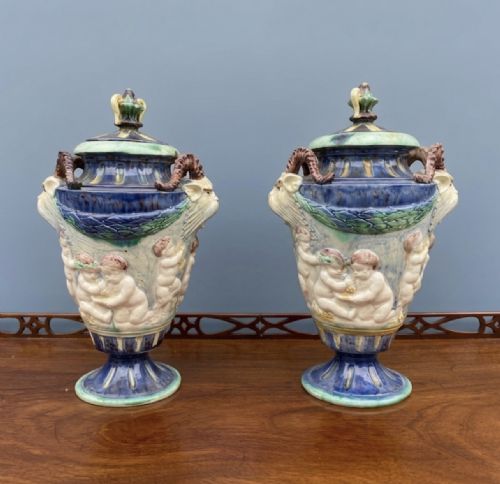
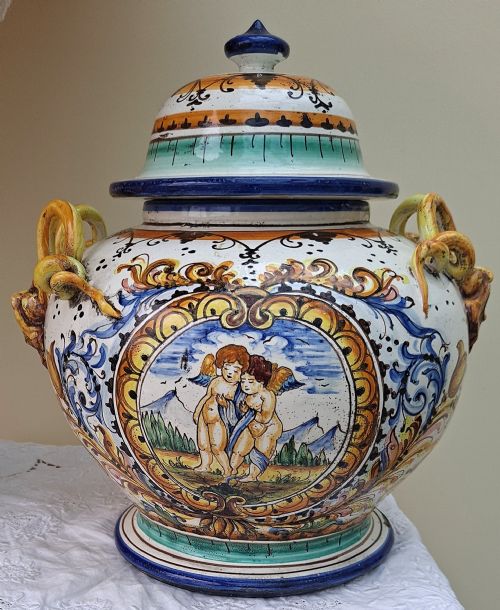
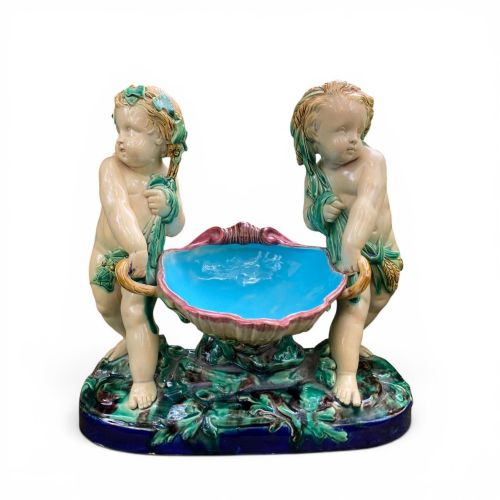
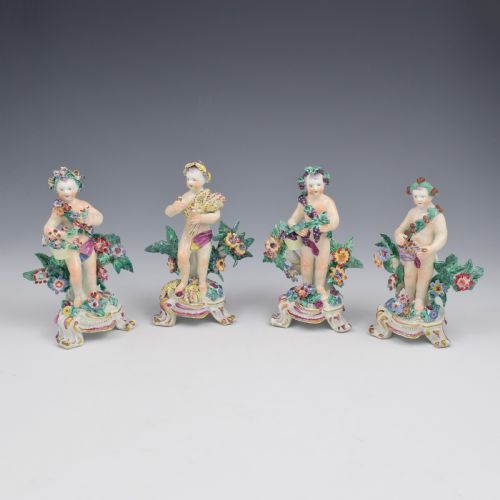
Antique ceramic cherubs encompass winged putti modelled as porcelain figurines, majolica urns, and decorative wall corbels spanning the eighteenth to the early twentieth century.
Buyers meet eighteenth-century figures from English factories alongside nineteenth-century Continental centrepieces and lamps decorated in revivalist styles.
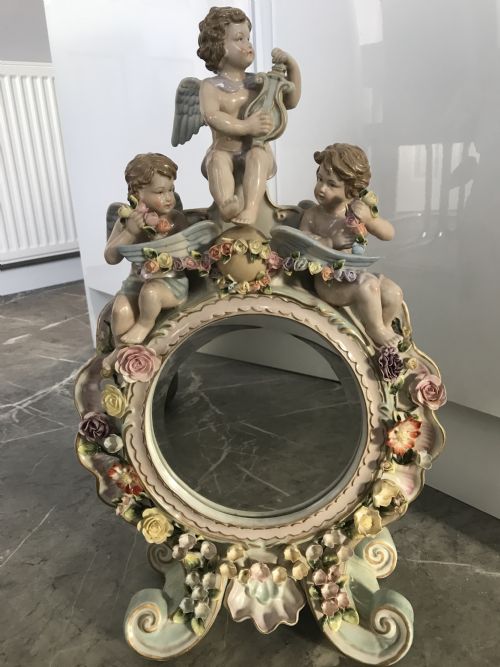
These items function primarily as decorative ornaments, dressing table mirrors, and table centrepieces shaped from earthenware, majolica, and soft or hard-paste porcelain.
Materials and Techniques
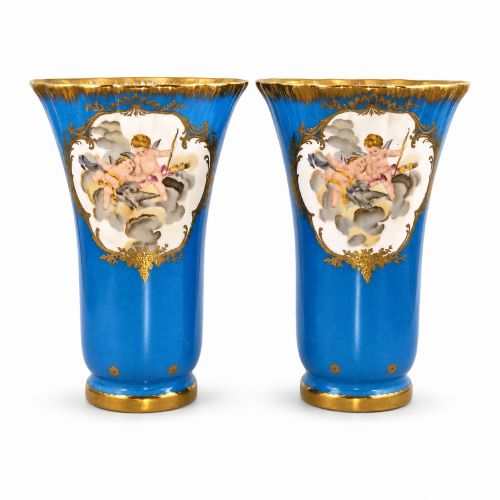
The pieces rely on ceramic bodies formed from earthenware, tin-glazed faience, or delicate porcelain, frequently enhanced with hand-painted polychrome pigments and gilded accents.
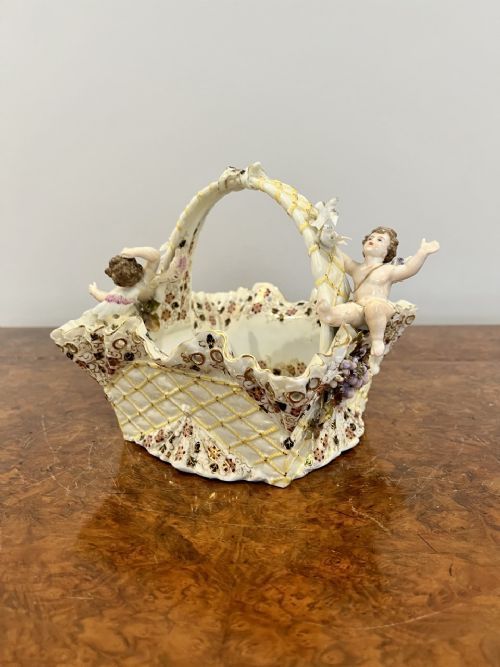
Several putti wear tiny tricorne hats or hold baskets filled with grapes.
Qualities of Execution
Quality rests upon the crispness of the modelled forms and the delicacy of hand-painting on the wings, drapery, and facial expressions of the putti.
Superior examples demonstrate careful integration of sculptural elements with functional forms like baskets, salt cellars, and lamp bases, avoiding heavy or crude moulding.
KPM Berlin·Sitzendorf·Edme Samson·Minton·Meissen·Bow·Royal Dux Bohemia·Schierholz
The Antique Ceramic Cherubs Glossary
- Putto
- A plump, often winged male infant figure frequently depicted in classical art and ceramic sculpture. These figures form the primary subject matter for the pieces on this page.
- Majolica
- A type of earthenware coated with a tin glaze and painted with metallic oxide colours. It is known for vivid polychrome decoration.
- Faience
- European tin-glazed pottery produced in France, Germany, and other regions. This technique provides a smooth white background for painted mythological scenes and cherubs.
- Biscuit porcelain
- Unglazed porcelain fired to a matte, marble-like finish. It allows sculptural details on figures to remain sharp and unclouded by glossy glaze.
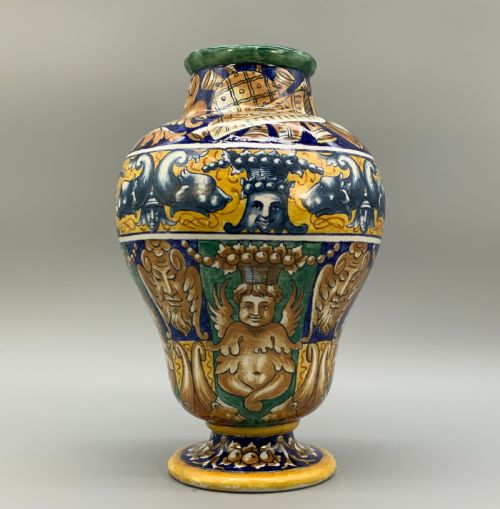
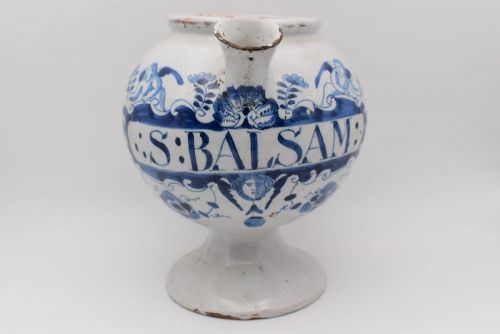
- Albarello
- A cylindrical earthenware jar used by apothecaries to hold drugs and ointments. These jars are often decorated with painted cherubs and labels.
Antique Ceramic Cherubs: Frequently Asked Questions
What are antique ceramic cherubs?
Antique ceramic cherubs are sculptural and functional objects featuring winged infant figures, produced by European porcelain and pottery factories from the eighteenth century onwards.
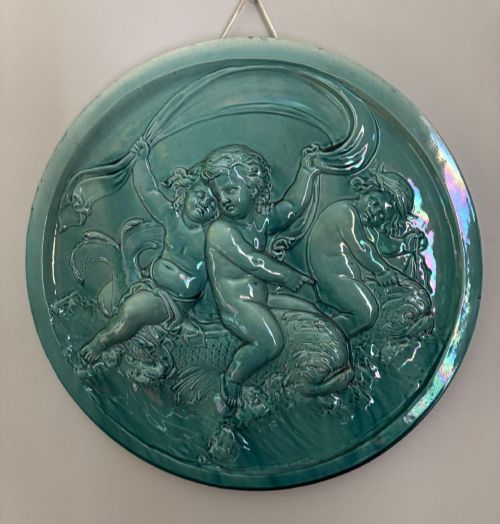
They appear as freestanding figures, table centrepieces, wall brackets, and apothecary jars made from porcelain, majolica, and earthenware.
How were these ceramic cherubs used?
These pieces served largely as decorative ornaments in wealthy homes, displaying the skill of European ceramicists through mythological and allegorical themes.
Larger items functioned as centrepieces for dining tables, oil lamps for illumination, or pharmacy jars for storing medicinal ingredients.
How do I live with antique porcelain cherubs?
Living with these delicate items involves placing them on stable surfaces away from direct sunlight and heavy household traffic to protect fragile glazed or unglazed details.
Regular dusting with a soft brush keeps the polychrome painted surfaces and applied floral elements in good condition.
How can I tell periods apart?
Earlier pieces from the eighteenth century often display the softer pastes and simpler hand-painted palettes characteristic of early English and German factories.
Late nineteenth and early twentieth-century examples frequently employ revivalist styles, heavier majolica glazes, or more elaborate moulded compositions.