
Antique Ceramic Centrepiece Bowl
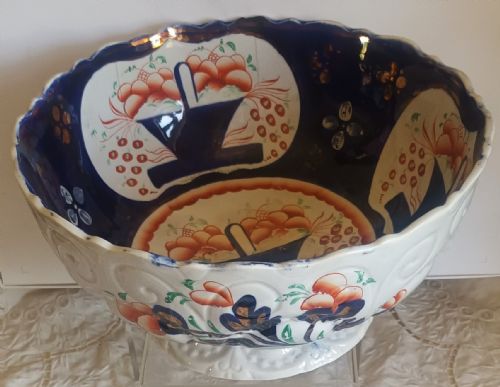
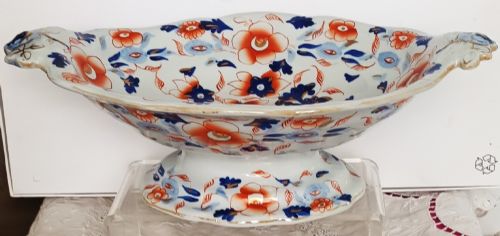
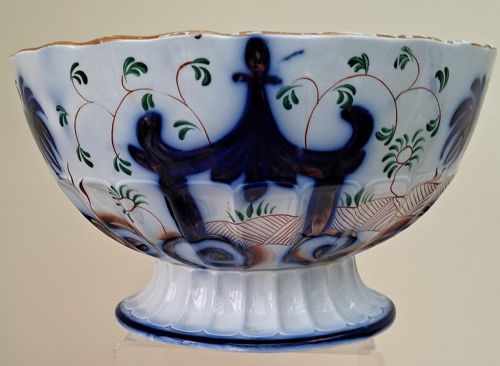
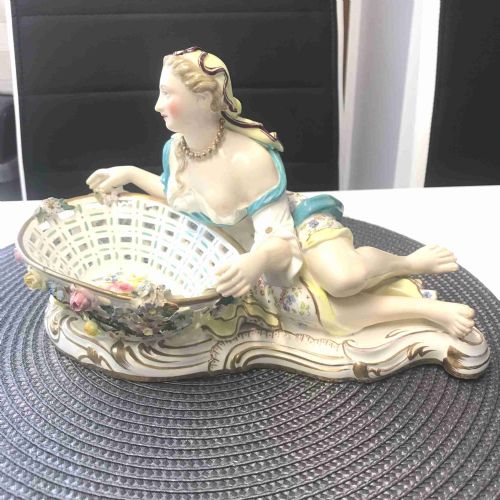
An antique ceramic centrepiece bowl commands the middle of a dining table with hand-painted glaze, gilt accents and sculpted porcelain.
Antique Ceramic Centrepiece Bowl
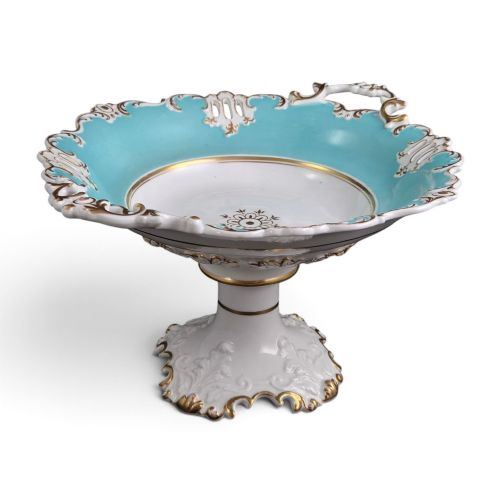
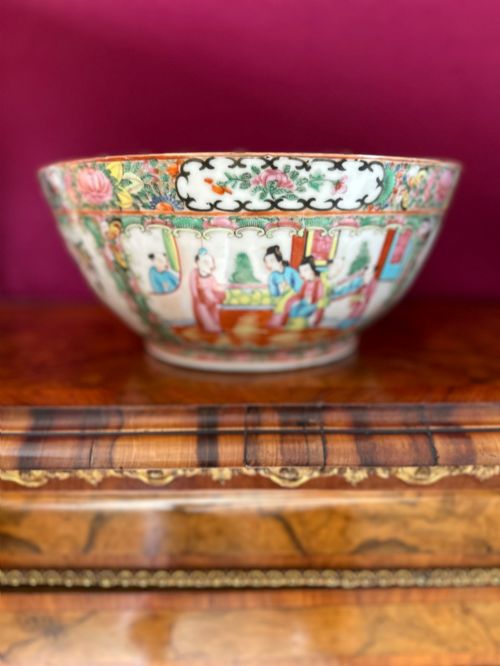
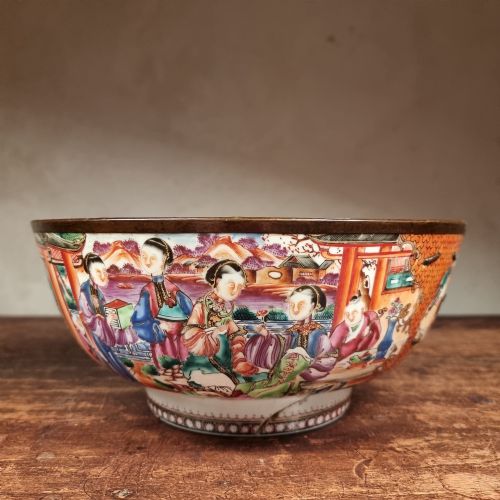
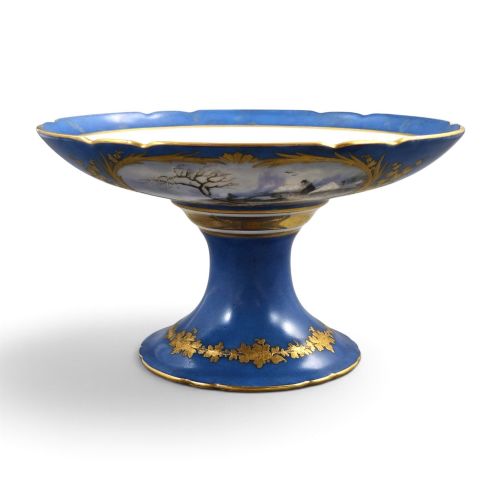
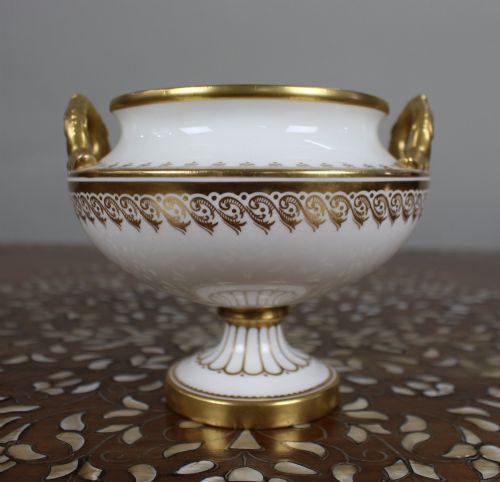
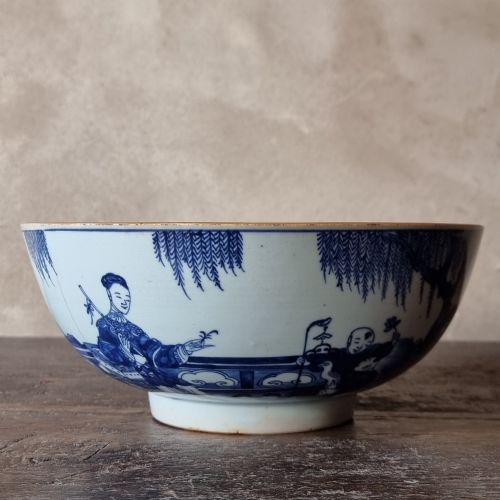
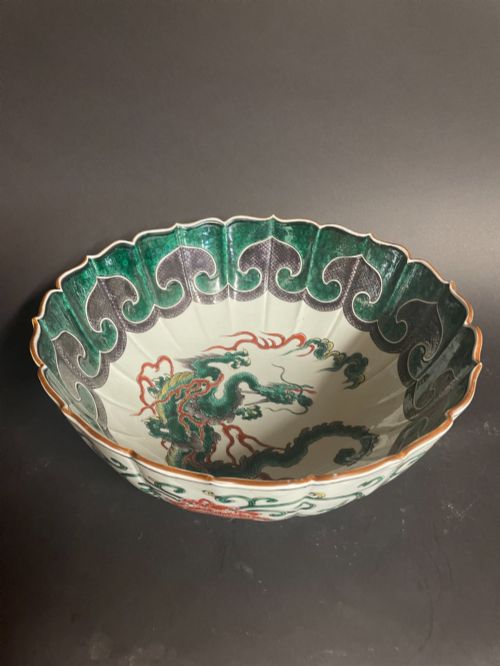
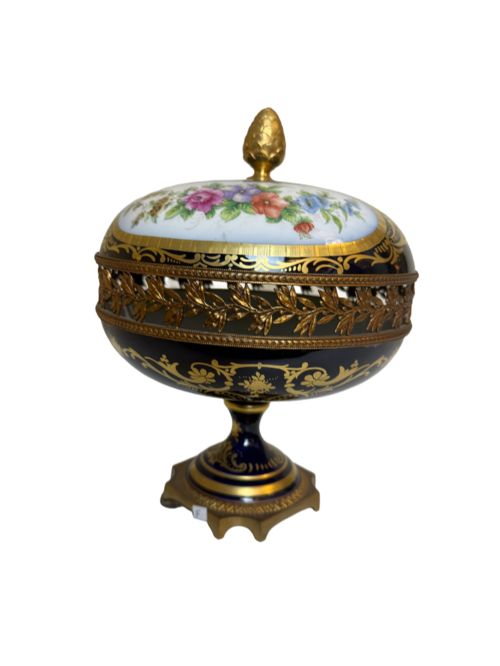
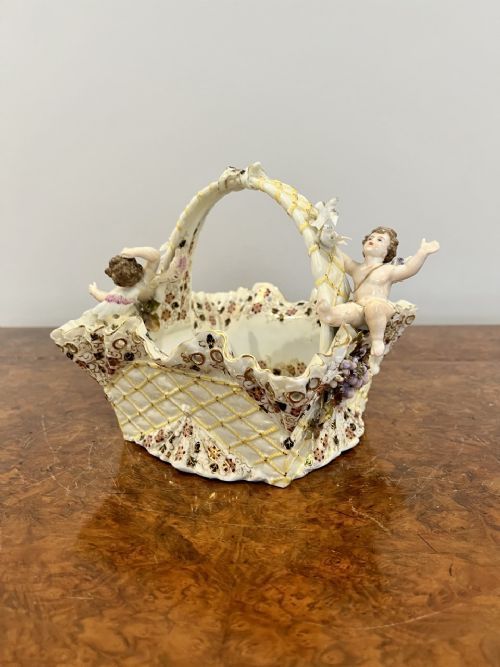
An antique ceramic centrepiece bowl serves as a table focal point, taking the form of footed comports, tazzas, punch bowls and open baskets designed for display or fruit. The pieces span Georgian, Victorian, Edwardian and early twentieth-century periods, originating from English factories, continental European makers and Asian export kilns.
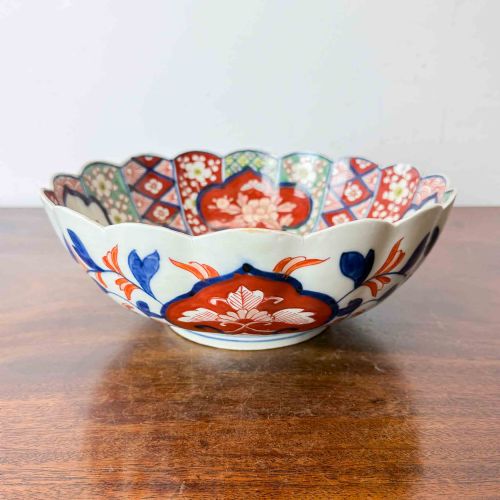
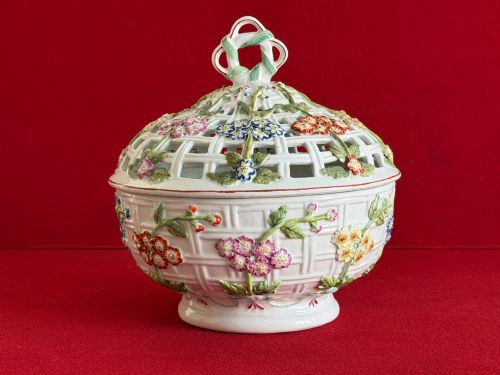
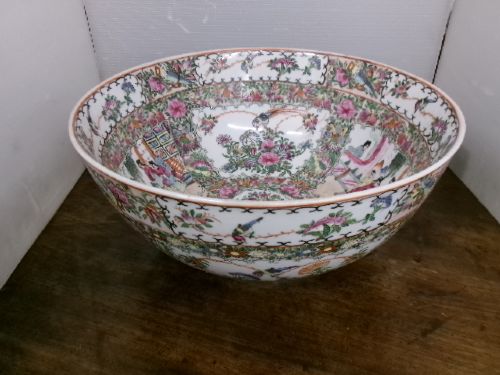
The inventory on this page ranges widely from large Chinese Canton and Japanese Imari porcelain vessels to ornate English bone china tazzas and majolica baskets. Buyers encounter everything from deep punch bowls and covered chestnut baskets to delicate shell dishes and pedestal comports intended for grand dining rooms.
How they were made
Potters shaped porcelain, earthenware and ironstone on the wheel or pressed clay into moulds to create intricate footed bowls, scalloped edges and pierced baskets. Craftsmen then applied glazes, hand-painted floral or figured motifs, and added details in gold leaf, enamel and gilding before firing.
Many European and Asian examples incorporate mixed media, such as French pieces mounted with gilt bronze or champlevé enamel frames, and English earthenware finished with transfer-printed or hand-brushed patterns.
Several Victorian ceramic baskets feature painstaking hand-applied porcelain flower petals that look freshly snipped from an English garden after two centuries.
What varies in quality
Quality rests upon the crispness of the porcelain moulding, the precision of the hand-painted brushwork and the preservation of the original gilt and enamel surfaces. Pieces with heavily detailed floral encrustations, intricate piercing and signed or marked factory origins demonstrate superior studio execution.
The weight of the ceramic body, the depth of the glaze and the harmony of the decorative palette separate standard decorative wares from exceptional collector pieces produced by leading European and Asian potteries.
Coalport·Derby·Sèvres·Meissen·Royal Vienna·Mason's·Wedgwood·Minton·Worcester·Doulton Burslem·Royal Worcester
The Antique Ceramic Centrepiece Bowl Glossary
- Tazza
- A shallow ornamental bowl or cup set upon a standing foot or pedestal. This elevated form displays fruit or sweetmeats.
- Comport
- A decorative footed dish used for serving fruit or sweet items at the dining table. It typically sits higher than a standard bowl.
- Imari
- A style of Japanese porcelain decorated in underglaze blue and contrasting iron red, green and gilt. The palette remains vibrant and densely patterned.
- Punch bowl
- A large, deep vessel traditionally used for mixing and serving communal punch drinks during social gatherings. They often display expansive hand-painted scenes across the exterior.
Antique Ceramic Centrepiece Bowl: Frequently Asked Questions
What were antique centrepiece bowls used for?
These large vessels sat in the middle of formal dining tables to hold fresh fruit, flowers, sweetmeats or communal beverages like punch. They functioned primarily as decorative displays of wealth and taste during dinner parties.
Over time, many of these bowls transitioned into purely decorative objects placed on sideboards, mantelpieces or dedicated display tables to showcase the ceramic artistry.
How do I style a centrepiece bowl at home?
Place the bowl in the centre of a large dining table, a heavy wooden sideboard or an open console table where its profile and colours can be fully appreciated. Let the piece stand alone as a sculptural focal point or fill it lightly with seasonal fruit or dried botanicals.
Ensure the surrounding surface is free from clutter so the hand-painted glazes, gilt edges and sculpted ceramic details draw the eye naturally.
How can I tell the period of a ceramic bowl?
Examine the base of the vessel for factory stamps, painted potter marks, handwritten numerals or impressed ciphers that date the piece to specific reigns or decades. The style of the decoration, such as Victorian floral encrustations or Georgian transfer prints, also provides strong clues.
Additionally, the type of ceramic paste - whether heavy ironstone, translucent bone china or crisp porcelain - helps distinguish eighteenth-century pieces from later nineteenth-century productions.
Are these bowls safe for serving food?
While many antique ceramic bowls were originally created for functional use at the dining table, age and previous wear mean most are now best reserved for display. Historic glazes, delicate enamels and exposed gold leaf can be sensitive to modern food acids, cutlery and dishwasher detergents.
If you choose to use your bowl for serving, limit the contents to dry items like fruit or wrapped sweets and wash the vessel gently by hand in lukewarm water.