

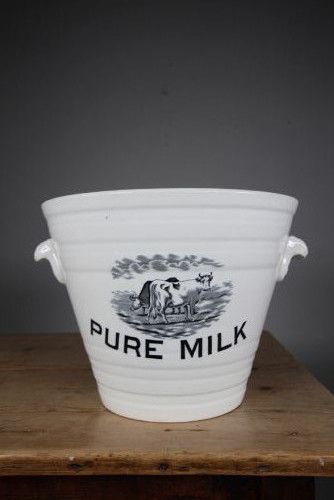


Antique Ceramic Bucket
An antique ceramic bucket brings utilitarian form into refined interiors, offering robust earthenware and porcelain construction for practical cooling or display.
Antique Ceramic Bucket
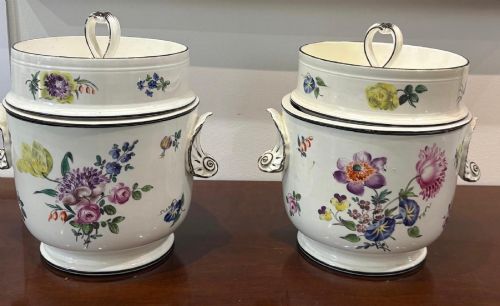
The antique ceramic bucket encompasses functional vessels designed for the dairy, the dining table, and the hearth, spanning forms such as ice pails, wine coolers, milk pails, and lidded pails. These utilitarian objects transitioned from practical farm and cellar use into decorative household items, employing durable materials suited to holding liquids, ice, or provisions.
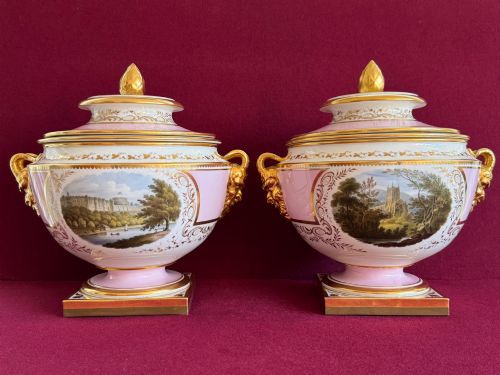
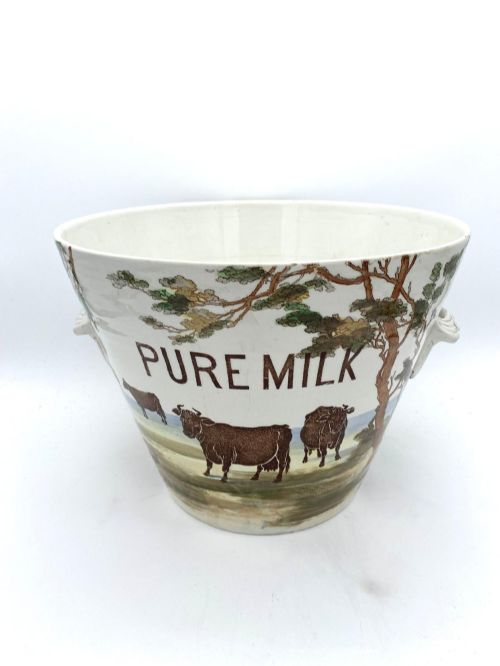
The versions most frequently encountered on this page date from the Georgian, Regency, and Victorian periods, reflecting shifting domestic habits from estate dairies to formal dining rooms. Pieces range from grand porcelain wine coolers decorated with elaborate hand-painted scenes to robust ironstone and earthenware dairy pails intended for daily agricultural labour.
Materials and construction
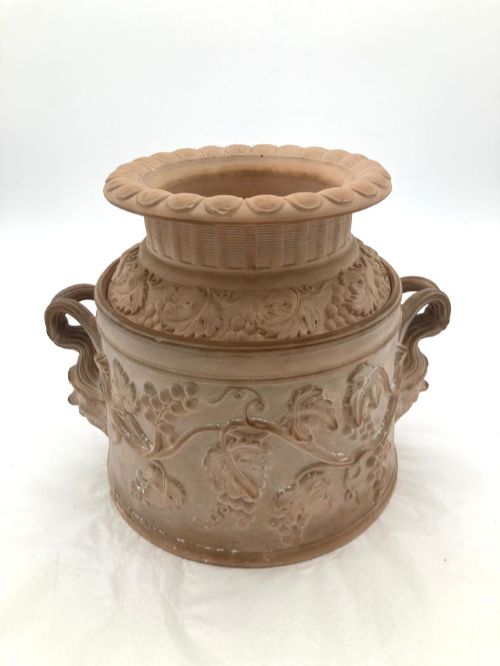
Makers utilised dense earthenware, ironstone, creamware, and fine porcelain, shaping them on the potter's wheel or in moulds before applying glazes and enamel decoration. Terracotta and stoneware provided heavy-duty durability for agricultural dairy wares, while porcelain allowed for delicate forms intended for elite dining settings.
Surface ornamentation involved hand-painted polychrome motifs, gilded accents, and transfer printing, with specific workshops employing gold leaf and enamel over white glazes. Interiors often featured specialised glazes to prevent liquid absorption, whilst structural elements occasionally incorporated secondary materials such as oak and silver plating.
Antique Ceramic Bucket Retail Price Guide 2026
Typical asking prices for ceramic bucket among the pieces listed under this phrase on Sellingantiques today, from the lower quarter to the upper quarter. They describe what is for sale here now, not the wider market.
Form variations range from agricultural dairy pails and slop buckets to refined wine coolers and Japanese studio vases.
Distinctions in quality
Quality rests upon the refinement of the ceramic body and the precision of the potter's moulding, distinguishing heavy utility vessels from finely potted table wares. Fine porcelain and creamware exhibit thin, even walls and sophisticated potting, whereas utilitarian dairy pails prioritize thick, heavy walls designed for structural resilience.
The sophistication of the surface decoration elevates certain pieces, separating factory-produced transfer-printed items from meticulously hand-painted porcelain commissioned from prominent manufactories. Crispness in moulded relief details, such as faux bois textures or classical motifs, further indicates the care taken during production.
Flight Barr And Barr·Chamberlain Worcester·Makuzu Kozan·Adams
The Antique Ceramic Bucket Glossary
- Creamware
- A fine-grained, cream-coloured earthenware perfected in England during the eighteenth century. It replaced heavier salt-glazed stonewares for table and serving use.
- Ironstone
- A heavy, durable type of earthenware patented in the nineteenth century. It resists chipping and mimics porcelain at a lower production cost.
- Terracotta
- Unglazed or clear-glazed fired brownish-red clay. It appears in utilitarian and ornamental garden and wine-cooling vessels.
- Slop bucket
- A large container historically used in bedrooms for emptying washbasins and chamber pots. They were frequently potted in durable ceramics with fitted lids.
- Ice pail
- A vessel designed to hold ice for chilling wine or food at the dining table. They often include internal liners and matching covers.
Antique Ceramic Bucket: Frequently Asked Questions
What were antique ceramic buckets used for?
These vessels served diverse practical purposes ranging from chilling wine and ice at formal dinners to storing milk in estate dairies. Others functioned as domestic slop buckets or large jardinières for holding plants and logs.
Over time, many utilitarian forms transitioned from service areas into principal rooms as decorative containers. Their robust construction allowed them to withstand heavy daily handling in agricultural and domestic environments.
How do I date an antique ceramic bucket?
Dating relies upon stylistic markers, ceramic bodies, and manufacturing techniques characteristic of periods such as the Georgian, Regency, and Victorian eras. Earlier pieces often utilise creamware or soft-paste porcelain, while later Victorian examples frequently employ dense ironstone or terracotta.
Makers' marks, where present on the base, provide definitive chronological attribution. Examining the glaze composition and potting style further helps narrow the production window.
Are ceramic ice pails waterproof?
Most ceramic ice pails and wine coolers feature glazed interiors designed to retain melted ice and liquids without seeping into the porous body. However, hairline fractures or historic repairs can compromise this watertight integrity.
It is advisable to test vessels gently with water before using them actively for chilling beverages or holding cut flowers. Protective liners are sometimes utilised to preserve fragile historic interiors.
How should I display a ceramic bucket at home?
Ceramic buckets function effectively as standalone decorative floor pieces, table centrepieces, or functional plant holders depending on their scale. Larger dairy pails and jardinières suit hearthside placement for logs or dried botanicals.
Placing heavier earthenware on stable surfaces protects both the vessel and the furniture from accidental knocks. Ensuring adequate support prevents strain on handles or protruding decorative mounts.