







Antique Ceramic Amphora
These antique ceramic amphora vessels bring classical form and rustic warmth into a modern room, offering centuries of utilitarian history.
Antique Ceramic Amphora
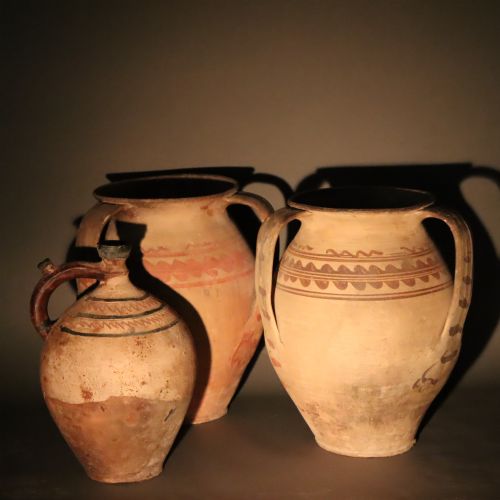
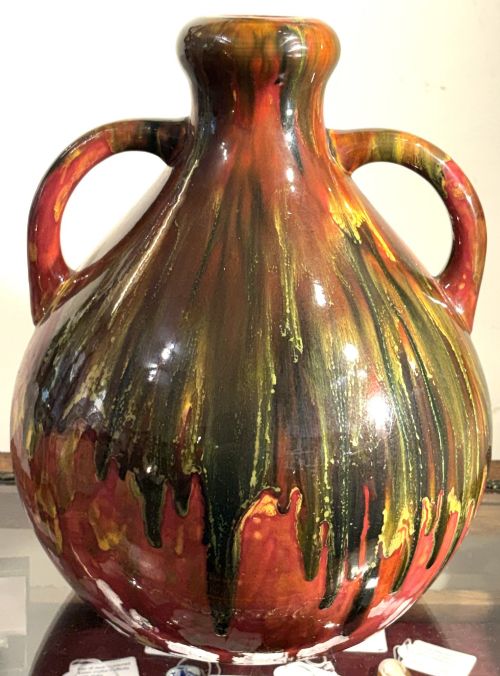
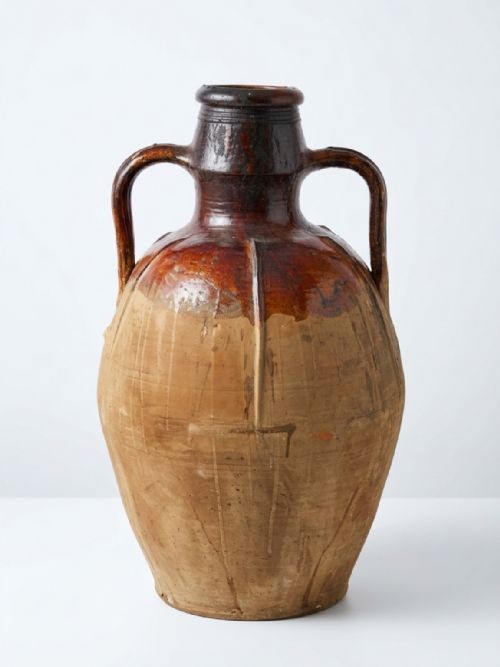
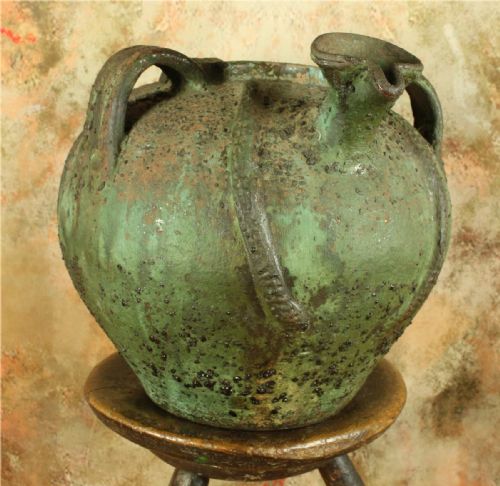
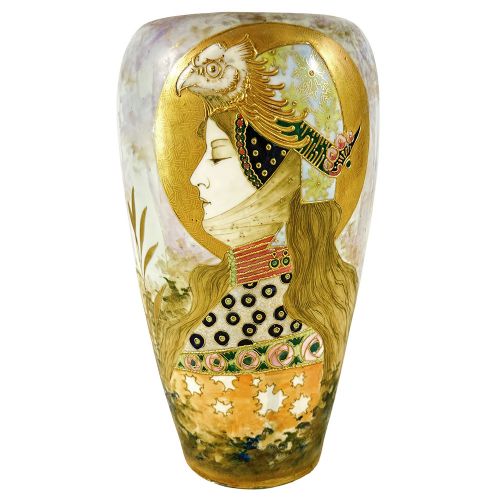
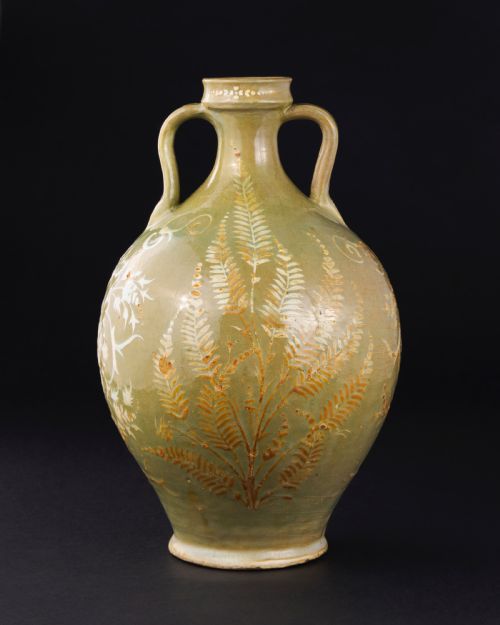
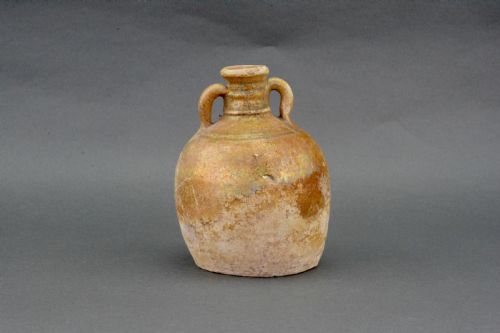
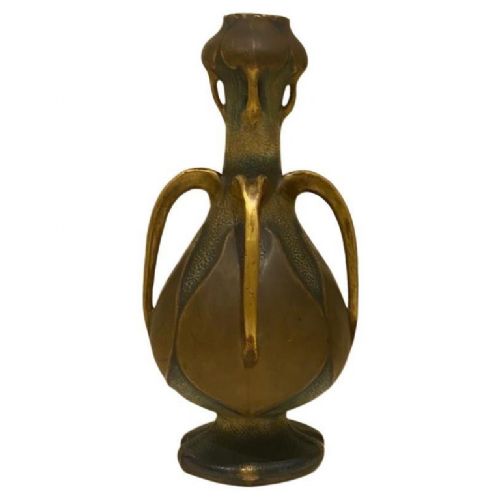
When searching for an antique ceramic amphora, a buyer encounters a diverse range of vessels spanning centuries of production, from ancient Mediterranean storage jars to nineteenth-century European art pottery. The most common examples met on this page are large nineteenth-century terracotta olive jars, French and Italian country storage vessels, and distinctive Art Nouveau pieces from Austrian potteries.
The category encompasses everything from humble utility wares used for wine, oil, and water to highly decorative Victorian art pottery and monumental garden planters. Regional styles from this selection range from rustic Mediterranean earthenware and Turkish water pots to elaborate Alhambra-style vases and English studio ceramics.
Early antiquities from Greece and Rome appear alongside nineteenth-century interpretations, showing how deeply later makers drew upon classical proportions. Whether seeking a weathered terracotta urn for a garden scheme or an intricate glazed vase for an interior display, these pieces bridge the gap between ancient function and decorative art.
Materials and construction
The primary material across the selection is terracotta and earthenware clay, shaped either by hand or upon a wheel for utilitarian storage and decorative vessels. Makers utilised natural local clays, leaving the porous earthenware unglazed in rustic oil jars or coating the bodies in traditional ceramic glaze.
Surface decoration ranges from simple painted finishes and hand-painted motifs to elaborate gilding, enamelling, and moulded plant forms. Iron mounts and wrought iron elements occasionally appear alongside the ceramic bodies, particularly on larger transport and storage vessels designed for heavy handling.
Antique Ceramic Amphora Retail Price Guide 2026
Typical asking prices for ceramic amphora among the pieces listed under this phrase on Sellingantiques today, from the lower quarter to the upper quarter. They describe what is for sale here now, not the wider market.
Materials recorded span terracotta, ceramic glaze, wrought iron, and enamel.
Judging quality and character
Quality in these vessels rests upon the integrity of the form, the harmony of the glaze or natural patina, and the fidelity of the period style. A well-executed nineteenth-century art pottery vase displays crisp moulding and deliberate, careful painting, whereas utilitarian oil jars are judged by the honest weathering of their terracotta surfaces.
The distinction between a top-tier decorative piece and a standard utility jar lies in the ambition of the maker and the preservation of the material. Intricate surface details, balanced proportions, and documented factory origins elevate a ceramic vessel from a simple container to a significant work of art.
Nicholas Kannhauser·Reissner Stellmacher and Kessel·Paul Dachsel·Royal Worcester·Kerr and Binns·Burmantofts
The Antique Ceramic Amphora Glossary
- Amphora
- A two-handled jar with a narrow neck used in ancient times for the storage and transport of wine or oil. Later nineteenth-century European potteries adopted the name for decorative vases mimicking classical silhouettes.
- Terracotta
- A porous, fired clay of a brownish-red colour used extensively for utilitarian storage jars and garden planters. It develops a natural weathered surface over decades of exposure.
- Earthenware
- Pottery fired at relatively low temperatures that remains porous unless glazed. It constitutes the body of most traditional Mediterranean oil and water vessels.
- Art Nouveau
- A decorative style prevalent around nineteen hundred characterised by fluid, organic lines and floral motifs. Austrian potteries frequently applied this aesthetic to monumental ceramic vases and ewers.
- Celadon
- A pale green jade-like glaze originating in East Asia. It is found on certain historic pottery vessels included within broader international ceramic traditions.
Antique Ceramic Amphora: Frequently Asked Questions
What were antique amphora vessels originally used for?
These vessels served primarily as robust utilitarian containers for transporting and storing essential commodities like olive oil, wine, and water across the Mediterranean and beyond. Their distinctive pointed bases or heavy bodies allowed them to be stabilised in sand or damp earth.
Over time, the form transitioned from a purely functional shipping container into a decorative art object displayed in gardens, courtyards, and grand interior spaces.
How can I tell an early antique from a nineteenth-century revival?
Distinguishing between ancient pieces and nineteenth-century interpretations requires close inspection of the clay body, manufacturing marks, and surface wear. Nineteenth-century European potteries often utilised industrial kilns and specific glazes that differ visibly from ancient earthenware.
Reference to maker signatures, historical styles such as Art Nouveau, and established period characteristics helps place a vessel accurately within its correct century.
Are terracotta amphorae suitable for outdoor garden use?
Many large terracotta oil jars and garden planters are designed to withstand external environments, provided they are managed correctly through seasonal temperature shifts. Porous earthenware can absorb moisture, so protecting delicate or historic glazed pieces from severe frost prevents cracking.
Unglazed rustic Mediterranean jars generally weather gracefully outdoors, developing a natural patina that enhances their aged appearance over time.
How do I clean and care for a historic ceramic vessel?
Historic ceramics require gentle maintenance, usually limited to dusting with a soft dry cloth to preserve delicate surfaces, painted decoration, and aged patinas. Water and harsh chemical cleaning agents should be avoided, particularly on porous terracotta and unglazed earthenware.
Stable placement away from heavy traffic areas protects handles and rims, which are often the most vulnerable parts of large nineteenth-century and ancient vessels.