

Antique Centring Table
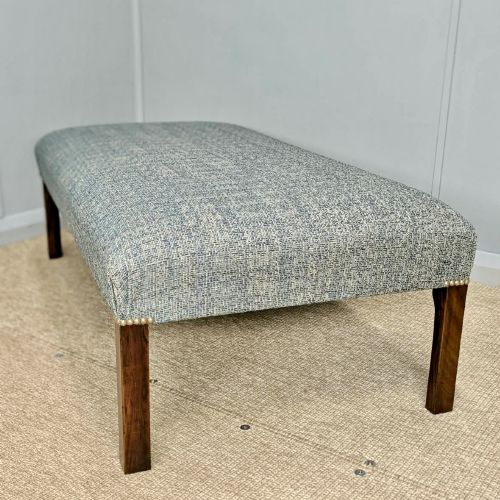
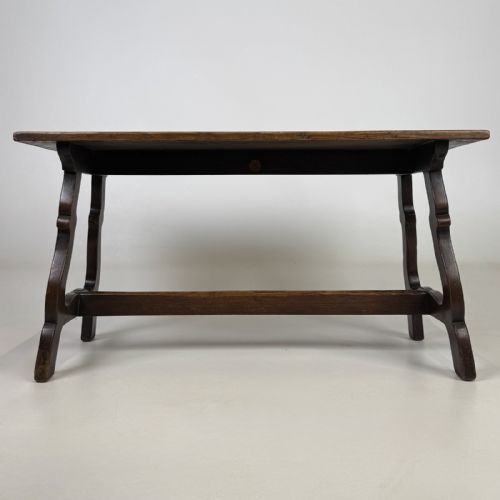
An antique centring table is a freestanding centrepiece designed to stand clear of walls, bringing richness of timber and intricate marquetry directly into the middle of a room.
Antique Centring Table
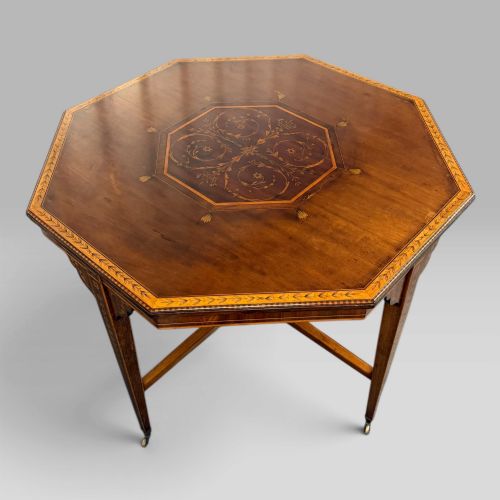
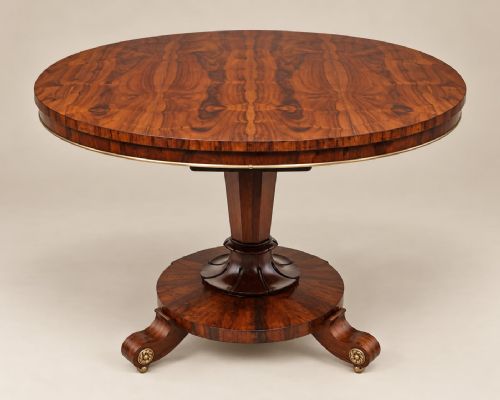
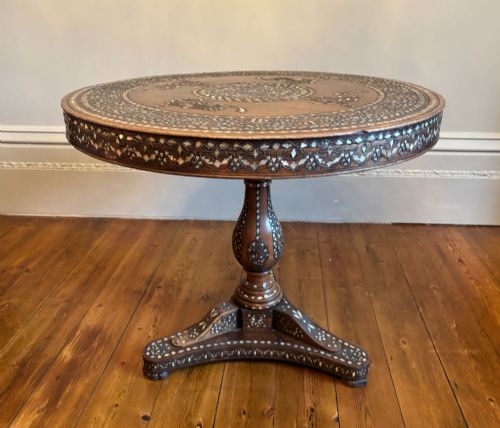
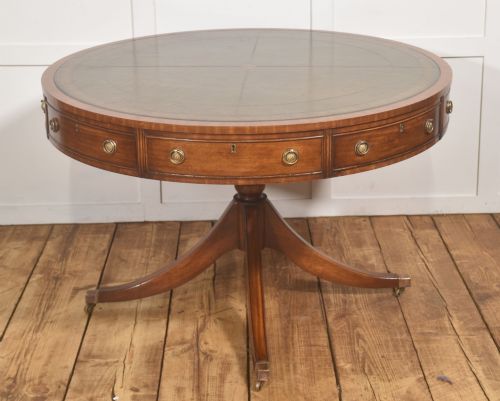
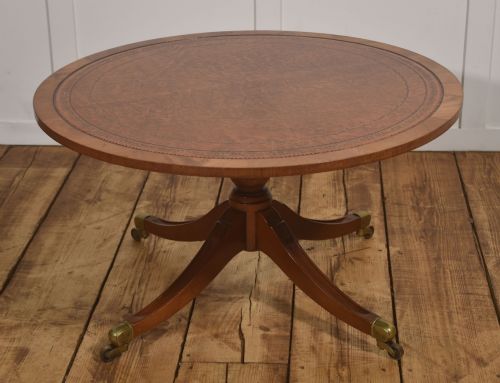
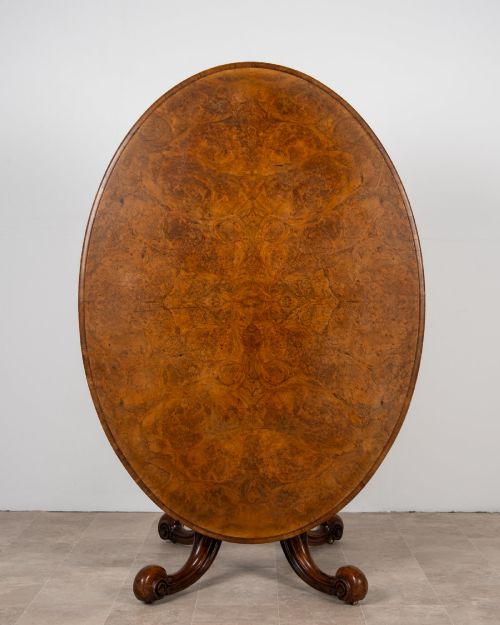
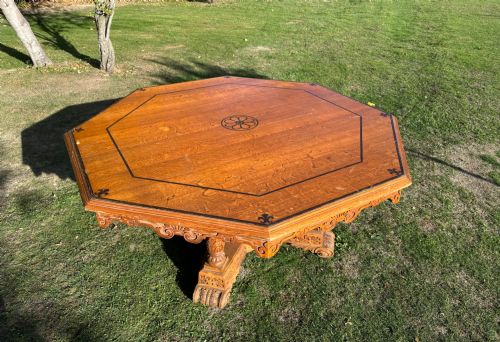
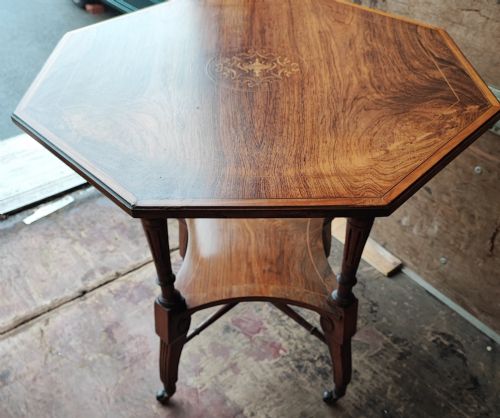
When searching for an antique centring table, a buyer encounters freestanding tables conceived to occupy the middle of a room rather than sit against a wall. The pieces listed span periods from the George III era through the Victorian period and into Art Deco, appearing in forms such as circular dining tables, oval tilt-tops, and octagonal occasional tables.
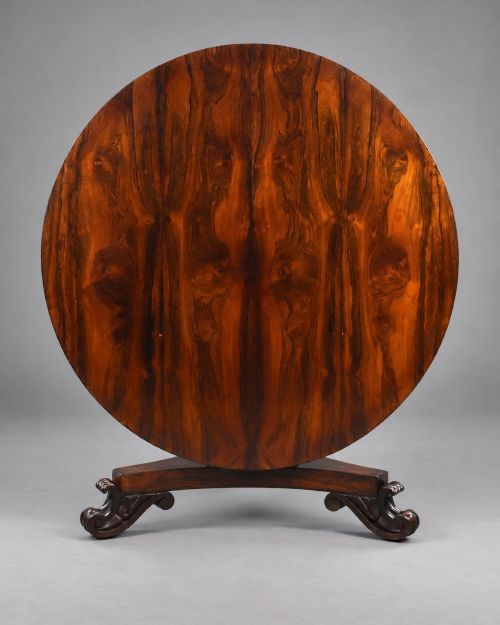
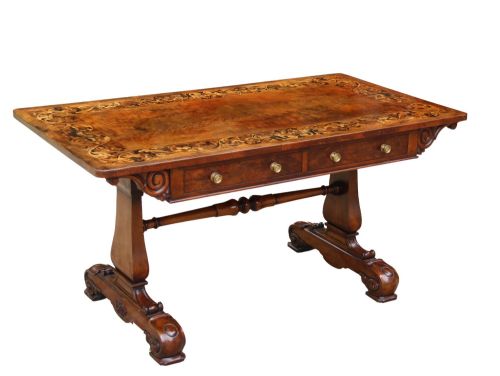
The most common examples met on this page date from the nineteenth century, particularly the Victorian and William IV periods, executed in richly figured timbers like mahogany, rosewood, and burr walnut. These surfaces often incorporate marquetry inlay, parquetry, or specimen marble tops, reflecting the desire for decorative versatility in grand reception rooms and libraries.
How they were made
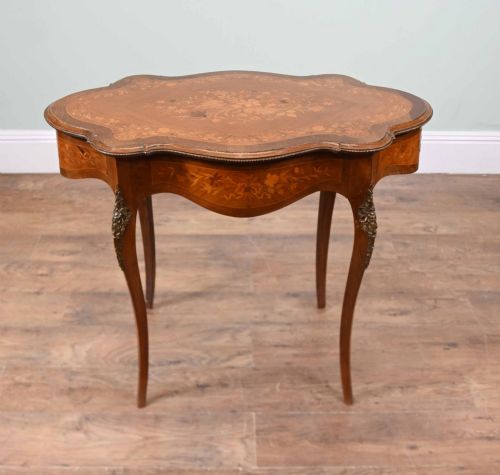
Cabinetmakers constructed these tables using dense hardwoods such as mahogany, walnut, and rosewood, frequently applying veneers of burr walnut, kingwood, or satin birch over stable secondary timbers. Surfaces were embellished with boxwood inlay, brass mounts, and detailed marquetry depicting floral or geometric motifs.
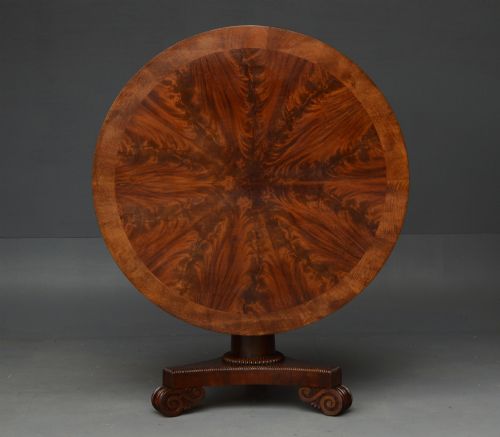
Structural engineering focused on stability and movement, employing tilt-top mechanisms with snap catches, heavy pillar-and-tripod pedestals, or robust cabriole legs often fitted with castors to allow the freestanding table to be repositioned within a room.
Antique Centring Table Retail Price Guide 2026
Typical asking prices for centring table among the pieces listed under this phrase on Sellingantiques today, from the lower quarter to the upper quarter. They describe what is for sale here now, not the wider market.
Listings feature timbers including mahogany, rosewood, burr walnut, and oak across periods spanning the eighteenth, nineteenth, and twentieth centuries.
What varies in quality
The degree of refinement in the timber figure and the precision of the marquetry or parquetry inlay separate standard production from exceptional examples. Tables that utilise finely matched burr veneers and hand-cut brass or boxwood stringing demonstrate superior workshop execution.
Construction details such as the integration of the tilt-top mechanism, the weight and casting quality of ormolu or gilt bronze mounts, and the stability of the central pillar support dictate the overall calibre of the piece.
Gillows
The Antique Centring Table Glossary
- Centring table
- A freestanding table designed to be viewed from all sides and placed in the middle of a room rather than against a wall.
- Marquetry
- Decorative veneer work forming pictorial or geometric patterns using various coloured woods, shells, or metals.
- Parquetry
- Geometric mosaic woodwork arranged in regular patterns such as cubes or chequers, commonly seen on table tops.
- Tilt-top
- A hinged table top that can be swung into a vertical position when not in use, allowing the piece to stand flat against a wall.
- Galleried shelf
- A raised, protective rail or rim around a secondary lower tier or shelf beneath the main table top.
Antique Centring Table: Frequently Asked Questions
Where should an antique centring table go?
These pieces are designed to stand away from walls, making them ideal as focal points in the middle of entrance halls, libraries, or drawing rooms.
Because they are finished on all sides, they allow for uninterrupted circulation and visibility from any angle in the room.
What is a tilt-top table used for?
The tilting mechanism originally allowed the heavy timber table to be swung upright and pushed against the perimeter when floor space was required for other activities.
Today, this feature survives as a hallmark of nineteenth-century cabinetmaking skill and permits easier relocation of the piece.
How do I identify a William IV table?
William IV examples typically feature robust proportions, heavy circular or triangular pedestals, and bold scrolling feet carved from dense rosewood or mahogany.
Subtle architectural details and substantial centre posts distinguish these pieces from lighter Edwardian or Regency designs.
Can these tables be used for dining?
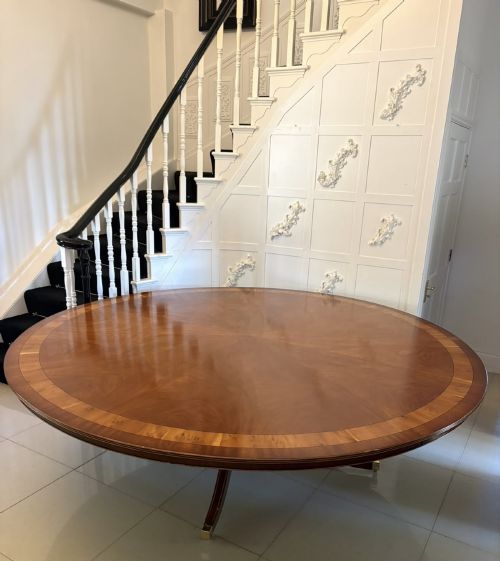
Larger circular and oval examples, particularly those from the Victorian and George III periods, were frequently built sturdy enough to function as everyday or occasional dining surfaces.
Buyers should check the height clearance and overall diameter to ensure compatibility with modern seating arrangements.