

Antique Censer
When you search for an antique censer, you enter a quiet world of ritual vessels and scholar’s desk burners crafted to hold aromatic incense.
Antique Censer
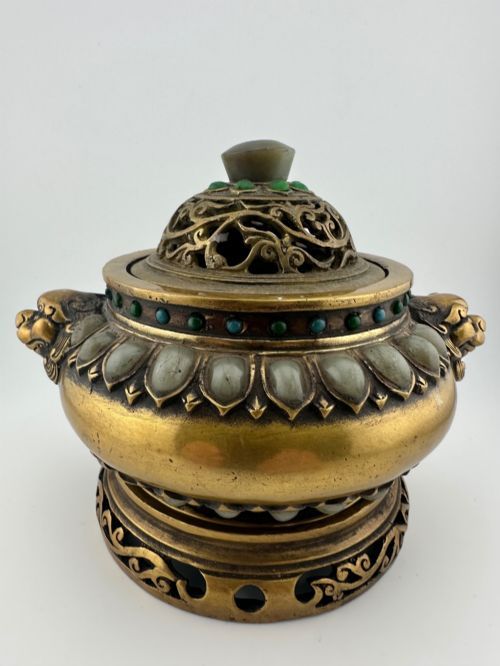
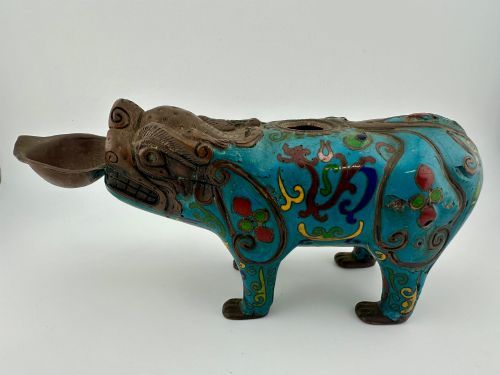
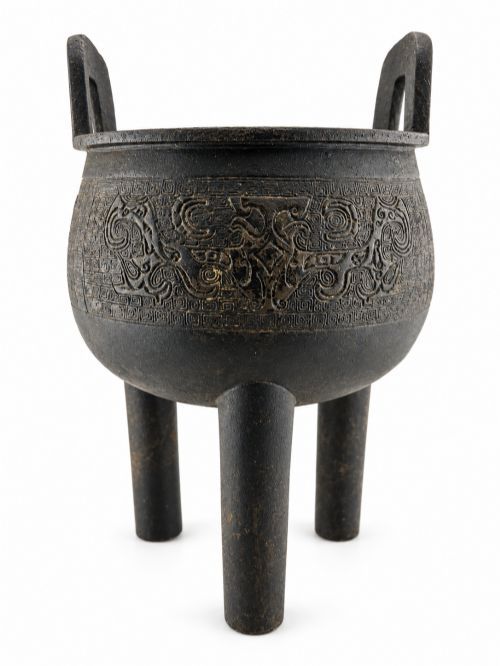
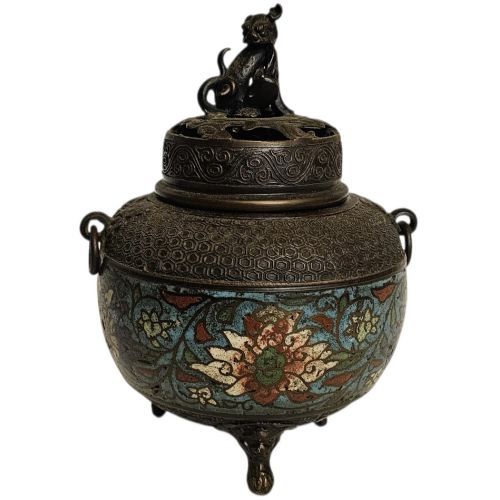
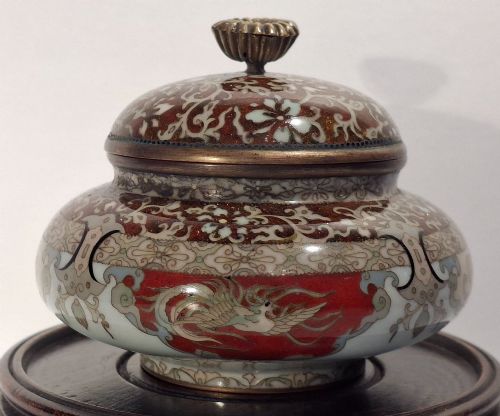
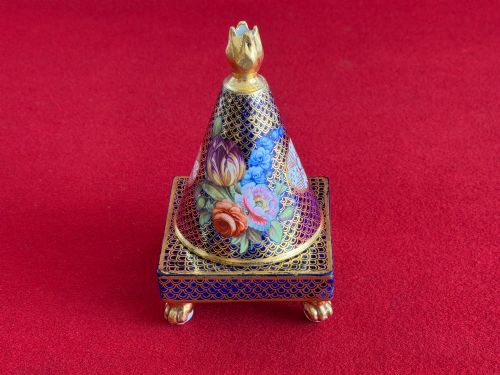
An antique censer functions as a vessel designed to burn aromatic resins, woods, or powders for ritual, meditative, or decorative purposes. Buyers encounter forms ranging from heavy bronze tripod vessels to delicate porcelain jars and cloisonne containers.
The selections span centuries of East Asian and European craftsmanship, with Chinese bronzes and Japanese porcelain koro forming the core of the available pieces. Scholars and collectors prize these containers for their tactile presence, intricate lids, and connection to historical domestic spaces.
Materials and construction methods
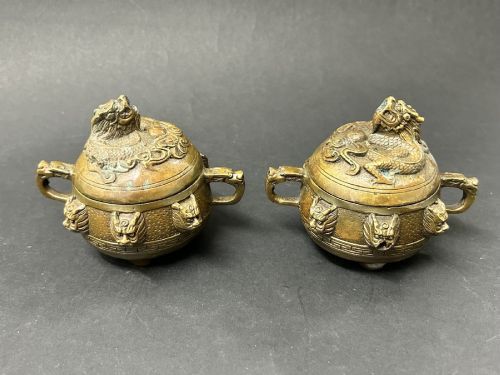
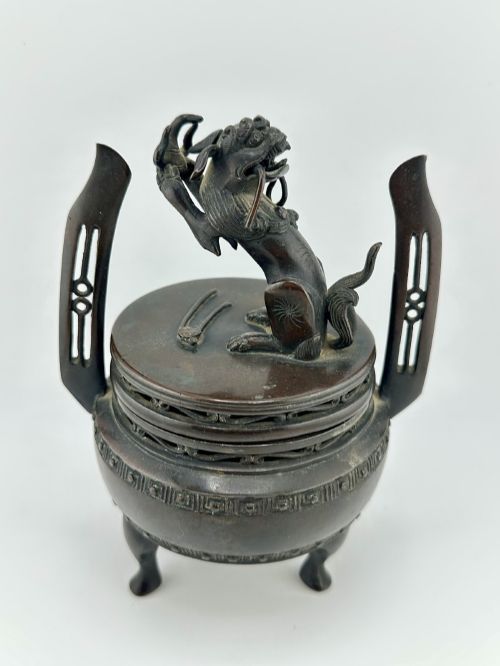
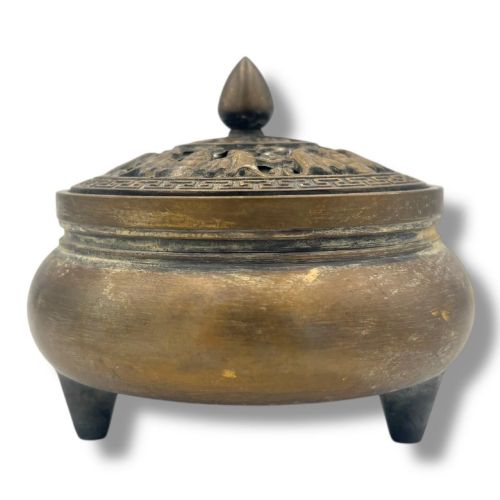
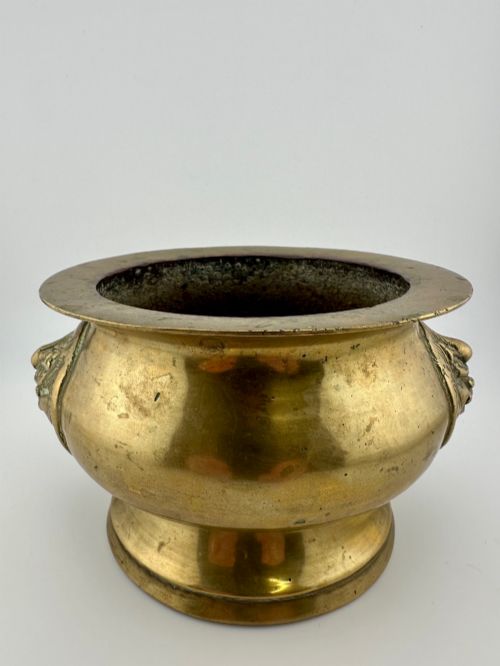
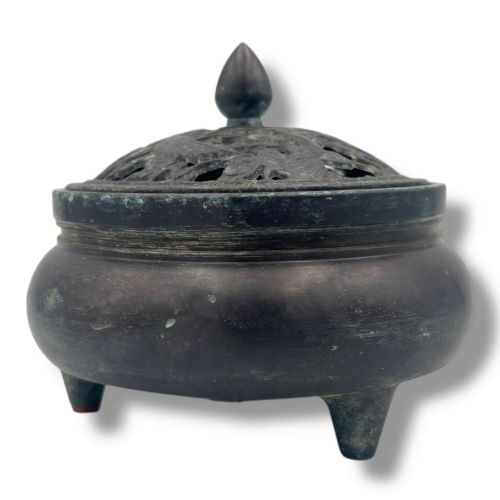
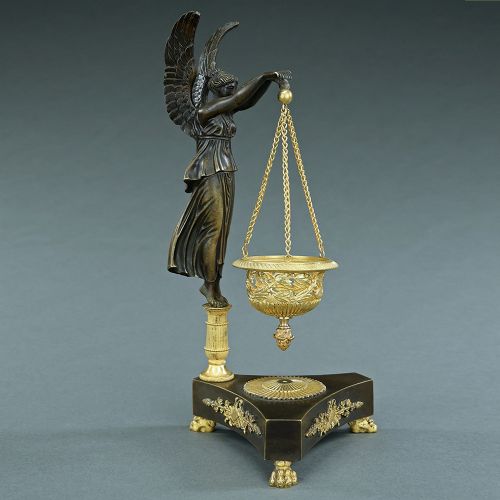
Metalwork relies heavily on cast bronze and brass, often enriched with gold-splash treatments, patination, or inlaid hardstones. Artisans shaped these heavy metallic vessels using sophisticated casting techniques, frequently incorporating tripod legs and pierced lids.
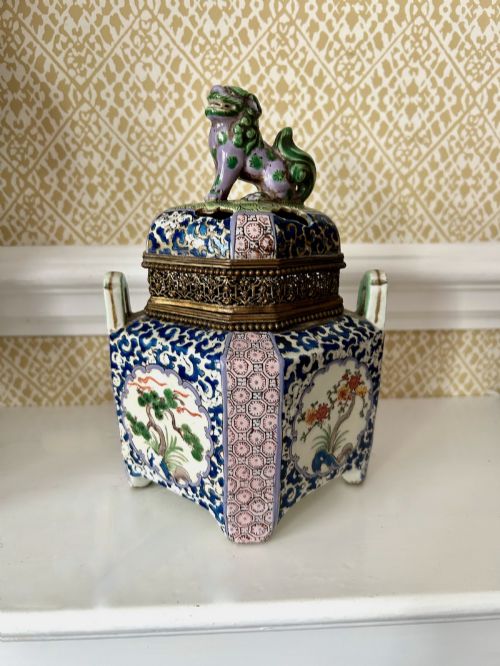
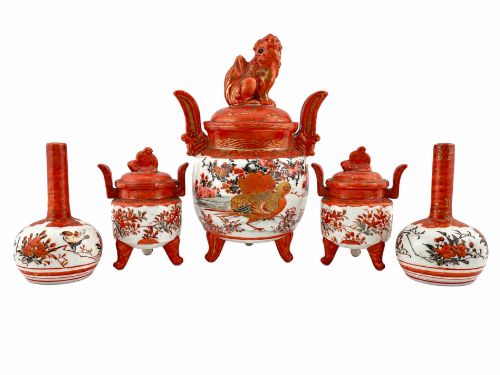
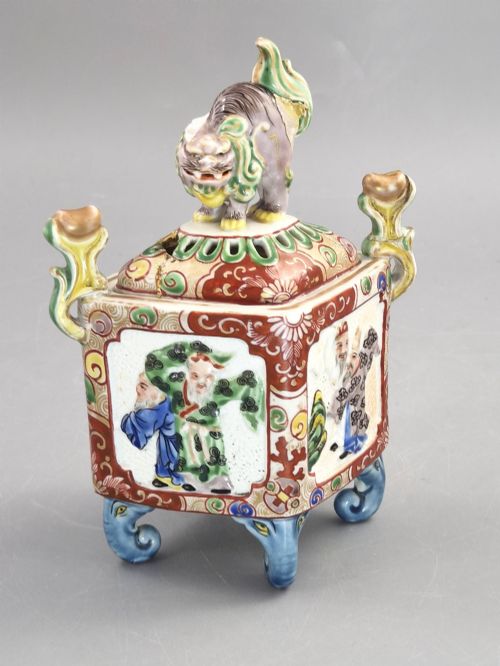
Ceramic pieces utilise porcelain and earthenware bodies finished with celadon glazes, enamel work, or detailed painting. Japanese and Chinese workshops combined these glazed surfaces with sculpted finials representing mythical beasts, lions, and birds.
Antique Censer Retail Price Guide 2026
Typical asking prices for censer among the pieces listed under this phrase on Sellingantiques today, from the lower quarter to the upper quarter. They describe what is for sale here now, not the wider market.
Several bronze censers feature small mythical beasts clinging to the rims, keeping a watchful eye on the rising fragrant smoke.
Distinguishing quality levels
The hierarchy of quality rests on the weight of the metal, the precision of the casting, and the clarity of decorative details like taotie masks and relief panels. Heavier bronzes and finely potted porcelains demonstrate greater mastery from the workshop.
Artisanal skill also reveals itself in the integration of matched covers, custom stands, and well-executed maker or reign marks. Superior pieces maintain harmonious proportions between the vessel body, handles, and feet.
Tsukamoto Hikokichi·Kinkozan·Spode
The Antique Censer Glossary
- Censer
- A vessel used for burning incense. These containers often feature pierced lids to allow scented smoke to escape.
- Tripod
- A vessel supported by three feet. This configuration provides stability on scholar desks and altars.
- Koro
- A Japanese term for an incense burner. These lidded pots frequently appear in porcelain or bronze.
- Cloisonne
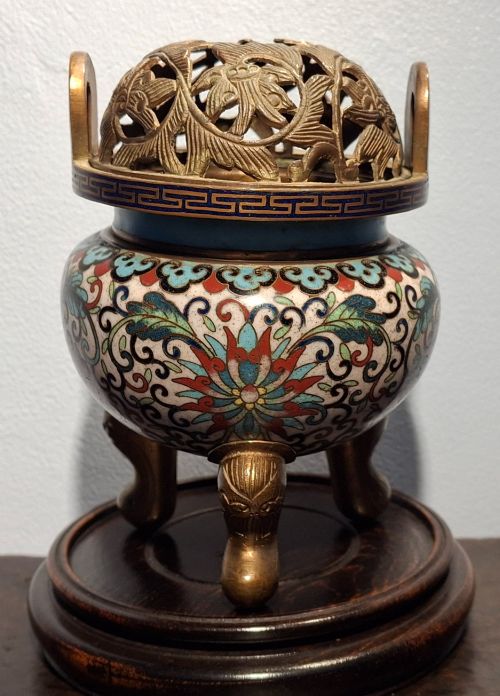
- A decorative metalwork technique utilising wire partitions filled with enamel paste. Artisans fire these vessels to create vibrant coloured surfaces.
- Celadon
- A pale green jade-like glaze applied to ceramics. This finish originated in ancient kilns and gained favour during the Ming dynasty.
Antique Censer: Frequently Asked Questions
What is the difference between a censer and a koro?
A censer is the general term for any vessel used to burn incense across various cultures and centuries. A koro specifically denotes the Japanese variant of this form, typically featuring a fitted cover and delicate ceramic or bronze construction.
Both items served identical aromatic and ritual functions in historical interiors. Collectors use the terms interchangeably depending on the regional origin of the piece.
How do I identify a Ming dynasty bronze?
Ming dynasty bronzes typically exhibit deep patination, substantial weight, and archaic decorative motifs such as taotie masks. The casting texture often feels dense and raw compared to later decorative iterations.
Examining the interior wear and the quality of the handles helps confirm the age of the ritual vessel. Scholar’s marks and reign stamps also provide context for the period of production.
Were these vessels used indoors?
Historical censers held fragrant woods and resins inside studies, temples, and reception rooms to purify the air. The smoke drifted through pierced covers to scent the surrounding space gently.
Scholar's desks frequently hosted smaller bronze examples for quiet contemplation during writing and reading. Larger temple versions stood on altars for ceremonial gatherings.
What materials were commonly used for covers?
Lids were cast from matching bronze, pierced to let incense smoke disperse gracefully across the room. Sculpted figures such as qilin, lions, and mythical beasts frequently served as functional finials.
Some examples paired ceramic bodies with pierced metal tops or jade elements. Custom hardwood stands also accompanied the most significant ritual containers.