




Antique Caucasian Mafrash
An antique caucasian mafrash is a woven tribal storage chest panel carrying centuries of nomadic artistry into a modern room.
Antique Caucasian Mafrash
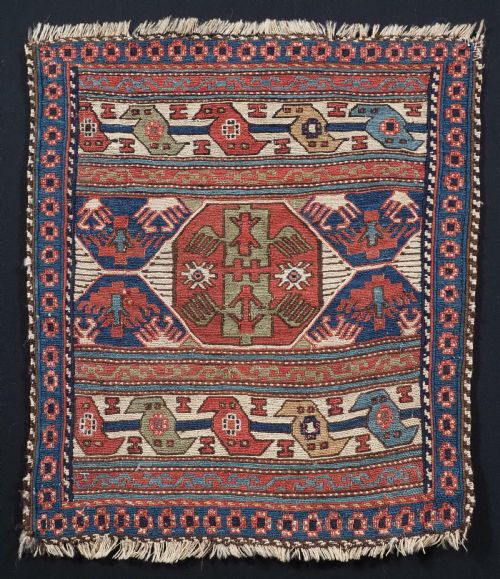
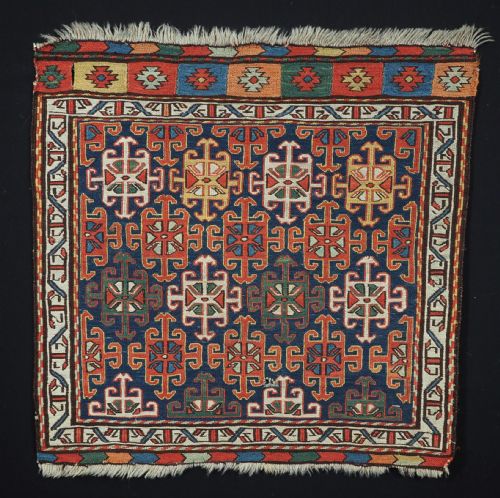
When you search for an antique caucasian mafrash, you encounter flatwoven storage bag panels and complete containers originating from nineteenth-century nomadic groups in the Caucasus and related regions. The examples seen here include complete storage bags, individual panels, bag faces, and kilims constructed from repurposed mafrash fragments.
Most pieces date from the late nineteenth century, spanning decades such as 1870, 1880, 1890, and 1900. These textiles primarily reflect Shahsavan, South Caucasian, Kazak, and Yomud tribal traditions, appearing as rectangular panels or flatwoven kilim rugs.
Materials and construction methods
The construction relies on hand-spun wool combined with natural vegetable dyes to create durable tribal textiles. Weavers utilised techniques such as Soumak flatweaving to produce dense, textured surfaces adorned with birds and dragons.
Individual panels often served as the sides of large bedding chests before being preserved as flat panels or assembled into smaller kilims and bag faces.
Antique Caucasian Mafrash Retail Price Guide 2026
Typical asking prices for caucasian mafrash among the pieces listed under this phrase on Sellingantiques today, from the lower quarter to the upper quarter. They describe what is for sale here now, not the wider market.
Nomadic weavers embedded stylized birds and dragons into these storage bags, ensuring household laundry travelled under the watchful gaze of mythical beasts.
Assessing quality in nomadic textiles
Quality rests upon the crispness of the Soumak technique and the complexity of tribal motifs such as birds and dragons. Sharply executed geometric designs indicate superior workshop skill.
Condition and completeness also separate a standard fragment from a complete storage bag or an intact bag face. The vibrancy of natural vegetable dyes preserved over the decades plays a central role in visual impact.
The Antique Caucasian Mafrash Glossary
- Mafrash
- A large rectangular storage bag used by nomadic tribes to transport bedding and household goods. These containers typically feature four side panels and a base.
- Soumak
- A flatweave technique utilising wrapping threads over warp strands to produce a sturdy, textured surface resembling embroidery. This method creates clear, crisp geometric motifs.
- Kilim
- A flatwoven textile produced without a pile, often formed from individual antique panels sewn together. These versatile pieces function well as small rugs or wall hangings.
- Natural Dyes
- Organic colourants derived from plants and minerals used to dye wool before the introduction of synthetic alternatives. These dyes age with rich patination.
Antique Caucasian Mafrash: Frequently Asked Questions
What is a mafrash?
A mafrash is a traditional nomadic storage bag used for carrying household belongings and bedding during tribal migrations.
Nomads constructed these large rectangular containers from durable flatwoven panels before dismantling them as items aged or lifestyles changed.
How were these bags used?
Tribal families packed bedding, clothing, and domestic goods inside these large containers loaded onto pack animals during seasonal travels.
Over time, individual panels were preserved or converted into smaller decorative items like wall panels and kilims.
How do I date an antique panel?
Dating relies on wool quality, natural dye palettes, and structural characteristics typical of late nineteenth-century nomadic weaving.
Pieces originating from around 1870 to 1900 display specific stylistic traits that distinguish them from later twentieth-century reproductions.
Where should I display a mafrash panel?
These flatwoven textiles suit low-traffic floor areas, small tables, or wall displays where the weave remains protected.
Mounting a panel on a wall highlights the intricate Soumak work and figurative designs without sustaining foot traffic.