

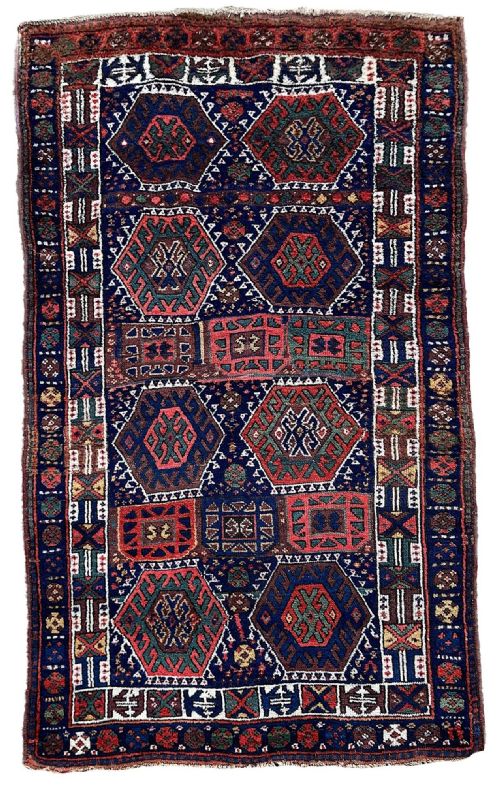


Antique Caucasian Accent Rug
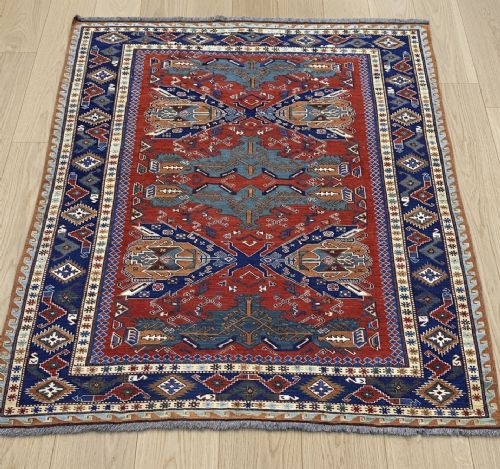
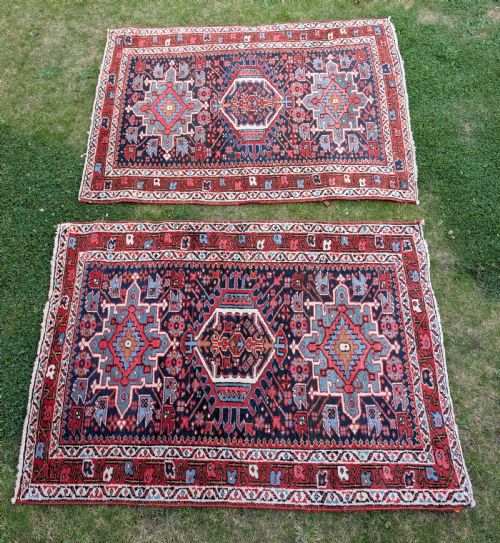
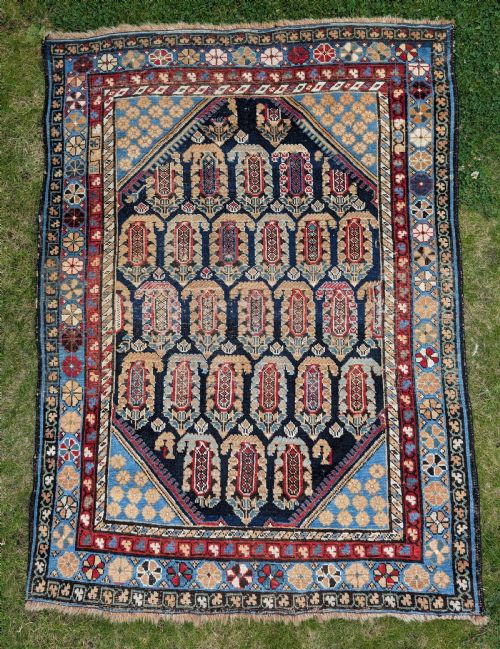
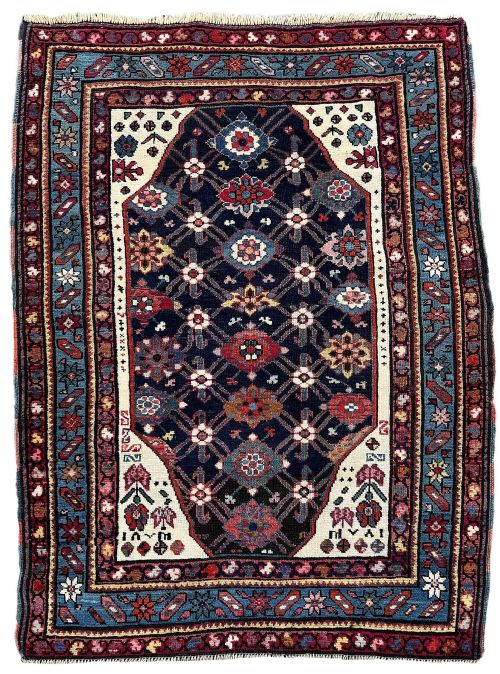
An antique caucasian accent rug brings geometric tribal design and rich natural dye colour straight to the floor.
Antique Caucasian Accent Rug
An antique caucasian accent rug draws the eye with bold geometric motifs and striking tribal patterns woven across smaller formats. You will most frequently encounter regional types such as Kazak, Karaja, Shirvan, and Gendje pieces dating from the nineteenth and early twentieth centuries.
How they were made
The construction relies on hand-spun wool foundations and pile, sometimes incorporating cotton for structural warps and wefts. Weavers interlocked these natural fibres by hand to produce durable textiles designed for daily domestic service.
Makers achieved their characteristic palette through the application of rich natural dyes derived from plants and minerals. This traditional colouring process results in subtle tonal variations across the pile that chemistry-based dyes cannot replicate.
Antique Caucasian Accent Rug Retail Price Guide 2026
Typical asking prices for caucasian accent rug among the pieces listed under this phrase on Sellingantiques today, from the lower quarter to the upper quarter. They describe what is for sale here now, not the wider market.
Weavers occasionally included rogue stray knots or intentional minor irregularities in their geometric grids to ward off the evil eye.
What varies in quality
Quality in an antique caucasian accent rug rests primarily on the crispness of the geometric drawing and the depth of the natural dye palette. Sharply defined motifs and harmonious colour combinations distinguish the finest village work from simpler, standard productions.
The density of the hand-spun wool knotting and the structural integrity of the edges also determine the standing of a piece. Better examples retain their original geometric proportions and show careful, secure handling of the wool foundations over generations of use.
The Antique Caucasian Accent Rug Glossary
- Kazak
- A prominent type of village rug originating from the Caucasus region, known for bold geometric medallions and saturated primary colours. These pieces often feature strong primary blues, reds, and yellows.
- Natural Dyes
- Colourants extracted from natural sources such as plants, insects, and minerals rather than synthetic formulas. They impart a rich, shifting quality to wool pile that deepens gracefully with age.
- Prayer Rug
- A specific format featuring a mihrab or arch design at one end, traditionally used for individual prayer. Their compact size makes them well suited as accent pieces today.
- Hand-Spun Wool
- Yarn processed manually on a drop spindle or wheel rather than by industrial machinery. This method creates irregular yarn thicknesses that give the finished pile a characteristic tactile liveliness.
Antique Caucasian Accent Rug: Frequently Asked Questions
Where were these rugs made?
These textiles originate from the Caucasus region, situated between the Black Sea and the Caspian Sea, encompassing areas influenced by diverse tribal weaving traditions.
Local workshops and nomadic groups in districts such as Kazak, Shirvan, and Gendje produced these distinctive geometric carpets for everyday domestic life.
How do I care for an antique rug?
Protect your textile by placing a quality breathable underlay beneath it to prevent slipping and reduce friction against hard floors.
Vacuum gently with suction only, avoiding beater bars, and consult a specialist in historic textiles for professional washing when required.
Are these rugs made with natural dyes?
Traditional examples from the nineteenth and early twentieth centuries rely on natural dyes sourced from local plants, roots, and minerals.
This historic palette produces varied, organic tones that develop a soft patina over decades of exposure and gentle wear.
What size is an accent rug?
These compact floor coverings generally measure under two metres in length, making them ideal for smaller spaces, hallways, or specific focal points in a room.
Their manageable scale allows you to place historic tribal weaving into modern settings without overwhelming the floor plan.