




Antique Catholic Art
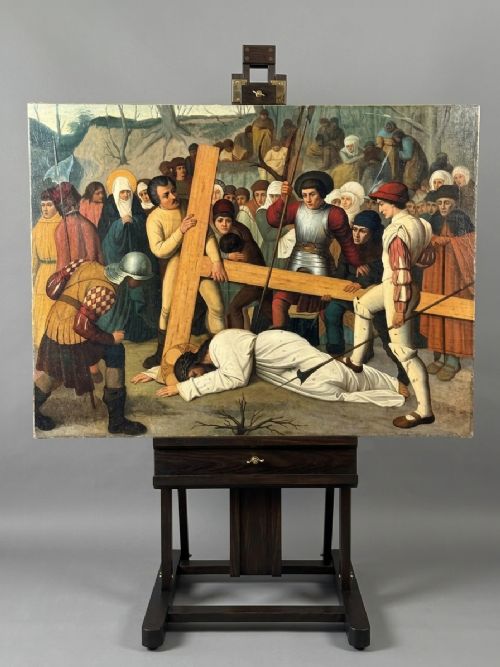
When you search for antique catholic art, you encounter centuries of devotional expression through paintings, carved wood figures, and gold pendants.
Antique Catholic Art
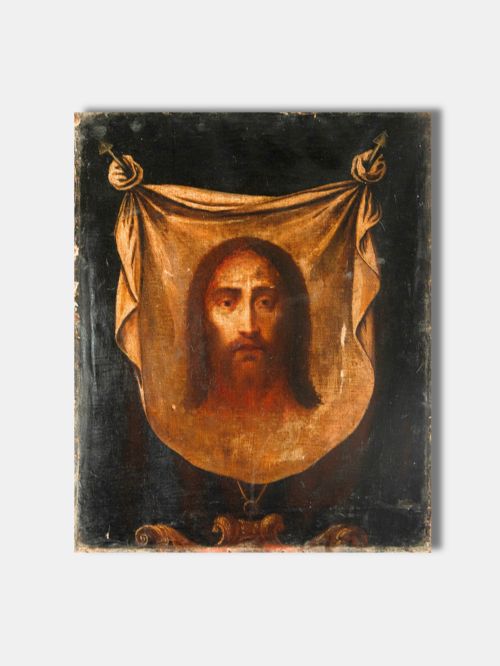
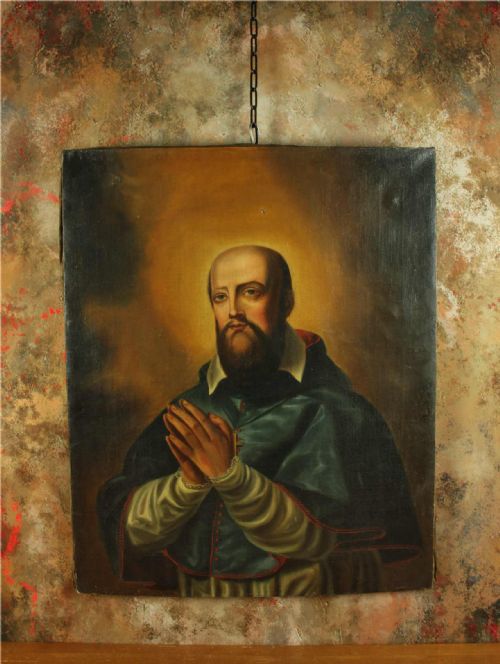
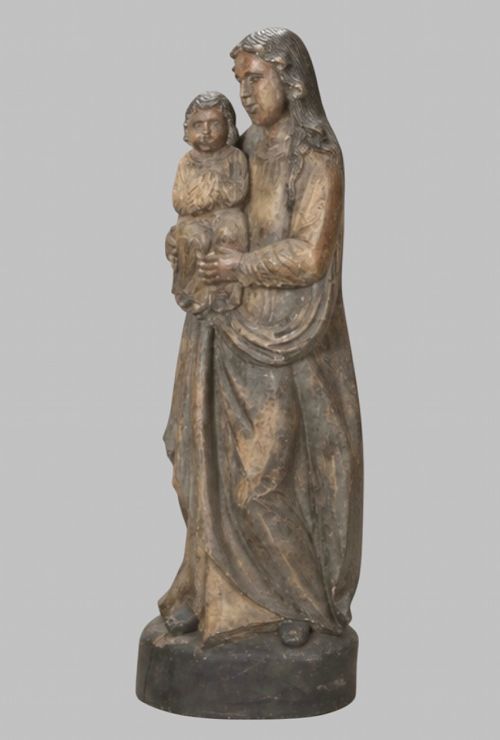
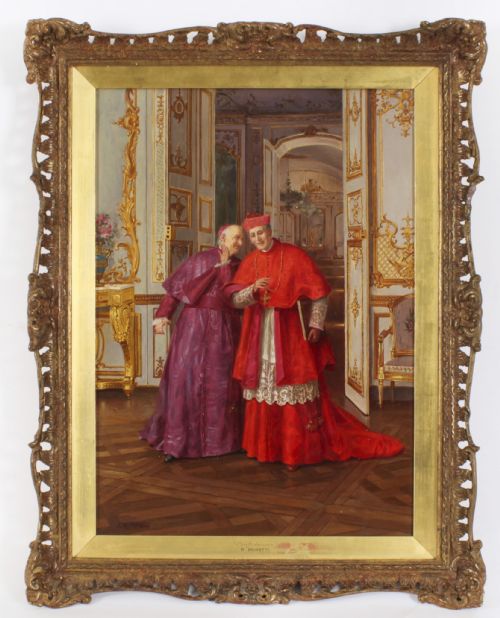
Antique catholic art encompasses a diverse range of devotional objects intended for private prayer, home altars, and ecclesiastical settings. Buyers browsing this selection most frequently encounter oil paintings on canvas, hand-carved wooden sculptures of saints, and intricate gold pendants from the seventeenth to the early twentieth centuries.
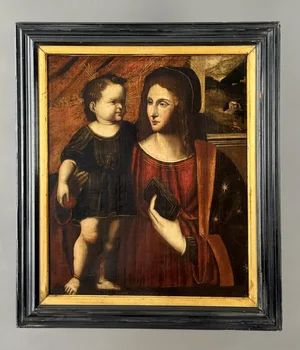
The material record spans centuries of European and colonial workshop production, incorporating Spanish Baroque canvases, Italian folk art statues, and French Art Nouveau metalwork. Pieces vary from large-scale portraits of the Holy Family to small personal medallions worn close to the heart.
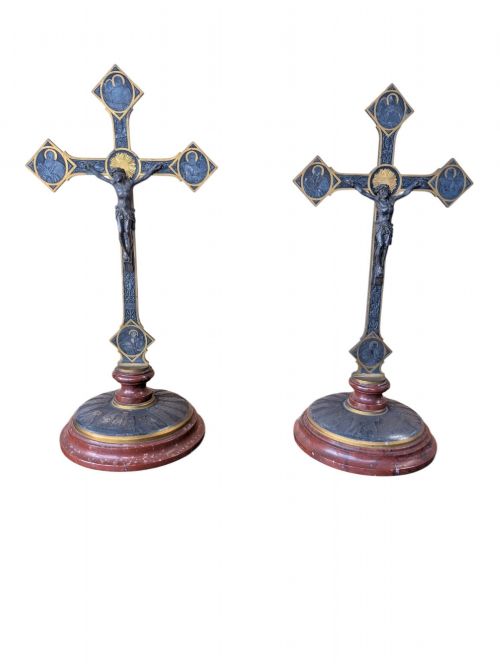
Domestic and church contexts shaped these works, resulting in items designed for intimate contemplation alongside grander devotional paintings. Whether evaluating an eighteenth-century miniature or a nineteenth-century crucifix, each piece reflects the specific liturgical traditions of its origin.
How They Were Made
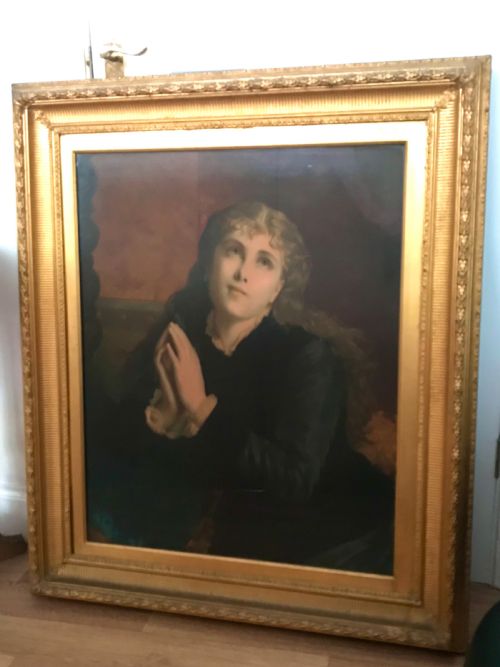
Makers utilised traditional canvas stretched over wooden frames, applying oil paints sometimes layered over gesso grounds to achieve depth in religious portraiture. Canvas works from Italian and Spanish schools demonstrate careful brushwork designed to capture dramatic lighting and emotional resonance.
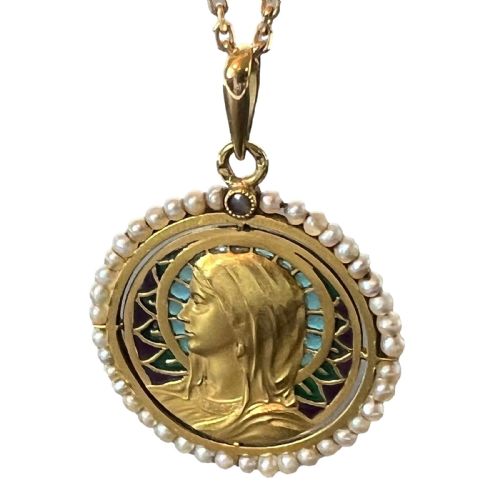
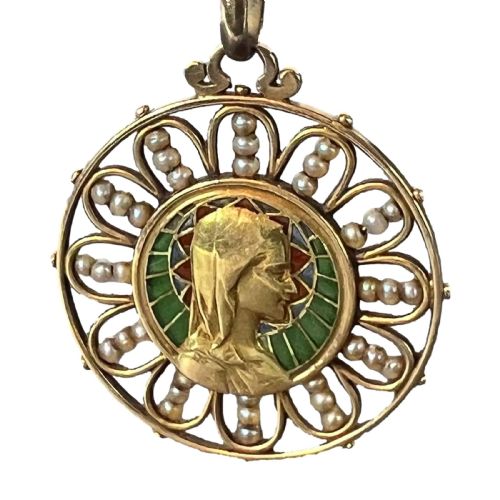
Carved wooden figures rely on native timbers such as olive wood, shaped with chisels and frequently finished with polychrome paint or gold leaf accents. Metal pendants employ sophisticated techniques like plique-a-jour enamel set into yellow gold, combining glass and precious metal to create translucent light effects.
Some nineteenth-century figures were carved with hollow backs to house hidden relics of saints.
What Varies In Quality
Material composition and preservation also dictate the upper tier of these works, where intact gold leaf, original polychrome surfaces, and undamaged enamel work remain intact. Pieces retaining their original frames or uncompromised canvas surfaces command greater appreciation among collectors.
Frank Moss Bennett·Emile Monier·Emile Dropsy·Gaspar de Figueroa·Renato Moretti
The Antique Catholic Art Glossary
- Corpus Christi
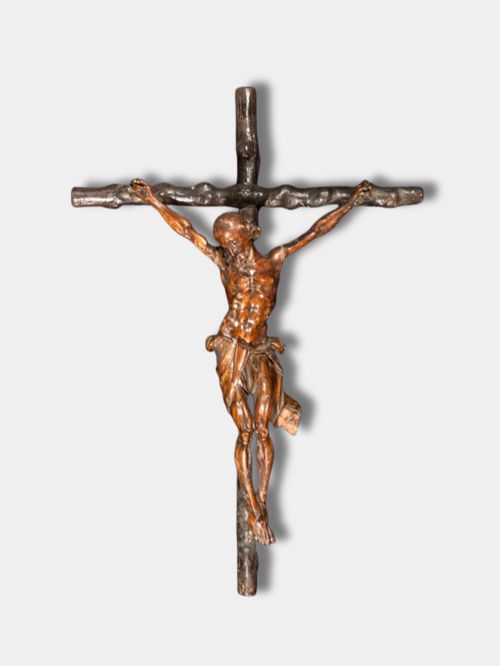
- The figure of Jesus Christ on the cross. This term specifically refers to the sculptural body attached to a crucifix.
- Ex-voto
- A votive offering given to a saint or divinity in fulfilment of a vow. These devotional objects are often presented in metal or painted forms following a miracle or prayer answered.
- Plique-a-jour
- A vitreous enamelling technique where the enamel is applied in cells without a backing, allowing light to shine through the transparent design much like stained glass. This method is frequently seen on fine gold pendants.
- Polychrome
- Painted in several colours. This term describes wooden sculptures and home altars decorated with layered pigments and often finished with gilt.
- Oleograph
- A type of chromolithographic print textured to imitate an oil painting. These mechanical reproductions were produced in the nineteenth century to make religious imagery more widely accessible.
Antique Catholic Art: Frequently Asked Questions
What is an ex-voto?
An ex-voto is a religious offering placed in a sanctuary to seek favour or express gratitude for a divine miracle. They often take the form of small painted plaques or embossed metal hearts.
These objects were traditionally pinned to walls or left near shrines by worshippers. Today, framed collections and individual pieces survive as tangible records of personal devotion.
How do I date wooden carvings?
Dating wooden sculptures relies on examining tool marks, the type of timber utilised, and the wear patterns on the gesso and paint layers. Hand-chiselled joins and natural ageing of the wood provide key indicators of age.
Stylistic shifts in drapery and facial carving also help distinguish seventeenth-century pieces from later nineteenth-century revivals. Examining the underside or back of a figure often reveals unpainted wood characteristics useful for analysis.
What is plique-a-jour enamel?
Plique-a-jour is a demanding enamelling technique where translucent enamel is suspended within a wire framework without a backing metal plate. This allows light to pass directly through the coloured glass sections.
Jewellers frequently utilised this method on early twentieth-century gold pendants depicting the Virgin Mary. The resulting effect resembles miniature stained glass glowing when worn.
Where were home altars used?
Home altars were set up inside domestic spaces for family prayer and private contemplation away from the main parish church. They provided a focal point for daily devotions and seasonal religious observances.
These wooden structures often housed small statues, crucifixes, and ex-votos within enclosed cabinets or shelves. Their portable nature allowed families to maintain devotional practices across different rooms or residences.