

Antique Casting Dog
These heavy metal figures known as antique casting dog pieces bring centuries of hearthside utility and sculptural form into the room.
Antique Casting Dog
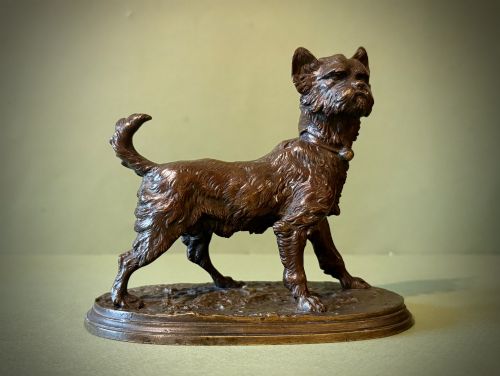
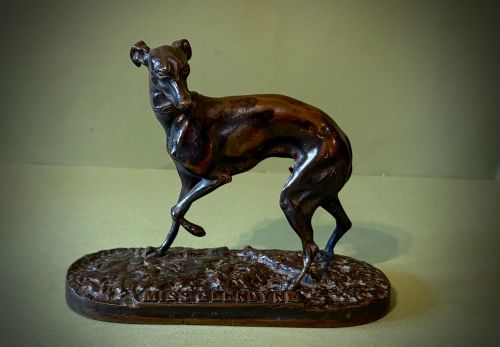
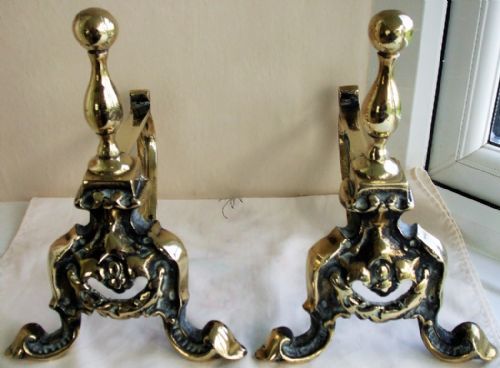
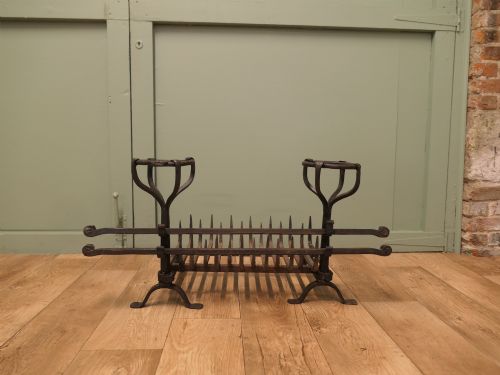
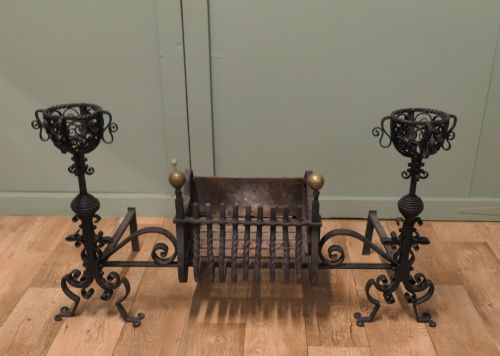
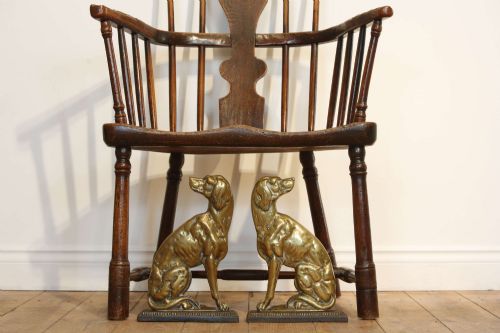
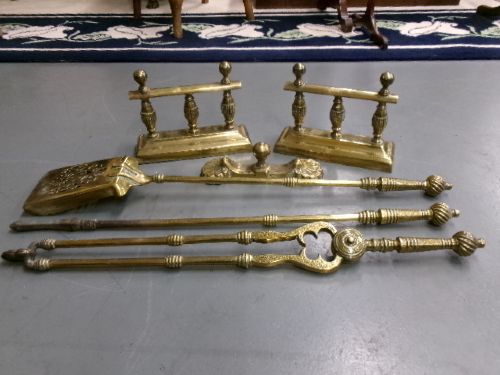
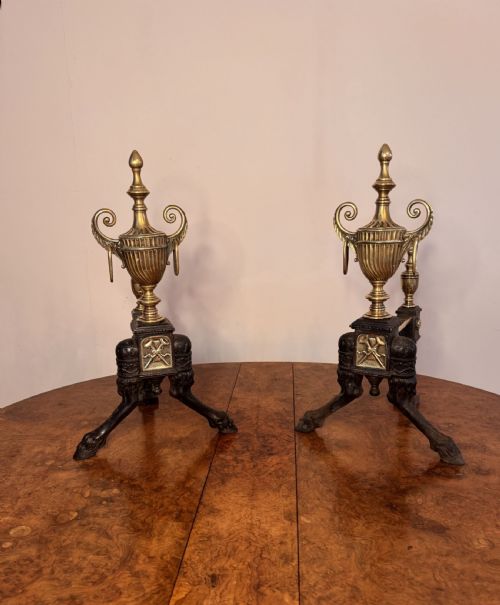
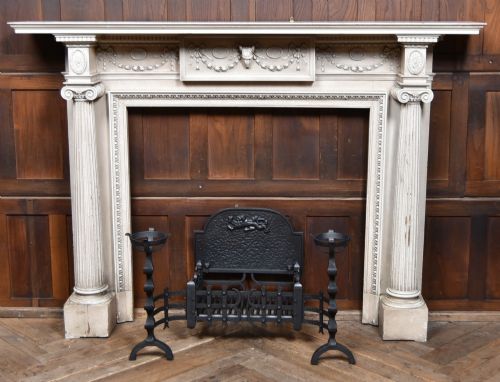
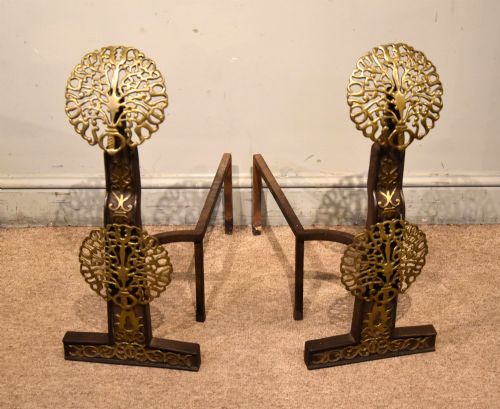
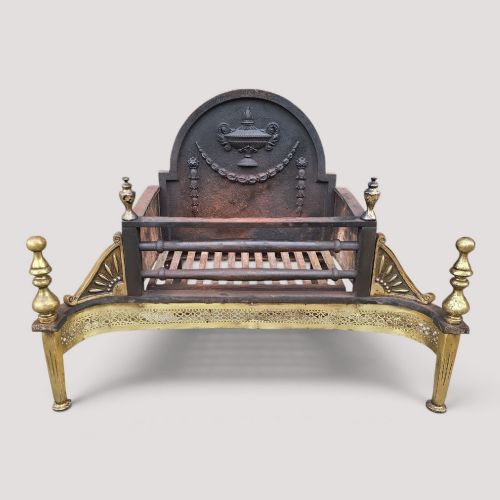
When you search for antique casting dog items, you encounter hearth furniture such as andirons and fire dogs alongside sculptural bronze studies of animals. The most common forms on this page are Victorian and later brass or cast iron fire dogs designed to support logs in an open fireplace.
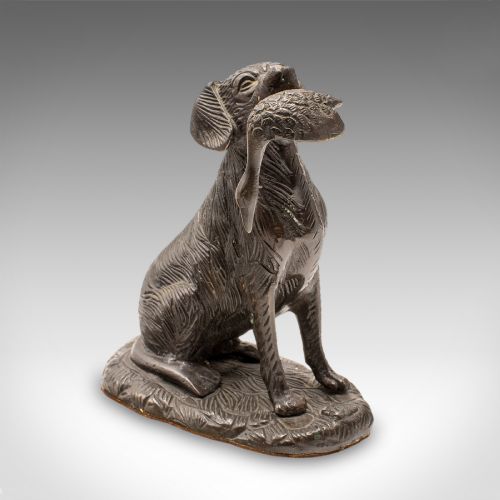
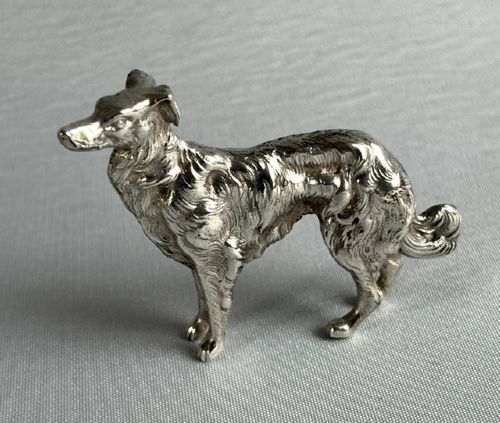
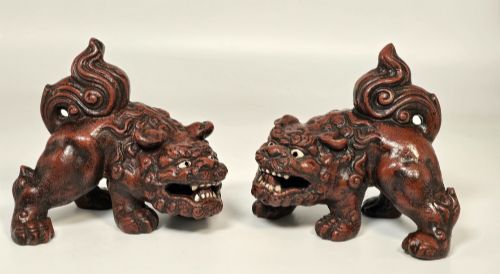
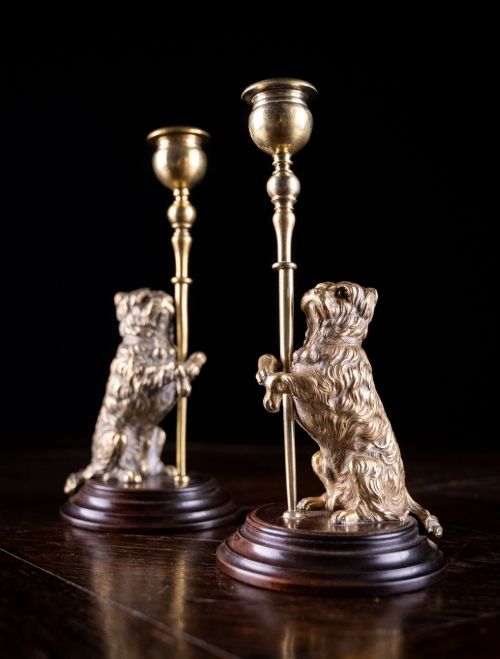
Beyond hearth equipment, the listings include small decorative bronzes depicting breeds like dachshunds and greyhounds, often associated with the French Animalier school or Japanese Meiji period metalwork. These domestic and utilitarian objects bridge the gap between functional ironmongery and fine sculpture.
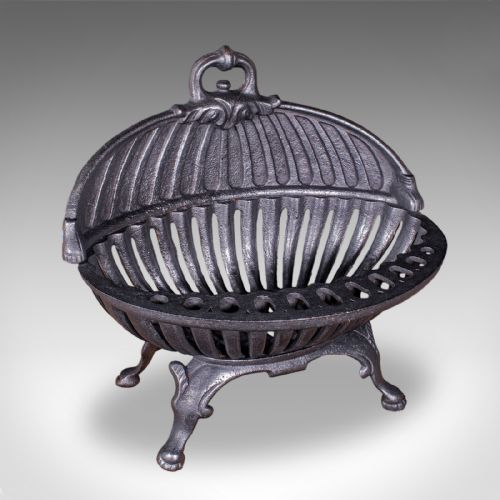
Originating largely from 19th-century British, French, and Japanese workshops, these pieces range from heavy wrought iron fire grates to delicate novelty table lighters and pepper pots. Each object reflects the prevailing domestic tastes of its period, whether Gothic Revival, Neoclassical, or Art Deco.
Materials and Casting Techniques
Surface finishes add another layer to the construction, with pieces showing hand painting, cold-painted bronze patination, or gilt-metal details. Iron and steel components are frequently paired with cast brass mounts to create contrasting tones on fire grates and andirons.
Antique Casting Dog Retail Price Guide 2026
Typical asking prices for casting dog among the pieces listed under this phrase on Sellingantiques today, from the lower quarter to the upper quarter. They describe what is for sale here now, not the wider market.
Listings feature items spanning the 16th century through to the Art Deco period, constructed in brass, cast iron, bronze, and marble.
Distinctions in Quality
The balance between decorative ambition and structural utility also divides the range, particularly in fire dogs where substantial iron frames must support both decorative brass finials and heavy logs. Pieces attributed to documented bronze sculptors or reputable hardware manufacturers display a higher degree of sculptural anatomy and durable assembly.
Kakuha Kanzaemon·Alfred Dubucand·Alfred Barye·Dora Heber·P J Mêne
The Antique Casting Dog Glossary
- Andirons
- Supports made of iron or brass used to raise logs off the hearth floor for better airflow. They typically feature decorative vertical fronts facing the room.
- Animalier
- A 19th-century sculptural style focused on the realistic depiction of animals, particularly dogs and horses. French and British foundries produced numerous bronze studies in this manner.
- Cold Painted
- A technique where bronze or metal figures are painted with non-heat-set colours, often associated with small animal bronzes from the late 19th and early 20th centuries.
- Fire Grate
- A metal basket or framework holding fuel inside an open fireplace, frequently flanked by or integrated with matching andirons.
- Meiji Period
- The era of Japanese history spanning from 1868 to 1912, known internationally for exceptional bronze okimono and metalwork depicting animals and nature.
Antique Casting Dog: Frequently Asked Questions
What is the difference between fire dogs and andirons?
In practical terms, fire dogs and andirons refer to the same hearth furniture items designed to hold logs in an open fireplace.
Depending on the regional terminology and the period of manufacture, one term may emphasise the utilitarian iron support while the other highlights the decorative front.
How do I care for antique brass and bronze?
Maintenance involves gentle dusting and occasional cleaning with a soft cloth to preserve the existing patination on the metal surface.
Harsh chemical polishes should be avoided because they strip away the historic finish that collectors value.
Were these bronze dog figures meant for the hearth?
While heavy iron and brass fire dogs were strictly functional hearth accessories, many bronze dog sculptures served as decorative desk objects, paperweights, or cabinet pieces.
Smaller items like novelty pepper pots and candlesticks fulfilled specific dining and lighting functions around the home.
How can I tell a Victorian piece from an Edwardian one?
Victorian metalwork often displays heavier ornamentation influenced by Gothic Revival or ornate Neoclassical styles, with robust brass castings.
Edwardian and later pieces tend toward lighter domestic forms, sometimes incorporating cleaner lines or early Art Deco influences.