
Antique Caster
An antique caster is a refined tabletop shaker or a functional wheel attached to furniture, uniting fine metals and timber across centuries of dining and domestic design.
Antique Caster
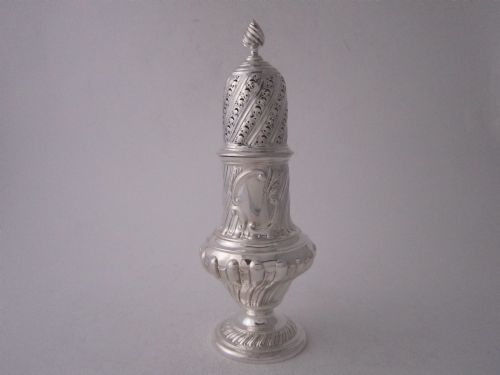
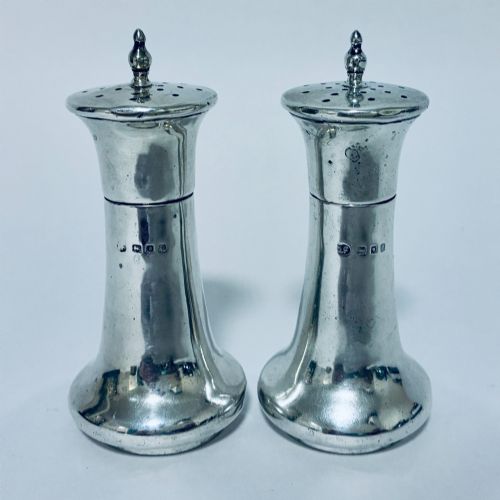
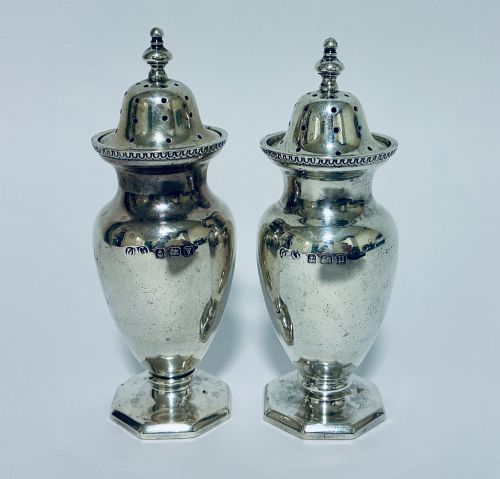
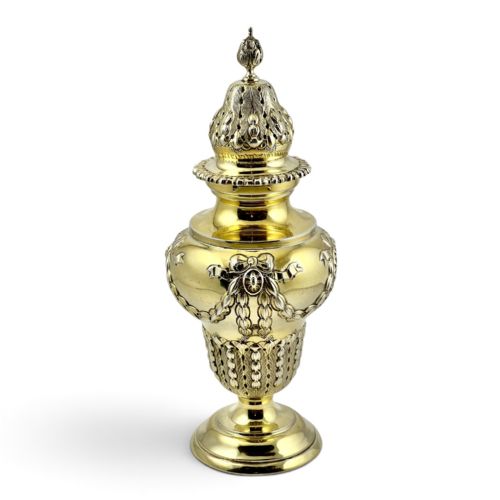
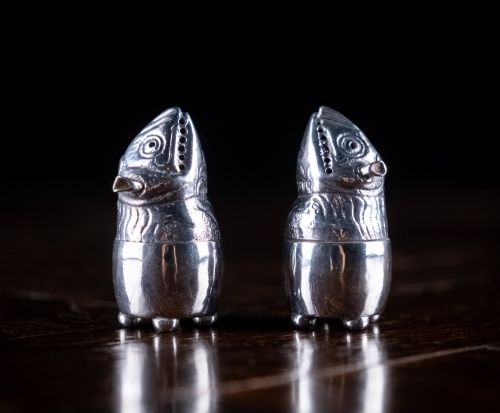
When you search for an antique caster, you encounter pieces designed for the dining table alongside utilitarian fittings fitted to furniture legs. Tabletop examples function primarily as sugar shakers, muffineers, or pepper pots, standing tall with perforated lids intended for dispensing seasonings.
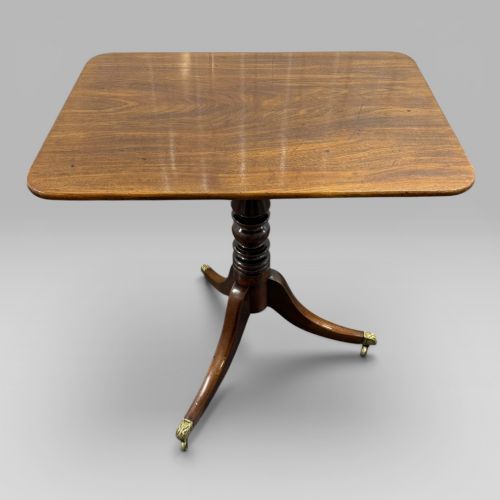
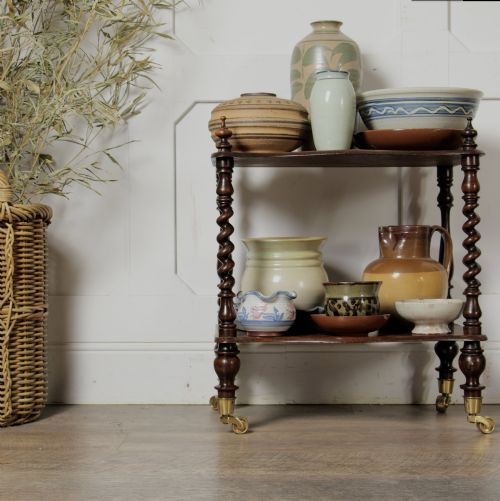
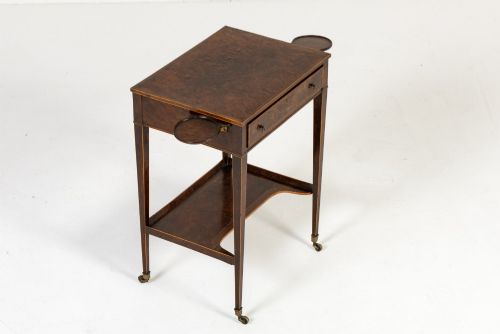
The objects appearing here span Georgian, Victorian, Edwardian, and Art Deco periods, reaching back into the eighteenth century and forward through the decades. Alongside silver and plated sugar casters, the selection includes pieces of furniture featuring brass casters, such as mahogany occasional tables and writing desks.
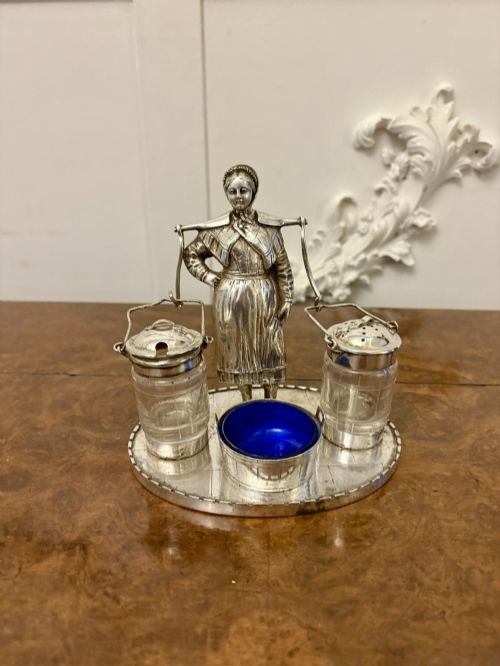
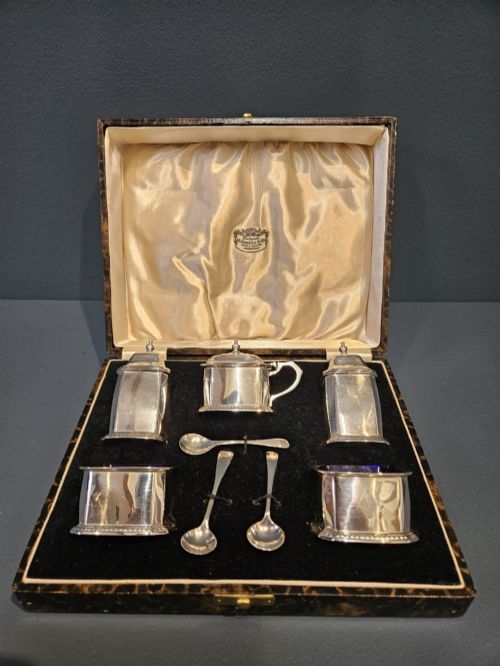
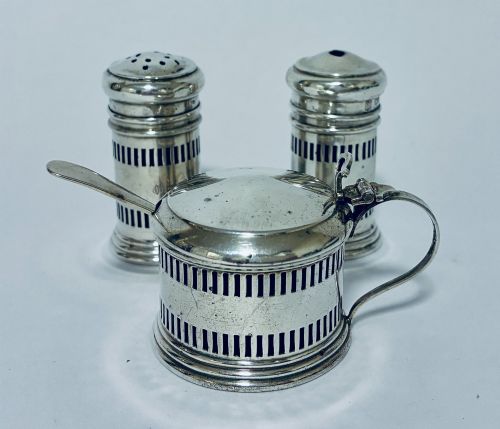
Silver vessels dominate the tabletop forms, often hallmarked sterling or silver plate, while furniture casters integrate solid brass wheels into timber frames. Cruet sets and condiment bottles also appear, grouping casters with mustard pots and pepper cruets on stands.
Materials and construction
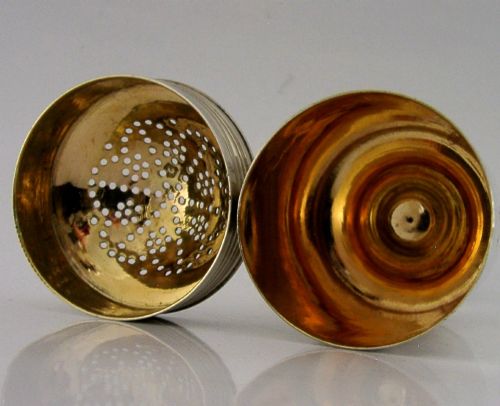
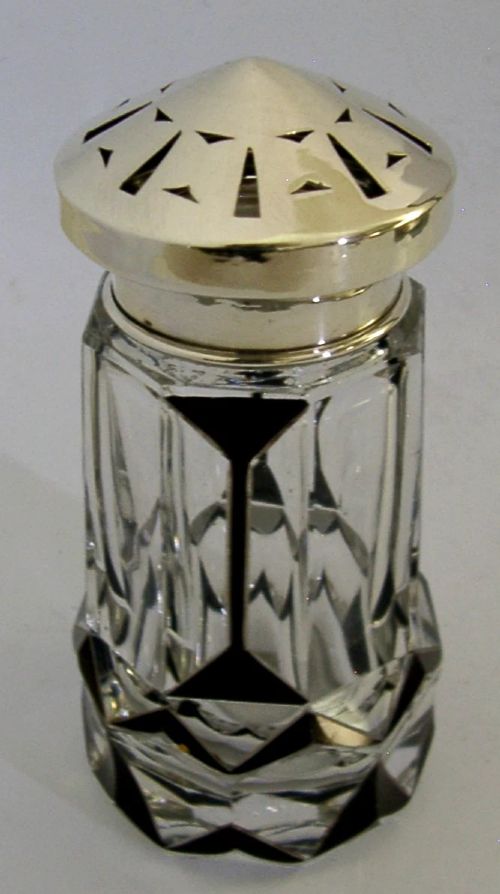
Silversmiths constructed tabletop casters from sterling silver, silver plate, and occasionally 800 grade silver, piercing or drilling the lids with geometric or floral patterns to allow the contents to scatter. Many sugar and pepper casters utilise cut glass bodies paired with silver or silver-plated collars and screw-on tops.
Furniture casters rely on cast brass to provide smooth movement beneath heavy timber legs made of mahogany or burr yew wood. Makers also incorporated enamel details on twentieth-century silver pieces and shaped ceramics like Prattware or KPM for novelty shaker forms.
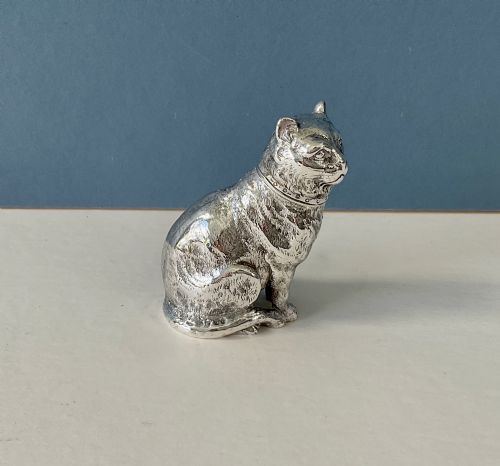
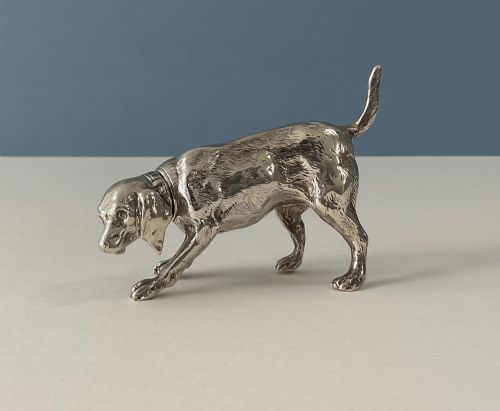
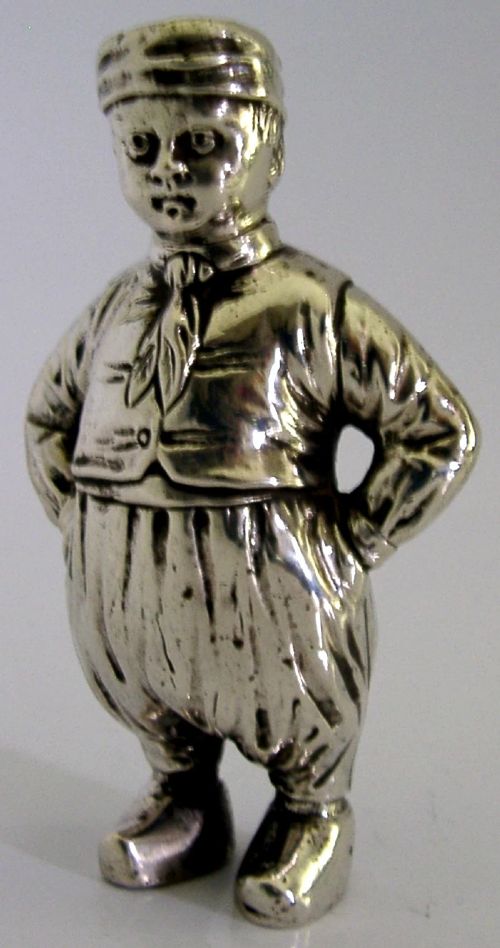
Cats, dogs, owls, and human figures populate the silver novelty pepper pots, watching dining tables with watchful metallic eyes.
Distinctions in craftsmanship
Quality rests in the crispness of the piercing on the lid and the weight of the metal utilised in the body. Substantial gauge silver and sharply defined cut glass distinguish finer vessels from lighter plated counterparts.
Novelty casters shaped as animals or human figures depend upon the precision of the cast and the legibility of the hallmarks. On furniture, the turning of the timber and the solid construction of the brass wheel mountings indicate superior workshop production.
Frederick Brasted·Mappin Brothers·Walker And Hall·Charles Thomas Fox
The Antique Caster Glossary
- Muffineer
- A tall caster designed specifically for sprinkling sugar or salt over buttered muffins at the tea table.
- Pounce pot
- A small container with a perforated top used to scatter fine powder over damp ink to dry it.
- Cruet set
- A fitted stand holding multiple glass bottles or casters for vinegar, oil, pepper, and other condiments.
- Prattware
- English earthenware produced with low-relief moulded designs and coloured underglaze oxides.
- Hallmark
- An official stamp applied to precious metals indicating the standard of purity, maker, and assay office.
Antique Caster: Frequently Asked Questions
What is the difference between a sugar caster and a pepper pot?
Sugar casters are taller vessels featuring larger capacity bodies and wider pierced tops designed to distribute granulated or caster sugar evenly over desserts and baked goods.
Pepper pots are smaller in scale with finer perforations, intended for dispensing ground spices in precise amounts during meals.
How do I clean antique silver casters?
Silver casters require gentle cleaning with a soft cloth and a specialised silver cream to preserve the hallmarks and surface detail. Avoid harsh dips that can strip the natural patina accumulated over the centuries.
Glass sections can be unscrewed where applicable and washed separately in warm soapy water, ensuring the metal collars remain dry.
Why do some furniture tables have brass casters?
Brass wheels were fitted to the feet of heavy mahogany writing tables and occasional furniture during the Georgian and Regency periods to allow easy movement across carpets and wooden floors.
They protect the base of the timber legs from wear and tear while providing mobility for domestic arrangements.
How can I date an antique silver caster?
Dating relies heavily upon the maker marks and hallmarks stamped into the silver, which record the assay office and year of production for British items. Stylistic shifts from Georgian baluster forms to Edwardian and Art Deco geometries also provide clear chronological markers.