
Antique Cast Iron Seat
An antique cast iron seat brings enduring structure and botanical form to an outdoor space.
Identifying an antique cast iron seat
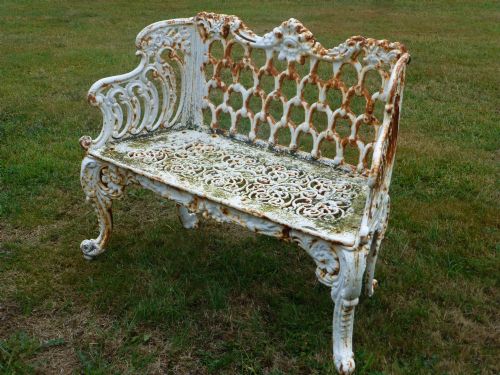
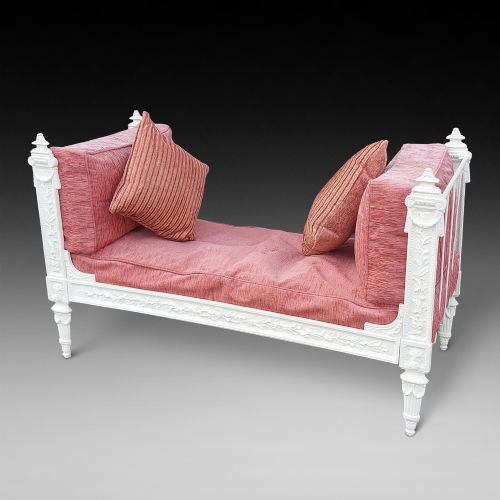
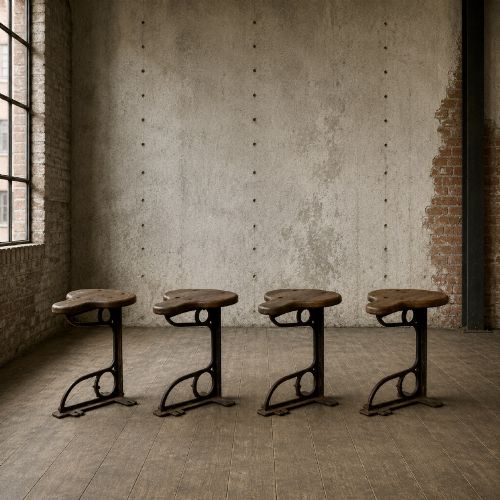
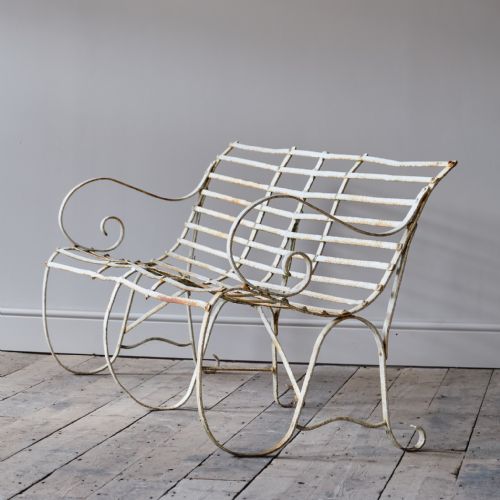
An antique cast iron seat is a heavy metal piece designed primarily for gardens, parks, and occasionally schoolrooms. When searching for an antique cast iron seat, buyers encounter items dating from the nineteenth century up to nineteen hundred.
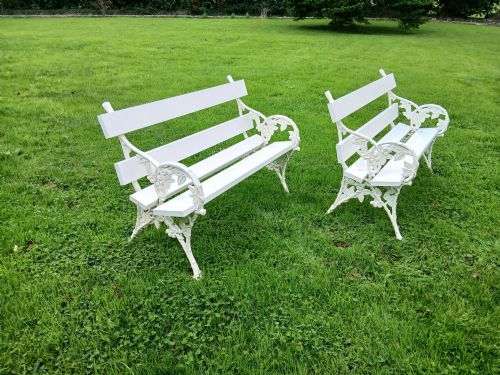
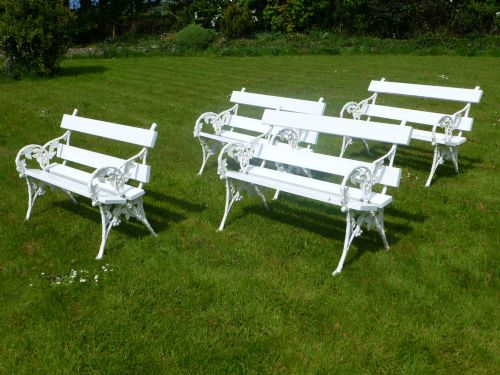
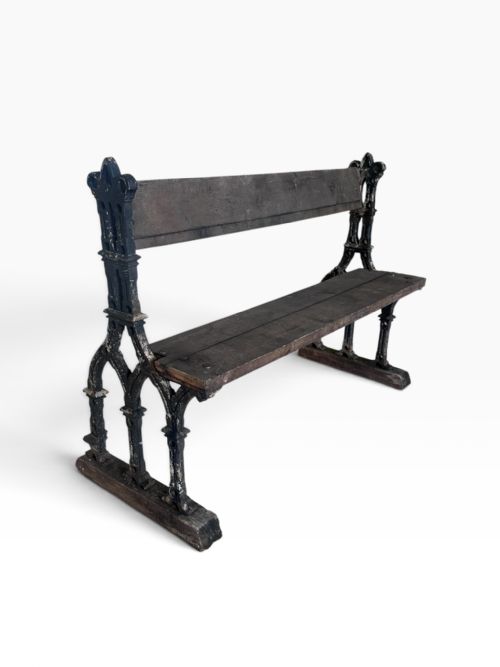
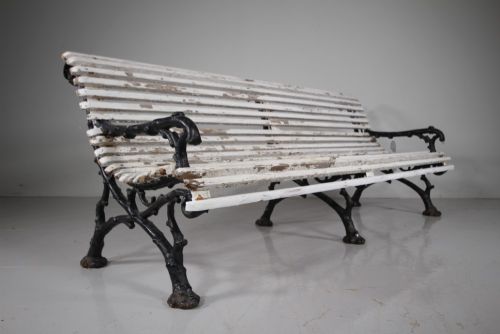
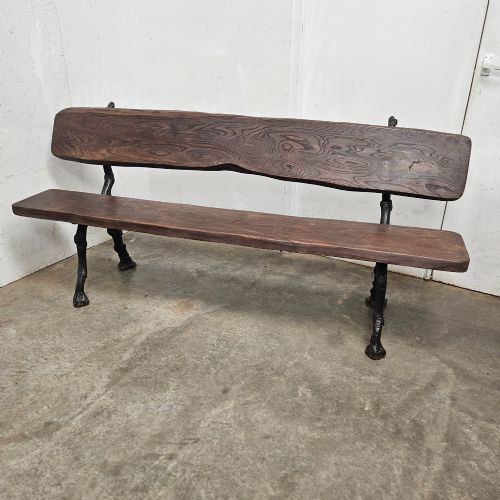
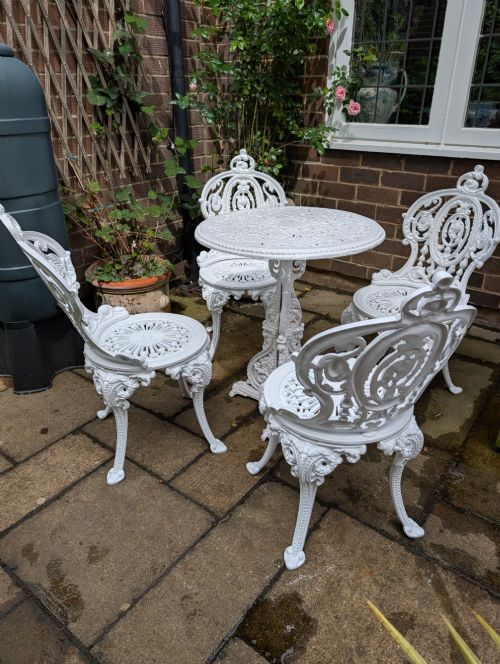
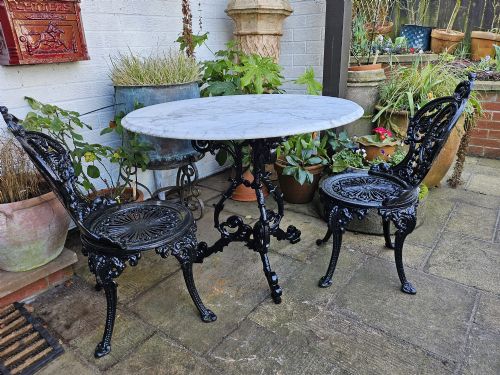
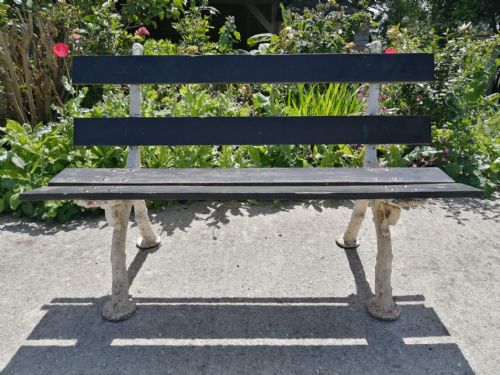
The most common forms on this page are garden benches and garden furniture sets. Pieces arrive in styles ranging from plain Victorian to Victorian rustic, Victorian decorative, and Gothic revival.
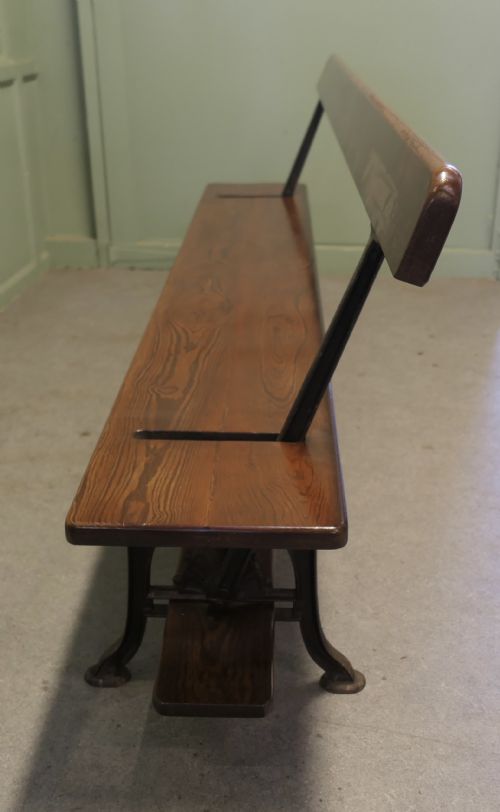
Makers and designs represented include the Carron Foundry, Coalbrookdale, and Val D'osne. Some examples combine the metal framework with wooden elements such as pine.
Materials and construction
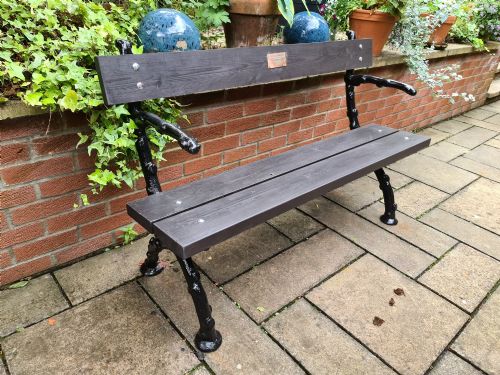
These items utilise cast iron poured into moulds to create rigid, ornamental frames and supports. Wood is frequently incorporated for seating slats or companion elements.
Surface finishes include applied paint, which protects the metal structure and adds colour to the overall design.
Retail Price Guide 2026
Typical UK retail prices for cast iron seat, calculated from the Sellingantiques database of over a million retail prices indexed since 2003. This retail price guide relies exclusively on Sellingantiques data; no external sources or auction records are used, so the figures do not describe the wider market.
Site listings span the nineteenth century and the year nineteen hundred, featuring cast iron, wood, and paint.
Judging quality and design
Quality separates through the intricacy of the cast decoration and the pedigree of the foundry. Elaborate Gothic revival patterns and named works by foundries like Coalbrookdale or Val D'osne sit above simpler utilitarian designs.
The integrity of the casting and the harmonious combination of iron and wood determine the visual weight of the piece.
Carron Foundry·Coalbrookdale·Val D'osne
The Antique Cast Iron Seat Glossary
- Cast iron
- A strong, hard alloy made by pouring molten iron into a mould. It allows for highly detailed decorative patterns to be produced in volume.
- Coalbrookdale
- A famous nineteenth-century ironworks known for producing ornate garden furniture. Collectors prize these foundry designs for their sculptural quality.
- Pine
- A softwood often utilised for the seat slats combined with the iron frames. It provides a contrasting texture to the heavy metal structure.
Frequently Asked Questions
Where should I place an antique cast iron seat?
These pieces suit gardens, lawns, and sheltered terraces where their heavy weight provides stability on uneven ground.
Position them on hard standings or stone flags to prevent the iron feet from sinking into soft soil over time.
How do I maintain cast iron garden seats?
Keep the metal protected with appropriate exterior paint to prevent rust formation from weathering.
Check wooden slats regularly and treat them with suitable oils or stains to preserve the timber components.
Are these seats suitable for year-round outdoor use?
Cast iron withstands outdoor elements well, though severe winter frosts can affect combined wooden elements.
Covering the furniture or moving wooden-slatted variants under shelter during harsh months helps preserve the materials.
How can I tell a Gothic Revival seat apart?
Gothic Revival examples feature characteristic architectural motifs such as pointed arches and quatrefoil patterns in the cast frame.
These decorative elements distinguish them from simpler rustic or plain Victorian designs.